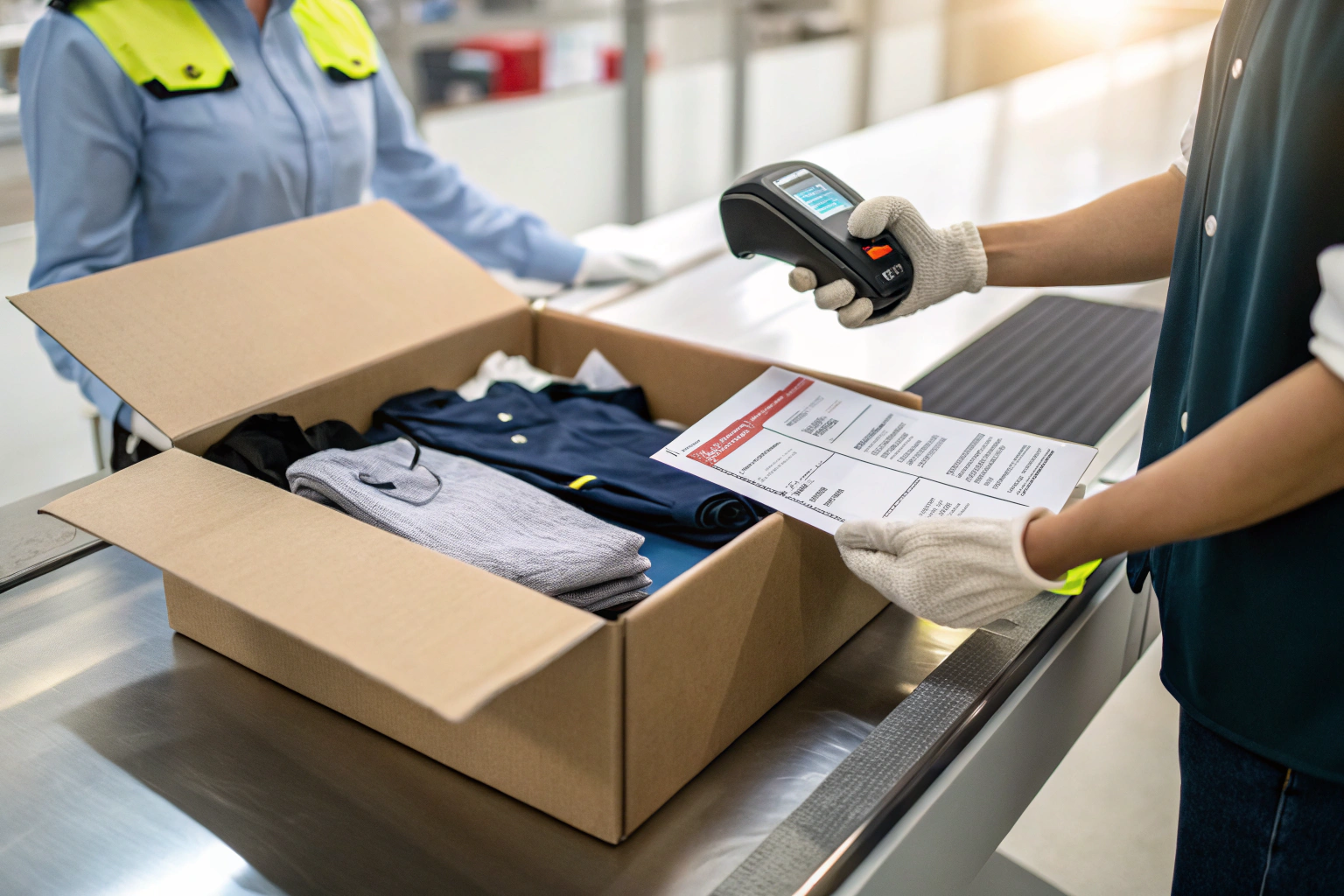
I remember a conversation I had with an e-commerce client named Lisa about eighteen months ago. She runs a successful online boutique selling accessories and small gifts sourced from Chinese factories. Her business model was built on speed and low overhead. She would order 150 units of a trending product, have them shipped via air express, and they would arrive at her customer’s doorstep within a week, all under the $800 de minimis threshold. No duties, no complex customs entries, no delays. She looked at her shipping costs, looked at her margins, and said, "Geese, this is the golden age." I replied, "Lisa, the golden age is ending. We need to start preparing now." She asked why. I told her that the political winds in Washington were shifting hard against de minimis, and that the days of duty-free, paperwork-free small parcel entry were numbered. She was one of the first to listen, and when the rules began to tighten, her business did not skip a beat. Others were not so fortunate.
The de minimis rule changes mean that the $800 duty-free threshold for small parcels is under active legislative and regulatory assault, and GeeseCargo’s e-commerce clients must prepare for a future where formal entry, duty payment, and full customs documentation become mandatory for a much larger share of their shipments.
The de minimis rule, formally known as Section 321, has been the invisible engine of the cross-border e-commerce boom. It allowed importers to bring in goods valued under $800 per person per day without paying duties, taxes, or fees, and with a dramatically simplified entry process. That engine is now being deliberately dismantled. At GeeseCargo, we have been tracking these changes, preparing our systems, and advising our clients on how to adapt. Let me walk you through exactly what is happening, why it is happening, and how we are helping e-commerce sellers navigate this new reality without losing their businesses or their minds.
Why Is the U.S. Government Tightening the De Minimis Entry Rules Now?
The de minimis rule was not designed for the world we live in now. It was created to allow tourists to bring back souvenirs without filling out paperwork, and later expanded to allow low-value commercial shipments to clear quickly. Nobody in Congress imagined that millions of packages per day would flow through this tiny regulatory loophole. But that is exactly what happened. E-commerce platforms, particularly those based in China, built entire business models around splitting shipments into sub-$800 parcels and shipping them directly to U.S. consumers, bypassing the tariffs that traditional importers pay on container loads of the same goods. The result has been an explosion in de minimis entries, from approximately 140 million per year a decade ago to over one billion per year today.
The U.S. government is tightening de minimis rules due to a perfect storm of factors: an exponential surge in small-package volume overwhelming CBP’s inspection capacity, concerns that the loophole is being used to evade Section 301 tariffs and import counterfeit or unsafe goods, and political pressure from domestic manufacturers and traditional retailers who argue the rule gives foreign e-commerce platforms an unfair cost advantage.
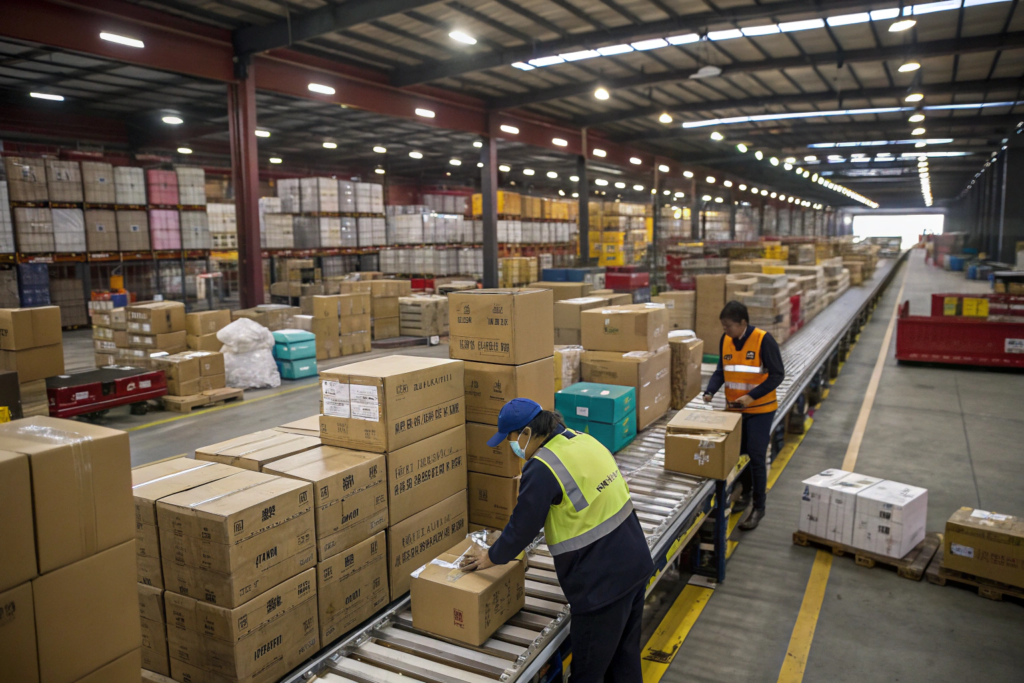
The volume alone is a problem. CBP simply does not have enough officers to inspect, or even adequately screen, a billion small parcels a year. This creates a security vulnerability. Illicit goods, from counterfeit accessories to fentanyl precursor chemicals, can hide in the sheer noise of legitimate commerce. Beyond security, there is a trade fairness argument. A traditional importer like Ron, who brings in a container of clothing and pays the full 25% Section 301 tariff, competes directly with an e-commerce seller who air-freights the same shirts in packs of three, declares the value at $799, and pays zero tariff. That is not a level playing field. Congress has noticed. Multiple bills have been introduced to either lower the de minimis threshold, exclude entire product categories like textiles and apparel from eligibility, or impose new data filing requirements that make using de minimis more costly and complex than filing a standard entry. At GeeseCargo, we track every one of these legislative proposals. We do not guess what will happen. We read the bills, analyze the text, and model the impact on our clients’ specific supply chains.
Which specific legislative proposals target the de minimis loophole?
Several bipartisan bills are currently under consideration in Congress, and while the final legislative vehicle may change, the direction of policy is unmistakably toward restriction. The most notable proposals include the Import Security and Fairness Act and various provisions within broader trade packages.
The Import Security and Fairness Act proposes to exclude goods from China and other non-market economies from de minimis treatment entirely. If passed, that means every single parcel from China, regardless of value, would require formal entry and duty payment. Other proposals target specific product categories. Textiles and apparel, which are Ron’s and Lisa’s world, are frequently singled out for exclusion because they are subject to both high Section 301 tariffs and significant counterfeiting concerns. Some proposals focus on tightening the data requirements. Instead of the minimal manifest data currently required for Section 321, importers would need to file full entry summaries with HTSUS codes, country of origin, and importer of record information. The specific legislative vehicle matters less than the unmistakable trend. The de minimis exemption for Chinese e-commerce is being squeezed from multiple directions simultaneously. We keep our clients informed of each development with plain-language summaries, not legal jargon, so they can make business decisions with clear eyes.
How does the forced labor issue intersect with de minimis enforcement?
The Uyghur Forced Labor Prevention Act has become a powerful additional argument for de minimis reform. UFLPA enforcement currently focuses on formal cargo entries, where CBP has the documentation and the legal framework to detain goods suspected of forced labor ties. De minimis entries largely bypass this scrutiny.
Because de minimis shipments require minimal data, CBP has limited ability to determine whether the cotton in a t-shirt or the polyresin in a figurine originated in Xinjiang. Critics of the current de minimis rules argue that this creates a massive enforcement gap. Goods that would be detained if imported in a container can freely enter if shipped in small parcels. This has given ammunition to lawmakers who want to close the loophole for national security and human rights reasons, not just trade fairness reasons. For our e-commerce clients, this means the de minimis pathway is not just under financial attack. It is under ethical and national security attack, which is politically much harder to defend against. We help our clients understand this broader context so they can anticipate where policy is heading and prepare their supply chains accordingly. The solution for many is to start building the documentation and compliance infrastructure of a formal importer, even before the law formally requires it.
How Does a Lower De Minimis Threshold Affect Your Small Parcel Costs?
Lisa’s business model was profitable at a $12 landed cost per unit for a $30 retail accessory. The $12 included product cost, air freight, and platform fees. There was no duty line item. When I asked her to model what happens when a 25% tariff is added to that same product, the numbers shifted dramatically. The landed cost jumped to $15. Her margin compressed from 60% to 50%. She could absorb that, but barely. The real shock came when we added the brokerage fee. A formal entry requires a customs broker to file the paperwork. That costs money, anywhere from $25 to $75 per entry depending on volume. For a shipment of 150 units, that is an additional $0.17 to $0.50 per unit. Spread across thousands of shipments, these incremental costs can erase the economic advantage of the direct-to-consumer model.
A lower de minimis threshold impacts small parcel costs by adding the applicable Section 301 and base duty rates to the cost of goods, introducing customs brokerage fees for formal entry filing, and potentially increasing transit times due to formal clearance processing, collectively raising the landed cost of e-commerce goods by 15% to 30% or more depending on the product category.
The cost breakdown is not the same for every product. For a low-value item like a $5 phone case, a 25% tariff adds $1.25. The brokerage fee might add another $0.50. The landed cost goes from $5 to $6.75, a 35% increase. The retail price must adjust upward, or the margin evaporates. For a higher-value item like a $200 designer-inspired handbag, the 25% tariff adds $50, but the brokerage fee is the same $0.50 per unit. The percentage impact is lower, but the absolute cash outlay is much higher. At GeeseCargo, we run these models for our clients. We do not just tell them that costs are going up. We tell them exactly how much and on which products. This allows them to make informed decisions about pricing, sourcing, and whether to consolidate shipments into container loads or continue with parcel-level logistics. We turn a scary headline into a manageable spreadsheet.
What specific duties apply to e-commerce goods that previously entered duty-free?
When the de minimis shield is removed, your e-commerce goods face the exact same duty schedule as commercial container shipments. For clothing, accessories, and gifts from China, this means the standard base tariff rate plus the applicable Section 301 surcharge.
A cotton t-shirt that previously entered duty-free would now face a base duty rate of approximately 16.5% plus a Section 301 tariff of 7.5% or 25%, depending on the specific HTS classification. Total duty: 24% to 41.5%. A polyester scarf could face a base rate of 15% plus a 25% Section 301 tariff. Total duty: 40%. A ceramic mug could face a base rate of 10% plus a 25% Section 301 tariff. Total duty: 35%. These are not small numbers. They are business-model-changing numbers. We help our e-commerce clients classify their product catalogs now, before the rules change, so they know exactly what their exposure is. A client who ships 50 different SKUs needs a duty rate matrix that we can build in an afternoon. Knowing the number, even if it is painful, is always better than guessing. It allows for planning, price adjustments, and strategic decisions about which products to keep and which to drop.
How do brokerage fees change the economics of small parcel imports?
Under de minimis, the entry process is essentially automated and free. The carrier submits a simplified manifest to CBP, and the package is released. No customs broker is involved. No broker fee is charged. Under formal entry, every shipment requires a licensed customs broker to file the CBP Form 7501 and related documents.
The broker charges a fee per entry. For a high-volume e-commerce shipper sending thousands of small packages, this fee, even at a negotiated low rate, becomes a significant new cost line. Traditional small parcel logistics are not set up to handle individual formal entries. The model works on consolidation. We are adapting our systems to offer an e-commerce-friendly brokerage solution. By consolidating multiple small orders into a single daily or per-flight entry, we can spread the brokerage fee across many packages, keeping the per-unit cost low. This requires sophisticated inventory tracking and entry programming, which we have invested in. Our goal is to make the transition from de minimis to formal entry as seamless as possible for our e-commerce clients, so the brokerage fee is a manageable line item, not a deal-breaker.
How Can E-Commerce Sellers Consolidate Shipments to Manage Duty Costs?
Lisa’s initial reaction to the de minimis changes was to assume she had to switch entirely to container shipping, ordering thousands of units at a time and warehousing them in the U.S. That is one strategy, and it works for some. But it kills the flexibility that makes e-commerce powerful. The ability to test new products with small order quantities, to respond to trends in real time, and to avoid holding large inventories is what gives small online brands their edge. Consolidation offers a middle path. You do not need to order a full container. You can consolidate multiple smaller orders from different suppliers into a single, larger shipment that crosses the border as one formal entry, sharing the brokerage fee and optimizing the freight cost per unit.
E-commerce sellers can manage duty costs by consolidating multiple supplier orders at a Chinese consolidation warehouse, shipping as a single Less than Container Load or Full Container Load entry with one brokerage fee, and then breaking the shipment down for individual final-mile delivery to consumers or Amazon FBA centers after U.S. customs clearance.
At GeeseCargo, we operate a consolidation warehouse in China specifically for this purpose. Lisa now sends purchase orders to five different factories. Each factory ships the finished goods to our warehouse. We receive, inspect, and combine the orders into a single shipment. That single shipment clears U.S. customs under one entry. One duty payment. One brokerage fee. After clearance, we can deliver the consolidated pallet to an FBA prep center or break it down and ship individual orders via domestic small parcel carriers. The duty is paid, yes, but the per-unit logistics cost is often lower than air express parcel rates, and the brokerage fee is diluted across hundreds or thousands of units. The transit time is longer than express air, but the cost savings often more than offset the duty hit. This is the new math of post-de minimis e-commerce, and we help our clients master it.
What is the role of a Chinese consolidation warehouse in this strategy?
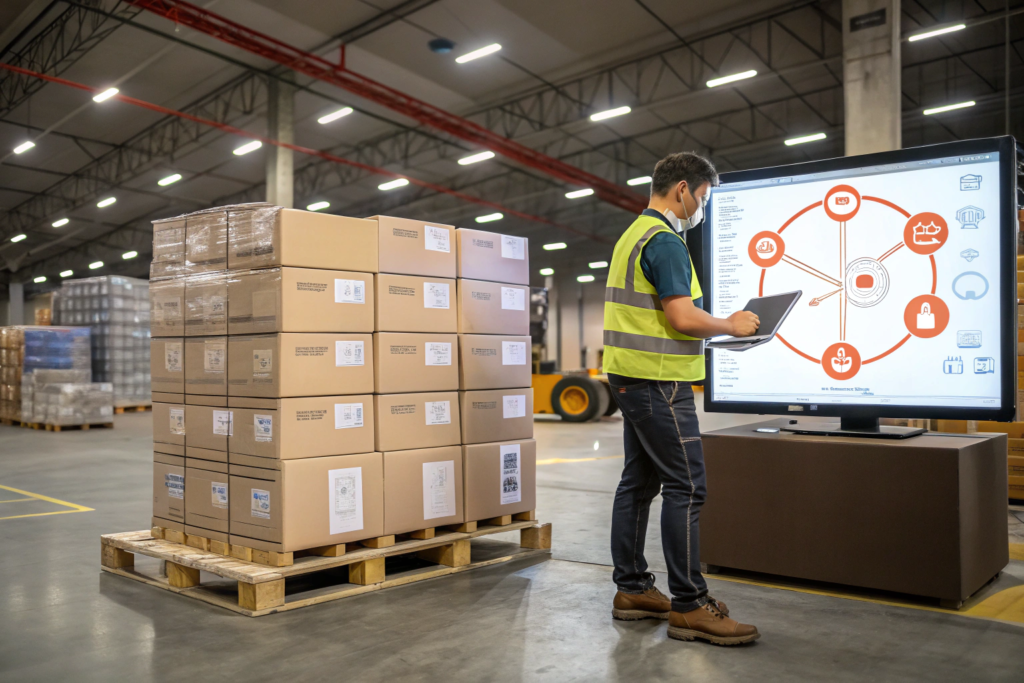
A consolidation warehouse in China acts as your receiving, quality control, and shipping hub. You buy from multiple suppliers as usual. Instead of having each supplier ship directly to the U.S. via express parcel, you instruct them to ship to our warehouse.
We receive the goods against your purchase orders. We check the carton counts, do a basic visual quality inspection, and flag any obvious damage or discrepancy. This is a critical control point. The factory knows a third party is checking. We then store the goods until all components of your consolidated shipment are ready. We stuff the combined cargo into a single container or palletize it for Less than Container Load shipping. We handle the export customs declaration in China. The shipment departs as a single unit. This process eliminates the chaotic, high-cost pattern of 15 different small boxes arriving at 15 different times to 15 different CBP ports of entry. It replaces chaos with a single, controlled, documented entry. The consolidation warehouse is the foundation of a professional e-commerce supply chain, and we have invested in making ours efficient, transparent, and client-friendly.
How does ocean freight consolidation compare to continued air parcel shipping after de minimis?
The choice between ocean consolidation and air parcel shipping is now a complex calculation that involves duty, freight cost, transit time, and inventory carrying cost. We build this comparison for our clients on a product-by-product basis.
Ocean consolidation has a lower freight cost per unit and spreads the brokerage fee thin. The duty is the same as it would be on an air parcel, because duty is based on product value, not shipping mode. The tradeoff is time. Ocean transit takes 25 to 35 days, plus consolidation time at origin and deconsolidation at destination. Air parcel takes 5 to 10 days. The question is whether the freight cost savings and the brokerage fee dilution outweigh the inventory carrying cost and the lost agility of fast air shipping. For high-value, trend-driven accessories where speed to market is everything, air may still win. For basic, replenishable items like basic clothing or standard giftware, ocean consolidation usually wins on cost. We run the landed cost models and present the options. We do not push clients to one mode or the other. We give them the data and let their business strategy decide. Our job is to make both options available and optimized.
What Documentation Must E-Commerce Importers Now Prepare for Formal Entry?
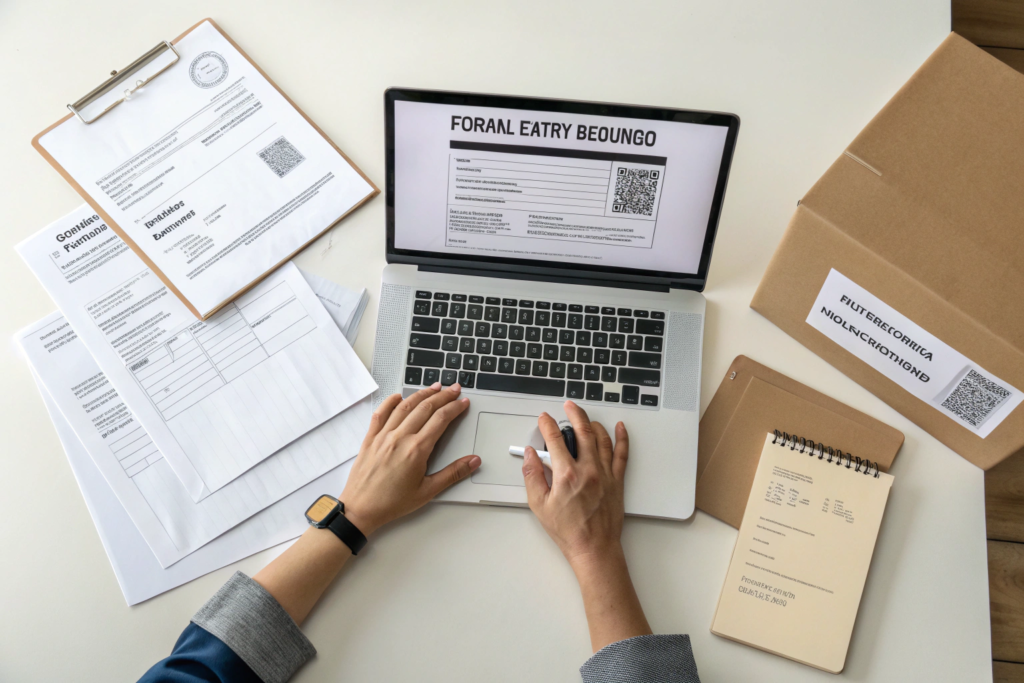
The biggest operational shock for e-commerce sellers moving away from de minimis is not the money. It is the paperwork. Under de minimis, the process was essentially invisible. The carrier’s software generated a manifest. The package flew. The customer received it. The seller’s involvement in customs was zero. Under formal entry, the importer, that is you, the e-commerce seller, is legally responsible for the accuracy of the customs declaration. You need a customs bond. You need to provide detailed commercial invoices with correct HTS codes. You need to keep records for five years. This is a completely different level of regulatory engagement, and many small e-commerce sellers are not prepared for it.
E-commerce importers transitioning from de minimis to formal entry must now prepare a complete customs documentation package including a detailed commercial invoice with HTSUS codes, an accurate packing list, a customs bond, a power of attorney for their licensed customs broker, and any applicable PGA certificates such as CPSC compliance for children’s products or FDA registration for food-contact items.
At GeeseCargo, we do not just hand our e-commerce clients a blank form and wish them luck. We guide them through the documentation setup process step by step. We start with the customs bond. We help the client apply for a continuous bond if their volume justifies it, or we arrange single-entry bonds under our brokerage if they are just starting with formal entry. We then work with them to build an HTS classification library for their product catalog. We take their list of SKUs, review the product descriptions and materials, and assign the correct HTS codes. This library becomes the foundation of every future entry. We create a commercial invoice template that includes all the required data elements: seller and buyer legal names and addresses, detailed product descriptions, HTS codes, country of origin, unit values, and total values. We train the client’s team on how to complete this template correctly. We also identify any PGA requirements. If the client sells children’s clothing, we flag the CPSC certificate requirement and help them get the necessary testing. If they sell kitchen gadgets, we flag the FDA requirement. We turn a scary, complex compliance burden into a structured, repeatable business process.
How does the importer of record obligation change for e-commerce sellers?
Under de minimis, the consignee, the individual U.S. consumer, was often treated as the importer of record by default, even though they had no idea they were assuming that legal responsibility. Under formal entry, the e-commerce seller must step into the importer of record role.
As the importer of record, you are legally responsible for the truthfulness of the entry, the payment of duties, and the compliance of the goods with all applicable laws. If CBP finds a violation, you receive the penalty notice. You need an importer of record number, which is typically your business’s IRS Employer Identification Number, or a customs-assigned number. You need a customs bond in your name. This is a significant shift in legal responsibility. We educate our e-commerce clients on what it means to be the importer of record. We help them obtain their customs bond and their importer number. We explain their recordkeeping obligations. This is not about scaring them. It is about equipping them. The importer of record role is manageable if you have a professional broker handling the filings. But you need to know you are in the role and what it requires.
What recordkeeping is required after a formal entry is filed?
U.S. Customs regulations require importers to retain all records related to a customs entry for five years from the date of entry. This includes the commercial invoice, packing list, entry summary, proof of payment, and any correspondence with CBP.
For an e-commerce seller who may have thousands of small entries per year, this is a significant data management challenge. A spreadsheet is not going to cut it. We provide our clients with a digital entry archive. Every entry we file is stored securely and accessible to the client through our online portal. The archive includes the filed CBP Form 7501, the commercial invoice, the packing list, the release notification, and any PGA filings. If CBP issues a CF-28 inquiry two years after the entry, the complete file is available instantly. This recordkeeping service is part of our customs clearance package. We manage the data so the client can focus on selling products, not filing paperwork. Good recordkeeping is also a compliance defense. If CBP audits you, the importer who produces organized, complete records quickly is viewed as a professional. The importer who scrambles and produces partial records is viewed as a risk. We make sure our clients look professional.
Conclusion
Lisa, the e-commerce boutique owner I mentioned at the start, did not wait for the de minimis axe to fall. She worked with us to build her HTS classification library. She set up her customs bond. She started consolidating her top-selling products into monthly LCL shipments through our China warehouse. She tested the formal entry process on a small scale, worked out the kinks, and built the documentation habit. When the first major de minimis restriction was announced, her competitors panicked. Her reaction was to forward our advisory email to her team with a two-word note: "Stay calm." She was ready. Her supply chain did not miss a day of deliveries.
The de minimis rule changes are not the end of cross-border e-commerce. They are the end of the golden age of invisible, zero-duty small parcel entry. The businesses that survive and thrive in the new environment will be those that treat customs compliance as a core business function, not an afterthought. At GeeseCargo, we are building the tools and the services to make that transition as smooth as possible for our e-commerce clients. Consolidation programs, e-commerce-friendly brokerage fee structures, automated document generation, and compliance training are all part of our offering. We are not waiting for the law to change. We are already operating in the post-de minimis world, so our clients are comfortable and capable when the rest of the industry is scrambling.
If you are an e-commerce seller sourcing from China and you are still relying heavily on de minimis entry, let us talk. I will do a free impact assessment for your top-selling products. We will show you exactly what the cost shift looks like and what your options are for consolidation, formal entry, and compliance setup. The change is coming. Preparation is a choice. Make the right one, and your business will not just survive the end of de minimis. It will be stronger for it. That is the GeeseCargo commitment to our e-commerce partners.


