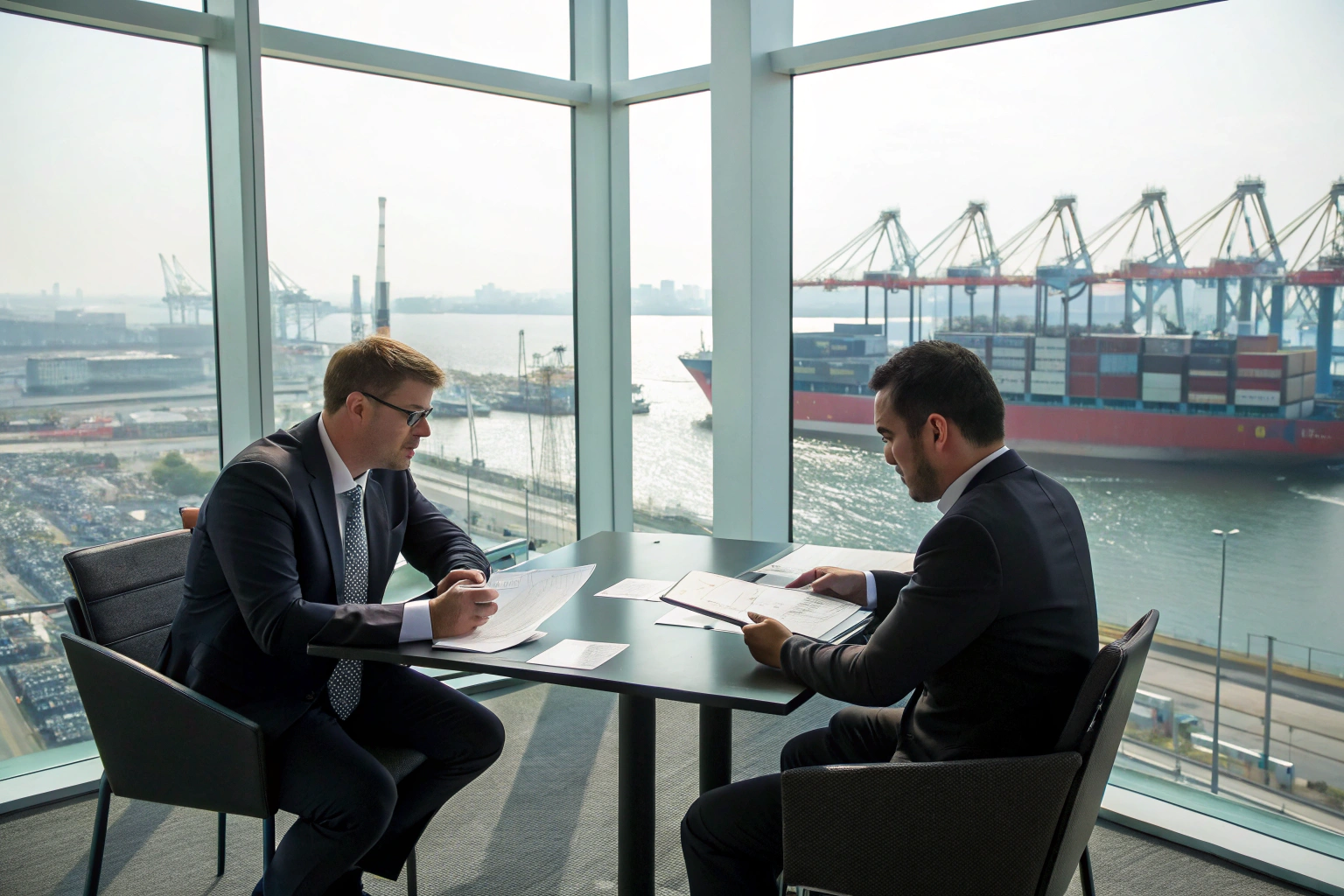
Three years ago, I sat across a table from a shipping line executive in Shanghai. He had just announced a general rate increase of $600 per container, effective immediately. The importer sitting next to me—a mid-sized clothing distributor from California—visibly deflated. He assumed he had no choice but to pay. I asked the executive one question about his vessel utilization on the Pacific Southwest route. Thirty minutes later, we walked out with a $250 increase instead, plus a guaranteed space allocation for the next six months. The importer was stunned. He thought freight rates were non-negotiable. He was wrong.
GeeseCargo negotiates better freight rates for your business by leveraging consolidated volume commitments, long-term carrier partnerships, multi-year contract strategies, and deep knowledge of carrier economics to secure pricing that individual shippers can never access on their own. We do not beg for discounts. We structure deals that make carriers want our business.
I built GeeseCargo with a simple conviction: small and mid-sized importers deserve the same rate advantages that Fortune 500 companies command. My team has spent years cultivating relationships with decision-makers at major ocean carriers, airline cargo divisions, rail operators, and trucking networks. In this article, I will take you inside our negotiation process and show you exactly how we turn your shipping volume into bargaining power.
How Volume Consolidation Unlocks Lower Freight Rates
One importer shipping five containers a month has limited leverage. Fifty importers shipping a combined 200 containers a month have enormous leverage. The problem is that individual shippers are isolated from each other, each negotiating alone against billion-dollar carriers. It is an unfair fight—until you join forces.
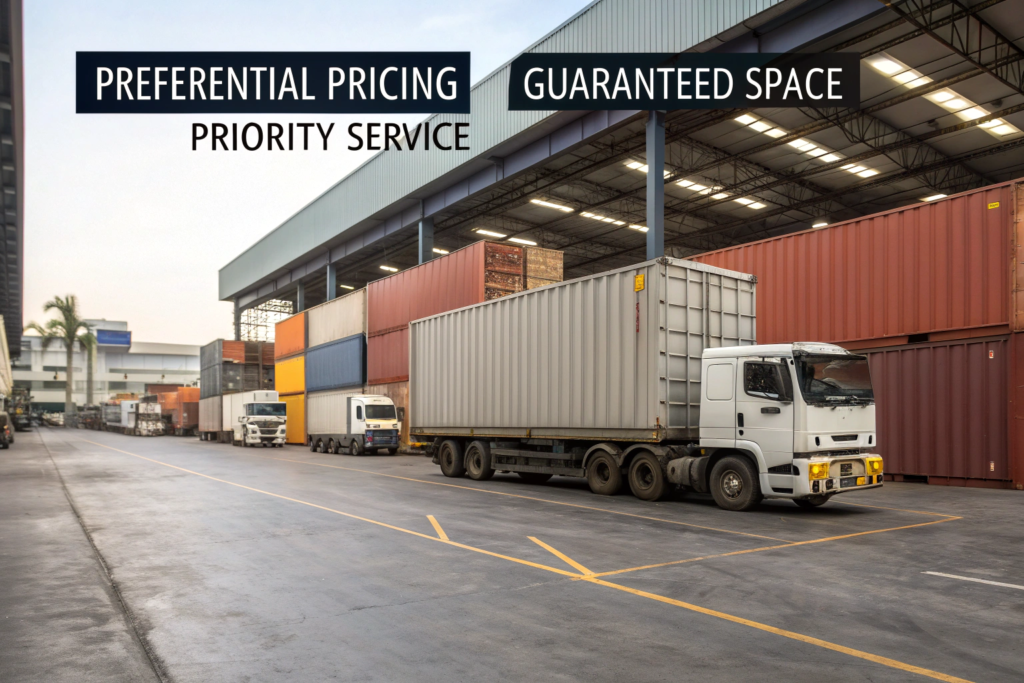
Volume consolidation is the single most powerful rate negotiation tool in freight forwarding, transforming fragmented, small-batch shippers into a unified buying bloc that commands preferential pricing, guaranteed space, and priority service from carriers. You stop being a small fish and become part of a whale.
At GeeseCargo, we aggregate the cargo volume of all our clients into a single, substantial book of business. When we sit down with a carrier, we are not negotiating for one container. We are negotiating for hundreds. That changes the dynamic completely. Let me explain how this aggregation works and why it benefits even our smallest clients.
How Does GeeseCargo’s Consolidated Volume Benefit Smaller Importers?
If you ship only two or three containers a month, walking into a carrier’s office alone will not get you far. The carrier knows you represent a tiny fraction of their revenue. They will offer you their standard tariff rate and politely show you the door. But when those two containers are part of GeeseCargo’s master contract covering thousands of TEUs annually, the carrier treats your cargo with the same priority as a major account.
We pass the negotiated rate directly to you. You benefit from the discount without needing to commit to the minimum volume that the carrier demands. This model is exactly how large freight forwarder networks operate, and it is the foundation of our competitive pricing. You also gain access to space during peak season when carriers are cherry-picking their highest-value customers. Your small shipment gets on the vessel because it is protected by our umbrella contract.
What Role Do Long-Term Carrier Partnerships Play in Rate Stability?
Transactional relationships produce transactional rates. When a carrier sees you as a one-time customer, they price accordingly—high enough to cover their risk and maximize their margin. When a carrier sees you as a strategic partner with predictable, consistent volume, they offer stability and preferential terms.
I have spent years nurturing relationships with key decision-makers at the major ocean carriers operating on the Asia-USA trade lane. We do not jump from carrier to carrier chasing the absolute lowest spot rate. We build relationships with three to five core carriers who understand our volume patterns and trust our booking forecasts. This trust translates into contract terms that protect our clients from extreme market volatility. When rates spike, our contracted rates hold. When space tightens, our allocations remain intact. This approach follows the strategic procurement principles that large corporations use to stabilize their supply chains.
How GeeseCargo’s Port Relationships Reduce Local Charges
The ocean freight rate is only part of the story. Local charges at the port of origin and destination—terminal handling, documentation, security fees, and wharfage—can add significant cost to every shipment. These fees are often treated as fixed and non-negotiable by smaller forwarders. They are not fixed. They are negotiable, but only if you have the relationships to negotiate them.
GeeseCargo’s direct, long-standing relationships with terminal operators and port officials at major hubs in China and the United States allow us to secure reduced local handling charges and waive certain administrative fees that inflate other forwarders’ invoices. We do not just negotiate the ocean leg; we attack costs at every touchpoint.
I have team members who have worked at these ports for over a decade. They know the terminal managers by name. They understand the billing structures and know which charges have flexibility and which do not. This granular knowledge saves our clients money on every single shipment. Let me show you where these savings materialize.
How Do Established Relationships at Chinese Ports Speed Up Export Clearance?
Export clearance delays at Chinese ports are expensive. Every day a container sits waiting for documentation approval is a day of storage charges, a day of missed vessel connections, and a day of inventory delay. Ports like Shanghai, Ningbo, and Shenzhen process enormous volumes, and it is easy for paperwork to get buried in the pile.
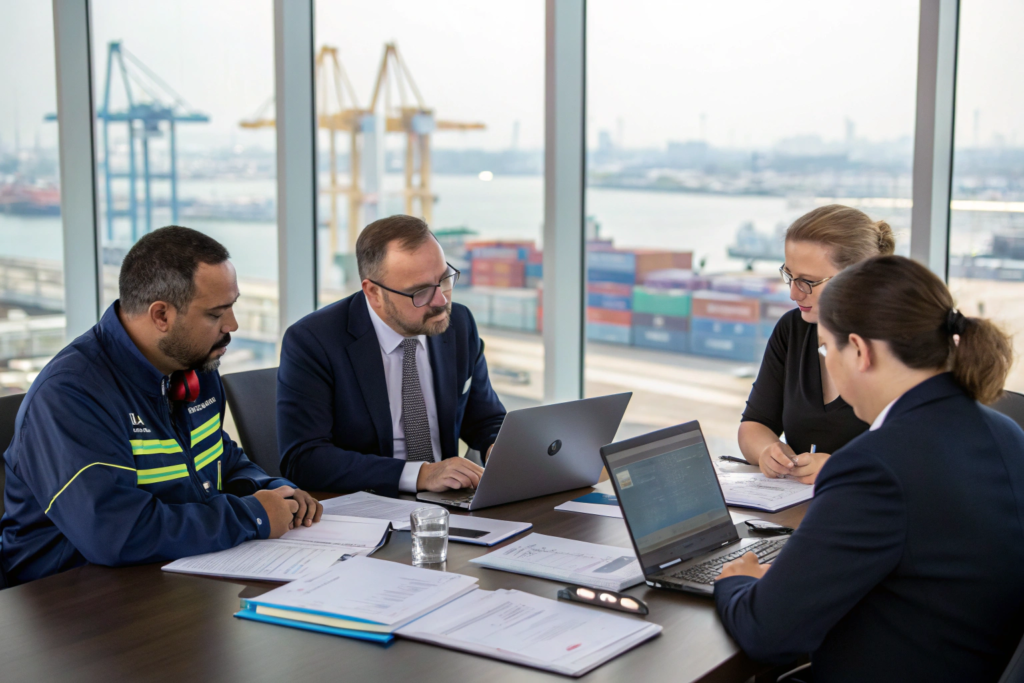
Our team has direct working relationships with the customs brokers and terminal operators at these major gateways. We understand the specific documentation preferences of each port authority. We know how to format declarations to avoid rejection and re-submission. When issues arise, we have phone numbers to call—not just email addresses to wait on. This operational familiarity, built on years of adherence to Chinese customs regulations, means our containers clear export processing faster and with fewer administrative fees than those handled by forwarders who subcontract this work to unknown third parties.
Can Strong U.S. Port Connections Really Reduce Demurrage Costs?
Demurrage charges at U.S. ports are a profit center for terminal operators. They bill hundreds of dollars per day once your free time expires. The clock starts the moment your container is discharged, and it stops only when the container physically leaves the terminal. If your trucker misses an appointment or your customs clearance is delayed by a day, you pay.
Our relationships at major U.S. gateways like Los Angeles, Long Beach, Savannah, and New York give us options that other forwarders lack. We negotiate extended free time allowances as part of our terminal agreements. We have direct lines to terminal operations staff who can expedite the release of urgent containers. We also partner with off-terminal yards where containers can be stored at lower rates if final delivery is delayed. We constantly monitor terminal tariff updates to ensure we are always working with current fee structures and maximizing your free time entitlement.
How Multi-Carrier Strategies Give GeeseCargo Negotiating Leverage
Never negotiate with only one option on the table. That is a fundamental rule of business, yet many importers accept the first rate their forwarder presents. They do not know if a better offer exists because their forwarder only works with one or two carriers. That is not negotiation. That is surrender.
GeeseCargo maintains active service contracts with multiple competing carriers on every major China-to-USA trade lane, creating genuine competition for your cargo and ensuring that we always have a better alternative to present when a carrier tries to raise rates. Carriers know we can walk away, and that knowledge keeps them honest.
I never let a carrier feel they have a monopoly on my business. Before every negotiation, I obtain rate proposals from at least three different shipping lines. I show each carrier that they are in a competitive field. This transparency creates pressure to offer their best price, not their standard rate. Let us explore how this competitive dynamic plays out in practice.
What Are the Advantages of a Diversified Carrier Portfolio?
Relying on a single carrier is dangerous. If that carrier has a service disruption, blanks a sailing, or decides to exit a trade lane, your entire supply chain grinds to a halt. Diversification protects you from these single points of failure while simultaneously improving your bargaining position.
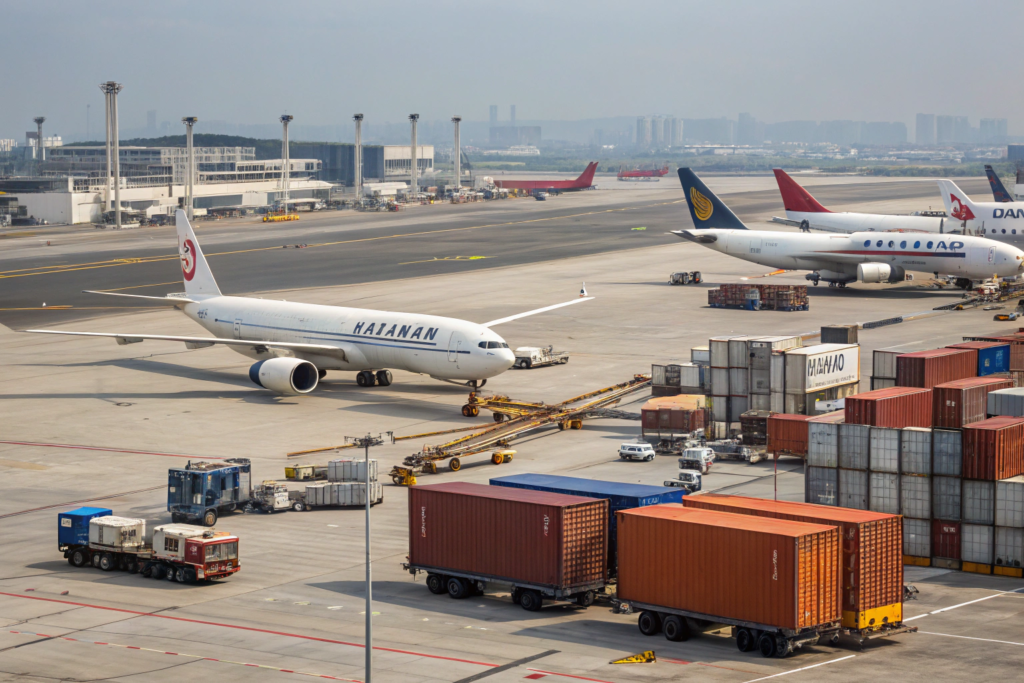
Our carrier portfolio includes all the major alliances operating on the transpacific route. We book regularly with COSCO, OOCL, Maersk, MSC, CMA CGM, and several others. Each carrier knows they are competing for our allocation. This competition drives down rates and improves service levels. It also gives us schedule flexibility. If one carrier’s vessel is full or delayed, we can quickly pivot to another carrier’s sailing without paying a premium for last-minute space. We monitor carrier schedule reliability data to ensure we are allocating your cargo to the most dependable services available.
How Does GeeseCargo Use Competitive Bidding to Drive Down Rates?
We treat every major rate negotiation like a structured procurement event. Before the contract cycle begins, we gather forecasts from our clients. We determine the total volume we will commit, the origin-destination pairs, and the service requirements. Then we issue a formal request for proposal to our carrier partners.
Each carrier submits their best offer, knowing they are competing against their rivals. We compare not just the base ocean freight rate, but the complete package—free time allowances, equipment availability, schedule frequency, and transit time guarantees. We then negotiate the final terms with the top two candidates, using each offer as leverage against the other. This disciplined approach, which mirrors the best practices in logistics procurement, ensures that our clients receive the most competitive rates available in the market, not just the first number a carrier throws out.
How GeeseCargo’s Contract Structures Shield You from Rate Spikes
The spot market is a roller coaster. General rate increases, peak season surcharges, and emergency bunker adjustments can push your freight costs up by thousands of dollars with almost no warning. If you are booking shipment by shipment on the spot market, you are fully exposed to every one of these increases. You are a passenger on a ride you did not choose.
GeeseCargo shields your business from rate volatility through structured annual and multi-year contracts that lock in base rates, cap surcharge increases, and guarantee space allocation regardless of market conditions. You gain budget certainty in an industry defined by uncertainty.
I believe that predictability is more valuable than any short-term discount. My clients need to know what their freight will cost six months from now so they can price their products confidently and plan their inventory investments. Our contract structures are designed to deliver exactly that certainty. Here is how we build these protective agreements.

What Is the Difference Between Spot Rates and Contracted Rates?
A spot rate is a one-time price for a single shipment. It floats with market conditions, and it can change drastically from week to week. A contracted rate is a negotiated price that applies to a defined volume over a defined period, typically three months to one year. The contracted rate provides a ceiling that protects you from market spikes.
We allocate the majority of our clients’ volume to contract rates while maintaining a small spot-market capability for overflow or unexpected demand. This blended approach gives you the best of both worlds—stable base costs with the flexibility to handle surges. When the transpacific freight market experiences sudden rate increases, our contracted clients watch from a safe distance while spot-market buyers scramble to absorb the hit. The premium for this protection is often negligible compared to the risk it eliminates.
How Do Minimum Quantity Commitments Secure Better Terms?
Carriers want guaranteed revenue. They plan their vessel deployments months in advance, and they need to know that their ships will sail full. When we commit to a minimum quantity of containers over a contract period, we give the carrier the predictability they crave. In exchange, they give us better rates and guaranteed space.
We structure these minimum quantity commitments carefully. We aggregate volume across multiple clients so the commitment is achievable and low-risk. If one client has a slow month, another client’s volume fills the gap. This aggregation ensures we always meet our commitments, which strengthens our credibility and negotiating power for the next contract cycle. The carriers trust us to deliver what we promise, and that trust translates into preferential treatment when space is scarce.
Conclusion
Better freight rates do not come from begging, luck, or shopping around on a dozen online platforms. They come from a systematic, professional approach to carrier negotiation that treats shipping as a strategic partnership rather than a transactional purchase. At GeeseCargo, we have built the volume base, the carrier relationships, the port connections, and the contract structures that give our clients pricing power they cannot achieve alone.
We negotiate better rates by consolidating your volume with other shippers to create a bargaining bloc that carriers respect. We negotiate better rates by working directly with terminal operators to reduce local charges that inflate your invoices. We negotiate better rates by maintaining a diversified carrier portfolio that creates genuine competition for your cargo. And we negotiate better rates by locking in long-term contracts that shield you from the spot market’s violent swings.
Your shipping costs should be a competitive advantage, not a source of constant anxiety. If you are tired of unpredictable freight bills and want a partner who fights for your margins with the same intensity that you do, I invite you to reach out. Visit our website at https://geesecargo.com/ and let us review your current rates. We will find the savings opportunities and build a negotiation strategy that protects your bottom line for years to come.