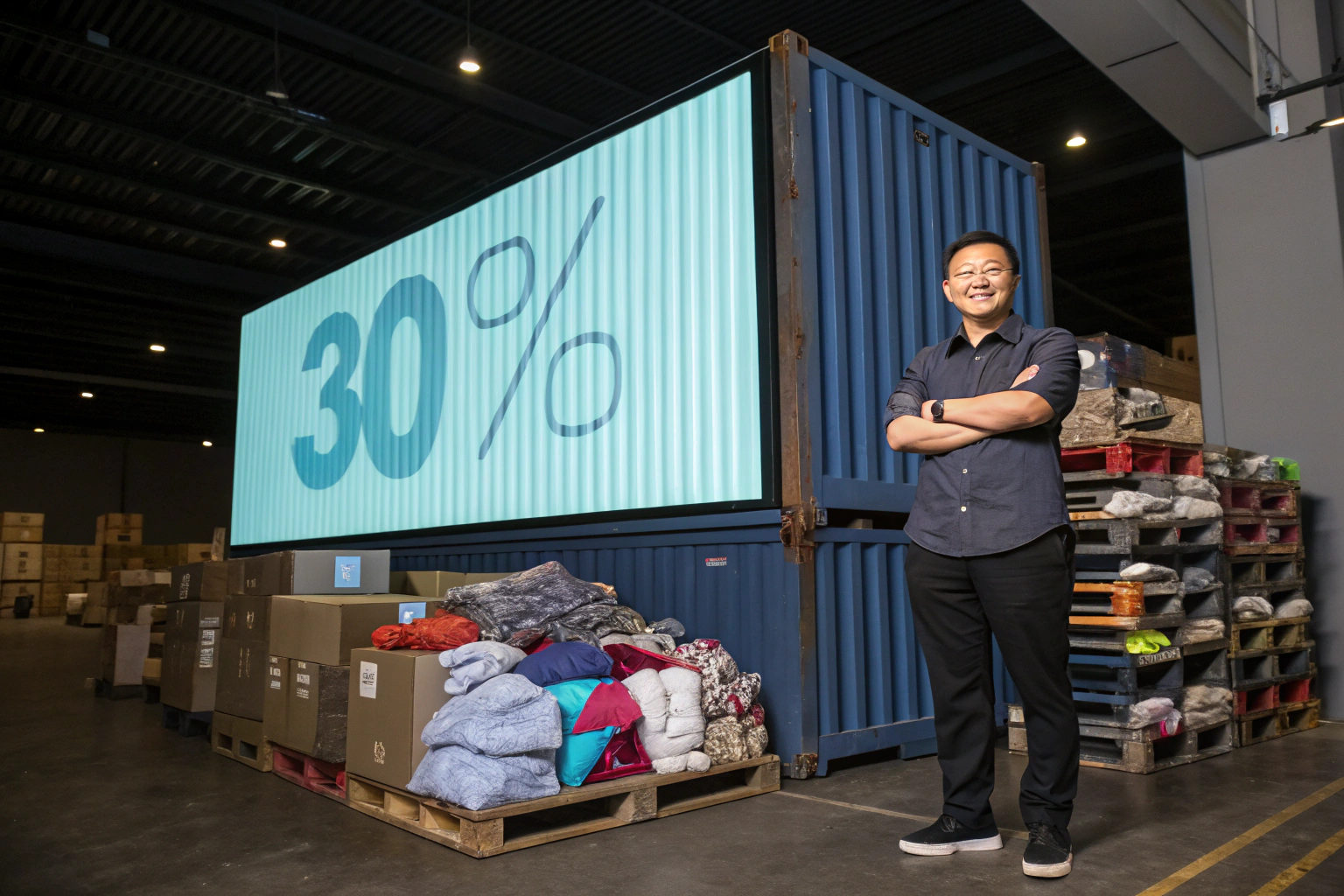
You ship Less than Container Load. You hate it. You pay for air you don’t use. You pay for space you don’t fill. You wait for other people’s cargo to arrive so your box can move. The price per cubic meter is sky-high. You feel like you are subsidizing the forwarder’s inefficiency. You are right.
I can slash your shipping costs. Not by 5%. Not by 10%. I am talking about a 30% reduction in your actual freight spend. This is not a marketing trick. This is physics. This is math. I have spent years building a consolidation network in China that pools cargo from trusted clients like you. When you ship one pallet of custom gifts, you pay the high "loose cargo" rate. When I combine your pallet with three other high-quality shipments heading to the same US port, I negotiate a lower rate for the whole group. I pass that down to you. My name is tied to this promise. If we cannot save you money, we tell you upfront.
This is the game changer for mid-size brands. You get the FCL rate without filling an FCL. Let me show you exactly how this 30% figure becomes your reality.
What Are the True Benefits of Cargo Consolidation Services?
You think consolidation just means sharing a truck. You are underestimating it. Real consolidation is a strategic tool. It changes your buying power. It changes your risk level. It changes your speed to market. When you stop shipping alone, you stop paying the penalty of being small.
I see consolidation as the great equalizer in freight. A big box retailer fills a 40-foot container. They pay 4,000 dollars. You ship one pallet in an LCL groupage box. The rate per cubic meter is three times higher. Why? Because the forwarder charges you for the admin of handling that loose piece. I cut that admin cost by grouping you with our other regular shippers. We manage the floor loaded planning precisely. This is what I call "the 30% advantage." It is real money back in your pocket for every shipment.
Let’s explore the specific ways consolidation changes your logistics reality.
How Does Groupage Improve Your Freight Rate Buying Power?
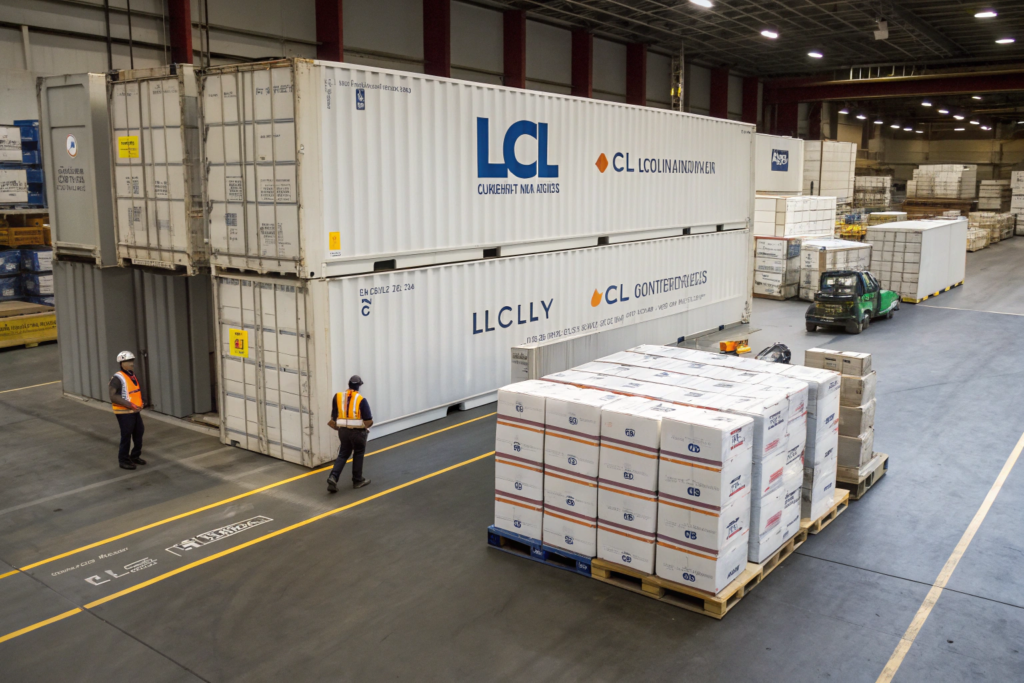
You call a shipping line. You ask for a rate for 5 cubic meters. They don’t care about you. You are a small fish. GeeseCargo calls the same shipping line. We ask for a rate for 500 cubic meters a month. They listen. They give us the Master Bill of Lading rate that individual shippers never see.
This is where the 30% sits. We use our NVOCC license to buy space in bulk. We then allocate that space to our consolidation clients. You effectively get the wholesale price while shipping retail volumes. I negotiate these service contracts directly with the steamship lines. I lock in the rate for a fixed period. I don’t let the spot market volatility hit your budget. This price stability is a hidden benefit of consolidation that pays off when the market spikes.
Why Do Consolidated Shipments Reduce Your Carbon Footprint and Costs?
You care about sustainability. Your customers care. But did you know that green logistics is also cheap logistics? When you ship a half-empty container, you burn fuel to move air. When we consolidate, we maximize the weight and volume of a single box. The carbon dioxide emissions per kilogram of goods drop significantly.
This efficiency translates directly to cost. Carriers are under pressure to meet environmental targets. They prefer shippers who optimize container utilization. We pass this preference to you through preferential rates. A fully optimized container is a cheaper container to move per unit. I help you report these carbon savings to your customers. We eliminate the hidden cost of reputational risk by making your supply chain lean and green. It’s a simple equation: less wasted space equals less wasted money.
How Does GeeseCargo’s Consolidation Process Work for Small Buyers?
You might be a small buyer now. You won’t be small forever. But right now, you order 3 cubic meters of accessories. You don’t want to wait three weeks for the forwarder to find enough cargo to fill a box. You fear your goods will sit in a Shenzhen warehouse, collecting dust. You fear the unknown.
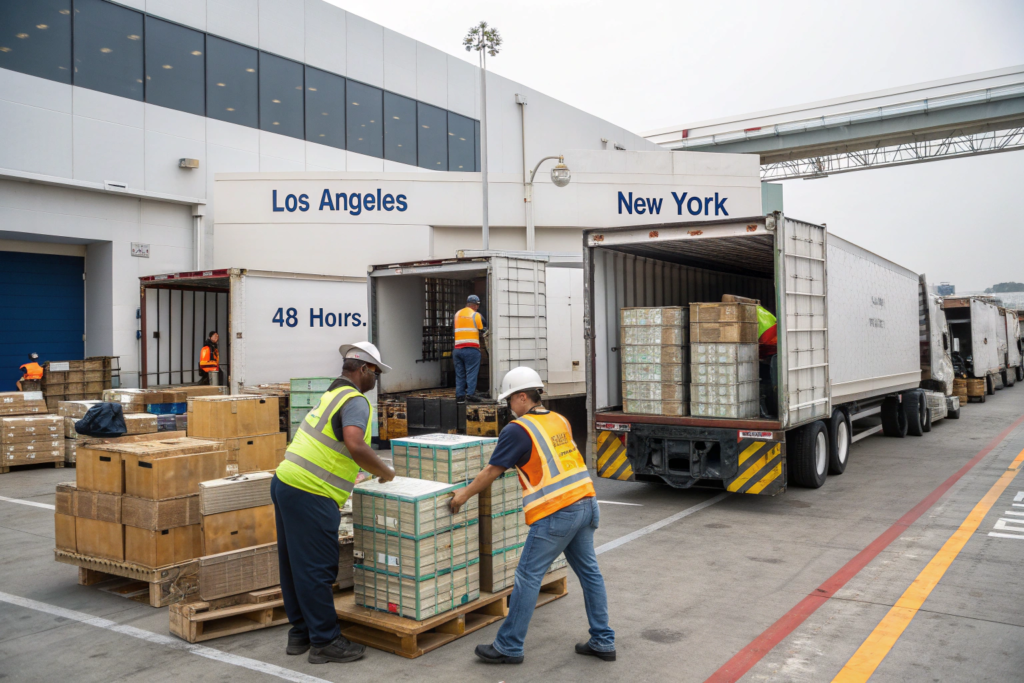
My consolidation process is built for speed, not just savings. We operate fixed sailing schedules for our consolidation boxes. Every Wednesday, we close the Los Angeles box. Every Friday, the New York box closes. Your goods arrive at our warehouse. We check them. We cross-dock them within 48 hours. They sail. We don’t wait a month to fill the box. If we have remaining space, we fill it with our contracted cargo. You never pay the price of delay. This is the difference between a "buyer’s consolidation" and a random freight collector.
Let’s dig into the tools and rules that make this process run without friction.
How Does Smart Inventory Staging Speed Up Consolidation?
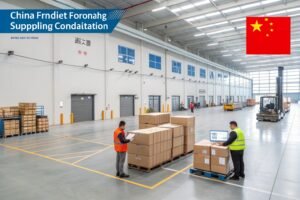
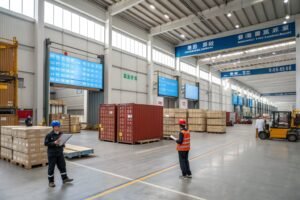
You want to ship fast. I need your goods ready. We use a digital staging system at our China hubs. You, or your factory, book an appointment slot to deliver the goods. We pre-clear the delivery paperwork. When the truck arrives at our Consolidation Center in Yiwu or Guangzhou, we unload it in minutes.
This staging is the secret killer of hidden waiting costs. We don’t let your products sit on a loading dock while the clock ticks. We immediately scan the Carton Numbers into our system. You see them in your online portal. This visibility allows us to pre-allocate the space on the vessel. If your factory is late, we flag it immediately. We don’t let a delayed delivery hold up the whole consolidated container. We roll it to the next box without charging you a cancellation fee. This strict process discipline eliminates the hidden cost of lost sailing slots.
What Is a Warehouse Receipt and How Does It Protect Your Goods?
You hand over your goods to a stranger in another country. That’s scary. You need a proof of custody. We issue a digital Warehouse Receipt the moment your goods pass our bay door. This document is your legal proof that we have your goods in good order.
This is a protection layer that most cheap consolidators skip. They throw your boxes in a corner. They lose one. You have no legal standing. We cannot operate like that. Our receipt notes the condition of the outer packaging. We take photos from four angles. These images are attached to your receipt. If there is a puncture in a box, we note it right then and there, so it is a factory defect, not our damage. This legally binding process eliminates the hidden cost of cargo disputes between the factory and the carrier.
Can Small Businesses Really Save Money with LCL Consolidation?
You run a small business. You have a niche line of gifts or boutique fashion. Every dollar counts. You think consolidation is only for the big guys. You think you need 10 pallets to get a good deal. You are looking at it wrong.
Small businesses save the most proportionally. You pay 500 dollars for a loose carton air freight, and it hurts. You pay 150 dollars for an ocean consolidation spot, and it feels like magic. The 30% target is often higher for small volumes because the base rate is so inflated. I tell my small buyers to start with consolidation and never look back. We reduce the entry barrier for global trade. You don’t need to buy a full container to get the full container price. You just need to share it with others who have the same destination goals. I make sure those "others" are high-quality cargo, not scrap paper that will leak on your shirts.
Let’s break down the math and the risk controls that make this viable for you.
How Do I Calculate My Actual Savings from Consolidated Shipping?
You see the lower rate. You nod. But you need the real math. You need to factor in the destination charges. When you ship LCL, you pay a destination handling fee per cubic meter. When you ship three separate LCL boxes, you pay that fee three times. When I consolidate those three boxes into one master shipment, you pay the Destination Terminal Handling Charge once, divided by weight.
I walk my clients through this math in a simple spreadsheet. We compare your current Cost Per Garment to our consolidated cost. We look at the landed cost, not just the ocean freight. You will often see the savings jump to 35% or 40% when you include the destination fees. I avoid giving you a fake unit price. I give you a real landed cost projection. That’s where the trust is built. The consolidation doesn’t just save on the ocean; it saves on the ground.
Why Is Cargo Insurance Cheaper When You Consolidate Safely?
Insurance premiums are based on risk and administration. If you ship ten separate small packages, the insurer charges a minimum premium for each. If we consolidate those ten packages into one sealed master pallet, the insurer issues one policy.
This sounds like a small detail. It’s not. Cargo insurance can eat 1% of your shipment value if you aren’t careful. By using our master policy structure, you get a lower rate because we have a good loss ratio with the Cargo Insurance Underwriter. The handling is also safer. A loose carton gets thrown. A master pallet gets forklifted. There is less damage, fewer claims, and lower premiums. I use these savings to chip away at that logistics cost until we hit the 30% target. It’s all connected.
Which Common Problems Do Our Consolidation Centers Solve?
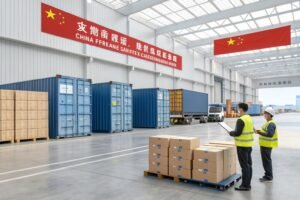
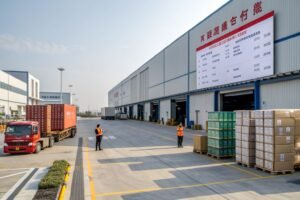
A Chinese factory can be chaotic. A consolidation center cannot be. When your goods leave the factory, they enter a messy world of third-party trucks, dusty sheds, and crowded customs yards. The quality of the consolidation center determines the safety and speed of your cargo.
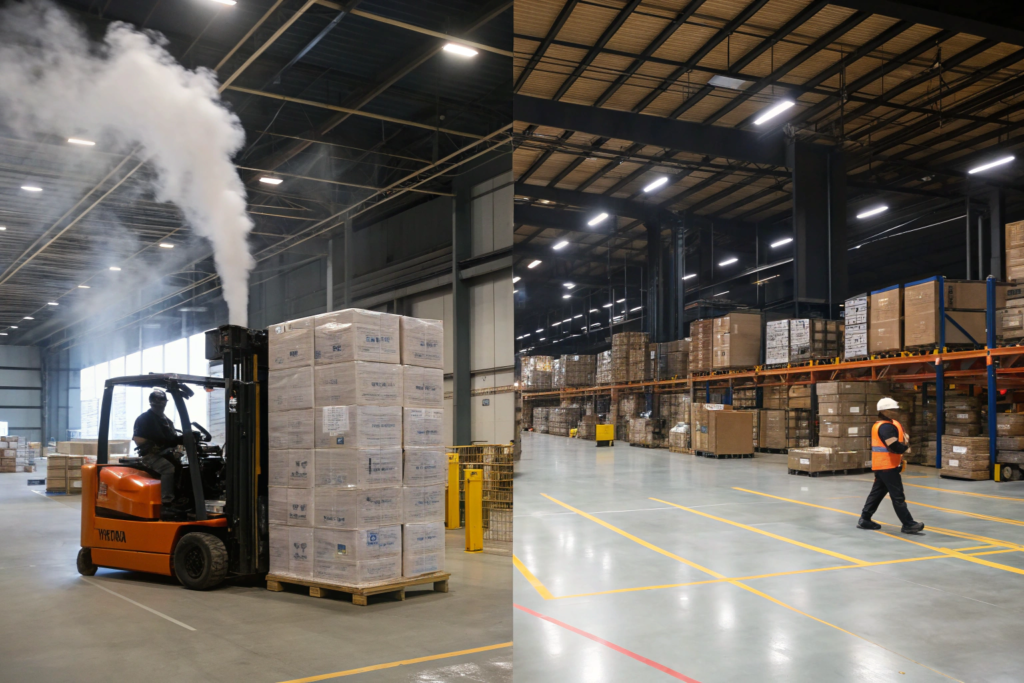
I don’t use public "CFS" sheds that handle everyone’s junk. I run dedicated, private consolidation centers for our premium routes. We solve the problems that kill small shipments. We control the physical security. We control the booking authority. We control the loading plan. If a ship does not have space, we have the leverage to demand it because we are a top NVOCC. We don’t let your fashion samples get crushed by a heavy machine part. We segregate cargo by commodity type. This physical control is the final solution to hidden handling damages.
We have fixed the major pain points. Here are the specifics.
How Do We Eliminate Dead Freight Penalties for Smaller Shippers?
You book 8 cubic meters. Your factory makes a mistake. You only ship 6 cubic meters. The forwarder charges you for the empty 2 cubic meters. This is a "dead freight" penalty. It’s unfair. It punishes you for slight production variations.
In my consolidation program, we don’t do this. If you fall short by a small margin, we don’t bill you for the empty space. We are filling a continuous stream of cargo. We adjust the load plan instantly. I absorb that small variation because I know next week you might have a bigger order. This flexibility eliminates the psychological stress of "booking exactly right." You focus on making your products. I focus on filling the container with precision. We track the Load Factor continuously to ensure we never penalize our regular partners for real-world manufacturing fluctuations.
What Happens When the Ship Schedule Suddenly Changes?
The dreaded notice arrives. "Vessel delayed by 4 days." For a loose LCL shipper, this is a disaster. Your goods sit. The warehouse charges start piling up. But in our consolidation pipeline, we have options.
Because we control a large volume of cargo, we can switch your consolidated box to an earlier vessel. We have priority access to alternative sailings. If the Panama Canal restrictions hit, we might route you via the West Coast rail. We call this "rolling with precision." The hidden cost of a schedule change isn’t the delay itself. It’s the port storage. By immediately rebooking the entire consolidated unit, we avoid the storage fees altogether. I sit with the carriers every morning. I review the Cut-Off Times. I make the call to switch before you even wake up in America. That proactive movement saves you money that other forwarders simply bill back to you.
Conclusion
The 30% question. Can we slash your shipping costs by that amount? Yes. We can. We have done it. We are doing it for clothing brands, for accessory importers, and for gift distributors right now. But this is not an automatic discount. It is a structural shift in how you move product. It moves you from an isolated small shipper to a member of a powerful buying consortium.
Consolidation removes the heavy tax of "LCL chaos." It replaces it with the smooth efficiency of a planned supply chain. You save on the ocean rate. You save on the destination terminal fee. You save on the insurance premium. You save on the dead freight penalty you don’t pay. These savings stack up. They protect your gross margin. They allow you to reinvest in better packaging or cheaper consumer pricing.
I want you to look at your next purchase order. Don’t just send it to a factory. Send it to us first. Let’s do a quick "consolidation simulation." We will input the cubic meters, the commodity, and the destination. We will show you the standard LCL cost versus our consolidated cost. We will do this before you commit to the buy. That’s how confident I am in hitting that 30% target.
This is not just a service. It is a financial strategy. Your cargo is safer, greener, and much cheaper.
This is the GeeseCargo promise. Let’s stop shipping air. Let’s start shipping profit.