I remember a client named Michael. He was importing a container of holiday decorations from Ningbo to Chicago. The ship was due in four days. He called me and asked, "Where is my container? The tracking on the carrier’s website hasn’t updated for six days." I pulled up our internal system. The vessel was on schedule. The carrier’s public tracking was simply not refreshed. Michael was about to call his buyer and warn them of a delay that did not exist. I gave him the exact GPS coordinates of the ship. He calmed down immediately. This is the gap between hoping your goods are on track and knowing they are.
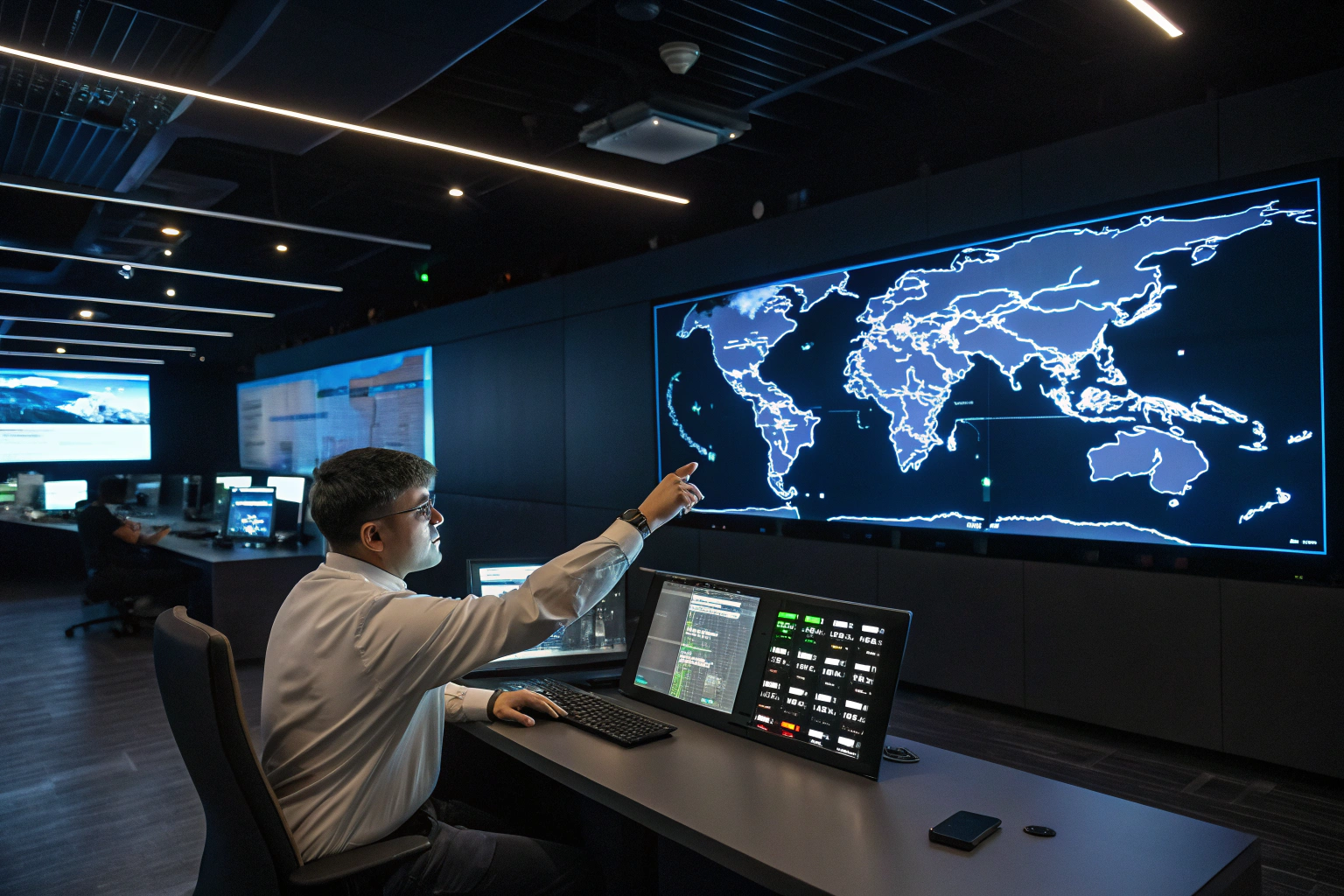
GeeseCargo provides real-time ocean freight tracking through a three-layer visibility system. First, we use satellite AIS vessel tracking to show you the exact position of the ship. Second, we integrate with the container terminal systems to show you the status of the container itself. Third, we add our own operational milestones from our internal management platform. You see the vessel moving on the ocean. You see the container discharged at the port. You see the customs clearance status update. All of this is in one simple tracking link that works on your phone and your computer.
You have enough stress in your business. Wondering where your inventory is should not add to that stress. You should know the moment your container is loaded onto the vessel in Shanghai. You should know the moment it is discharged in Los Angeles. You should know the moment the truck picks it up. This visibility is not a luxury. It is a fundamental requirement of modern importing. I want to walk you through exactly how our tracking works. I will show you the technology behind it. I will show you the specific status updates you will receive. And I will explain what happens when something goes wrong and you need more than just a dot on a map.
The Technology Behind Our Three-Layer Tracking System
A single source of tracking data is not enough. The carrier’s website tells you the vessel’s estimated arrival. But it does not tell you if the container actually made it onto that vessel. The terminal’s website tells you the container is discharged. But it does not tell you if customs has released it. The trucker’s text message tells you the delivery is complete. But it does not provide the proof of delivery photo. You need all these sources woven together into one coherent story. That is what we built.
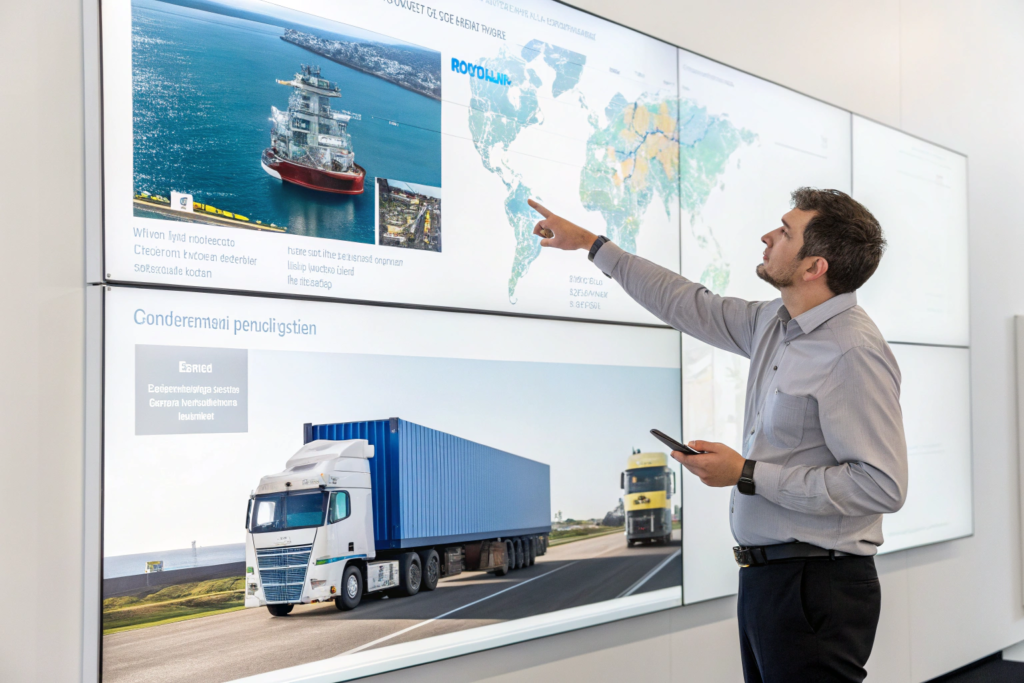
Our three-layer system combines vessel-level tracking via automatic identification system satellites, container-level tracking via terminal EDI integration, and shipment-level tracking via our internal operational platform. These three layers do not operate independently. They are synchronized. When the vessel’s GPS shows it is 200 nautical miles from port, our system automatically triggers the customs pre-clearance process. When the terminal system shows the container is available, our system automatically dispatches the truck. The tracking is not passive. It drives action.
You do not need to understand the technical plumbing. You just need to know that we have connected the pipes. The satellite talks to the terminal. The terminal talks to our platform. Our platform talks to your smartphone. The flow of data is continuous and automated. There are no gaps where a human has to manually type an update. Manual updates are slow and prone to error. Our updates are machine-generated and real-time. Let me explain the satellite layer first. It is the most visible and the most satisfying to watch. Then I want to show you the terminal layer, which is the most operationally critical for your warehouse planning.
How does AIS satellite tracking show you the exact position of your vessel at sea?
Every large commercial vessel is required by international law to broadcast its position. This is done through the automatic identification system. The vessel sends a VHF radio signal containing its name, position, speed, and heading. Satellites in low Earth orbit pick up this signal. We pay for access to a commercial AIS data feed. This feed gives us the position of virtually every container ship on the planet, updated every 15 to 30 minutes. When you book a shipment with us, we link your booking confirmation to the specific vessel’s unique Maritime Mobile Service Identity number.
The AIS data feeds directly into our tracking platform. You see a map. You see a ship icon moving across the ocean. You can zoom in and see the vessel’s exact track line. This is the same technology used by MarineTraffic and other public ship tracking websites. But we add a layer of business context. We overlay the vessel’s position with your shipment milestones. The map shows the ship’s current position and also its estimated time of arrival based on its current speed. If the vessel slows down due to weather, the ETA recalculates automatically. You see the change immediately. You are not waiting for the carrier to issue a delayed arrival notice. You see the speed drop and the ETA push back in real time. This is the power of raw AIS data applied to your specific cargo. You can literally watch your goods cross the ocean from your office desk. This visibility is incredibly reassuring. It turns the mysterious ocean transit into a predictable, observable journey.
What container status data do we pull from terminals and how does it improve your planning?
The vessel arrived. That is good news. But your container is one of ten thousand on that ship. Where is it? Has it been unloaded? Is it in the customs inspection area? Is it available for pickup? The terminal operating system holds the answers to these questions. We have established Electronic Data Interchange connections with the major marine terminals at all the key US and European ports. When the container is discharged from the vessel, the terminal system records a "discharged" status. We pull that status instantly. You see "Container Discharged" in your tracking portal.
When customs releases the container, the terminal records a "customs release" status. We pull that too. When the container is placed on a chassis and made available for truck pickup, the terminal records an "available" status. This is the most important status for your planning. It means the container is physically ready to leave the port. You see this update in real time. Your warehouse manager knows to prepare the receiving dock. Your inventory system can be updated with an accurate arrival date. This container availability data is far more reliable than the carrier’s generic "arrived" notice. The carrier only knows the vessel arrived. We know the exact moment your individual box is ready to roll.
We also receive the "hold" statuses. If customs places an exam hold, the terminal system records it. We flag it in your tracking portal immediately. You see a red alert. More importantly, our operations team sees the same alert. We immediately start working on the exam coordination. The terminal data layer turns a generic port arrival into a series of specific, actionable container milestones. You know exactly where your cargo stands in the complex post-arrival process. This precision eliminates the panicked phone call to your forwarder asking "is my container ready yet?" The answer is always on your screen.
Your Customer-Facing Tracking Portal and Notification System
The raw data is impressive. But it is useless if it is buried in a complex, technical interface. You are a business owner, not a logistics IT specialist. You need the tracking information to be clear, simple, and proactive. You should not have to log in to a confusing portal and hunt for your container. The information should find you. It should arrive in your email inbox or pop up on your phone screen as a notification. The tracking experience should feel like tracking a package from an online retailer, just for a 40-foot container instead of a shoebox.
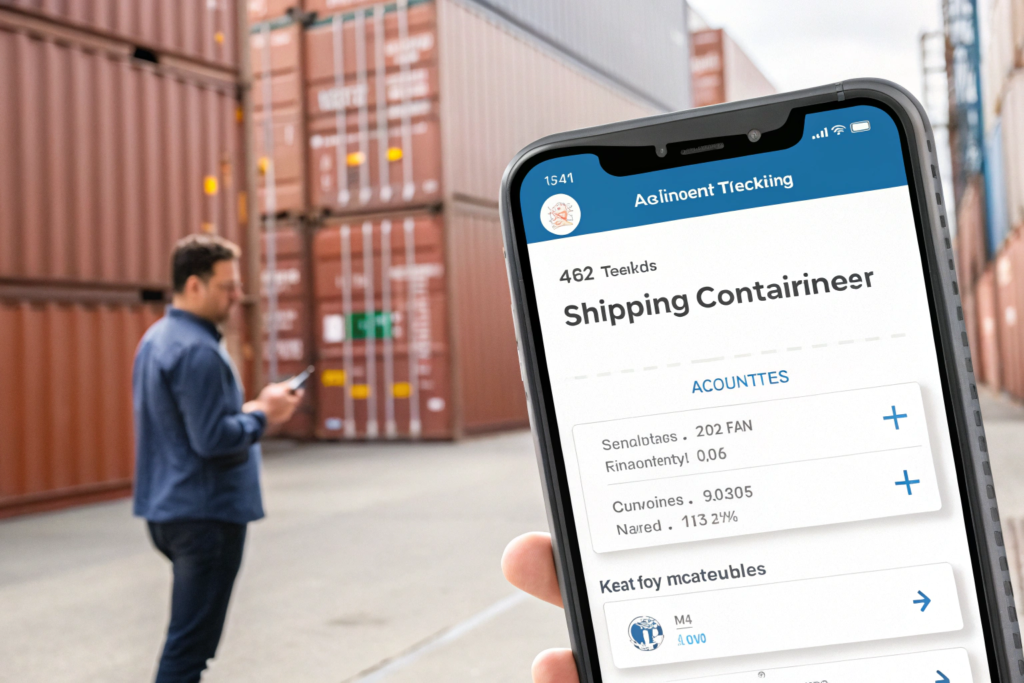
GeeseCargo provides a customer tracking portal that works on desktop and mobile browsers. We also push automatic email and optional SMS notifications at every major milestone. You receive alerts when the vessel departs, when it arrives at the destination port, when customs clears the container, and when the final delivery is completed. Each notification contains the current status, the next expected step, and a link to the full tracking timeline. You do not need to go looking for information. We deliver it to you.
The portal is designed for speed and clarity. You open the link. You see a visual timeline. A green checkmark means a completed step. A blue spinning circle means a step in progress. A grey dot means an upcoming step. The visual language is universal. You understand your shipment status in three seconds. Let me walk you through the specific notifications you will receive during a typical ocean journey. And I want to explain the exception alerts, which are perhaps even more important than the routine updates. Knowing about a delay immediately is what allows you to mitigate it.
What specific milestone notifications will you receive during a typical ocean shipment?
Your tracking journey begins the moment we book your cargo. You receive a "Booking Confirmed" email with your container number and vessel name. A week before loading, you receive a "Gate Cut-Off Reminder." This tells you the exact deadline for the container to be in the terminal. When the container is physically loaded onto the vessel, you receive a "Vessel Loaded" notification. This is a crucial status. It confirms your container was not rolled. It is on the ship.
The vessel departs. You receive a "Vessel Departed" notification with a link to the live AIS map. You can watch the ship move. Mid-ocean, if the vessel passes a major waypoint, we send an "In Transit" update. This is optional, but many clients like the reassurance. Five days before arrival, you receive an "Estimated Arrival Notice." This tells you the precise expected arrival date at the destination port. This is your signal to start preparing the warehouse.
When the vessel arrives, you receive a "Vessel Arrived" notification. Then the critical post-arrival sequence begins. "Container Discharged." "Customs Hold" if applicable. "Customs Released." "Available for Pickup." "Out for Delivery." Each of these status changes triggers an email. The "Out for Delivery" notification includes the trucking company name and the driver’s contact number. Finally, "Delivered" with a link to the proof of delivery photo and the signed delivery note. This is the complete chain. You see every major transition. There are no dark periods. The shipment milestone tracking is comprehensive and automatic. You are always informed. You are never guessing.
How do our exception alerts help you manage delays before they become crises?
A delay is a deviation from the plan. The standard plan says the vessel departs on January 10th and arrives on January 24th. An exception alert tells you the vessel departed on January 11th and the new ETA is January 26th. This alert is not just a piece of information. It is a trigger for action. The moment our system detects a delay, it calculates the new timeline. It sends you an alert titled "Schedule Exception." The email clearly states what changed, why it changed, and what the new estimate is.
This allows you to react immediately. You can inform your customer that the delivery will be two days late. You can adjust your warehouse labor schedule. You can push back the truck booking. This proactive communication is what separates a professional importer from a reactive one. Your customer might not be happy about a delay, but they are far angrier if they hear about it on the delivery day from the truck driver. Our exception alerts give you the time and the information to manage expectations.
We also send customs exam alerts. If your container is randomly selected for an exam, you receive a "Customs Exam Hold" notification. This tells you the type of exam and our estimated additional timeline. The alert also tells you what we are doing about it. "Our team has scheduled the exam transport. The current estimated exam completion is 2 days." This transparency is vital. You know the worst-case scenario immediately. You can plan around it. Our exception management alerts turn a surprise delay into a managed situation. You are not blindsided. You are briefed. You are in control of the narrative with your own customers. This is the true value of real-time tracking. It is not just about watching dots on a map. It is about having the information you need to run your business professionally.
What Happens When Tracking Shows a Problem: Our Intervention Process
Technology spots the problem. A human being solves it. The tracking system sends the alert. The alert is not just sent to you. It is also sent to our operations team. A missed vessel connection. An extended anchorage wait. A customs hold. These are not just notifications. They are work orders for my team. The tracking visibility is a double-edged sword. It reveals the problem to you and to us simultaneously. This shared visibility creates shared accountability. We cannot hide from a delay. The system forces us to act on it immediately.
When our tracking system detects a delay or an exception, it automatically creates a case in our operations platform. A dedicated team member is assigned. They investigate the root cause within two hours. They contact the carrier, the terminal, or the customs broker to resolve the issue. They update the tracking portal with their findings and an action plan. You do not just see the problem. You see the solution being implemented. This turns tracking from a passive reporting tool into an active problem-resolution service.
You are not paying us just to move boxes. You are paying us to manage exceptions. The ocean is unpredictable. Problems will happen. The measure of a freight forwarder is not whether problems occur. It is how fast and how effectively they are resolved when they do occur. Our tracking system is wired directly into our intervention workflow. Let me explain what happens when the system detects a container that missed its vessel connection. And I want to walk you through a customs hold scenario. These are real situations where the combination of tracking technology and human expertise saves your shipment.
What is our immediate response when a container is "rolled" or misses a vessel connection?
A container is rolled when the vessel is overbooked and your box is left on the dock. Our system detects this in two ways. First, the terminal system shows the container was "short-shipped," meaning it was not loaded. Second, the AIS data shows the vessel has left without our confirmed container. The system immediately generates a "Rolled Container Alert." This alert is high priority. A case is opened.
Within one hour, a member of our ocean freight team calls the carrier’s booking desk. We demand to know why the container was rolled. We invoke our service level agreement. Because we have block space agreements with the carriers, our containers have a very low roll probability. If a roll occurs, the carrier is contractually obligated to protect our container on the very next available vessel. Our team secures this protection immediately. We get a new booking confirmation for the next vessel. The new vessel might depart the next day or in three days, depending on the service frequency.
We update your tracking portal. The "Vessel Departed" milestone changes to "Vessel Connection Missed." A new milestone is added: "Protected on Next Vessel." The new vessel name, departure date, and estimated arrival date are populated. We call you or email you personally to explain the situation and the resolution. You are not left staring at an error message. You have a clear, updated timeline within hours of the problem occurring. This rolled container response is swift and definitive. The tracking system triggered the response. The human team executed it. You see the whole resolution process unfold transparently.
How do we use tracking data to expedite customs clearance when a hold is detected?
The tracking system shows a "Customs Hold" status from the terminal data feed. This triggers a different intervention. Our customs brokerage team receives the alert. They log into the customs portal to see the reason for the hold. There are two main possibilities. The first is a documentary hold. Customs needs additional information, such as a clearer product description or a corrected invoice line. Our broker calls you immediately if we need information from you. Usually, we already have the answer on file. We submit the corrected document within the hour. The hold is typically released the same day.
The second possibility is a physical examination hold. The container has been selected for an X-ray or a full intensive exam. We cannot overturn this selection. But we can manage the process for speed. Our team contacts the Centralized Examination Station immediately. We schedule the earliest available exam slot. We arrange the truck to move the container from the terminal to the exam site. We pay the exam fees instantly from our account to avoid any administrative delay. We monitor the exam queue. If a slot opens up earlier, we push to get your container in.
Throughout this process, your tracking portal is updated. You see "Customs Exam Scheduled," then "Customs Exam In Progress," then "Customs Exam Completed," and finally "Customs Released." You watch the hold being resolved step by step. The tracking data does not just tell you there is a problem. It tells you we are fixing it. This level of procedural visibility is unique. Most forwarders go silent when a hold occurs because they do not have good news. We lean into the transparency. We show you the problem and the solution simultaneously. This builds trust. You know we are not hiding anything. You know we are working on it. The tracking system and the human response team are fully integrated. The customs hold resolution is a choreographed procedure, not a panic.
Conclusion
Real-time tracking is the difference between hoping your goods arrive on time and knowing exactly when they will arrive. We have built a three-layer system that gives you complete visibility. The satellite AIS layer shows you the vessel moving across the ocean. The terminal EDI layer shows you the container being discharged, cleared, and made available. The operational platform layer shows you the GeeseCargo milestones that drive the process forward. These three layers are unified in one simple tracking link. You open it on your phone or your computer. You see the full story of your shipment in a visual timeline.
We do not just show you the data. We push it to you. Automatic email notifications at every major milestone. Vessel departed. Vessel arrived. Customs cleared. Out for delivery. Delivered. You are never left wondering. You are never forced to log in and search. The information finds you. And when the information is bad news, a delay or a hold, the system does not just tell you the problem. It tells us the problem. Our operations team swings into action. We resolve the issue. We update the tracking. You see the solution unfolding in real time.
This is what professional, reliable freight forwarding looks like in the modern age. It is not just about booking a boat and hoping for the best. It is about giving you the information and the support to manage your supply chain with confidence. You can plan your warehouse labor. You can update your customers. You can manage your inventory financing. All based on accurate, real-time data. I invite you to experience this level of visibility. Send us your next shipment. You will receive a tracking link within hours of booking. You will watch your goods move from the factory to your door with complete transparency. Let’s bring your logistics into the light. No more dark spots. No more guesswork. Just clear, reliable, real-time tracking.