I will never forget the voice on the other end of the phone. It was a distributor from Dallas, a man who usually spoke with the calm confidence of someone who had built his business over two decades. That day, his voice was tight and high. "Geese, my container is on hold. Customs won’t tell me why. My broker isn’t answering. I have a purchase order deadline in four days. What do I do?" He had received an automated notification from the shipping line that his container status had changed to "Customs Hold" and nothing else. No explanation, no timeline, no contact person. He was completely in the dark with $80,000 worth of seasonal goods sitting on the terminal, clocking storage fees, while his retail buyer threatened to cancel the order. That moment of helpless fury is something no importer should ever experience alone.
When your shipment gets held at US Customs, GeeseCargo responds immediately by diagnosing the exact hold type, contacting the CBP officer or PGA agency directly, providing the required documentation or corrections within hours, and managing the logistics of exam, storage, and release to minimize your costs and downtime.
A customs hold is not the end of the world, but how you respond in the first 24 hours determines whether it is a minor inconvenience or a financial disaster. You need a partner who has been through this process hundreds of times, who knows the right phone numbers to call, the right forms to file, and the right arguments to make. At GeeseCargo, we treat a customs hold as an emergency drill that we have rehearsed so many times it has become routine. We do not panic. We execute. Let me walk you through exactly what happens when CBP or another agency places a hold on your cargo, and how our team works to get your goods released and on their way to your warehouse as fast as legally possible.
What Are the Different Types of US Customs Holds and What Do They Mean?
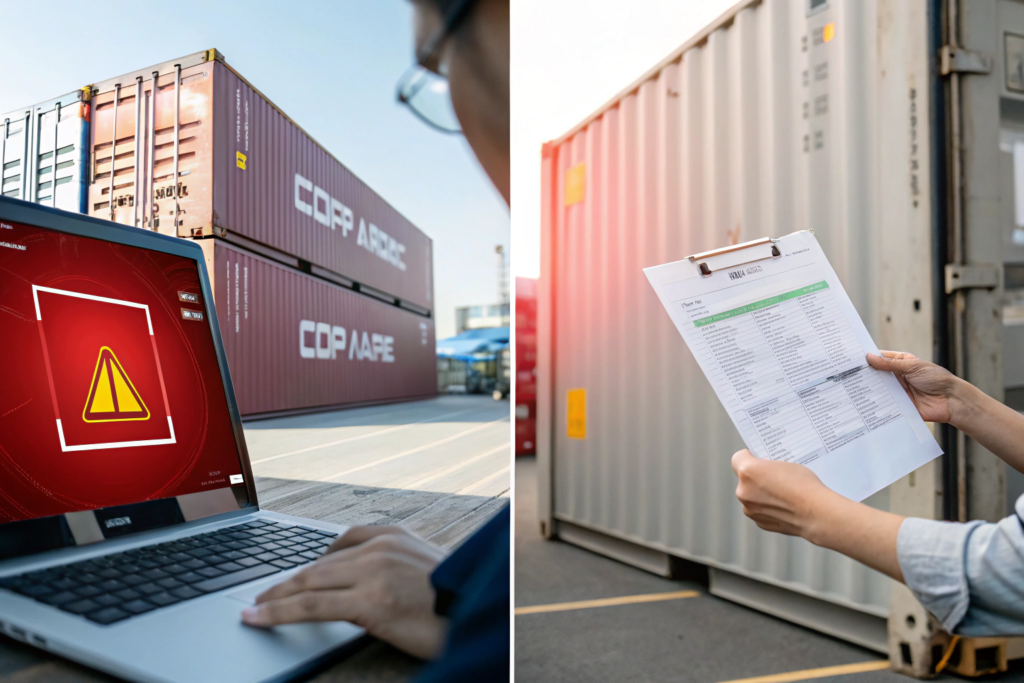
The phrase "customs hold" is terrifying precisely because it is so vague. It is like a doctor telling you that you are sick but refusing to tell you what the illness is. The first step in any effective response is diagnosis. What specific type of hold has been placed on your container? The answer determines everything that follows. A documentary hold is a paperwork problem. A manifest hold is a data problem. A PGA hold is a regulatory problem. An exam hold means CBP wants to physically inspect the goods. Each type has a different resolution path, different costs, and a different timeline.
The main types of US Customs holds include Manifest Holds, Entry Document Holds, PGA (Partner Government Agency) Holds, and Examination Holds, each triggered by different triggers and requiring a specific, tailored response to achieve release.
At GeeseCargo, our first action when the system flags a hold is to log into the Automated Commercial Environment, or ACE, and read the exact hold code and the officer’s notes. A Manifest Hold means there is a problem with the carrier’s manifest data. The container number, seal number, or shipper name on the manifest may conflict with the ISF filing. An Entry Document Hold means something on the CBP Form 7501 or the supporting commercial documents triggered a red flag. The value might appear unusual compared to similar shipments, or the HTS classification may seem incorrect. A PGA Hold is imposed by an agency like the FDA, CPSC, or USDA. These agencies have their own import databases, and if your product’s required registration or certification is missing or expired, they issue a hold independently of CBP. An Examination Hold means CBP has selected your container for a physical inspection, which can be an X-ray scan, a tail exam, or a full intensive exam. We diagnose the hold type within 30 minutes of receiving the client’s alert. Then we brief the client on exactly what is happening, why it happened, and what the resolution process will look like.
How does a Manifest Hold differ from an Entry Document Hold?
A Manifest Hold originates from the carrier’s data transmission, not the importer’s customs entry. The ocean carrier files a manifest with CBP that lists every container on the vessel. If this manifest data does not match the importer’s ISF data, CBP places a hold.
Common causes of a Manifest Hold include a container number typo on the ISF, a seal number mismatch, or a discrepancy in the shipper’s name. The fix is usually straightforward. We compare the ISF data we filed against the carrier’s final manifest. If we made the error, we amend the ISF immediately. If the carrier made the error, we demand they correct their manifest filing. A Manifest Hold is often resolved within hours if caught quickly. An Entry Document Hold is deeper. It means CBP’s import specialist has reviewed the entry summary and supporting documents and found something they want to question. This could be the declared value, the country of origin evidence, or the product description. Resolving an Entry Document Hold requires a substantive response. We may need to provide additional invoices, proof of payment, product catalogs, or a legal argument for the classification we used. We prepare these response packages and submit them through the ACE portal, then follow up with a phone call to the assigned import specialist. This combination of electronic response and direct human contact is the fastest path to release.
What is a PGA hold and which agencies are most likely to stop your goods?
A PGA hold is issued when a Partner Government Agency has a regulatory interest in your product and the required compliance data is missing or flagged in their system. The most common PGAs that hold cargo are the FDA, the CPSC, and the USDA.
If you import clothing, especially children’s clothing, CPSC is the most likely agency to stop your shipment. They require a valid Children’s Product Certificate on file, and they check the testing lab’s accreditation. If the certificate is expired or the lab is not accredited, CPSC issues a hold and requests a valid certificate. If you import food-contact items like ceramic mugs or kitchenware, FDA is the agency to watch. They require FDA facility registration for the foreign manufacturer and prior notice filing. A missing prior notice confirmation number triggers an automatic FDA hold. If your gift items include any plant material, like dried flowers, bamboo, or untreated wood packaging, USDA and its Animal and Plant Health Inspection Service require phytosanitary certificates and may order a fumigation hold. The key with PGA holds is that CBP cannot release the cargo until the PGA issues a "May Proceed" notice. We handle this by directly contacting the PGA’s import division at the port. We submit the missing documentation through the appropriate electronic system, whether it is the FDA’s PREDICT system or the CPSC’s eFiling portal. We then track the PGA review status and push for a quick resolution.
Why Do U.S. Customs Officials Hold Shipments from China Specifically?
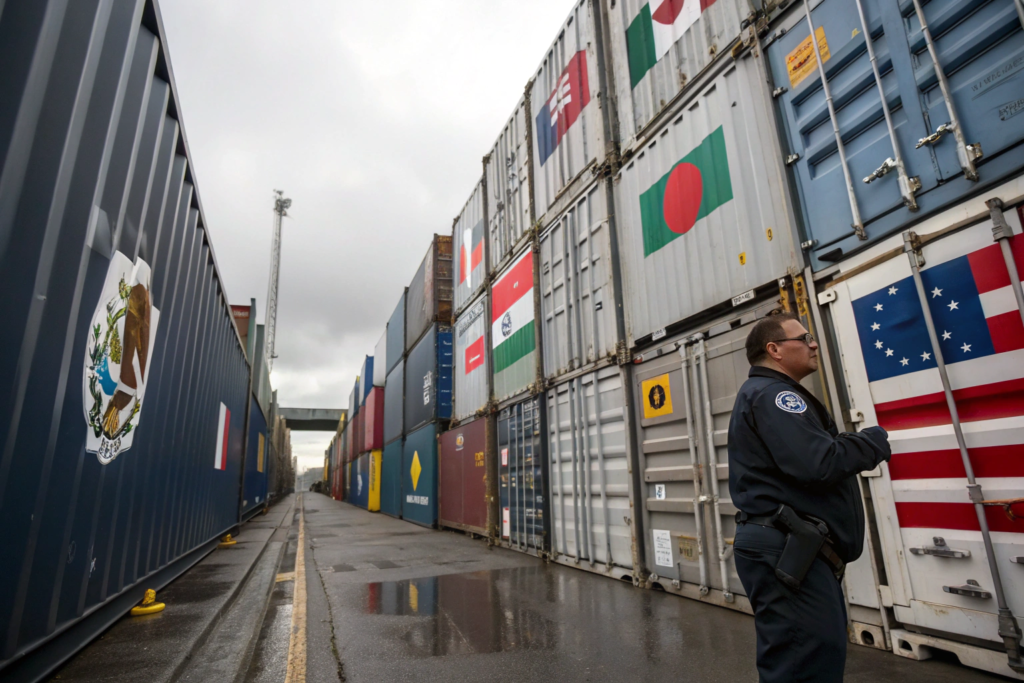
A question I hear often from clients, usually asked with a mixture of frustration and resignation, is "Why does this always happen to my containers from China?" There is an underlying suspicion that CBP singles out Chinese cargo unfairly. The reality is more nuanced. CBP does not target cargo based on nationality alone. They target cargo based on risk indicators, and Chinese-origin consumer goods, due to sheer volume and historical compliance patterns, simply trigger more of those risk indicators than goods from other countries.
U.S. Customs officials hold shipments from China more frequently due to heightened scrutiny on intellectual property rights compliance, antidumping and countervailing duty enforcement, textile transshipment concerns, the complexity of Section 301 tariff classifications, and the historically higher rate of documentation errors on invoices from smaller Chinese factories and trading companies.
The volume of trade between China and the U.S. is massive, and with that volume comes a statistically higher number of bad actors. For every thousand legitimate shipments, there are a handful of intentional misclassifications, undervaluations, and IP-infringing goods. CBP’s algorithm learns from every seizure and flags shipments that share characteristics with the bad ones. Additionally, the Section 301 tariff structure creates a built-in incentive for misclassification that CBP is actively looking for. If a product falls under a 25% tariff in one code and a 7.5% tariff in a neighboring code, CBP knows importers may be tempted to push the classification. They scrutinize these borderline classifications closely. Textiles and apparel face another layer of scrutiny. CBP actively polices transshipment, which is when Chinese-made garments are shipped through a third country and falsely labeled as originating there to avoid quotas or tariffs. We understand these risk factors intimately. We prepare every Chinese-origin shipment with extra care, knowing it will face more scrutiny than a shipment from a lower-risk origin. We over-document rather than under-document. We provide clear, professional, and complete paperwork that answers the CBP officer’s questions before they are even asked.
How does intellectual property enforcement trigger holds on consumer goods?
CBP has the authority to detain, seize, and destroy goods that infringe on U.S. trademarks, copyrights, or patents. If your shipment contains items bearing a protected brand logo without the rights holder’s authorization, CBP will hold and likely seize the goods.
This is a major risk for gift and accessory importers. If you source a fashion scarf that bears a pattern similar to a registered trademark, even if you did not realize it was protected, CBP will hold the shipment. The rights holders often record their trademarks with CBP’s e-Recordation program. CBP officers at the port are trained to spot these marks. If they suspect an infringement, they detain the goods and notify the trademark owner. The owner then has a period to confirm whether the goods are genuine or counterfeit. If counterfeit, the goods are destroyed, and you may face a fine. We protect our clients by advising them to avoid products that carry any unlicensed logos, characters, or distinctive design elements that could be protected IP. If a client is unsure, we recommend they obtain a letter of authorization from the brand owner before shipping. This letter is filed with the entry package and can preempt a hold. We cannot file an entry for goods we know are counterfeit, and we do not. The risk to our bond and our brokerage license is too great, and the risk to your business is greater.
What role do antidumping duties play in customs holds on Chinese imports?
Antidumping and countervailing duties are additional tariffs imposed on specific Chinese products that the U.S. Department of Commerce has determined are being sold below fair market value or benefiting from unfair government subsidies. These duties can be hundreds of percent and apply to very narrow product categories.
Products like certain types of ceramic tile, steel racks, wooden bedroom furniture, and specific textiles have active AD/CVD orders. If your product falls within the scope of an AD/CVD order, you must declare it with a specific case number on the entry, and CBP will assess the additional dumping duties. If you fail to declare, or if you misclassify the product to avoid the AD/CVD scope, CBP will place a hold when they detect the potential match. These holds are serious and lengthy. The additional duty bill can exceed the value of the goods themselves. Our customs brokers are trained to identify AD/CVD scope issues immediately. If a client sends us a product description that sounds like it could be within a scope, we research the Commerce Department’s scope language and make a determination. We never file an entry that ignores a potential AD/CVD order. We would rather have a difficult conversation with a client before shipping than a disastrous conversation after a CBP hold and a duty bill that bankrupts the shipment.
What Is the Step-by-Step Process GeeseCargo Follows When a Hold Occurs?
When the system pings with a hold notification, we do not assign it to a junior clerk to handle when they get around to it. We have a defined escalation protocol that kicks in immediately. Time is the most expensive component of a customs hold. Every hour of storage, every day of delayed delivery, every missed retail appointment costs real money. Speed of response is our primary weapon against those costs. I have drilled my team on this protocol until it is muscle memory.
GeeseCargo’s step-by-step hold response process follows five stages: immediate diagnosis and client notification, direct engagement with the CBP officer or PGA contact, document retrieval and correction, exam coordination if applicable, and continuous tracking until the hold is formally released and the cargo is dispatched for final delivery.
The moment a hold appears in the ACE system, our customs brokerage team receives an automated alert. Stage one is diagnosis. The assigned broker opens the entry file and reads every note, code, and agency message attached to the hold. Within 30 minutes, they write a summary for the client explaining the hold type, the likely cause, the estimated resolution time, and any costs that may accrue. We send this summary by email and, for urgent holds, follow up with a phone call. Stage two is engagement. Our broker calls the CBP port’s import specialist or the relevant PGA agency desk directly. We introduce ourselves, provide the entry number, and ask what information or action is needed to resolve the hold. This personal contact is critical. It turns a faceless electronic hold into a conversation between professionals. Stage three is resolution. We gather the required documents, whether it is a corrected invoice, a factory certification, a test report, or a legal classification memo. We submit these through the appropriate portal and confirm receipt. Stage four, if the hold involves a physical exam, is logistics. We dispatch our port agent to the exam site, coordinate the container movement, and manage the exam process as I described in a previous article. Stage five is release and delivery. The moment the hold is lifted and the entry is released, our trucking dispatch is notified and the delivery process begins without a moment of delay.
Who from GeeseCargo contacts CBP and what do they say?
This role falls to our licensed customs brokers, not a customer service representative or a salesperson. A customs broker has a legal license issued by CBP and the professional standing to discuss entry details with a CBP officer on an equal professional footing.
When our broker calls the CBP import specialist, the conversation is structured. The broker identifies themselves by name, broker license number, and company. They reference the entry number and the CBP hold notification reference. They state clearly that they are calling to understand the basis for the hold and to provide any information needed to resolve it. The tone is collaborative, not confrontational. CBP officers are doing a job. They are enforcing laws. Our job is to demonstrate that our client’s shipment is fully compliant with those laws. A professional, respectful conversation often yields useful information. The officer may explain exactly which data field triggered the concern. They may say, "The invoice value seems low for this product quantity," or "The fiber content declaration doesn’t match the sample image in your product catalog." With that specific feedback, we can target our response precisely. We correct the specific issue and resubmit. We do not fire off a generic letter and hope. We solve the stated problem.
How is the client kept informed during the hold resolution process?
A customs hold is stressful for the importer. Silence makes it worse. We have a policy of proactive updates. The client does not have to chase us for information.
After the initial diagnostic summary, we send a status update every morning, even if the update is "no change, still waiting for CBP review." If we receive a communication from CBP, we relay the substance to the client within an hour. If the client needs to provide information, we tell them exactly what is needed and why. We also provide realistic timeline estimates. An FDA hold may take three to five business days to review. An intensive exam may take seven to ten days. We set these expectations honestly so the client can communicate with their own buyers. If the delay threatens a critical delivery date, we work with the client on contingency plans. Can we partial the entry, releasing the non-held cargo? Can we arrange a premium trucking service to recover time after release? The client never faces the hold alone. They have our entire team working the problem with them.
How Can You Prevent Your Shipments from Being Held by Customs Again?
After the stress and cost of a customs hold, every client asks the same question. "How do I make sure this never happens again?" The answer is not to avoid importing from China or to stop shipping certain products. The answer is to change the processes at the front end so that the shipment arrives at the U.S. border already pre-cleared in every meaningful sense. Customs clearance is won or lost before the container leaves the factory. I have seen importers transform their compliance record from problematic to perfect simply by adopting the pre-shipment disciplines we recommend.
You can prevent future customs holds by implementing a pre-shipment document audit with your freight forwarder, standardizing your product descriptions and HTS codes across all suppliers, ensuring all PGA certificates are current and on file before booking, and using a forwarder that files complete and accurate ISF and entry data well in advance of arrival.
Prevention is a system, not a one-time fix. At GeeseCargo, we work with our regular clients to build a compliance profile for their product lines. We classify each product once, definitively, and we store that classification in our system. Every future shipment of that product uses the pre-approved HTS code, the pre-approved commercial invoice template, and the pre-verified PGA certificate file. The factory simply fills in the quantity and the shipping date. This eliminates the most common cause of holds, which is inconsistency from one shipment to the next. We also conduct periodic audits of our clients’ supplier documentation. Chinese factories may change material sourcing or production methods without informing the buyer. A garment that was 100% cotton last season might be a cotton-poly blend this season. If the invoice still says 100% cotton and CBP tests a sample, that is a hold and a penalty. We catch these changes by reviewing updated spec sheets and comparing them to the filed entry data. Prevention is an ongoing discipline, but it is infinitely cheaper than the cure.

How does a pre-shipment document audit work in practice?
A pre-shipment document audit means that before the container is stuffed, every piece of paper that will be filed with CBP is reviewed by our customs team for completeness, consistency, and compliance. Nothing is left to chance.
The audit process begins when the client sends us the draft commercial invoice and packing list from the factory. Our team checks the seller and buyer names against the import bond. We check the product descriptions against our pre-approved HTS classification library. We confirm the country of origin is stated. We verify the Incoterms match the freight arrangement. We check the packing list for piece counts, carton counts, and weights that sum correctly. We confirm that any PGA certificates required are in our system and have not expired. If we find any issue, we flag it and request a correction from the factory before the cargo is loaded. The factory issues a revised invoice. We approve it. Only then does the container get stuffed and the ISF get filed. This process adds perhaps one business day to the pre-shipment timeline, but it saves an average of five to ten days of customs hold time at the destination. It is one of the highest-return investments of time in the entire logistics chain.
What role do importer self-audits play in long-term compliance?
CBP has a program called Importer Self-Assessment, or ISA, for importers who want to take direct responsibility for their compliance. Even if you are not formally in the ISA program, adopting its principles will reduce your hold rate dramatically.
An importer self-audit means you periodically review your own customs entries, not as CBP sees them, but as an auditor would. You pull a sample of past entries and check the HTS codes against the actual products received. You check the declared values against your payment records. You check that PGA certificates on file match the products imported. We assist our clients in conducting these self-audits. We can pull their entry history and walk through a random sample together. If we find an error, we discuss whether a prior disclosure to CBP is warranted. A prior disclosure is a voluntary notification of an error before CBP discovers it. It limits the penalty exposure and shows good faith. Importers who conduct regular self-audits and file prior disclosures when needed build a strong compliance reputation with CBP. That reputation translates into fewer holds, fewer exams, and lower bond requirements. It is the long game, and it is the game that professional, reliable importers play.
Conclusion
The Dallas distributor whose panicked phone call I described at the beginning of this article had his container released three days after he called us. The hold was a documentary discrepancy. His previous broker had filed the entry with a vague product description, and CBP’s import specialist wanted a detailed breakdown. We provided it within four hours. The specialist reviewed it the next morning and released the entry. The distributor made his delivery window by one day, and his retail buyer never knew there was a problem. That outcome is what we aim for on every hold. A silent resolution that protects your business relationships.
A customs hold is a test. It tests your documentation, your compliance systems, and most of all, it tests your freight forwarder. When the cargo is stuck and the clock is ticking, you need more than a rate sheet. You need a team that knows the ports, knows the officials, knows the regulations, and knows how to move fast. At GeeseCargo, we have built that team. We have the in-house brokers, the port agents, the PGA specialists, and the communication protocols to turn a customs hold from a crisis into a manageable process with a known outcome.
If you have experienced a customs hold and felt abandoned by your forwarder, or if you want to make sure you never experience that feeling in the first place, I invite you to reach out to me directly. Tell me about your current import volume and the compliance challenges you face. I will assign our customs team to do a free entry review of your last three shipments. We will identify any gaps and show you exactly how we would manage the clearance differently. Your shipments deserve a forwarder who responds to a hold with action, not excuses. That forwarder is GeeseCargo.