Every Monday, my phone rings with the same problem. A business owner in the U.S. just received a freight quote that threw their entire quarterly budget out the window. They feel stuck, frustrated, and are worried their landed costs will kill their profit margins long before the goods even hit the warehouse. The ocean freight market feels like a trap with no way out.
You can cut your ocean freight costs by 15% to 30% in 2026 without sacrificing speed or safety, simply by restructuring your logistics strategy with a partner who owns the process on both sides of the Pacific. I know this because I’ve done it for dozens of American importers shipping clothing, accessories, and giftware from China.
At GeeseCargo, we don’t just book a container and hope for the best. We physically manage the tough parts that drive up costs: the port congestion, the tariff classification errors, and the last-minute demurrage fees. This article isn’t a generic guide. It’s a look into how my team and I help owners like you protect your bottom line from the factory floor in Shenzhen to your warehouse in Los Angeles. Stay with me, and I’ll show you exactly where your money is leaking and how we stop it.
How to Negotiate the Best FCL Ocean Freight Rates in 2026
The anxiety of sending a rate request to five different forwarders is real. You wait days, only to get numbers that swing wildly by thousands of dollars. You don’t know if you are being ripped off or if the cheap quote means the carrier will roll your cargo the moment the ship gets full. It paralyzes decision-making.
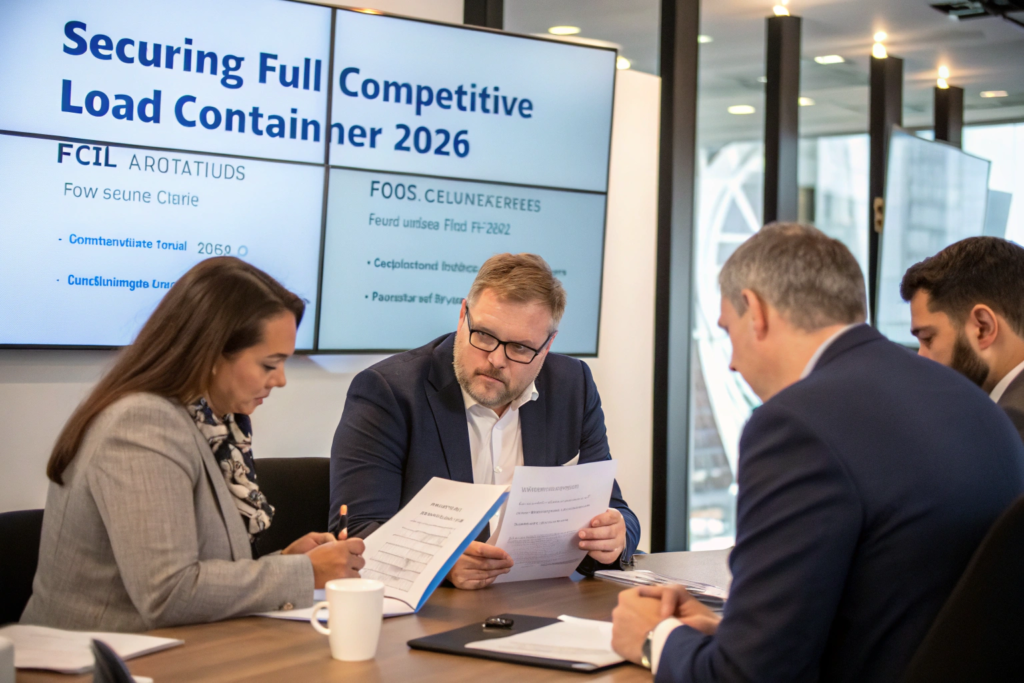
Securing competitive Full Container Load (FCL) rates in 2026 requires ditching the spot-market guessing game and entering a transparent partnership where you leverage consolidated buying power and multi-carrier strategy. You shouldn’t be negotiating alone against shipping giants; you need a buffer.
Most buyers think the secret is just to push for a lower number on the invoice. The real saving happens when you stop reacting and start planning. I want to break down how we shift from a panic-driven pricing model to a stable cost model. Let me show you why the "cheapest" rate is often the most expensive mistake you can make.
Why Do Spot Rates Fluctuate So Much on the China-USA Route?
I remember the volatility of 2024 and 2025 like it was yesterday. An imbalance in container availability in Shanghai can double your freight rate overnight. When a large American retailer cancels orders, vessels get blanked. Capacity drops instantly, and spot rates spike. At GeeseCargo, we don’t let our clients ride this wild wave unprotected. We utilize a mix of fixed-term contracts with top-tier ocean carriers and pre-allocated space agreements, especially during peak season.
The shipping industry is driven by fear and greed. When the market panics, rates jump. We analyze the China Containerized Freight Index (CCFI) data trends weekly to advise you on whether to ship now or wait a week. By analyzing the Shanghai Containerized Freight Index trends and booking with multiple core carriers, we often secure a spread that saves our clients money when others are paying over market just to get on a vessel. This data-driven approach stops you from paying a "panic premium."
How Can Long-Term Contracts Stabilize Your Logistics Budget?
Fixed pricing brings peace of mind. I often tell my clients that a spot quote is gambling, but a long-term contract is an investment in stability. We negotiate annual or quarterly rate agreements based on your predicted volume. If you are moving 20 containers a month of clothing and accessories from Guangdong to the West Coast, we don’t treat you like a one-off booking.
We lock a portion of your volume at a flat rate. When the market spikes, your base cost stays grounded. We protect your margins by assigning dedicated service through contracts that cover specific baseline allocations, ensuring space is available even when the market is overbooked. The key is to work with a freight forwarder who shares these master agreements with clients rather than simply buying from a public marketplace like the Freightos Baltic Index every week, which guarantees you a ceiling, not just a prayer.
How to Avoid Shipping Delays from Major Chinese Ports to the US
There is nothing worse than refreshing the tracking page to see "Held at Port" for days. Every hour that inventory sits idle is an hour you aren’t selling. For my clients in the clothing business, fashion seasons are brutal. A two-week delay can mean the difference between a full-price sale and a clearance rack disaster.
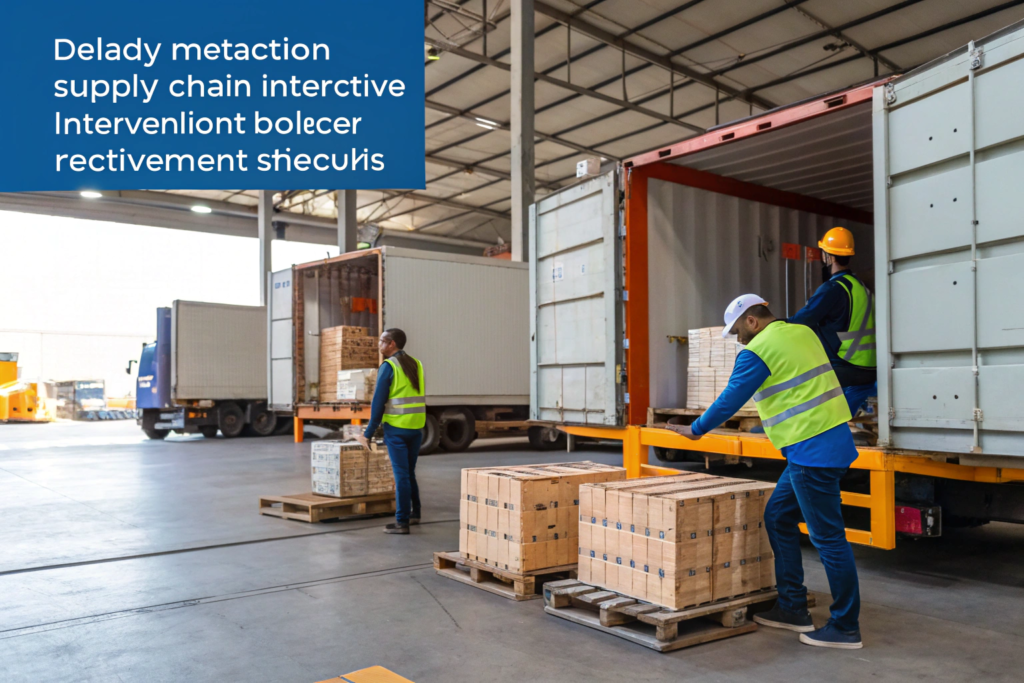
Proactive delay mitigation means treating your supply chain as a living timeline, where we physically intervene before the bottleneck happens, rather than reacting to an email after the vessel has already left without your boxes. Speed isn’t just about the ship’s velocity.
It’s about the invisible half of the journey that most forwarders ignore. You might think the ship is the slow part, but in 2026, the origin handling and transshipment nodes are the real threats. Let’s look at how we keep the gears turning.
What Causes Cargo “Rolling” During Peak Shipping Season?
Cargo rolling feels like a betrayal. The container is at the terminal, but the ship sails empty. This happens because carriers overbook vessels, and when volume surging hits, they prioritize their highest-paying customers or direct contract holders. If your freight forwarder is just a middleman without direct carrier status, your cargo sits at the bottom of the priority list.
At GeeseCargo, our physical presence at major ports like Ningbo and Shanghai allows us to monitor terminal thresholds 72 hours before cutoff. We use our direct relationship with COSCO and alliances to ensure that essential shipments are protected from being rolled. We constantly check the North Europe to North America (TA) trade lane updates to predict ripple effects that could block transshipment hubs, ensuring your cargo is booked on a vessel with historical reliability data, not just a cheap rate.
How Do Rail-Born Containers Reduce West Coast Congestion?
Port congestion in Los Angeles or Long Beach is a bottleneck that many importers just accept. I tell my clients to stop accepting it. We reroute a significant volume through a "sea-rail" hybrid model. Instead of dumping a container on a chassis at a gridlocked LA terminal, we sometimes utilize U.S. East Coast entry points or direct rail discharge.
By working with our partners, we clear customs immediately and put the container on a Union Pacific intermodal train. A container arriving in Long Beach can be on a train to Chicago or Dallas within 48 hours, completely bypassing the drayage shortage at the marine terminal. This cuts the final-mile delivery time drastically, ensuring that even with a slow ocean transit, the door-to-door speed for your accessories and gifts remains competitive.
How to Legally Minimize U.S. Tariff Costs on Chinese Clothing and Gifts
The paperwork is the part everyone hates. It feels like a technicality until Customs and Border Protection assesses a duty rate that you didn’t factor into your costs. Suddenly, a profitable shipment of giftware turns into a loss. The fear of an audit is paralyzing, and the confusion over HTS codes is frustrating.
You can legally slash your duty burden by shifting from broad classification to a surgical audit of every Harmonized Tariff Schedule code assigned to your products, utilizing duty-saving provisions that mass-market freight forwarders overlook. Paying the wrong tariff is just a voluntary tax on your business.
The tax code for imports is not a flat fee; it’s a maze full of loopholes that are perfectly legal to use. I want to open the books a little and show you how a deep-dive into your product materials can save you a fortune.

Are You Using the Correct HTS Codes for Your Apparel Products?
This is where I see nine out of ten clothing shippers lose money. They classify a woman’s blouse broadly under a generic code. But did you know that the fiber content—cotton versus man-made fiber versus silk—drastically changes the duty rate? A silk blouse can have a different tariff compared to a polyester one, and mixing materials require a careful calculation to determine which fiber carries the highest duty rate for classification.
My team sits down with your factory samples, or we request detailed composition sheets. We don’t just guess the code; we file a binding ruling request if necessary. We verify the construction of the garment, including whether it’s knitted or woven, which is a primary factor in the Harmonized Tariff Schedule classification. A small shift from "woven" to "knit" in classification logic (where accurately applicable) can save you 5% to 10% in duty costs, legally and sustainably.
What Is the Role of “De Minimis” in Reducing Import Fees?
Section 321 de minimis entry is a game-changer, but large company buyers often think it doesn’t apply to them. If you are shipping e-commerce packages directly to your US warehouse, keeping individual entries under the $800 threshold means zero duties. But this is a high-risk, high-reward strategy that requires perfect filing.
We handle the aggregation rules to ensure your individual shipments don’t get "consolidated" by CBP into a single larger shipment, which would trigger duties. This is especially vital for smaller gift items. While freight forwarding requires bulk ocean transport, once you break it down for DDP door-to-door distribution using our warehouse network, we align with Section 321 Customs Border Protection entry guidelines to ensure we are not paying tariffs unnecessarily on small-batch redistributions across the country.
How DDP Door-to-Door Shipping Simplifies Complex Logistics for Wholesalers
You are a company owner, not a logistics manager. You shouldn’t need to call a trucker in Houston while managing a factory in Guangzhou and a customs broker in New York. The complexity of juggling three different vendors on opposite sides of the world drains your mental bandwidth and creates costly finger-pointing when something fails.
A true Delivered Duty Paid (DDP) service places 100% of the liability on the freight forwarder, giving you a single invoice for the entire journey and turning your supply chain into a predictable, line-item operating expense. You buy the product; we deliver it to your door.
You don’t ask Amazon who their last-mile delivery driver is going to be; you just expect the package. That is the standard we apply to full container loads. Let me explain why "door-to-door" is less of a service and more of a survival strategy in 2026.
Why Is DDP Riskier If You Don’t Control the Origin?
Most DDP quotes are fake. A forwarder in the U.S. gives you a "door-to-door" price but has zero staff in China. They are buying the export leg from a third party. If the Chinese trucker is late picking up your clothing from the factory in Yiwu, the U.S. forwarder doesn’t know about it until you scream at them.
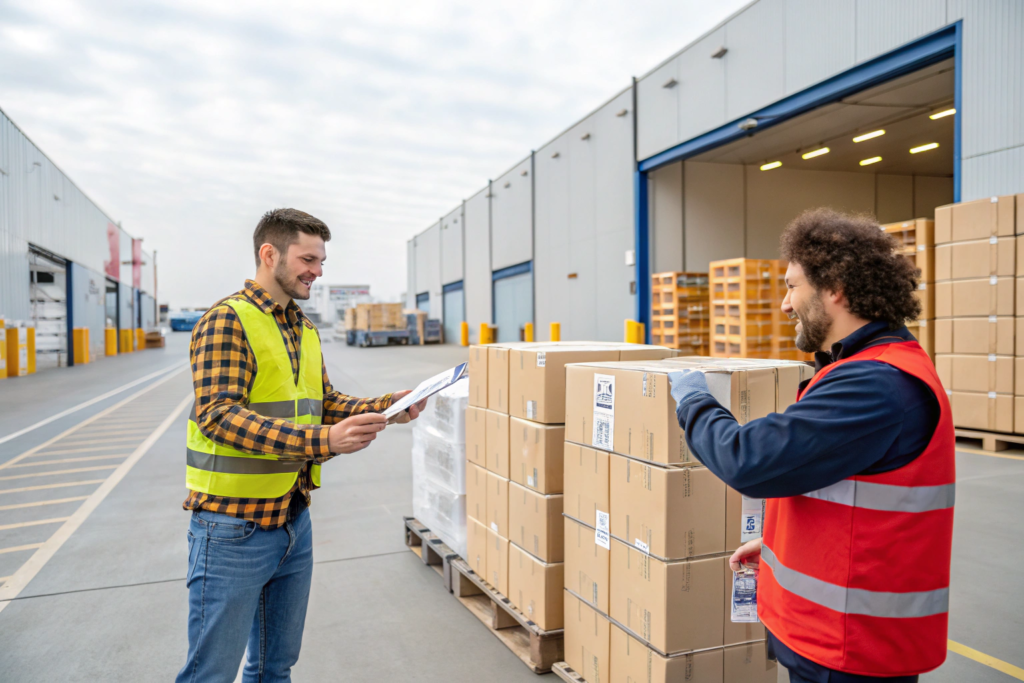
At GeeseCargo, we physically own the origin process. Our staff inspects the cargo during loading to ensure safe packing and correct labeling. We handle the Chinese export declaration directly, not through a subcontractor. This direct control ensures the accuracy of the documents so U.S. customs clearance doesn’t hit a wall. By controlling the origin trucking ourselves, we eliminate the gap that creates hidden demurrage fees.
How Does Unified Cargo Insurance Protect Your Full Value?
When you ship with multiple vendors, your insurance coverage often has a gap between the ocean carrier’s limited liability and your warehouse’s policy. If a container of accessories falls off the train or a pallet of giftware is stolen, the standard kilo-based compensation from carriers won’t cover your retail value.
Our DDP service includes an unbroken chain of cargo insurance that values the goods at the commercial invoice value, not just weight. We partner with top-tier insurers to offer this as a seamless part of the landed cost. This ensures that all-risk coverage, which you can learn more about through industry cargo insurance standards, is active from factory floor to your stockroom. A unified policy means one call, one claim, and zero disputes between a trucker and a shipping line about who dropped the box.
Conclusion
The market in 2026 will punish inefficiency harder than ever before. Freight is not just a line item; it is the glue that holds your relationship with your American customers together. If your goods don’t arrive on time, at the price you promised, you lose credibility. You can’t afford to let an outdated logistics strategy erode your profits.
At GeeseCargo, I have structured our services to meet the specific needs of large-scale buyers dealing in clothing, accessories, and gifts. We don’t try to ship everything for everyone. We focus on the China-to-USA trade lane, and we master it. From using strategic contracts to neutralize spot-market panic, to physically expediting your cargo out of congested ports, to surgically auditing your tariff codes, our goal is to build a protective wall around your bottom line.
The era of waiting for a quote and praying for a sailing date is over. You need a professional, reliable partner who treats your cargo with the same urgency that you treat your customers. Whether you need FCL shipping, air freight, rail & road freight, or a fully managed DDP door-to-door service, we are here.
Stop fighting fires. Visit our website at https://geesecargo.com/ and let’s talk about locking in a stable, competitive supply chain that moves as fast as your business does.