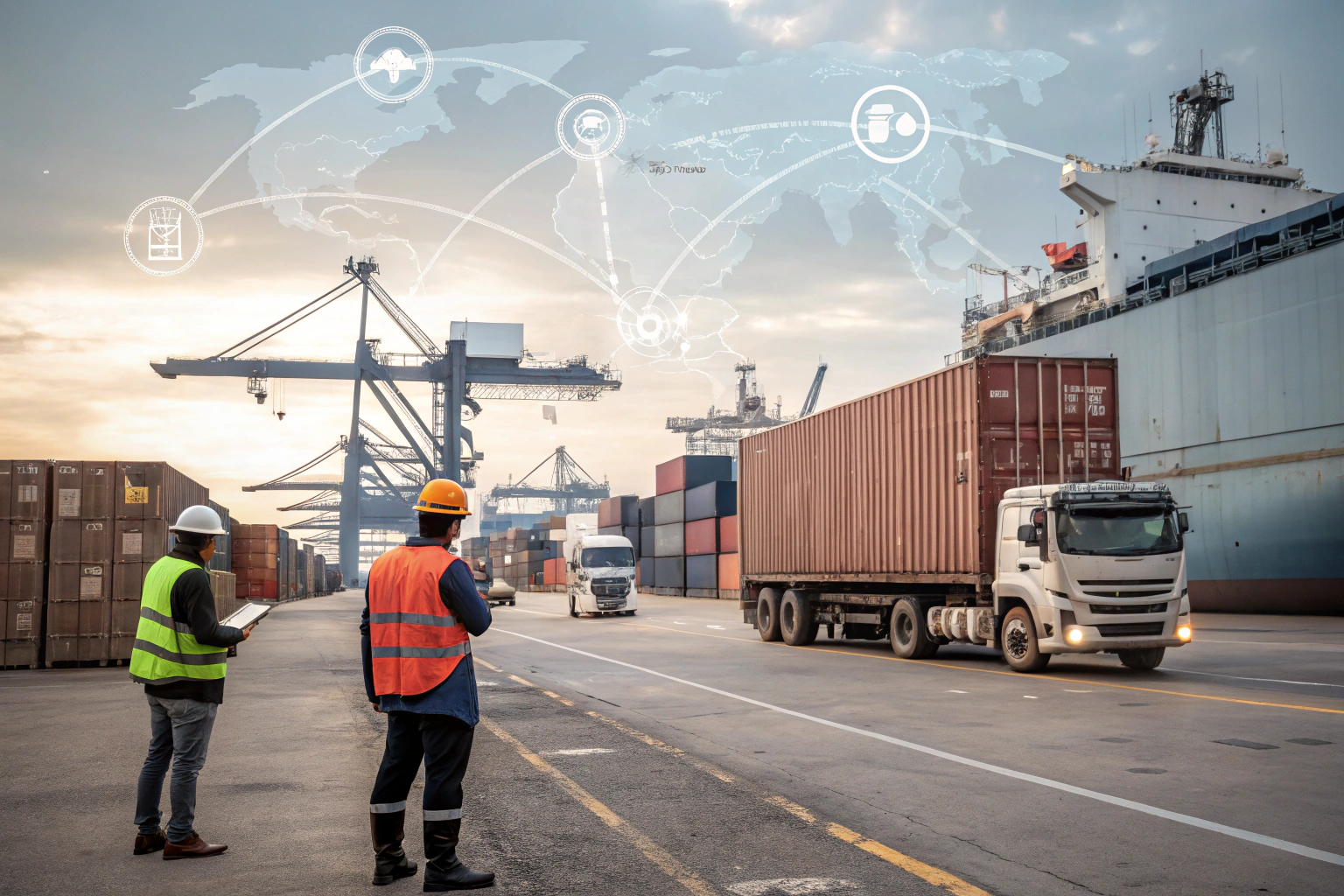
For businesses importing from China to the U.S. or Europe, frequent shipments are part of daily operations. But managing carriers, customs, and delivery schedules can be complex. Importers like Ron need stability and predictability to keep supply chains running smoothly.
Freight forwarders support frequent shipments by improving efficiency, lowering costs, ensuring consistency, and providing full visibility.
At GeeseCargo, we handle every detail so that businesses can focus on growth while their shipments move without disruption.
How Do Freight Forwarders Improve Efficiency?
Frequent shipping cycles require streamlined processes.
Forwarders centralize bookings, documents, and schedules, keeping goods moving without delays.

How do forwarders save time?
They manage booking, documentation, and customs clearance for each shipment. U.S. Customs and Border Protection explains how proper filings reduce processing times.
Can forwarders manage multiple shipments at once?
Yes. With digital systems, they coordinate several shipments simultaneously. FIATA highlights how forwarders are trained to oversee complex logistics flows.
How Do Freight Forwarders Lower Costs?
Handling frequent shipments individually often raises costs.
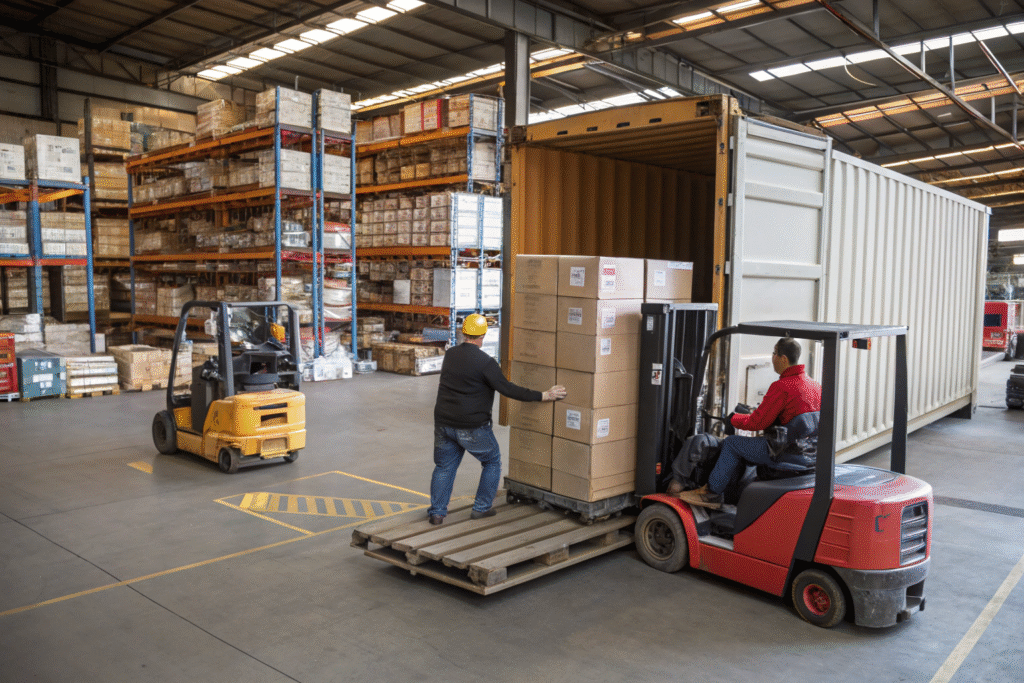
Forwarders reduce expenses by consolidating cargo, negotiating competitive rates, and selecting efficient routes.
Why is consolidation important?
Combining shipments into FCL (Full Container Loads) lowers cost per unit and moves cargo faster than LCL (Less-than-Container Loads). The World Shipping Council highlights the efficiency of FCL.
How do forwarders negotiate better prices?
Because of high volumes, forwarders gain leverage with carriers. Freightos shows how forwarders secure lower rates for frequent importers.
How Do Freight Forwarders Ensure Consistency?
Consistency is critical for businesses shipping regularly.
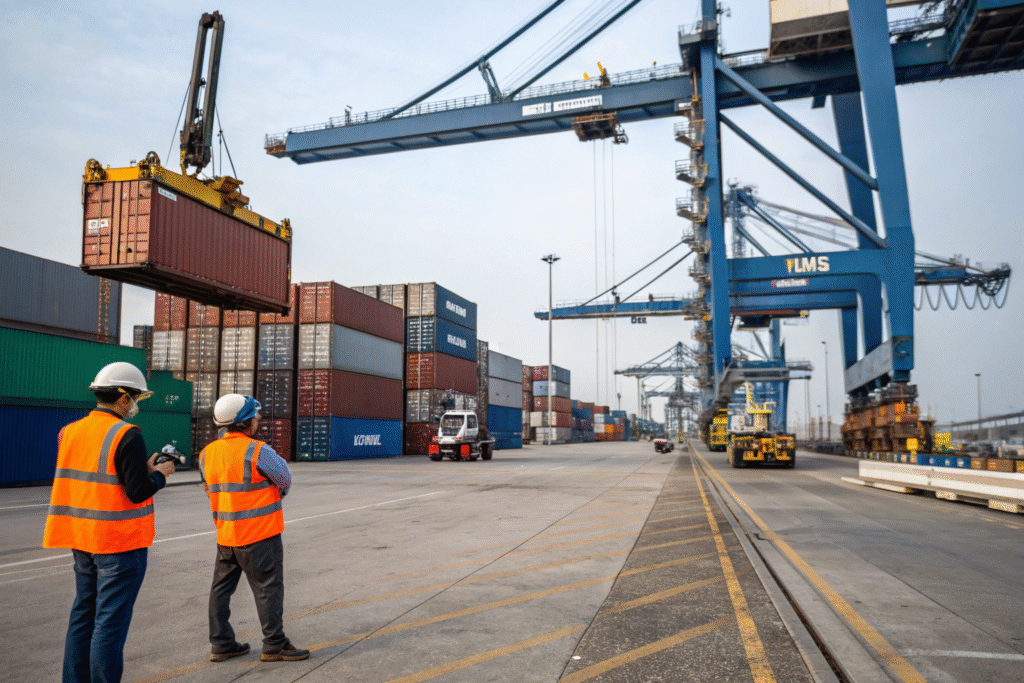
Forwarders build stable supply chains by relying on strong carrier agreements and proactive problem-solving.
How do partnerships improve consistency?
Carrier agreements guarantee space and reduce rollover risks. Journal of Commerce reports on how forwarder-carrier ties maintain reliability.
How do forwarders manage disruptions?
They quickly respond to congestion, weather, or customs issues to keep cargo moving. Trade.gov details compliance practices that minimize delays.
How Do Freight Forwarders Provide Visibility?
Visibility across multiple shipments is essential for planning.
Forwarders give importers access to real-time tracking, predictive alerts, and detailed reporting.

Why is visibility valuable?
It helps importers align warehouse operations and inventory schedules. MarineTraffic offers vessel tracking that many forwarders integrate.
Do forwarders offer proactive alerts?
Yes. Predictive tools notify importers of potential delays and suggest alternatives. FourKites demonstrates how visibility strengthens supply chain resilience.
Conclusion
Freight forwarders are essential partners for businesses managing frequent shipments. They streamline processes, cut costs, provide consistency, and deliver visibility across multiple cargo flows. For importers shipping from China to the U.S. or Europe, GeeseCargo offers the stability and efficiency needed to keep supply chains reliable and competitive.