The fashion sector depends on rapid response, precise timing, and strict seasonal schedules. For retailers and brands, shipment delays can be damaging, as consumer tastes shift quickly and replenishment cycles must remain short. Bringing in garments and accessories from overseas involves complex hurdles, ranging from detailed customs requirements to fragile global supply chains. This raises an important issue: why should fashion enterprises place their trust in freight forwarders when managing imports?
Forwarders bring critical knowledge to fashion logistics by safeguarding timely arrivals, offering adaptable transport choices, handling customs procedures, and advancing sustainable practices. Their involvement allows apparel companies to follow fast-changing markets while lowering potential risks.
This discussion outlines the reasons forwarders have become vital partners in fashion logistics, with a focus on punctuality, compliance, adaptability, and sustainability.
Why Is Timeliness Vital for Fashion Imports?
Fashion cycles are short-lived, and late deliveries often translate into unsold products. Interruptions in imports disrupt new collection launches, seasonal rollouts, and promotional campaigns.
By coordinating multiple transport modes, tracking goods continuously, and arranging alternatives when disruptions happen, forwarders help apparel shipments arrive on time.
Such planning enables brands to align supply with consumer demand while avoiding costly inventory gaps.

How Do Seasonal Deadlines Impact Fashion?
Collections must be delivered before launch events. Missing those dates can lead to serious financial setbacks.
Forwarders collaborate with logistics providers such as DHL and Kuehne+Nagel to keep shipments synchronized with retail calendars.
Why Are Backup Options Important?
When strikes, port congestion, or weather disruptions appear, forwarders quickly adjust to alternative routes or modes. This flexibility ensures time-sensitive apparel shipments remain on schedule.
Tools like Project44 assist with real-time rerouting.
How Do Forwarders Guarantee Compliance in Fashion Imports?
Importing textiles involves rigorous oversight, from labeling obligations to safety checks. Mistakes in customs paperwork or tariff classification may cause penalties or extended delays.
Freight forwarders ensure compliance by preparing precise documents, verifying product categories, and working closely with customs brokers.
Their expertise ensures apparel shipments meet domestic and international standards.
Which Documents Are Essential in Fashion Logistics?
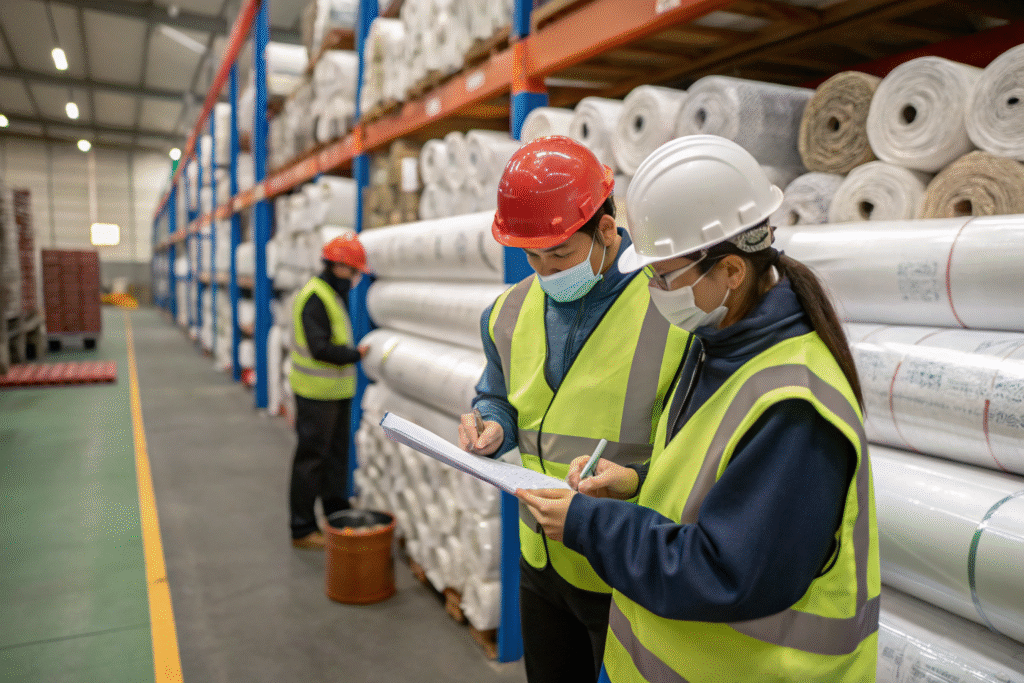
Key documents include certificates of origin, packing lists, and labeling records. Errors or missing information often delay clearance.
Authorities such as U.S. Customs and Border Protection publish detailed requirements for clothing imports.
Why Do Brokers Enhance Compliance?
Brokers serve as intermediaries who secure accurate tariff coding and avoid costly filing mistakes.
Companies like Expeditors provide dedicated compliance services that allow apparel shipments to pass smoothly through customs.
How Do Forwarders Add Flexibility to Fashion Supply Chains?
Fashion retailers require logistics solutions that can adjust to different shipment sizes, sudden replenishment needs, and diverse sourcing locations.
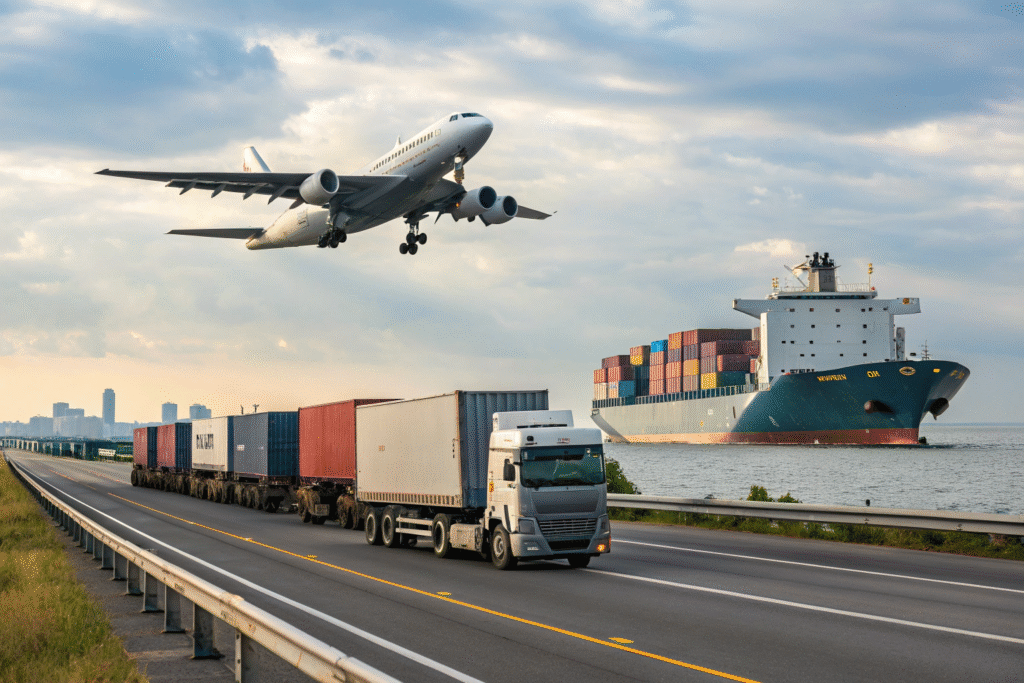
Forwarders deliver multimodal strategies—air for speed, ocean for bulk shipments, and rail or road for regional distribution.
This adaptability enables brands to balance delivery speed with cost efficiency.
How Does Air Freight Meet Urgent Fashion Needs?
Fast fashion relies on speed. Air transport makes sure limited-edition lines and emergency replenishments reach stores without delay.
Airlines like Lufthansa Cargo provide fast apparel shipping across continents.
Why Is Ocean Freight Useful for Large Shipments?
For bulk clothing orders, ocean freight is far more economical despite longer transit times. Forwarders often integrate sea transport with trucking for efficient inland distribution.
Carriers such as CMA CGM offer scalable shipping services for large-volume apparel imports.
How Do Forwarders Encourage Sustainable Fashion Logistics?
Sustainability has become a top priority for apparel brands aiming to reduce carbon emissions while maintaining delivery reliability.
Forwarders support this by choosing eco-friendly routes, consolidating shipments, and using digital tools to increase efficiency.
These approaches align logistics operations with the expectations of environmentally conscious consumers.

How Does Consolidation Help Cut Emissions?
Combining multiple orders into a single container maximizes space usage and lowers emissions.
Programs such as Smart Freight Centre promote carbon tracking and green logistics practices.
Why Is Sustainable Logistics Valuable for Brands?
Shoppers increasingly prefer eco-conscious labels. By working with forwarders, brands can showcase their commitment to green supply chains, improving both image and customer loyalty.
Reports from the European Environment Agency highlight that rail and sea transport remain the greener alternatives for long-distance freight.
Conclusion
Importing fashion goods requires precision, agility, and regulatory awareness. Freight forwarders fulfill this role by ensuring timely delivery, maintaining compliance, offering multimodal solutions, and advancing sustainability goals.
With professional support, fashion companies mitigate risks, hit seasonal targets, and adapt to evolving consumer demands.
In a rapidly changing fashion marketplace, partnering with skilled freight forwarders is not optional—it is a necessity for competitiveness and long-term growth.