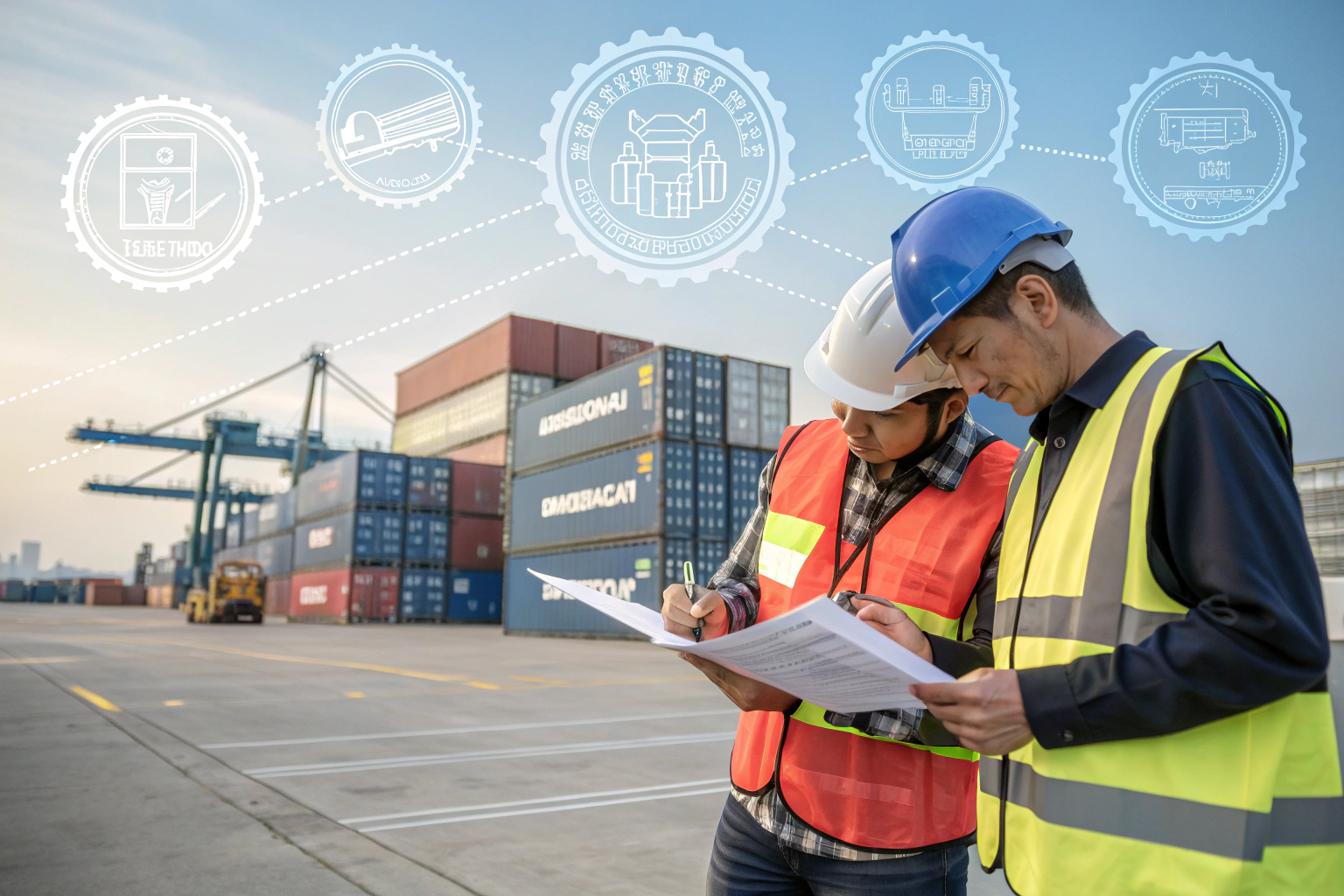
In global trade, a single paperwork error can hold up entire shipments. Importers like Ron, who source goods from China to the U.S., know delays from missing or incorrect documents lead to fees, lost sales, and unhappy customers.
Proper freight documentation is critical because it ensures compliance, speeds customs clearance, prevents penalties, and reduces shipment risks.
At GeeseCargo, we treat accurate paperwork as the foundation of smooth logistics.
What Documents Are Essential in Freight Shipping?
Every shipment requires a core set of documents.
Forwarders prepare and verify these forms to meet regulations at origin and destination.

Which are the key documents?
The bill of lading, commercial invoice, and packing list are required for clearance. U.S. Customs and Border Protection lists them as essential for imports.
Why must details match?
Mismatched data between documents can trigger holds. The World Customs Organization stresses consistency across all forms.
How Does Documentation Speed Up Customs Clearance?
Customs clearance depends on documentation quality.
Accurate, pre-filed documents shorten clearance times and reduce inspections.
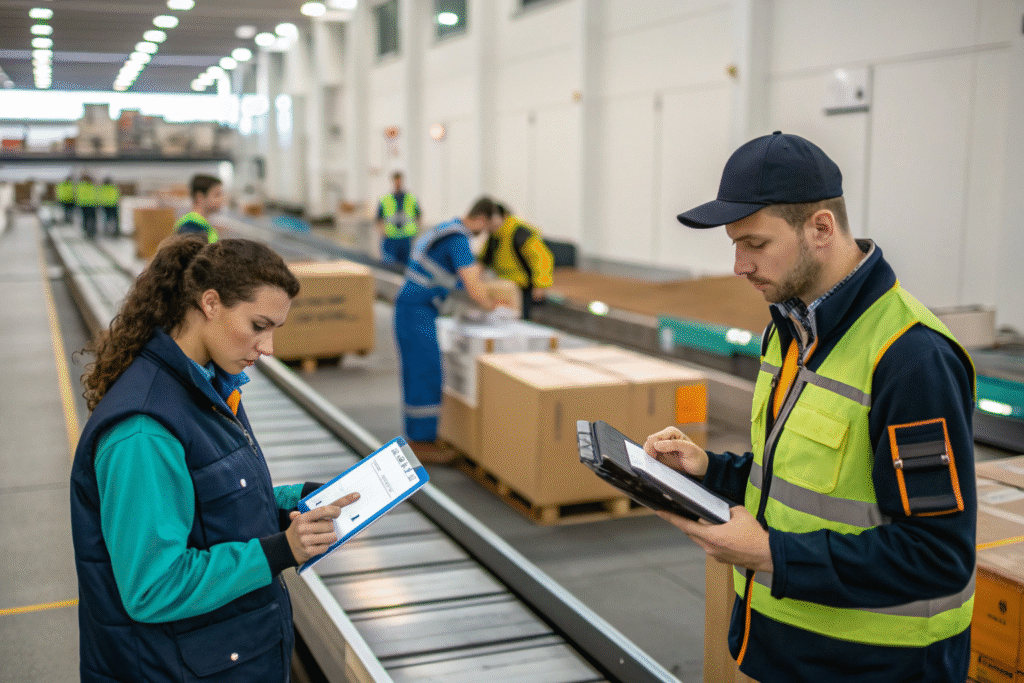
What is pre-filing?
Submitting documents before cargo arrives allows early review. The Automated Commercial Environment (ACE) speeds up this process in the U.S.
How do forwarders minimize inspections?
By using correct HS codes and product details, forwarders lower inspection risks. Trade.gov shares compliance guidelines.
Why Does Documentation Prevent Financial Risks?
Errors in paperwork often create extra costs.
Proper documentation prevents penalties, storage charges, and incorrect duty payments.
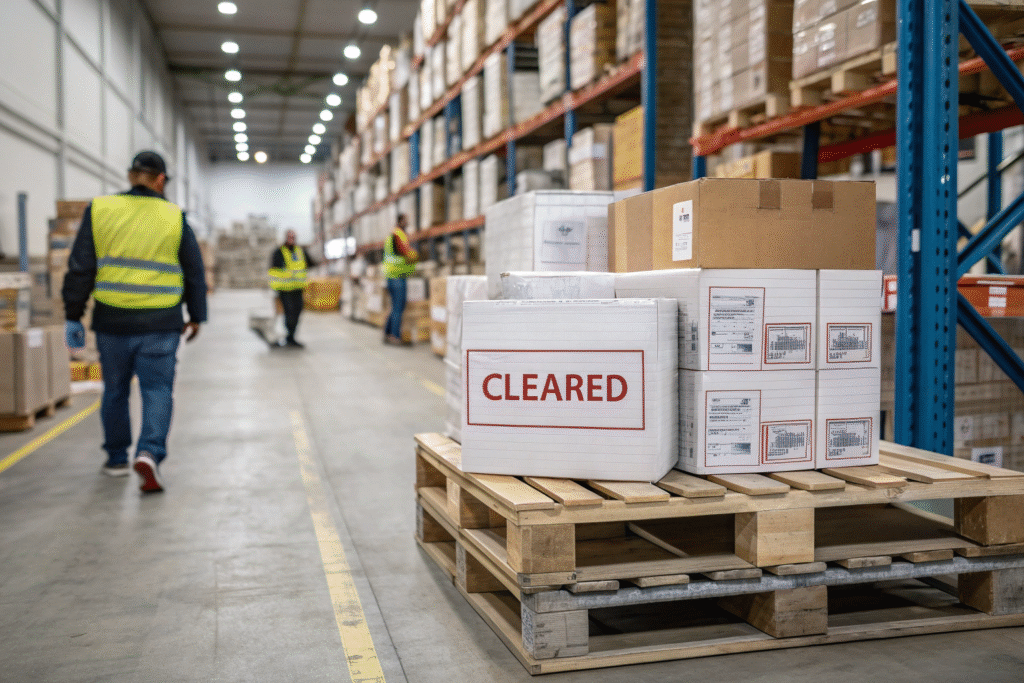
How do mistakes increase costs?
Delays can cause demurrage or detention fees. Freightos notes that inaccurate documents are a major reason for these charges.
Can duties be miscalculated?
Yes. Wrong HS codes or invoice values may lead to overpayment or fines. The International Trade Administration highlights the need for precise declarations.
How Does Documentation Reduce Operational Risks?
Proper records protect against disputes and strengthen supply chain trust.
Accurate paperwork supports insurance claims, ensures transparency, and keeps cargo secure.

Why is it vital for insurance?
Without correct documents, claims for lost or damaged cargo may be rejected. Allianz Trade links documentation directly to coverage.
How does it improve cooperation?
Consistent paperwork keeps shippers, carriers, and customs aligned. FIATA calls documentation the backbone of freight forwarding.
Conclusion
Proper freight documentation underpins successful logistics. It accelerates customs, prevents penalties, reduces costs, and builds supply chain reliability. For importers moving goods from China to the U.S., GeeseCargo ensures every form is correct and shipments arrive without unnecessary delays.