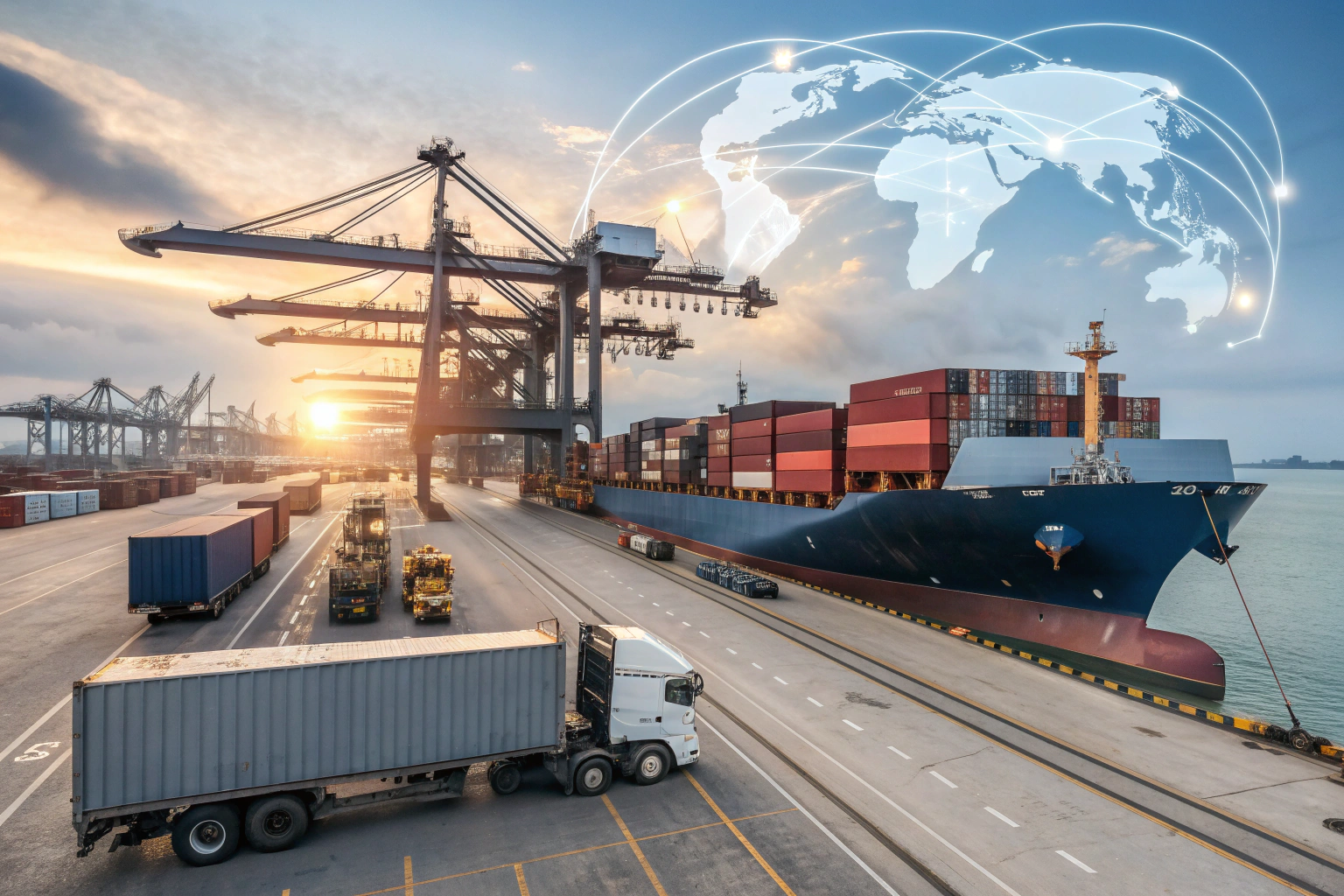
Choosing the right port is more than just a logistics decision—it’s a strategy that impacts costs, speed, and reliability. For businesses importing and exporting goods, port selection can determine whether shipments arrive on time or face costly delays.
Port selection is crucial for freight forwarding efficiency because it affects transit times, customs clearance, cost structures, and overall supply chain stability.
With years of experience managing shipments between Asia, Europe, and North America, I’ve seen firsthand how the right port choice saves time, reduces costs, and builds stronger supply chains.
Impact of Port Location on Transit Times
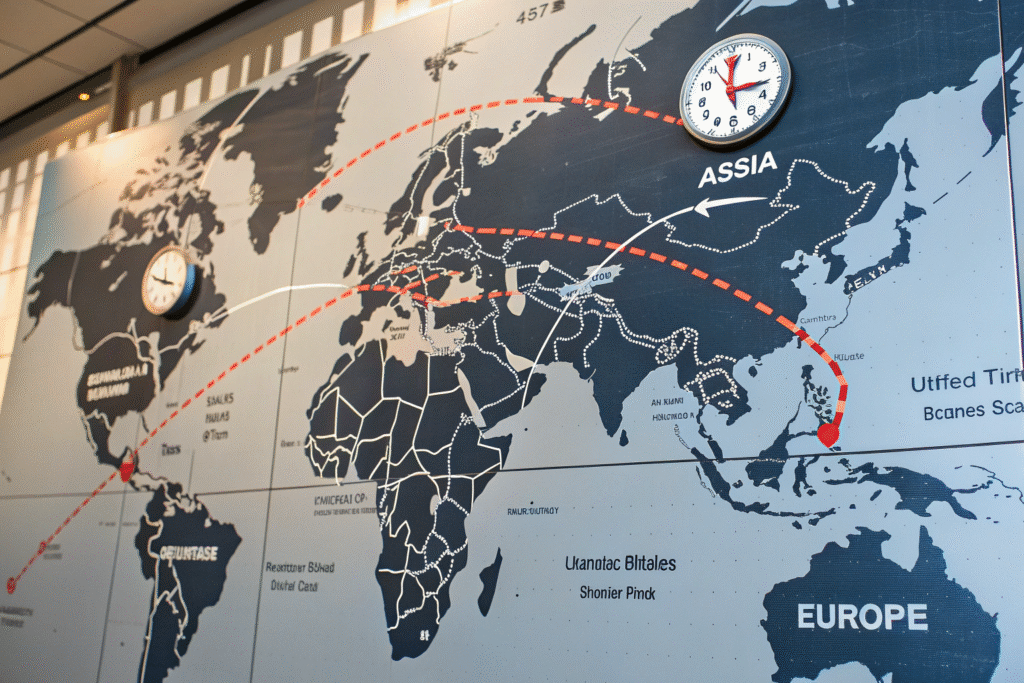
The geographic location of a port directly impacts delivery speed. Choosing a closer or better-connected port can shave days off transit times.
Ports with efficient connections to rail and road networks help freight forwarders reduce delivery times and improve service reliability.
Why does port location matter for efficiency?
The World Shipping Council notes that ports closer to major trade routes reduce vessel travel time. For example, using Los Angeles instead of inland U.S. entry points can significantly speed up Asian imports.
How do forwarders optimize port selection?
Freight forwarders analyze delivery destinations, carrier schedules, and inland transportation options. Platforms like CargoSmart provide data-driven insights to choose ports with minimal congestion and faster connections.
Customs Clearance and Regulatory Considerations
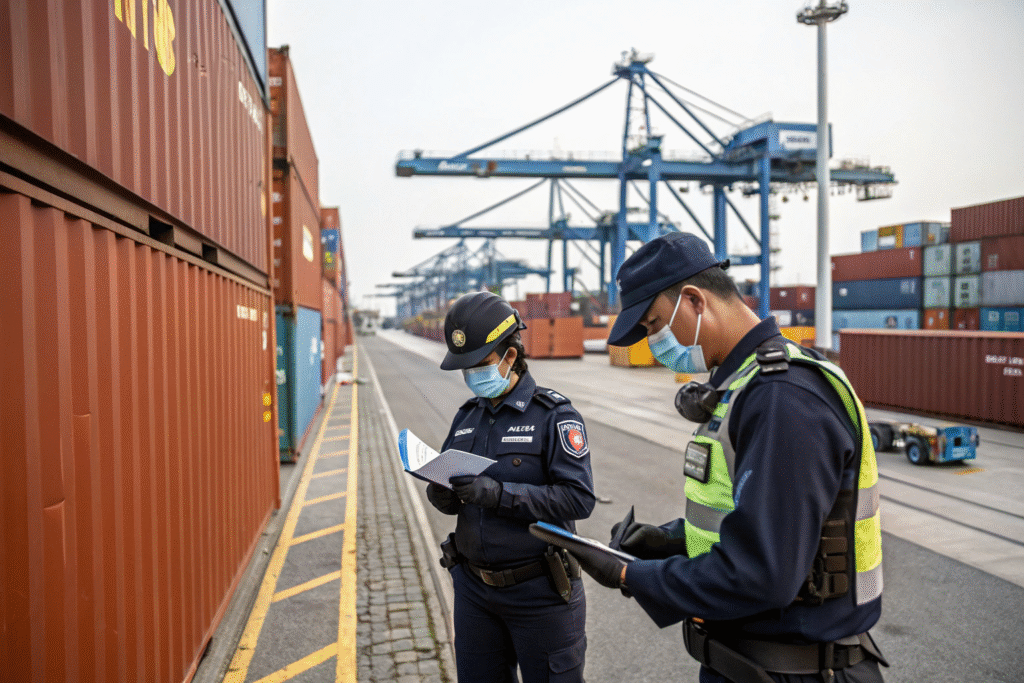
Each port has different customs procedures, inspection rates, and efficiency levels. Choosing the wrong port can result in unnecessary delays.
Forwarders select ports known for faster customs clearance and experienced staff to reduce risks of cargo being held.
How does port customs efficiency affect shipments?
According to U.S. Customs and Border Protection, ports with higher inspection rates can delay shipments by days. Using a port with streamlined customs processes reduces clearance times and costs.
How do freight forwarders manage regulatory risks?
Forwarders rely on compliance resources like the World Customs Organization to ensure paperwork is correct. They also choose ports where customs officials are experienced in handling specific goods, such as perishables or textiles.
Cost Implications of Port Selection
Shipping costs don’t end at the port. Terminal handling fees, inland trucking, and storage costs vary widely from one port to another.
The right port choice lowers overall costs by balancing ocean freight rates with inland logistics expenses.
Why are some ports more expensive than others?
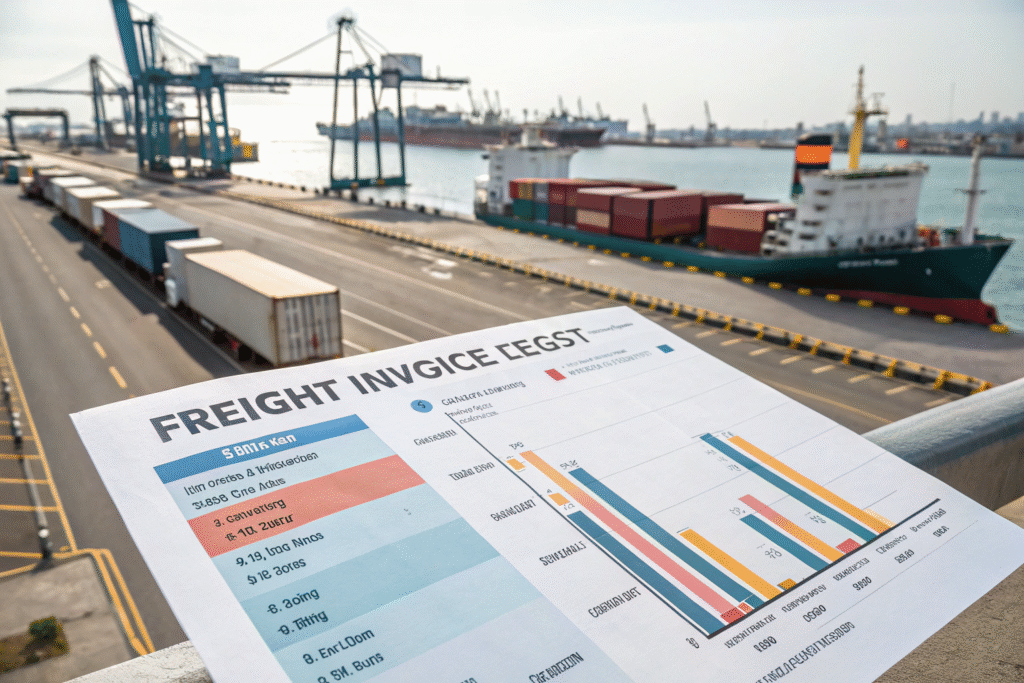
Ports differ in terminal handling charges, labor fees, and congestion surcharges. The Freightos index shows that using alternative ports can cut costs by avoiding peak-season congestion fees.
How do forwarders balance port costs?
Forwarders compare the full landed cost—including ocean freight, inland transport, and customs fees—before recommending a port. Platforms like Xeneta provide real-time pricing benchmarks that support cost-effective decisions.
Supply Chain Stability and Risk Management
Ports are not only gateways for goods—they’re also potential bottlenecks. Congestion, strikes, or natural disasters at one port can disrupt entire supply chains.
Selecting stable and well-managed ports helps forwarders minimize risks and maintain reliable supply chains.
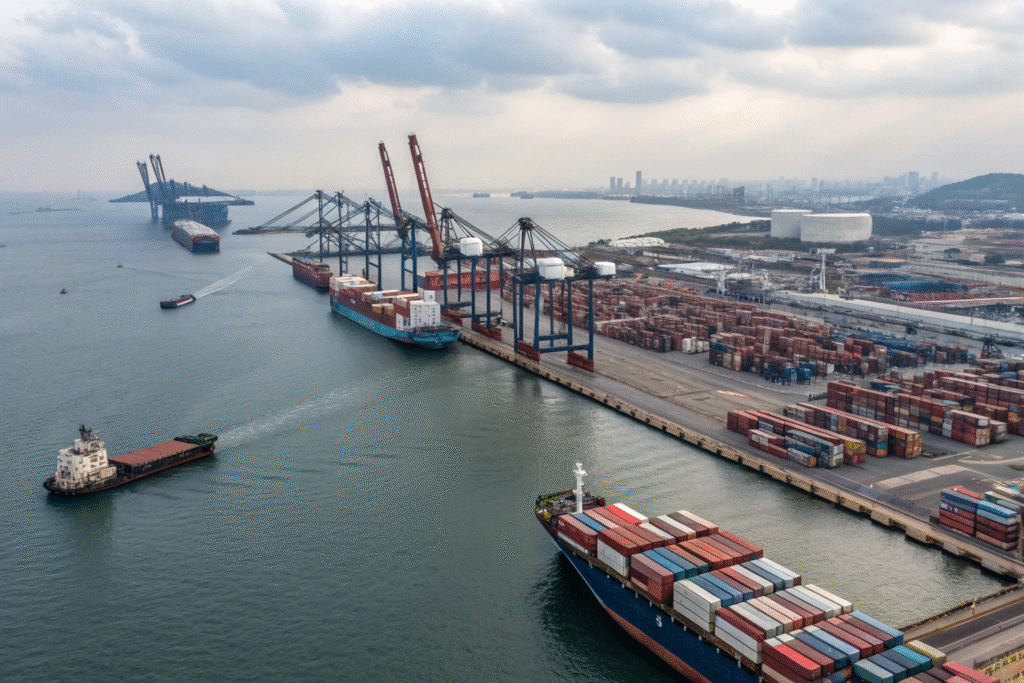
How do port disruptions affect freight forwarding?
The Suez Canal blockage showed how a single chokepoint can delay global trade. Similarly, congestion at ports like Los Angeles has caused weeks of delays for importers.
How do forwarders mitigate port-related risks?
Forwarders diversify port options, monitor global events, and adjust routes quickly. Many follow guidelines from the International Chamber of Commerce to build flexible supply chain strategies that withstand disruptions.
Conclusion
Port selection is one of the most critical decisions in freight forwarding. The right choice improves transit times, speeds up customs clearance, reduces costs, and ensures stability in global supply chains. At GeeseCargo, we analyze every factor—location, regulations, costs, and risks—to help our clients move goods efficiently and reliably. Choosing the right port isn’t just about convenience—it’s about building a stronger, smarter logistics strategy.