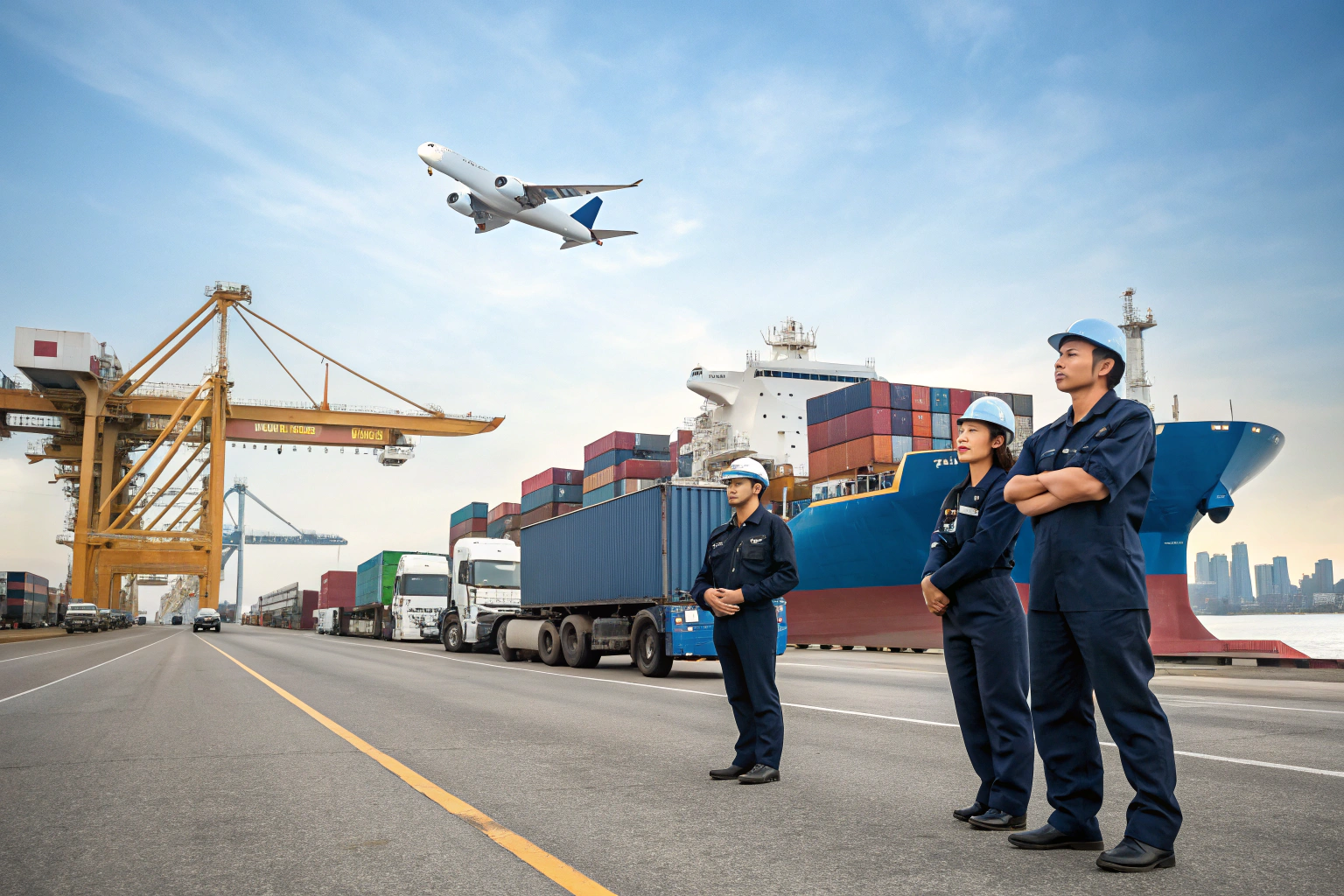
As a freight forwarder, I understand how much trust clients put in me. When an American company owner like Ron relies on my service to move containers from China to the U.S., he expects timeliness, safety, and competitive costs. If I fail to deliver, his business suffers delays, higher costs, and even lost customers. Reliability in freight forwarding is not a luxury—it is the foundation of global trade.
Reliable freight forwarders ensure that goods move smoothly across borders, avoiding costly delays and unexpected risks. From customs clearance to delivery at the warehouse, every step depends on professionalism and consistency.
That is why I want to share why reliability is so critical, how it impacts businesses, and the best practices that make forwarders like me dependable partners in international logistics.
How Does Freight Forwarder Reliability Affect Business Success?
In global trade, timing is everything. When shipments arrive late, companies lose shelf space, profits, and customer loyalty. A reliable forwarder prevents these risks by planning carefully and managing every detail of the shipment.
Reliable freight forwarders directly impact business success by ensuring timely deliveries, stable costs, and reduced risks. When my clients trust me, they can grow their business with confidence.
Why is timeliness critical in international shipping?
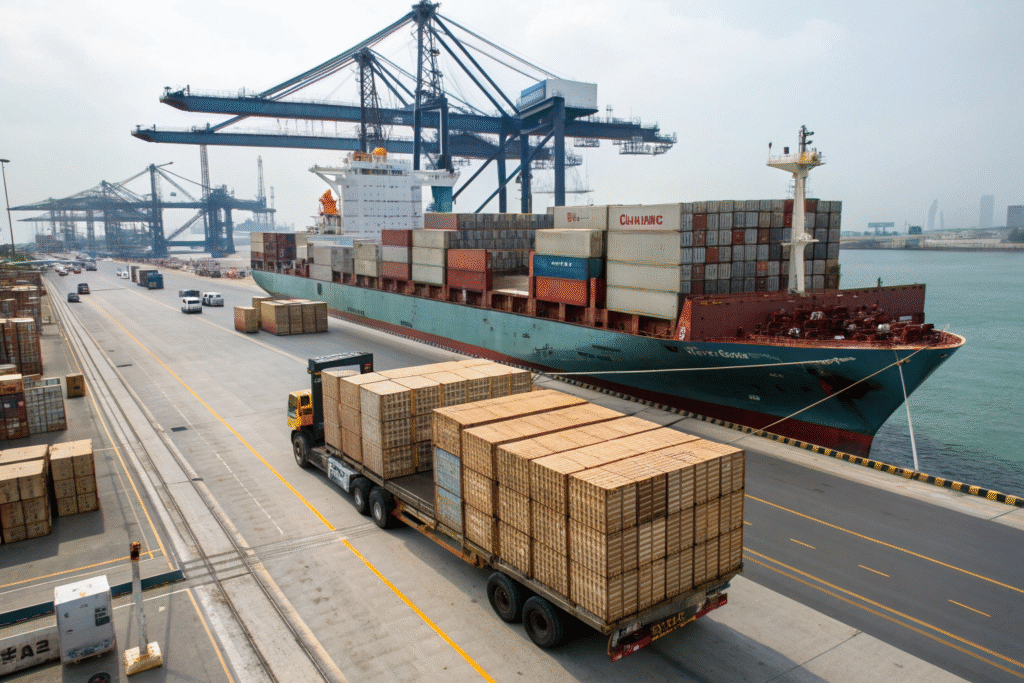
Late shipments can break supply chains. According to DHL, time-sensitive logistics are one of the top priorities for global brands. For example, retail businesses rely on seasonal products arriving on schedule. A delay at customs can mean missing the sales window. Reliable forwarders like us ensure that documentation, inspections, and scheduling are all handled properly to prevent such losses.
How does reliability reduce hidden costs?
Unreliable services often lead to demurrage fees, storage costs, or emergency air freight expenses. For example, Maersk explains how cargo delays at ports can trigger unexpected surcharges. By maintaining close contacts with port officials and carriers, I can prevent these problems and give clients predictable, stable pricing.
What Risks Do Businesses Face with Unreliable Forwarders?
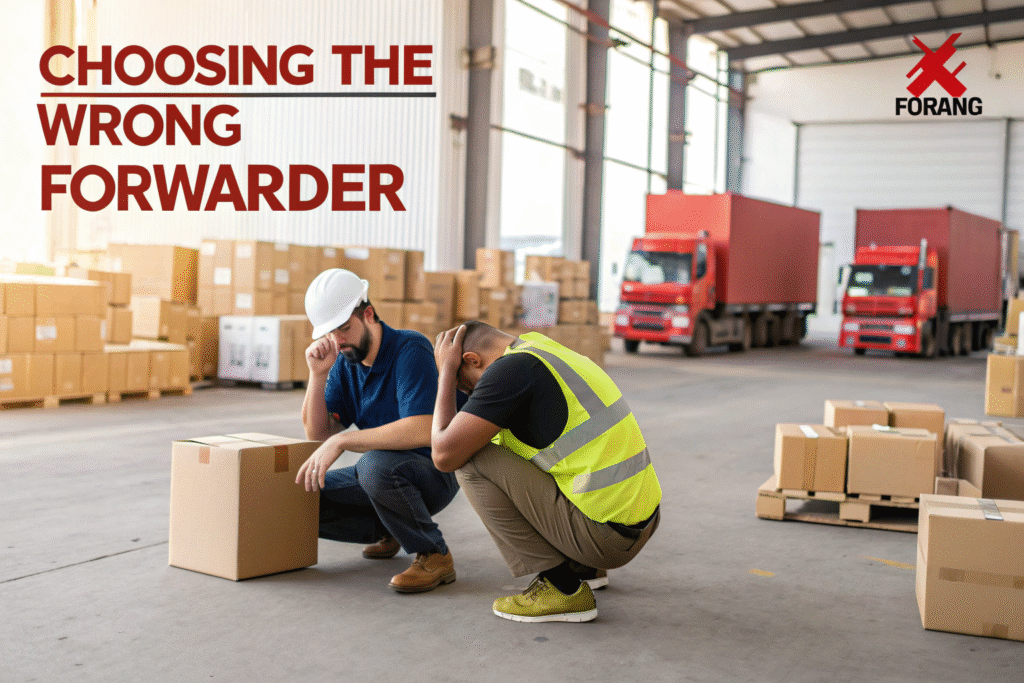
Choosing the wrong forwarder can destroy trust and increase risks. When shipments are mismanaged, companies face delays, theft, and compliance issues. This not only costs money but also damages brand reputation.
Unreliable forwarders create risks like shipment delays, poor communication, compliance violations, and even cargo loss. Businesses that experience these issues often struggle to recover.
What happens when communication breaks down?
Lack of communication leads to uncertainty. Importers who cannot track shipments feel helpless. Tools like Flexport have shown how digital visibility can reduce stress for buyers. Reliable forwarders always keep clients updated. I make sure that Ron, for example, knows where his goods are at all times and what to expect at delivery.
Can compliance mistakes cause serious problems?
Yes, and they often do. Incorrect customs declarations or missing certificates can lead to heavy penalties. According to International Trade Administration, compliance failures can block shipments entirely. I always train my team to check every detail before filing, which reduces the chance of costly errors for clients.
How Can Freight Forwarders Build Long-Term Client Trust?
Trust is not built overnight. It comes from consistency, honesty, and problem-solving. When I handle unexpected delays or resolve customs issues quickly, clients see me as a partner, not just a service provider.
Long-term trust comes from transparency, consistent performance, and proactive solutions. Clients choose forwarders who prove reliability through actions, not promises.

How does transparency strengthen partnerships?
Transparency builds confidence. Tools like Project44 give clients real-time updates on their shipments. By sharing accurate information instead of hiding problems, forwarders gain credibility. I believe in telling clients the truth, even when there is a delay, and then providing solutions to fix it.
Why is problem-solving ability essential?
Problems in logistics are unavoidable, but solving them fast defines a reliable partner. For example, when port congestion hit Los Angeles, I arranged alternative routes through Oakland to keep my client’s cargo moving. Industry experts like Journal of Commerce often highlight how proactive logistics partners prevent long-term disruptions.
What Best Practices Ensure Freight Forwarder Reliability?
Reliability is not luck—it comes from discipline and best practices. At GeeseCargo, we follow strict systems to guarantee safety, timeliness, and compliance.
Best practices include strong communication, technology adoption, staff training, and global partnerships. These strategies ensure smooth and secure shipments for clients across the world.

Should forwarders invest in staff training?
Yes, because skilled staff reduce mistakes. According to FIATA, training is key to professional freight forwarding. My team regularly updates their knowledge on customs laws, tariffs, and new shipping technologies. This training makes sure we handle shipments correctly every time.
How does technology support reliable services?
Technology improves consistency. Tools like CargoWise help forwarders manage documentation, track shipments, and communicate with partners worldwide. With automation, we reduce errors and keep clients like Ron informed at every stage.
Conclusion
Freight forwarder reliability is the backbone of successful global trade. Without it, businesses risk delays, hidden costs, and lost trust. Reliable forwarders like me provide stability through planning, technology, and strong partnerships.
When American buyers like Ron know their cargo will arrive safely and on time, they can focus on growth instead of worrying about logistics. At GeeseCargo, reliability is not just a service—it is the promise we deliver on every shipment.