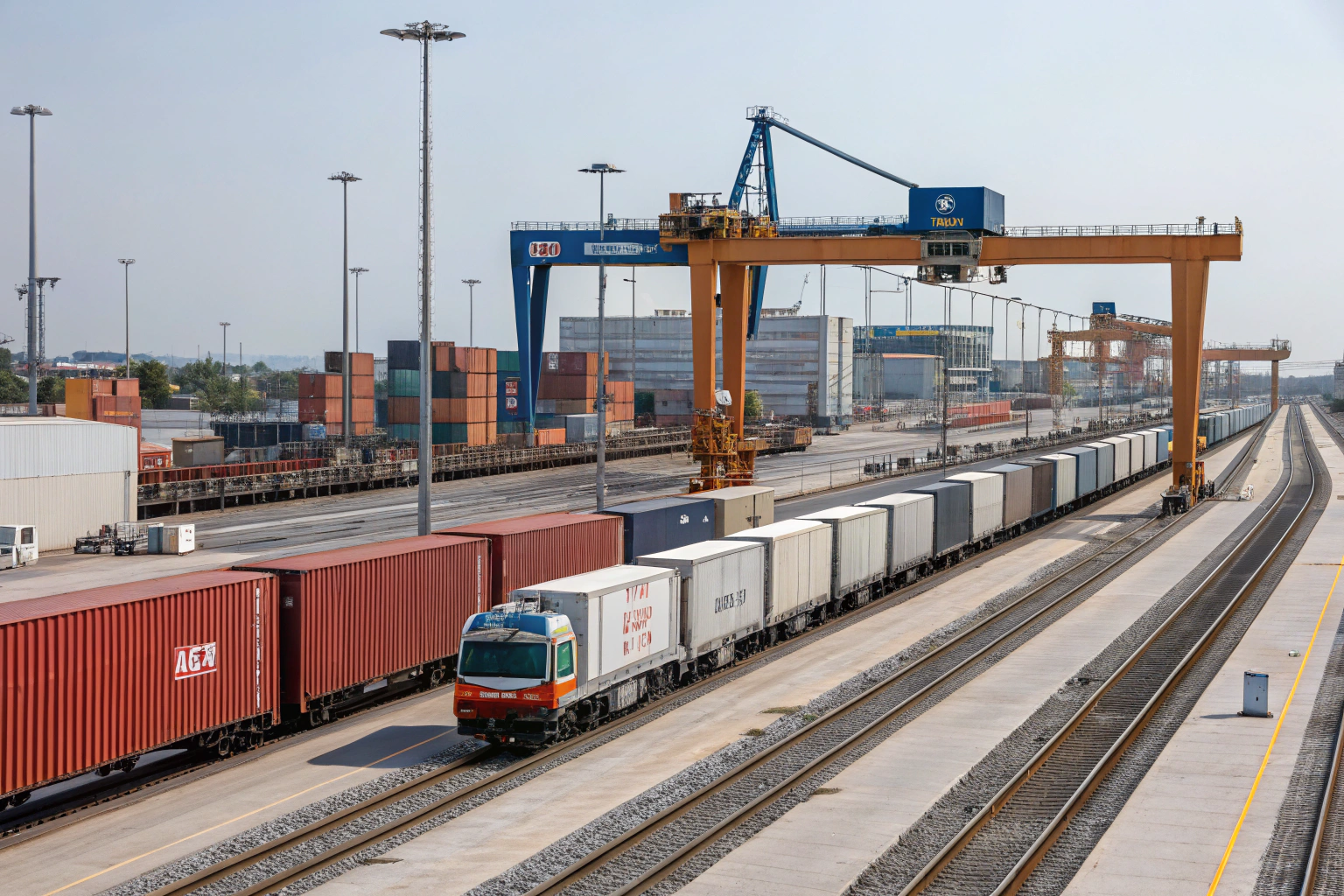
Over the past ten years, trade between Asia and Europe has grown substantially. Importers are increasingly looking beyond just ocean or air transport, turning to rail freight as a strategic intermediate solution. A question frequently raised by business operators is: what makes rail freight such a compelling choice?
Importers select rail freight for European markets due to its optimal balance of cost and transit time, coupled with consistent reliability, environmental advantages, and extensive continental connectivity. For businesses transporting large volumes, rail serves as a highly efficient alternative to conventional transport modes.
This article outlines the key reasons behind the growing preference for rail freight in Europe. From reduced lead times to ecological benefits, we examine why this mode is gaining prominence within global supply chains.
How Does Rail Freight Measure Against Ocean and Air Transport?
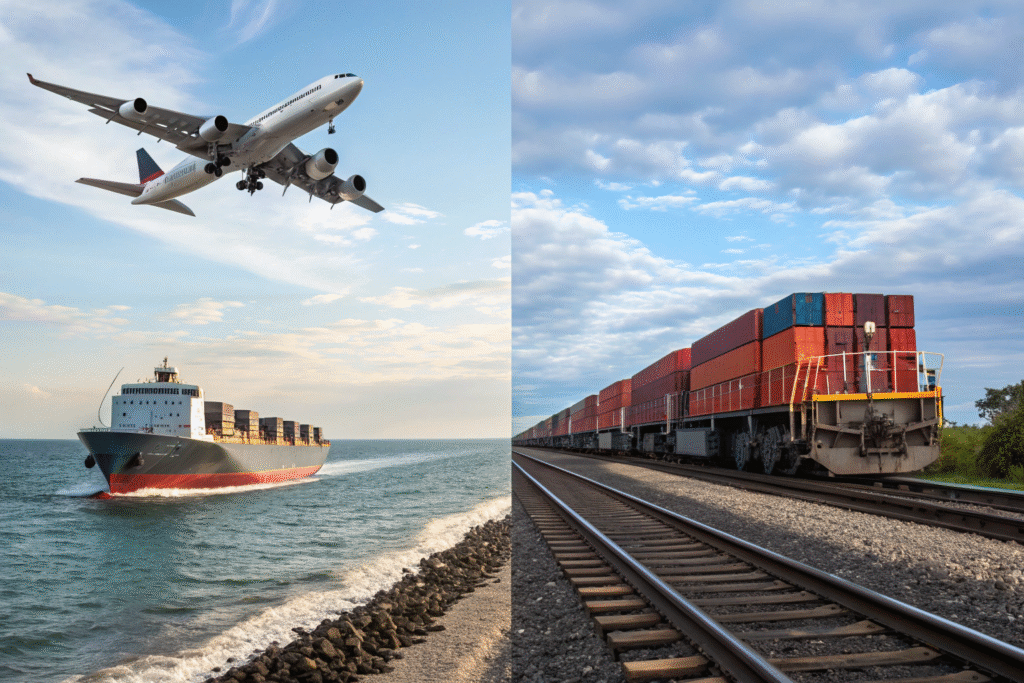
For most companies, the choice hinges on both time and expense. Ocean freight is low-cost but slow, while air shipping is rapid yet costly. Rail occupies a middle ground, delivering a favorable trade-off.
Rail freight ensures quicker transit than ocean shipping and lower costs than air transport. This equilibrium makes it an intelligent choice for importers seeking to combine efficiency with budget management.
The expansion of the China-Europe rail corridor has improved connections between key hubs, granting businesses greater flexibility in shipment planning.
Why Is Rail Transit Faster Than Ocean Shipping?
Ocean voyages from China to Europe typically require 30–40 days. Rail freight often shortens this duration to 15–20 days, which is particularly advantageous for importers operating under tight schedules.
Europe’s rail networks connect major industrial regions efficiently, facilitating faster final-mile distribution. Many logistics firms, including DB Cargo, incorporate rail timetables directly into supply chain strategies.
Why Is Rail More Economical Than Air Freight?
Although air freight is the quickest option, its costs can exceed rail by as much as ten times. This is often impractical for bulky items such as clothing, electronics, or industrial equipment.
Rail delivers considerable savings while maintaining reasonable delivery timeframes. Resources such as RailFreight.com demonstrate how businesses improve profit margins by shifting from air to rail.
Why Is Rail Freight a Reliable Option for European Importers?
Dependability is a major factor driving importers toward rail. With fixed schedules, fewer weather-related interruptions, and efficient customs processes, rail ensures consistent operations.
Rail transport offers assurance that goods will arrive as planned, free from the uncertainties typical of port congestion or flight cancellations.
This is especially critical in sectors like fashion, where seasonal demands require strict adherence to timelines.
How Do Fixed Schedules Enhance Service Reliability?
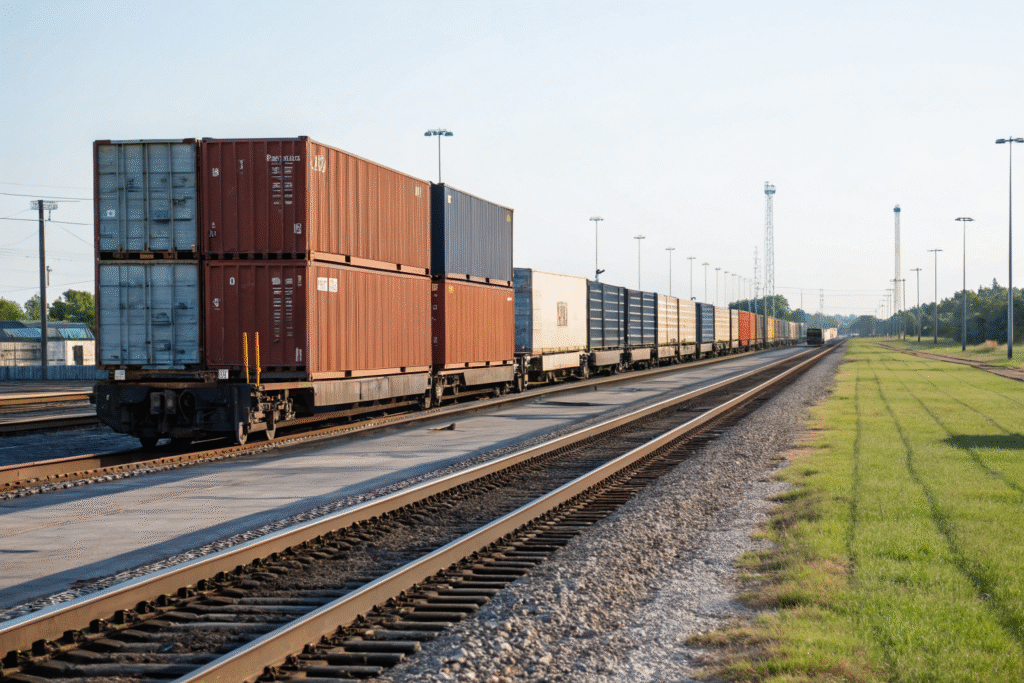
Rail services follow predetermined weekly timetables, in contrast to ocean freight, which is often delayed by port overcrowding. This predictability helps importers manage inventory more effectively.
Networks such as UTLC ERA specialize in reliable cross-border rail services that minimize holdups.
How Does Rail Bypass Typical Delays in Ocean and Air Transport?
Seaports are prone to logjams, and airports are susceptible to labor strikes or adverse conditions. Rail moves on inland routes, avoiding such bottlenecks and providing direct entry into European markets.
Forwarders employing rail often collaborate with partners like Kuehne+Nagel to simplify customs and border formalities.
What Are the Environmental Advantages of Rail Freight?
Sustainability is increasingly central to global commerce. Companies face growing pressure to minimize the carbon footprint of their logistics operations.
Rail freight produces considerably lower CO₂ emissions than air or ocean transport, positioning it among the most environmentally responsible options. For importers targeting green-minded markets, this is a significant benefit.
Rail supports sustainability objectives without compromising delivery performance.
How Does Rail Help Lower Carbon Emissions?
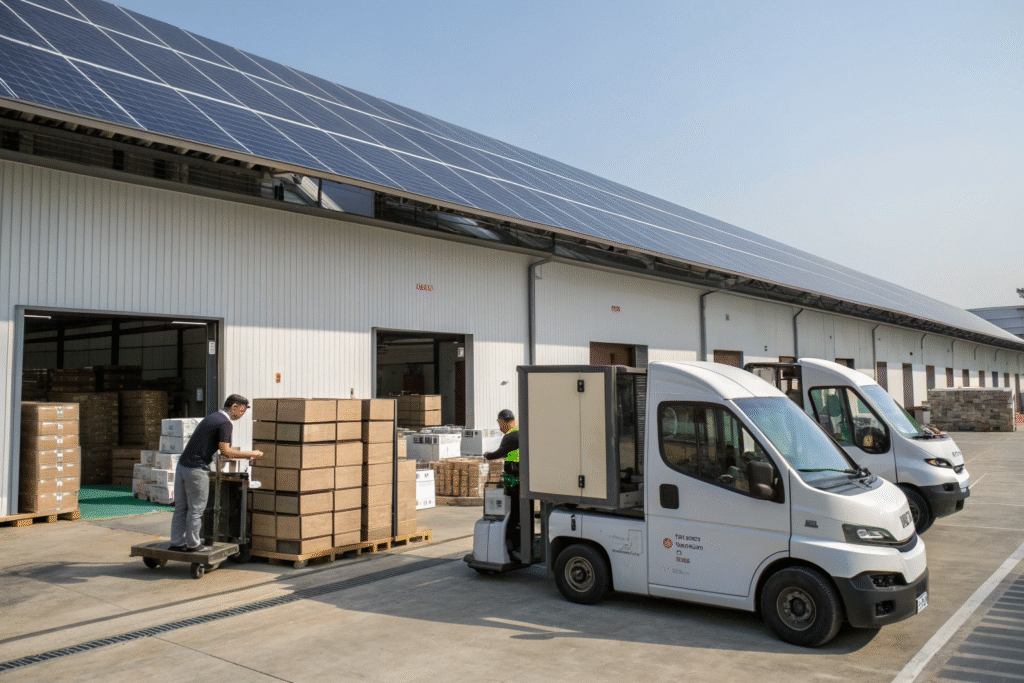
Rail freight can emit up to 80% less CO₂ than air cargo and is also more efficient than ocean shipping. Many businesses adopt rail to align with environmental goals.
Initiatives such as Shift2Rail in Europe are advancing greener logistics through expanded rail infrastructure.
Why Do Importers Prioritize Sustainable Logistics?
European consumers increasingly favor eco-conscious business practices. Importers using rail can promote their operations as environmentally friendly, boosting brand reputation and consumer confidence.
Data from the European Environment Agency confirm rail as one of the cleanest freight options, enhancing its appeal among responsible enterprises.
How Does Rail Freight Improve Market Penetration in Europe?
Europe boasts one of the world's most integrated rail systems, allowing importers to reach inland markets directly without dependence on coastal ports.
Rail freight establishes direct connections to major urban centers, cutting down on overland transport expenses and accelerating final delivery.
This enhanced connectivity shortens the time required for goods to reach production sites, storage facilities, and distribution hubs.

How Does Rail Serve Landlocked Regions?
Nations without coastal access, including Austria, Hungary, and the Czech Republic, gain substantially from rail imports. Trains deliver goods directly to interior hubs, eliminating the need for rehandling.
Logistics providers frequently work with operators like Rail Cargo Group to access markets in Central and Eastern Europe.
Why Is Rail Ideal for Serving Distribution Centers?
Many European distribution centers are situated nearer to rail terminals than seaports. Importers reduce both cost and transit time by shortening truck haulage.
This benefit is reinforced by industry platforms such as Intermodal Europe, which showcase how rail integrates seamlessly with warehousing and road freight systems.
Conclusion
Importers are turning to rail freight for European markets because it delivers an optimal mix of affordability, speed, reliability, sustainability, and market access. It outperforms ocean freight in speed, air freight in cost, and both in consistency—all while reducing environmental impact.
Rail freight is more than an alternative—it is a strategic edge. Companies that leverage rail position themselves as efficient, environmentally aware, and prepared for the future of global logistics.