One of the most stressful parts of importing and exporting is customs clearance. Many importers fear delays at the border, unexpected tariffs, or even shipment seizures. In my years of experience as a freight forwarder, I’ve seen businesses lose thousands of dollars simply because their paperwork wasn’t correct or their customs process was mismanaged.
Choosing a freight forwarder for customs clearance is the smartest move importers can make. We handle the complexity, anticipate risks, and keep shipments moving smoothly so businesses can focus on sales instead of bureaucracy.
Here’s why freight forwarders are essential for quick and efficient customs clearance.
Why Is Customs Clearance Often Delayed?
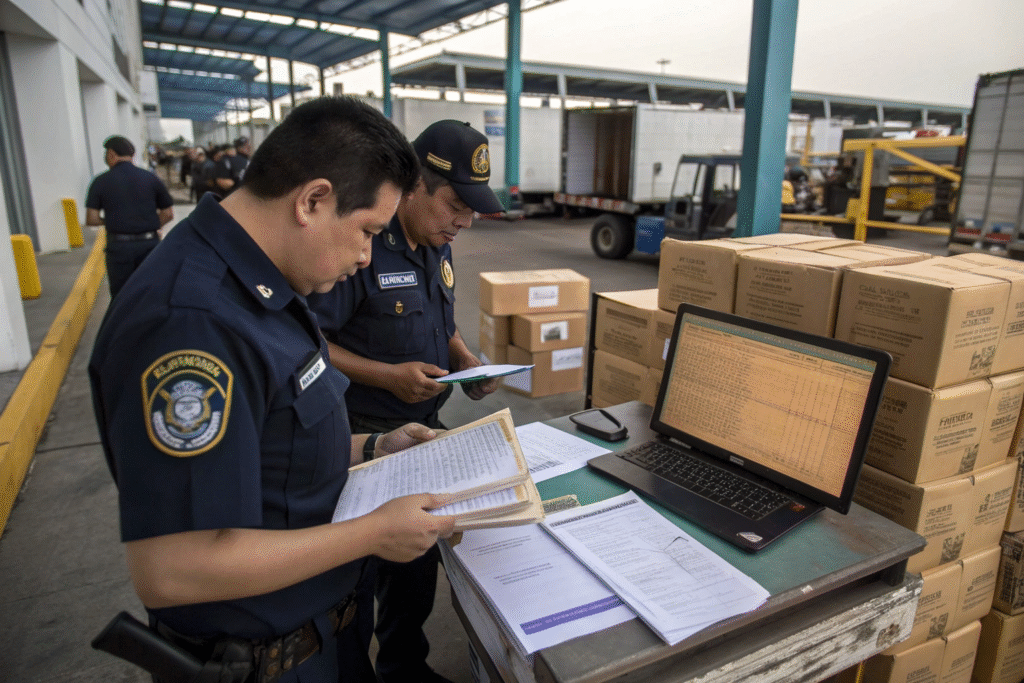
Delays at customs usually come from missing documents, incorrect tariff codes, or compliance issues.
Customs clearance is not just about paying duties—it’s about proving that your goods comply with local laws.
What Are the Most Common Causes of Delays?
According to U.S. Customs and Border Protection, the top issues are incomplete invoices, wrong HS codes, and missing certificates. These errors often result in inspections and extra fees.
Can Delays Be Prevented With Proper Preparation?
Yes. Most delays are avoidable with complete and accurate paperwork. According to Trade.gov, forwarders who check documents before cargo departs reduce clearance times significantly.
How Do Freight Forwarders Speed Up the Customs Process?
Forwarders make customs faster by preparing documents in advance and submitting them electronically.
We coordinate with customs brokers, verify compliance, and track clearance progress in real time.

What Is Pre-Clearance and Why Does It Matter?
Pre-clearance means submitting customs documentation before the shipment arrives. According to the International Trade Administration, pre-clearance allows shipments to pass through faster, reducing port congestion.
Do Forwarders Work Directly With Customs Brokers?
Yes. Many forwarders either partner with or act as licensed customs brokers. According to Journal of Commerce, strong broker relationships shorten clearance times and reduce the risk of delays.
How Do Forwarders Help With Tariffs and Duties?
Paying tariffs and duties correctly is essential for clearance.
Forwarders classify goods under the correct HS codes, calculate duties, and make sure payments are submitted on time.

How Does Correct Classification Save Money?
Incorrect classification leads to overpayment or fines. According to the World Customs Organization, HS code errors are a major source of disputes. Forwarders’ expertise prevents these costly mistakes.
Do Forwarders Help With Trade Agreements?
Yes. Forwarders know which trade agreements apply and use them to lower duties. According to Export.gov, proper use of free trade agreements can save importers significant money.
How Does Technology Support Faster Customs Clearance?
Technology allows forwarders to clear shipments faster than ever before.
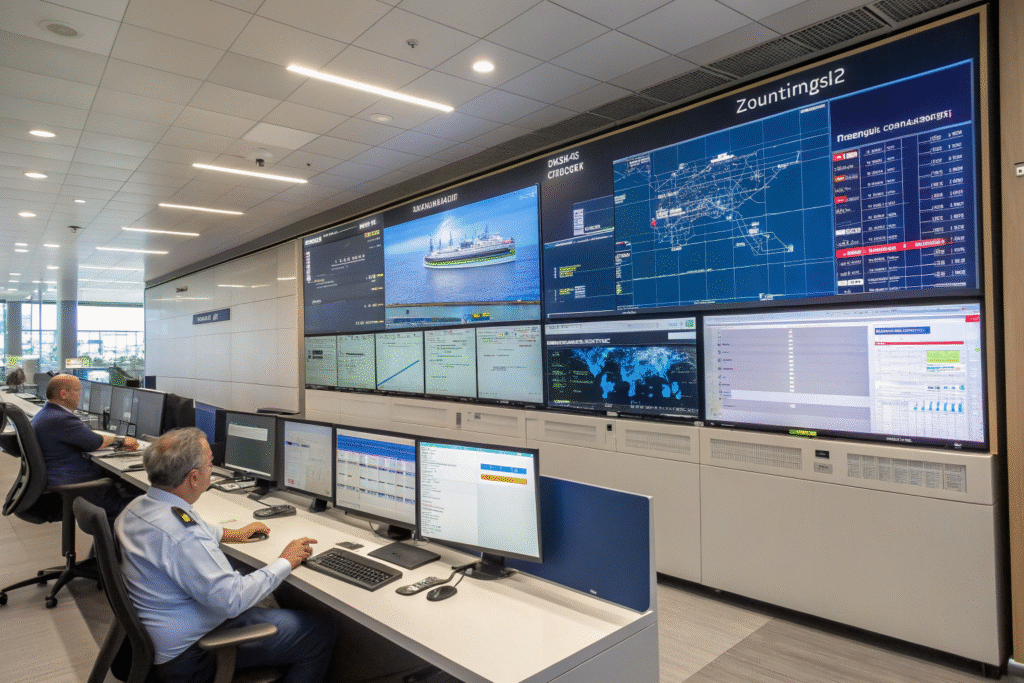
We use e-filing systems, automated compliance checks, and real-time tracking to ensure smooth customs processes.
What Are the Benefits of E-Filing?
E-filing eliminates paper delays and transmits data instantly to customs authorities. According to CargoSmart, electronic bills of lading and e-documents cut clearance times dramatically.
How Do Real-Time Alerts Help Importers?
Platforms like Flexport send automated updates if a shipment faces inspection or clearance issues. This allows importers to respond immediately, reducing delays.
Conclusion
Customs clearance is one of the most complex parts of international trade, but freight forwarders make it easier, faster, and safer. By preparing documents correctly, pre-clearing shipments, managing tariffs, and using advanced technology, forwarders ensure goods pass through borders with minimal delays.
For importers who want quick clearance and reliable delivery schedules, choosing a professional freight forwarder is the smartest decision.