The freight forwarder's role in trade compliance has evolved dramatically from simple documentation processing to becoming a strategic partner in managing complex international regulatory requirements. As a freight forwarder who has navigated countless compliance challenges with clients, I've seen firsthand how our role bridges the gap between operational logistics and regulatory adherence. In today's global trade environment, forwarders serve as both compliance facilitators and risk managers, helping businesses navigate increasingly complex regulatory landscapes.
The freight forwarder's role in trade compliance encompasses classifying products accurately, preparing and submitting required documentation, managing customs processes, ensuring regulatory adherence across jurisdictions, advising on trade agreements, and implementing compliance programs that prevent violations and penalties. We act as an extension of your compliance team, providing expertise that spans documentation, classification, valuation, origin determination, and regulatory interpretation.
Our involvement in trade compliance has become indispensable as regulations grow more complex and enforcement more stringent. Let's examine the specific dimensions of this crucial role and how forwarders contribute to compliance success.
How Do Forwarders Manage Documentation Compliance?
Documentation accuracy represents the foundation of trade compliance, with forwarders playing a central role in preparation and verification.

What Specific Documents Do Forwarders Handle?
Commercial invoice accuracy ensures proper customs valuation. Forwarders verify that invoices contain complete descriptions, correct values, and proper incoterms application, preventing valuation disputes that can lead to penalties or delays.
Certificate of origin preparation for free trade agreement benefits. We help determine proper origin criteria and prepare documentation that qualifies shipments for preferential duty treatment under various trade agreements.
How Do Forwarders Ensure Documentation Completeness?
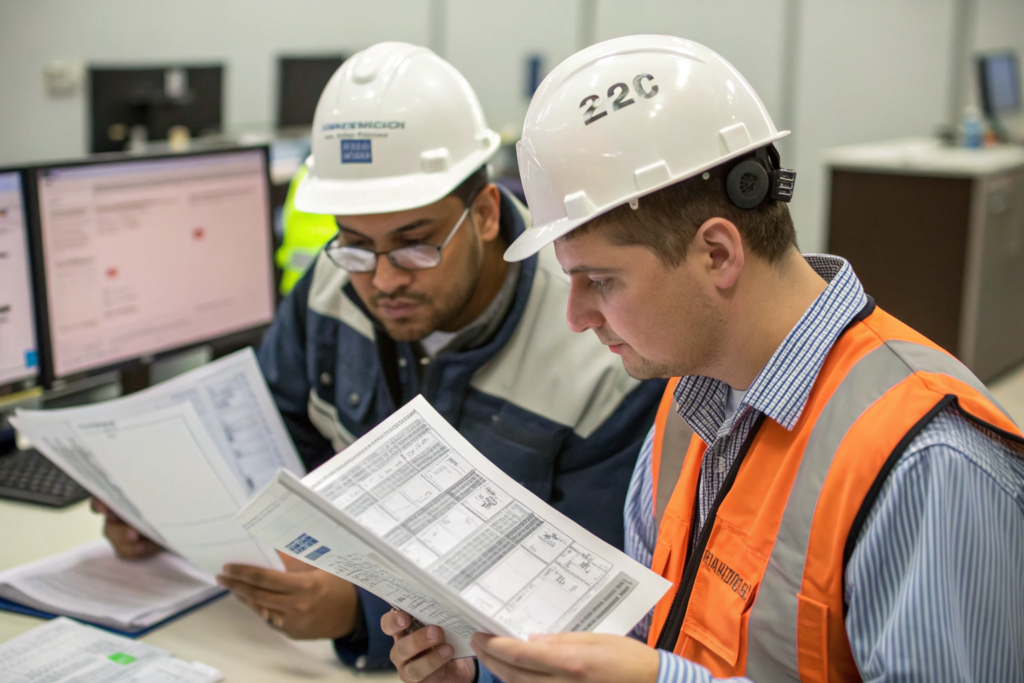
Pre-shipment document review identifies potential issues early. By reviewing documents before submission, forwarders catch discrepancies between purchase orders, invoices, and packing lists that could trigger customs examinations.
Country-specific requirement knowledge prevents rejections. Different countries have unique documentation requirements—forwarders maintain current knowledge of these variations to ensure submissions meet destination-specific standards.
What Is the Forwarder's Role in Product Classification?
Proper classification under harmonized tariff schedules is crucial for duty accuracy and regulatory compliance.
How Do Forwarders Determine Proper HS Codes?
Technical specification analysis matches products to tariff provisions. Forwarders examine materials, functions, and characteristics to identify the most specific and appropriate classification within the harmonized system.
Binding ruling applications provide classification certainty. For ambiguous products, forwarders can help obtain binding rulings from customs authorities that provide legal protection for classification decisions.
What About Special Regulatory Classifications?
Controlled goods identification prevents compliance violations. Forwarders help identify products subject to special controls (firearms, pharmaceuticals, chemicals, etc.) and ensure proper licensing and declarations.
Dual-use item screening addresses export control requirements. We assist in determining whether products have both civilian and military applications requiring additional export compliance measures.
How Do Forwarders Manage Customs Process Compliance?
Navigating customs procedures requires expertise that forwarders provide through established relationships and procedural knowledge.
What Entry and Security Filing Compliance Do Forwarders Handle?
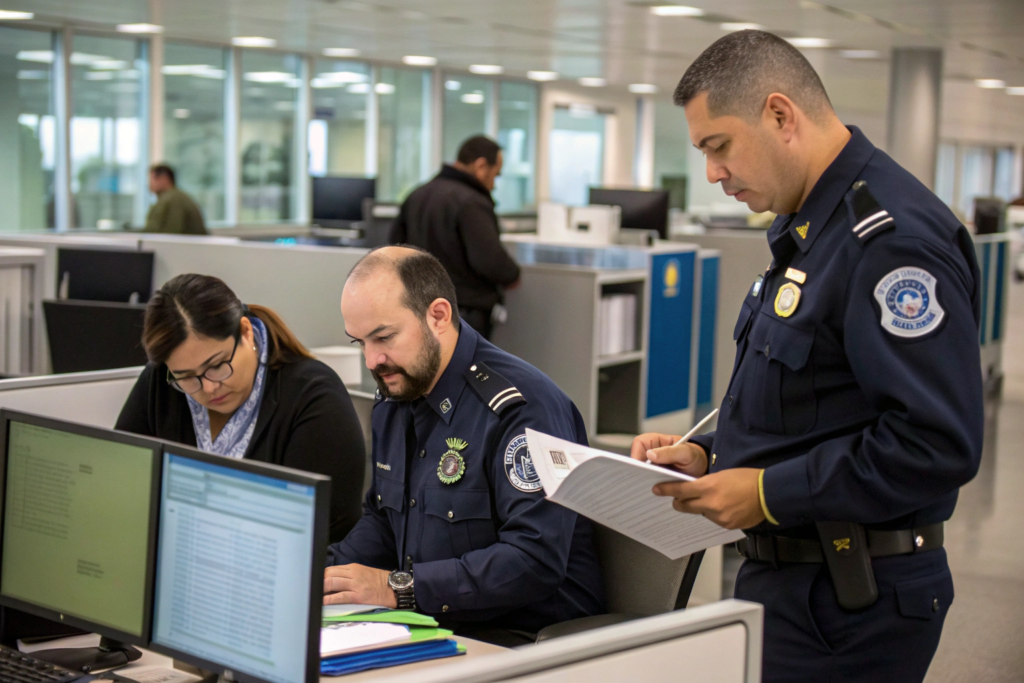
Importer Security Filing (ISF 10+2) management for ocean shipments. Forwarders ensure timely and accurate submission of all required data elements, preventing penalties that can reach $5,000 per violation.
Customs entry accuracy and timely submission. We prepare and submit entries with proper valuation, classification, and origin information, responding to customs inquiries and requests for additional information.
How Do Forwarders Handle Customs Examinations?
Examination coordination minimizes disruption. When customs selects shipments for examination, forwarders coordinate the process, provide additional documentation as needed, and work to resolve issues efficiently.
Prior disclosure management for compliance errors. If errors are discovered, forwarders can help prepare voluntary disclosures that may mitigate penalties by demonstrating good faith compliance efforts.
What Advisory Role Do Forwarders Play in Compliance?
Beyond transactional compliance, forwarders provide strategic guidance that helps clients build robust compliance programs.
How Do Forwarders Advise on Regulatory Changes?
Regulatory update monitoring and interpretation. Forwarders track changes in trade regulations across multiple jurisdictions and advise clients on necessary process adjustments to maintain compliance.
Impact assessment of regulatory changes. We help clients understand how new regulations affect their specific products, supply chains, and compliance obligations.
What Training and Education Do Forwarders Provide?
Compliance training programs for client teams. Many forwarders offer training on documentation requirements, classification principles, and customs procedures tailored to client-specific needs.
Best practice sharing from industry experience. We share insights gained from handling similar compliance challenges across different clients and industries, helping clients avoid common pitfalls.
How Do Forwarders Facilitate Free Trade Agreement Utilization?
Maximizing free trade agreement benefits requires expertise that forwarders provide through proper origin determination and documentation.
What Origin Determination Assistance Do Forwarders Provide?
Rules of origin analysis for specific products. Forwarders help determine whether products qualify for preferential treatment under various trade agreements based on their manufacturing processes and material sourcing.
Supplier information coordination for origin documentation. We work with clients to gather necessary information from their supply chains to support origin claims and maintain proper documentation.
How Do Forwarders Help with FTA Documentation?
Certificate of origin preparation for multiple agreements. Different FTAs require specific certificate formats—forwarders ensure proper completion of these documents with accurate information and legal declarations.
Recordkeeping system recommendations for FTA compliance. We advise on maintaining proper records to support origin claims during customs verifications or audits.
What Risk Management Role Do Forwarders Play in Compliance?
Forwarders help identify and mitigate compliance risks throughout the supply chain.

How Do Forwarders Identify Compliance Risks?
Supply chain mapping for risk assessment. We help identify potential compliance vulnerabilities in supply chains, including transshipment points, intermediary parties, and manufacturing locations that might create compliance exposures.
Compliance audit support identifies process gaps. Forwarders can assist with internal compliance audits or prepare clients for external audits by customs authorities or other regulatory agencies.
What Mitigation Strategies Do Forwarders Recommend?
Process improvement recommendations strengthen compliance. Based on observed compliance patterns across multiple clients, forwarders suggest process enhancements that reduce error rates and improve compliance consistency.
Technology implementation guidance for compliance automation. We advise on systems that automate compliance processes, reduce manual errors, and create audit trails for compliance verification.
Conclusion
The freight forwarder's role in trade compliance has expanded from transactional documentation processing to comprehensive compliance partnership encompassing classification accuracy, regulatory interpretation, customs process management, free trade agreement optimization, and strategic risk management. This evolution reflects the increasing complexity of international trade regulations and the growing importance of compliance as a strategic business function rather than just an administrative requirement.
At GeeseCargo, we've developed our compliance services to address these expanding responsibilities, typically helping clients reduce compliance-related delays by 60-80%, lower duty costs through proper classification and FTA utilization by 15-30%, and avoid penalties through proactive compliance management. Our experience demonstrates that companies leveraging forwarders as strategic compliance partners typically achieve better regulatory outcomes and more efficient supply chains than those treating compliance as purely an internal function. Remember that effective compliance partnership requires transparency and collaboration—the most successful relationships involve forwarders as integrated members of your compliance team rather than just service providers.