The landscape of urban logistics in America's largest metropolitan areas is undergoing a dramatic transformation. As a freight forwarder with extensive experience in US routes, I've witnessed firsthand how cities like New York, Los Angeles, and Chicago are evolving their supply chain infrastructures. The pressure to deliver goods faster, cleaner, and more efficiently has never been greater.
The future of logistics in major US cities centers on smarter technology integration, sustainable last-mile delivery solutions, advanced warehouse automation, and adaptive infrastructure designed for urban density. These innovations aim to solve chronic challenges like traffic congestion, emissions, and rising consumer expectations while creating more resilient supply chains capable of handling increasing e-commerce demands.
The transformation is already underway, driven by technological innovation and changing urban policies. Let's explore the key trends shaping tomorrow's urban logistics landscape.
How Will Last-Mile Delivery Evolve in Urban Centers?
Last-mile delivery represents the final and most critical leg of the supply chain. In crowded urban environments, this stage faces unique challenges including traffic congestion, parking limitations, and rising customer expectations for speed and flexibility.
Are Micro-Fulfillment Centers the Solution to Urban Congestion?
Micro-fulfillment centers are transforming how goods reach urban consumers. These compact warehouses located within city limits dramatically reduce delivery distances and times. By positioning inventory closer to end customers, companies can offer same-day and even one-hour delivery while reducing vehicle miles traveled.
Major retailers and logistics providers are repurposing urban real estate for these facilities. Former parking garages, retail spaces, and even subway stations are being converted into automated micro-fulfillment hubs. This approach significantly cuts last-mile delivery costs and environmental impact while improving service reliability in dense metropolitan areas.
Can Electric and Autonomous Vehicles Solve Urban Delivery Challenges?
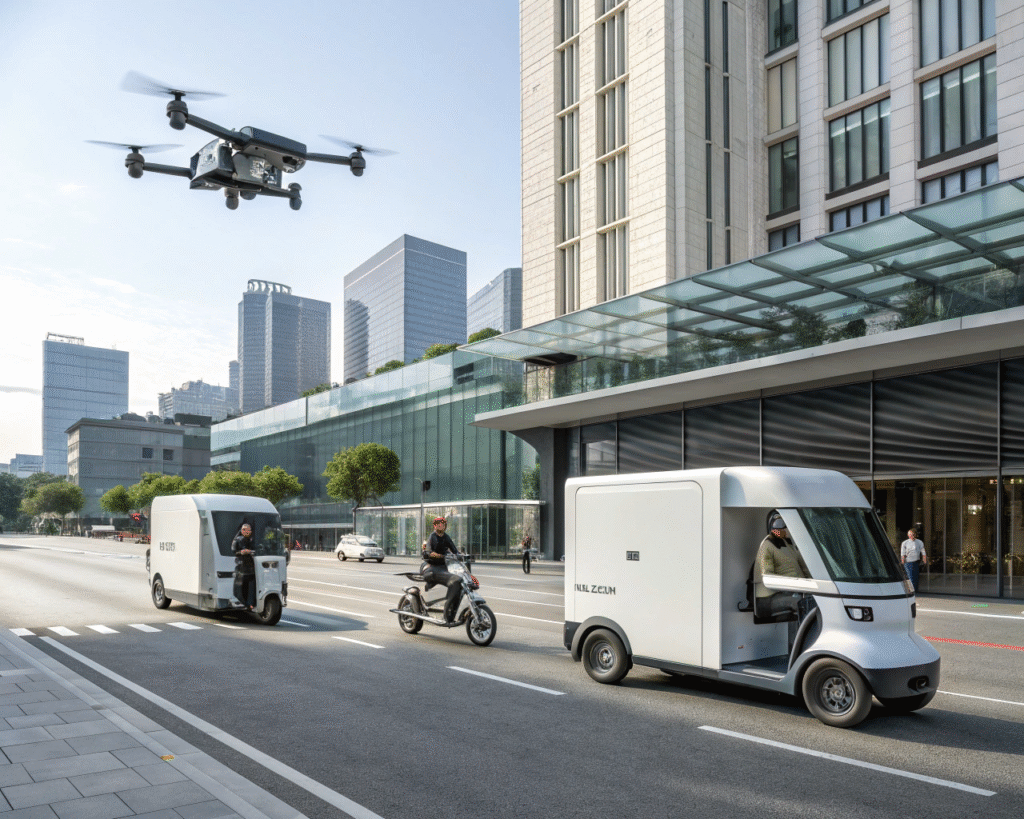
The transition to electric delivery vehicles is accelerating across US cities. Major fleets from companies like Amazon and UPS are rapidly electrifying their urban delivery vans. These vehicles produce zero emissions, reduce noise pollution, and have lower operating costs than traditional diesel trucks.
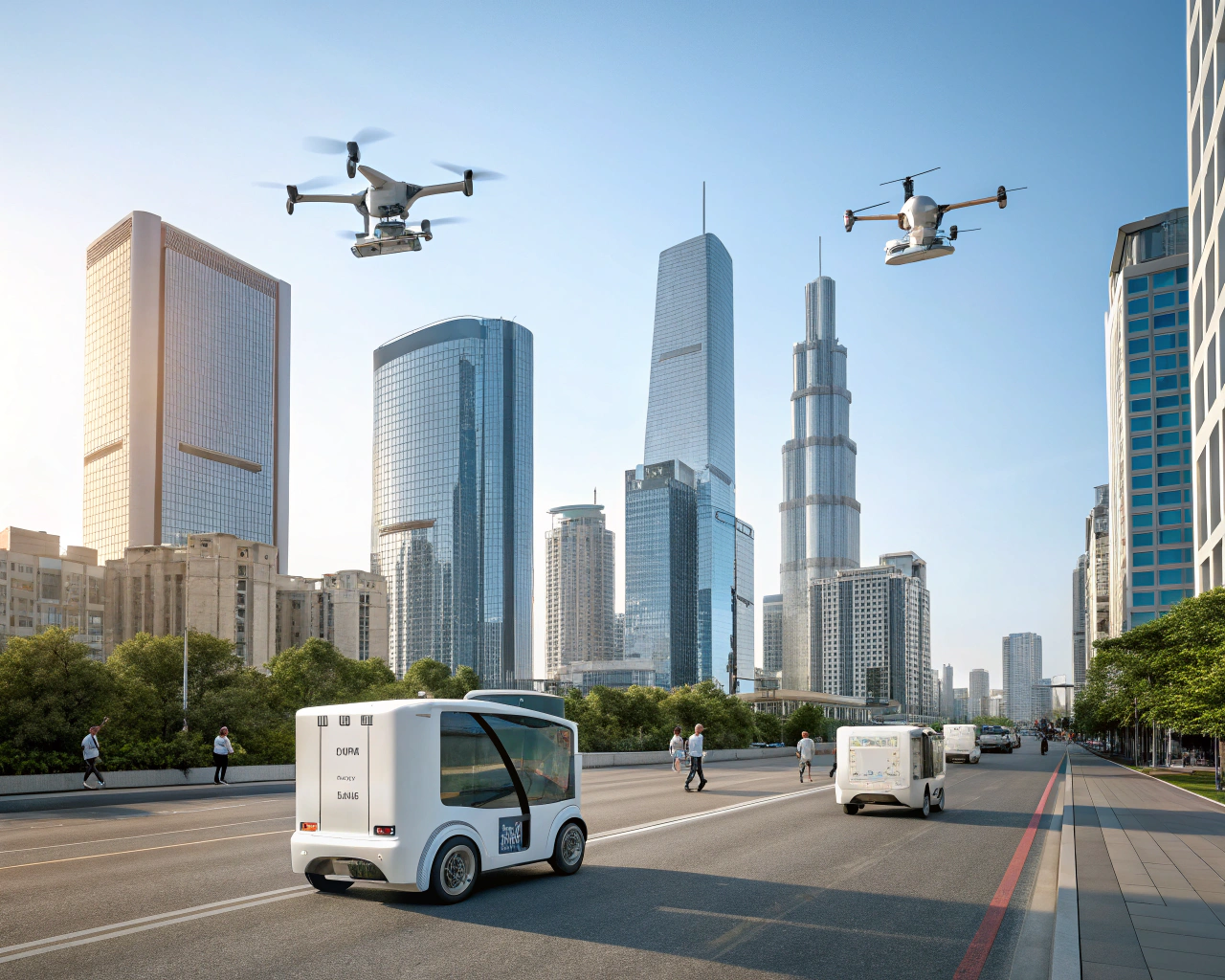
Simultaneously, autonomous delivery robots and drones are being tested for urban applications. While regulatory hurdles remain, these technologies promise to further reduce delivery costs and congestion. The integration of smart routing software with electric fleets creates highly efficient urban delivery networks that minimize environmental impact while maximizing delivery speed.
What Role Will Technology Play in Future Urban Logistics?
Technology is becoming the backbone of modern urban logistics operations. From artificial intelligence to blockchain, digital innovations are enabling smarter, more responsive supply chains that can adapt to the unique demands of metropolitan environments.
How is Artificial Intelligence Transforming Urban Supply Chains?
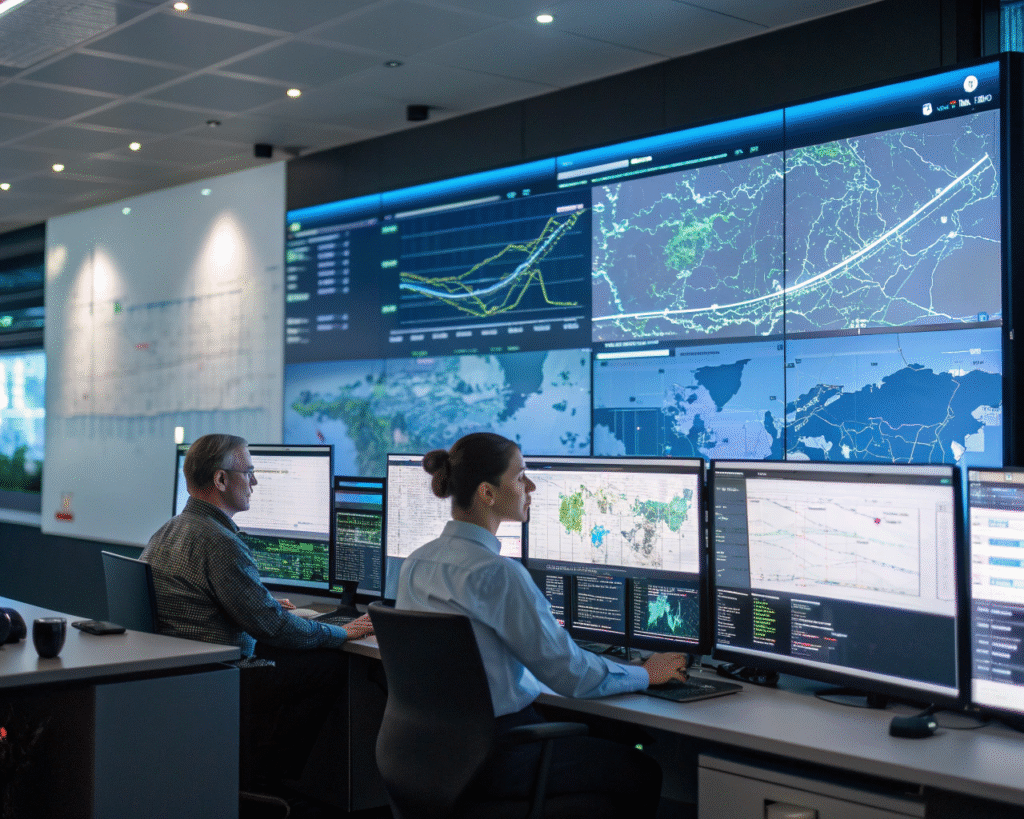
Artificial intelligence is revolutionizing urban logistics through predictive analytics and smart routing. AI systems analyze vast amounts of data including traffic patterns, weather conditions, and delivery histories to optimize routes in real-time. This reduces delivery times and fuel consumption while improving reliability.
Machine learning algorithms also help warehouses anticipate demand spikes and allocate resources accordingly. In cities where space is limited and expensive, AI-driven inventory management ensures optimal stock levels while minimizing storage costs. These technologies create more adaptive and responsive urban supply chains.
Will Blockchain and IoT Create More Transparent Urban Logistics?
Blockchain technology is emerging as a key solution for supply chain transparency in complex urban environments. By creating immutable records of shipments, blockchain helps reduce fraud, streamline customs clearance, and provide real-time visibility into goods movement through crowded cities.
The Internet of Things (IoT) connects physical assets to digital systems through sensors and smart devices. IoT sensors monitor everything from temperature and humidity to location and security status. This real-time data enables proactive problem-solving and ensures product integrity throughout the urban logistics journey.
How Are Urban Warehouses Adapting to Space Constraints?
Space limitations in major metropolitan areas are driving innovative approaches to warehouse design and operation. Traditional large-scale distribution centers located in suburban areas are being supplemented by urban-optimized facilities that prioritize vertical space utilization and automation.
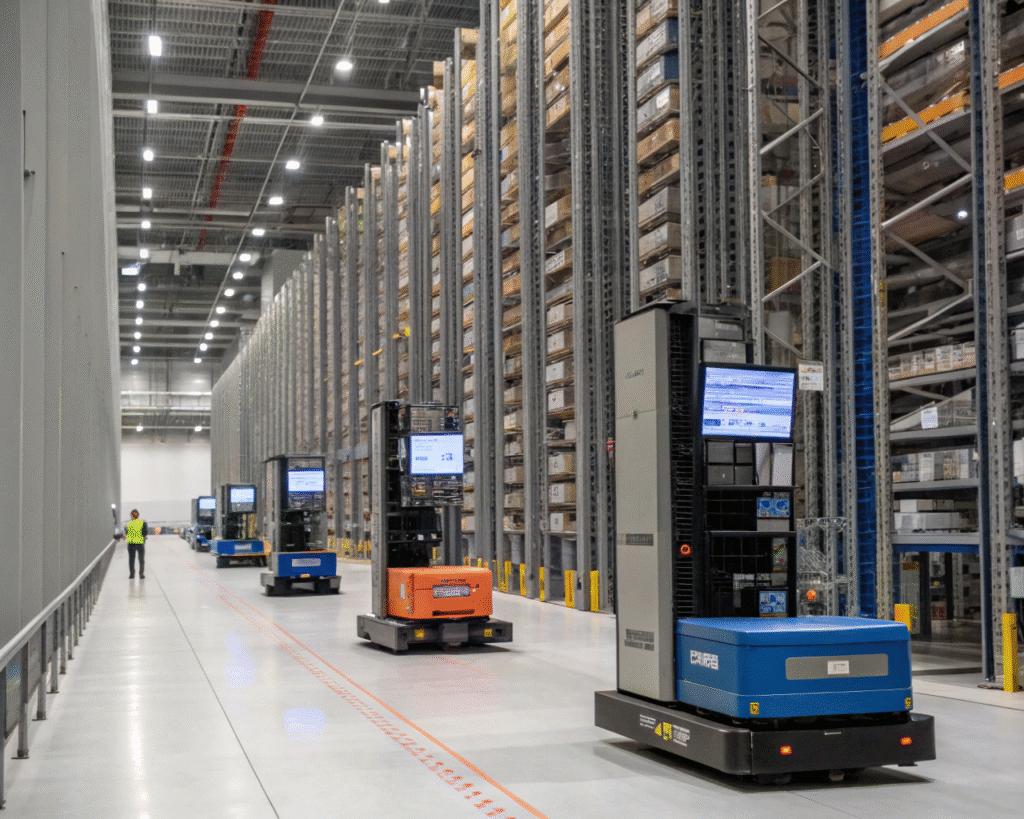
Can Vertical Warehousing Solve Urban Space Limitations?
Vertical warehousing represents a revolutionary approach to urban storage challenges. By building upward rather than outward, these facilities maximize storage capacity on minimal urban footprints. Automated storage and retrieval systems move goods efficiently between levels, while sophisticated software manages inventory across three-dimensional spaces.
These multi-story facilities often incorporate automated guided vehicles and robotic picking systems to navigate the vertical landscape. Located within city boundaries, they dramatically reduce the distance goods travel to reach customers while solving the fundamental challenge of limited urban real estate for logistics operations.
Are Automated Storage Systems Essential for Urban Efficiency?
Automated storage systems are becoming standard in urban warehouses where space optimization is critical. Robotic picking systems, automated sortation, and smart conveyor networks work together to process orders faster and more accurately than human-only operations. This is particularly valuable in cities where labor costs are high and space is limited.
These systems integrate with warehouse management software to create seamless operations that require minimal human intervention. The result is higher throughput, reduced errors, and the ability to operate in compact urban footprints that would be impractical with traditional warehouse designs.
What Sustainable Practices Will Define Urban Logistics?
Sustainability is no longer optional in urban logistics—it's a business imperative. Cities are implementing stricter emissions regulations, while consumers increasingly favor environmentally responsible delivery options. The logistics industry is responding with innovative green solutions.
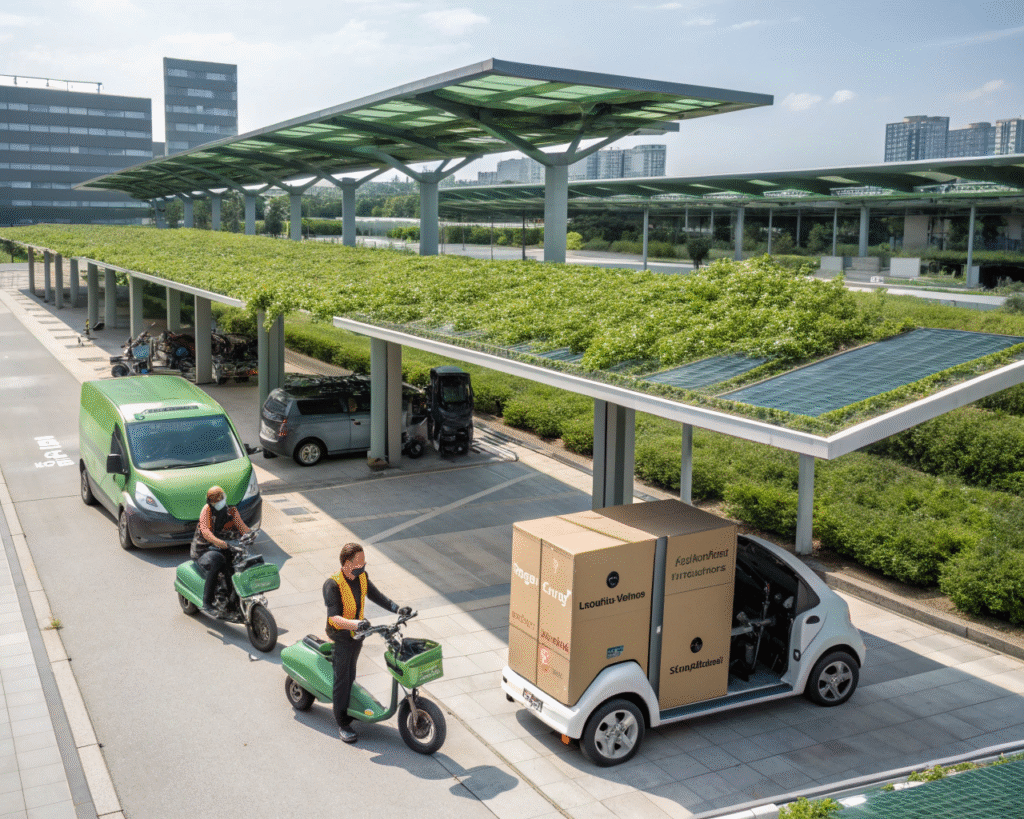
How Are Cities Implementing Green Logistics Initiatives?
Major US cities are actively promoting sustainable logistics through regulations and infrastructure investments. New York and Los Angeles have implemented low-emission zones where only electric or low-emission vehicles can operate. Many cities are developing consolidated urban delivery centers where goods are transferred from large trucks to smaller, cleaner vehicles for final delivery.
Urban planning now routinely includes logistics-friendly infrastructure such as dedicated loading zones, electric charging stations, and micro-hub locations. These initiatives reduce congestion and emissions while supporting efficient goods movement through dense urban environments.
Can Circular Logistics Models Reduce Urban Waste?
Circular logistics models are gaining traction as solutions to urban waste challenges. These systems focus on reusable packaging, return logistics, and product lifecycle management. Instead of the traditional linear "take-make-dispose" model, circular logistics creates closed-loop systems where materials are continuously reused and recycled.
Urban reverse logistics networks enable efficient returns processing and product refurbishment within city boundaries. This approach reduces waste sent to landfills while creating new business opportunities. As environmental concerns grow, circular logistics represents a crucial evolution in how cities manage material flows.
Conclusion
The future of logistics in major US cities is taking shape through technological innovation, sustainable practices, and adaptive infrastructure. Urban centers are transforming into smarter, more efficient logistics hubs where goods move seamlessly while minimizing environmental impact. The convergence of automation, electrification, and data-driven optimization is creating urban supply chains that are not only faster and cheaper but also cleaner and more resilient.
At GeeseCargo, we're actively integrating these future-ready solutions into our US operations. From leveraging AI for route optimization to implementing sustainable last-mile delivery options, we're committed to helping our clients navigate the evolving urban logistics landscape. The cities of tomorrow demand logistics solutions that are as dynamic and innovative as the metropolitan environments they serve.