When one of our clients discovered their ocean carrier had unexpectedly increased rates by 300% mid-shipment with no recourse, I realized how many shippers underestimate the Federal Maritime Commission's role. As founder of GeeseCargo with extensive regulatory experience, I've witnessed how FMC oversight—or lack thereof—directly impacts shipping costs, service reliability, and dispute resolution. Understanding this agency isn't just academic; it's essential for protecting your business interests in international shipping.
The Federal Maritime Commission (FMC) is the independent US federal agency responsible for regulating ocean transportation to protect American shippers from unfair practices. The FMC ensures competitive and reliable international ocean transportation, monitors carrier alliances, investigates complaints, and enforces shipping laws. For importers and exporters, the FMC provides crucial protections against unreasonable rates, arbitrary charges, and anti-competitive behavior.
While the FMC operates behind the scenes, its influence touches every ocean shipment moving in US trade. From rate transparency to dispute resolution, the Commission's oversight creates a more predictable and fair shipping environment, though many businesses only learn its importance when problems arise.
What Are the FMC's Core Responsibilities and Powers?
The FMC's authority spans multiple aspects of ocean shipping, with specific powers that directly impact how carriers and service providers interact with shippers.
How Does the FMC Regulate Ocean Carriers and Pricing?
Ocean carrier tariff filing requirements ensure rate transparency. Carriers must publish their rates and rules in accessible tariffs, preventing hidden charges or unexpected rate changes without proper notice.
Service contract oversight protects confidential negotiated rates. The FMC ensures carriers honor their contractual commitments and don't unfairly discriminate between similarly situated shippers.
Monitoring carrier alliances prevents anti-competitive behavior. The FMC reviews vessel sharing agreements to ensure carrier collaborations don't harm competition through reduced service or inflated pricing.
What Enforcement Powers Does the FMC Possess?
Investigative authority allows probing of potential violations. The FMC can investigate carriers, terminals, and ocean transportation intermediaries for practices that may violate shipping statutes.
Civil penalty assessment creates financial consequences for violations. The Commission can impose substantial fines—sometimes millions of dollars—for practices like retaliatory behavior, unreasonable refusals to deal, or deceptive pricing.
License revocation for ocean transportation intermediaries. The FMC can revoke the licenses of freight forwarders and NVOCCs who violate regulations, preventing them from operating in US ocean trade.
How Does FMC Regulation Directly Impact Your Business?
The FMC's work affects daily shipping operations, costs, and dispute resolution in tangible ways that impact your bottom line.
How Does the FMC Protect Against Unfair Pricing?
Detention and demurrage rules prevent excessive container charges. Following recent FMC interpretations, carriers and terminals must provide reasonable free time and cannot charge detention or demurrage when circumstances beyond shipper control prevent container return.
Tariff publication requirements prevent surprise charges. All carrier charges must be published in accessible tariffs, meaning you cannot be billed for fees that weren't properly disclosed in advance.
Service contract enforcement ensures rate stability. Once you've negotiated a service contract, carriers cannot unilaterally change terms or rates during the contract period without FMC scrutiny.
What Dispute Resolution Mechanisms Does the FMC Provide?
Informal complaint process facilitates problem resolution. The FMC offers free mediation services to help shippers and carriers resolve disputes without formal litigation.
Formal adjudication provides binding decisions for serious disputes. For cases that cannot be resolved informally, the FMC can conduct formal proceedings that result in legally binding decisions and potential reparations.
Charge complaint process addresses billing disputes. Shippers can challenge charges they believe violate tariff rules or represent unreasonable practices, with the FMC determining whether charges must be refunded.
What Recent FMC Initiatives Affect Modern Shipping?
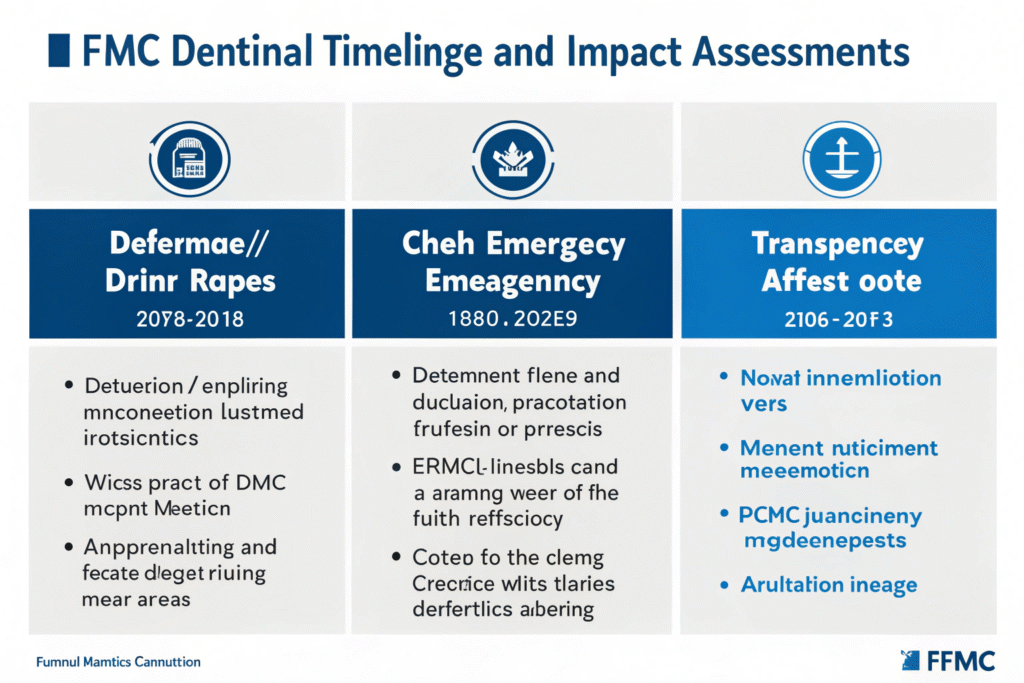
The FMC has significantly expanded its focus in recent years, addressing emerging challenges in global supply chains.
How Has the FMC Addressed Supply Chain Challenges?
Ocean Shipping Reform Act of 2022 significantly expanded FMC authority. This landmark legislation enhanced the FMC's ability to address unfair carrier practices, particularly regarding detention and demurrage charges and refusal to deal.
Supply chain emergency powers during crisis periods. The FMC can investigate systemic issues during supply chain disruptions, as seen during the recent port congestion crises.
Enhanced data collection for supply chain visibility. New FMC requirements mandate better data reporting from carriers and terminals to identify bottlenecks and unfair practices.
What New Shipper Protections Has the FMC Implemented?
Detention and demurrage billing rules establish fairness standards. New interpretive rules clarify that charges cannot be assessed when shippers cannot retrieve containers due to circumstances beyond their control.
Retaliation protection prevents carrier discrimination. Carriers cannot refuse cargo or otherwise retaliate against shippers for filing FMC complaints or exercising their legal rights.
Enhanced ocean transportation intermediary oversight. Stricter requirements for freight forwarders and NVOCCs improve financial responsibility and business practices.
How Can You Leverage FMC Protections in Your Operations?
Understanding how to utilize FMC mechanisms transforms the Commission from an abstract concept to a practical business tool.

What Proactive Steps Maximize FMC Protection?
Contract clarity ensures FMC enforceability. Well-drafted service contracts that clearly specify rates, terms, and obligations are easier to enforce through FMC mechanisms if disputes arise.
Documentation maintenance supports potential complaints. Keeping detailed records of communications, charges, and service failures provides essential evidence if FMC intervention becomes necessary.
Tariff monitoring identifies potential violations. Regularly reviewing carrier tariff publications helps identify undisclosed charges or changes that might violate FMC requirements.
When Should You Consider FMC Complaint Options?
Patterns of unreasonable charges warrant FMC attention. When facing systematic detention, demurrage, or other charges that seem unjustified, the FMC complaint process may provide recourse.
Contract violations by carriers may justify formal action. If carriers fail to honor negotiated service contracts, the FMC can investigate and potentially order reparations.
Anti-competitive behavior should trigger FMC engagement. Practices like collective rate increases, service reductions in carrier alliances, or refusal to deal may warrant FMC investigation.
What Are Common Misunderstandings About the FMC?
Many businesses operate with incomplete or inaccurate understandings of the FMC's role and limitations.
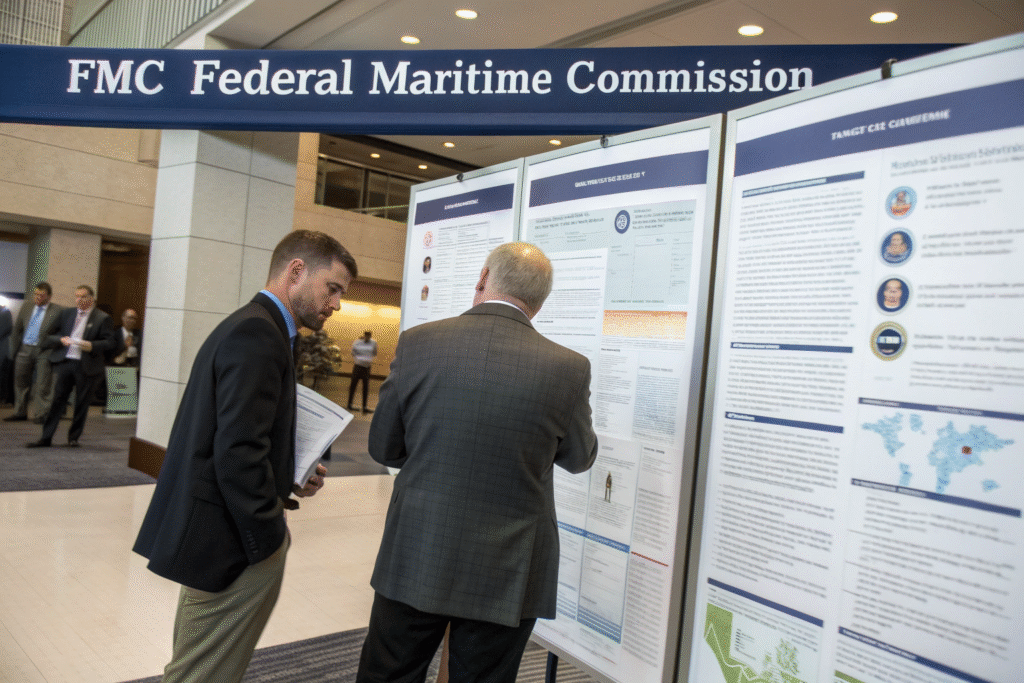
What Can't the FMC Do for Shippers?
The FMC doesn't set specific rate levels. While the FMC ensures rate transparency and prevents unreasonable practices, it doesn't regulate the actual level of ocean freight rates.
The FMC doesn't handle individual service disputes. Minor service issues or isolated overcharges typically don't warrant FMC action unless they represent broader patterns or violations.
The FMC's authority has geographic limits. The Commission primarily regulates US international ocean trade, with limited authority over purely domestic transportation or foreign-to-foreign movements.
What Realistic Expectations Should Businesses Have?
FMC processes take time for resolution. While informal complaints may resolve quickly, formal proceedings can take months or years to reach conclusions.
The FMC balances shipper and carrier interests. The Commission aims for fair ocean transportation markets, not exclusively advocating for shippers over carriers.
Political and practical constraints affect FMC effectiveness. Budget limitations, legal challenges, and political considerations can impact the FMC's ability to address all concerns.
How Does FMC Regulation Compare to Other Transportation Agencies?
Understanding how the FMC fits within the broader US regulatory landscape provides context for its unique role.
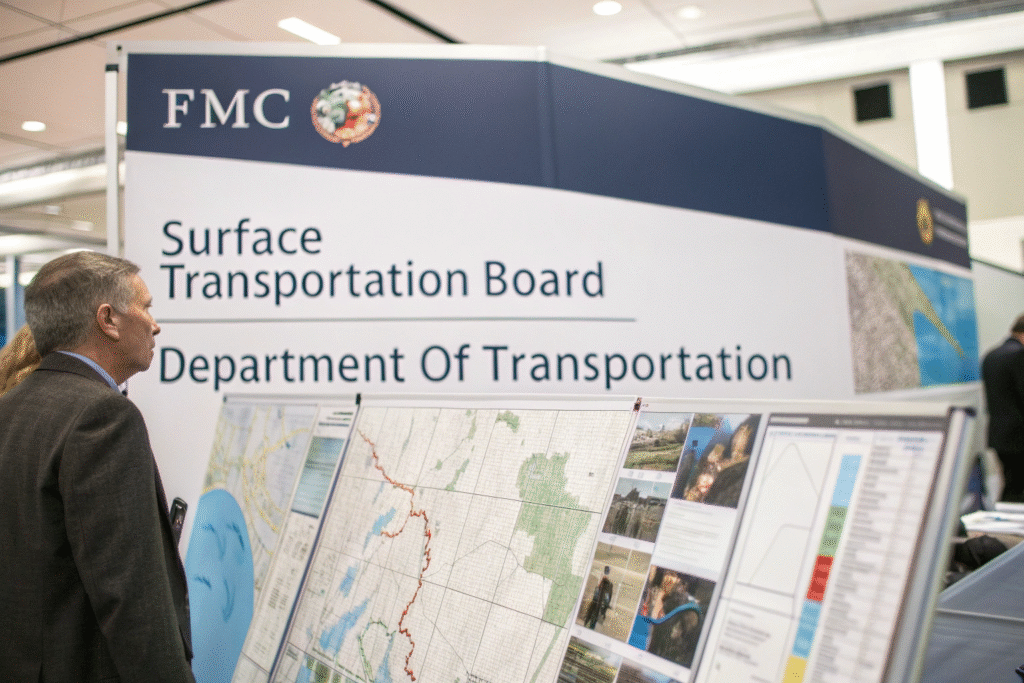
How Does FMC Authority Differ from Surface Transportation Regulation?
Ocean focus versus surface transportation jurisdiction. The FMC regulates ocean shipping while the Surface Transportation Board oversees railroads and some trucking, and the Federal Motor Carrier Safety Administration handles truck safety.
Different economic regulation approaches. The FMC focuses on international competition and fair practices, while surface transportation regulators often address different competition and rate issues.
Varying complaint and enforcement mechanisms. Each agency has distinct processes for addressing complaints, with different standards, timelines, and potential remedies.
What International Counterparts Perform Similar Functions?
EU and other national regulators have varying approaches. While many countries have maritime regulators, their authority, resources, and effectiveness differ significantly from the FMC.
International organizations complement national regulation. Bodies like the OECD and World Shipping Council address global shipping issues beyond any single regulator's jurisdiction.
Coordinated enforcement addresses global carriers. The FMC increasingly cooperates with international counterparts to regulate global carriers operating across multiple jurisdictions.
Conclusion
The Federal Maritime Commission plays a crucial but often overlooked role in protecting shippers' interests in international ocean transportation. While not a panacea for all shipping challenges, the FMC provides essential protections against unfair practices, anti-competitive behavior, and arbitrary charges. Businesses that understand how to navigate FMC regulations and leverage its protections typically experience fewer shipping disputes and more predictable transportation costs.
At GeeseCargo, we've helped clients utilize FMC mechanisms to resolve significant shipping disputes, recover improper charges, and ensure fair treatment from ocean carriers. The most successful approaches recognize the FMC as one tool in a comprehensive logistics strategy—valuable when needed but most effective when combined with strong contracts, good relationships, and operational excellence.
Begin your FMC education by familiarizing yourself with recent regulatory developments, particularly regarding detention and demurrage reforms and enhanced shipper protections. Then incorporate FMC considerations into your contracting, documentation, and dispute resolution processes. Remember that in international shipping, regulatory awareness isn't just about compliance—it's about building resilient, cost-effective supply chains protected against unfair practices.