When one of our clients achieved CTPAT certification, their customs examination rates dropped from 12% to less than 2% and their border crossing times reduced by 40-60%. As founder of GeeseCargo with extensive security compliance experience, I’ve witnessed how this voluntary program transforms supply chain security from a cost center to a competitive advantage. Understanding CTPAT isn’t just about compliance—it’s about building resilient, efficient supply chains that governments trust.
CTPAT (Customs Trade Partnership Against Terrorism) is a voluntary supply chain security program led by U.S. Customs and Border Protection that partners with importers, carriers, and logistics providers to strengthen global supply chains against terrorism. Certified members receive benefits including reduced customs examinations, priority processing, and enhanced security recognition across 65+ mutual recognition partner countries.
The program represents a public-private partnership where businesses implement enhanced security measures in exchange for tangible operational benefits. While voluntary, CTPAT has become essential for companies serious about supply chain security and efficiency in today’s global trade environment.
What Are the Core Requirements and Security Criteria?
CTPAT certification requires implementing comprehensive security controls across multiple supply chain areas, with requirements tailored to different business types.
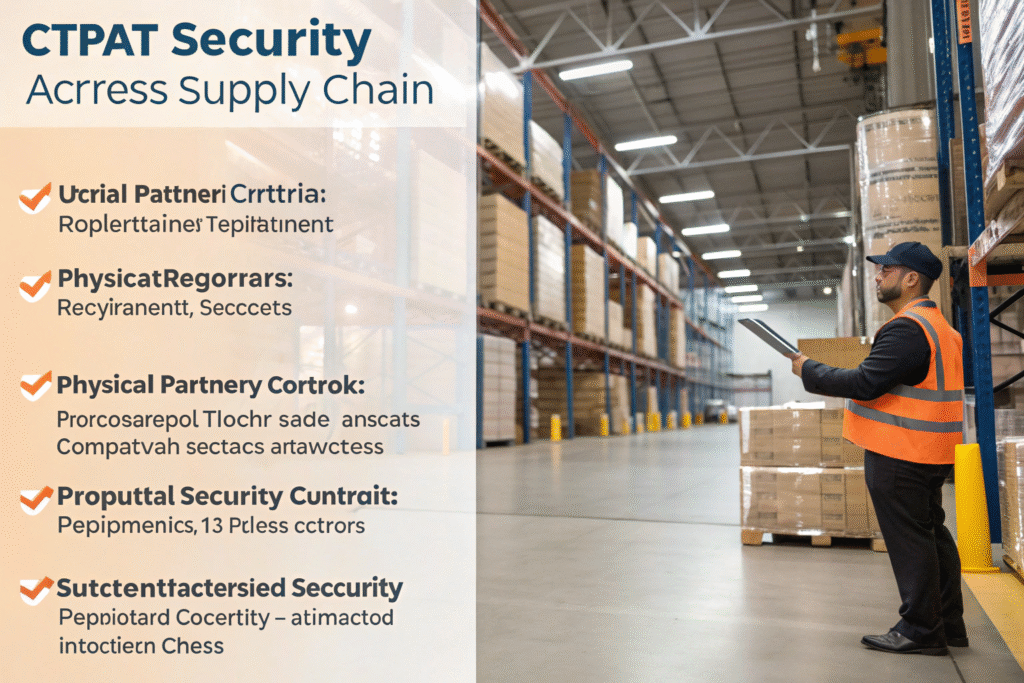
What Are the Minimum Security Criteria for Importers?
Business partner requirements mandate vetting throughout the supply chain. Importers must ensure their carriers, suppliers, and logistics providers meet CTPAT security standards or equivalent recognized security programs.
Physical security standards protect facilities and cargo. This includes perimeter fencing, adequate lighting, alarm systems, and secure storage areas that prevent unauthorized access to shipments.
Access controls prevent internal security breaches. Companies must implement personnel identification systems, visitor management, and background checks for employees with security responsibilities.
How Do Requirements Differ for Various Supply Chain Partners?
Carrier security focuses on conveyance and in-transit protection. Trucking, rail, and ocean carriers must implement tractor/trailer security, seal integrity programs, and driver security protocols.
Logistics provider requirements emphasize procedural security. Third-party logistics companies need document integrity processes, information security, and screening procedures for their employees.
Foreign manufacturer criteria include production facility security. Overseas suppliers must control facility access, screen employees, and secure manufacturing and storage areas.
What Are the Tangible Benefits of CTPAT Certification?
The program offers significant operational advantages that typically deliver 3-5x return on certification investment through efficiency gains and risk reduction.
How Does CTPAT Improve Customs Processing Efficiency?
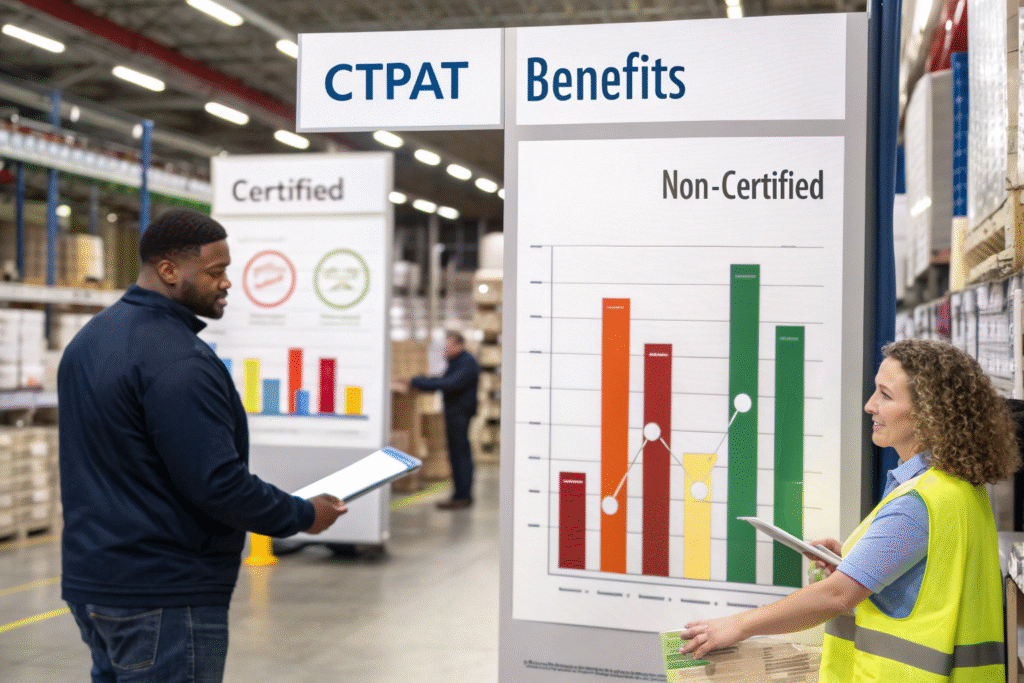
Reduced examination rates typically drop from industry average of 5-15% to 1-3% for CTPAT members. This translates to fewer delays, less cargo handling damage, and lower examination-related costs.
Priority processing during elevated threat levels ensures business continuity. When security levels increase, CTPAT shipments continue moving while non-certified cargo may face enhanced scrutiny and delays.
Front-of-line inspection treatment reduces border waiting times. At busy ports of entry, CTPAT-certified trucks typically receive priority processing, reducing border crossing times by 40-70%.
What Business Advantages Extend Beyond Customs Processing?
Supply chain resilience improves through systematic risk management. The security framework required for CTPAT helps companies identify and address vulnerabilities before they cause disruptions.
Customer confidence increases with demonstrated security commitment. Many major retailers and manufacturers preferentially select CTPAT-certified partners, creating competitive advantages in bidding processes.
Insurance premiums may decrease with enhanced security measures. Some insurers offer reduced cargo insurance rates for companies implementing CTPAT security protocols.
What Is the Certification Process and Timeline?
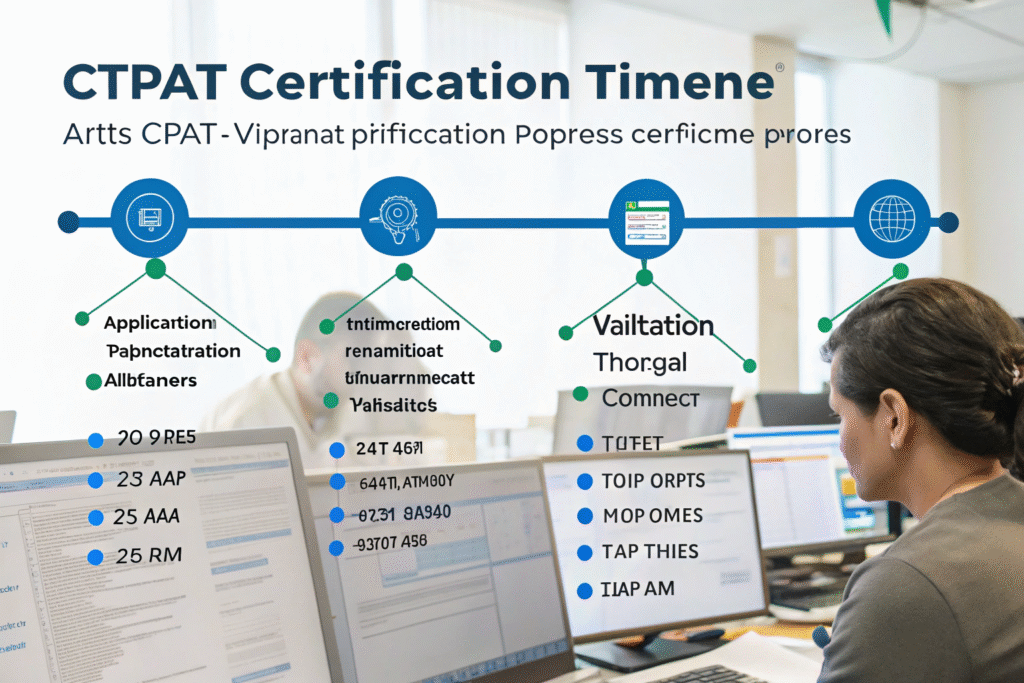
Achieving CTPAT certification requires a structured approach typically taking 6-12 months from initial application to final validation.
What Are the Key Steps in the Certification Journey?
Application submission through the CTPAT portal initiates the process. Companies complete a comprehensive security profile demonstrating how they meet or exceed minimum security criteria.
Security assessment and gap analysis identify improvement needs. Most companies discover security gaps during initial assessment that require remediation before proceeding.
Implementation and documentation address identified vulnerabilities. Companies must implement required security measures and document policies, procedures, and training programs.
What Happens During the CBP Validation Process?
On-site validation by CBP officers verifies implementation. Customs officers visit facilities to verify that documented security measures are properly implemented and effective.
Security profile review ensures comprehensive coverage. Officers compare actual practices against the submitted security profile, noting any discrepancies or areas needing improvement.
Continuous monitoring maintains certification status. After validation, companies must conduct annual self-assessments and recertify every 3-4 years with potential revalidation visits.
How Can Companies Prepare for CTPAT Certification?
Successful certification requires thorough preparation across multiple business functions with executive sponsorship and dedicated resources.
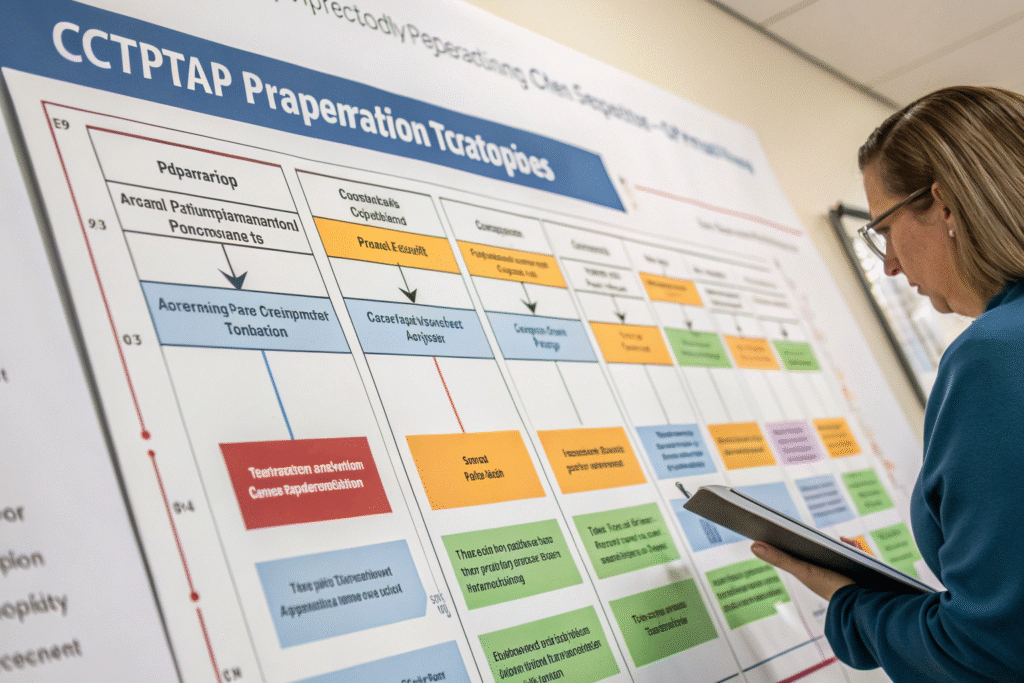
What Internal Assessment Should Precede Application?
Current state analysis evaluates existing security measures. Companies should comprehensively document all existing security policies, procedures, and physical security measures.
Gap analysis identifies areas requiring improvement. Comparing current practices against CTPAT minimum security criteria reveals where enhancements are needed.
Business partner evaluation assesses supply chain readiness. Companies must evaluate their carriers, suppliers, and service providers against CTPAT standards or equivalent requirements.
What Implementation Resources Are Typically Required?
Cross-functional team involvement ensures comprehensive coverage. Successful implementations typically involve security, logistics, HR, IT, and operations personnel with executive sponsorship.
Budget allocation covers both direct and indirect costs. Companies should budget for physical security improvements, technology upgrades, consultant fees, and staff time dedicated to the certification process.
Timeline planning accounts for remediation activities. Most companies need 3-6 months to address identified gaps before submitting their security profile for CBP review.
What Are Common Certification Challenges and Solutions?
Understanding potential obstacles helps companies navigate the certification process more efficiently and successfully.

What Documentation and Process Gaps Cause Delays?
Inadequate procedural documentation is the most common deficiency. Many companies have security practices but lack formally documented procedures, training records, and implementation evidence.
Inconsistent implementation across facilities creates validation issues. Companies with multiple locations often struggle with consistent security measure implementation, particularly for international operations.
Insufficient business partner vetting fails to meet requirements. Many applicants underestimate the rigor required for supply chain partner security validation.
How Can Companies Address Resource and Expertise Limitations?
Security consultant engagement accelerates the process. Many companies benefit from experienced consultants who understand CTPAT requirements and common pitfalls.
Phased implementation approach manages resource constraints. Addressing highest-priority gaps first while planning longer-term improvements can achieve certification while spreading costs.
Executive sponsorship ensures adequate resource allocation. Strong leadership support helps secure budget, staff time, and organizational commitment needed for successful certification.
How Does CTPAT Integration Enhance Overall Supply Chain Security?
Beyond certification benefits, CTPAT principles create more resilient and efficient supply chains through systematic risk management.

How Does CTPAT Create Business Value Beyond Customs Benefits?
Risk management framework provides structured security approach. The required risk assessment processes help companies systematically identify and address vulnerabilities beyond terrorism concerns.
Operational efficiency improves through process standardization. Security-driven process improvements often reveal operational inefficiencies that can be addressed simultaneously.
Business continuity resilience strengthens with comprehensive security. Companies implementing CTPAT requirements typically experience fewer security incidents, cargo losses, and operational disruptions.
What Ongoing Responsibilities Maintain Certification Value?
Annual self-assessment ensures continuous compliance. Companies must formally reassess their security measures annually and address any degradation or new vulnerabilities.
Security incident response and reporting maintains program integrity. Certified members must report certain security incidents and demonstrate appropriate response and corrective actions.
Continuous improvement expectation drives ongoing enhancement. CBP expects certified companies to regularly enhance their security measures as threats evolve and new technologies emerge.
Conclusion
CTPAT represents far more than a customs compliance program—it’s a comprehensive supply chain security framework that delivers tangible business benefits through enhanced efficiency, reduced risk, and competitive differentiation. The most successful participants treat CTPAT as an integral business strategy rather than a standalone compliance requirement, embedding security principles throughout their operations and supply chains.
At GeeseCargo, we’ve helped clients achieve CTPAT certification that reduced their border crossing times by an average of 52% while decreasing security incidents by 70-85%. The key to success lies in approaching certification as a business transformation opportunity rather than a documentation exercise, recognizing that genuine security enhancement creates value beyond customs benefits.
Begin your CTPAT journey by conducting an honest assessment of your current security posture, then develop a phased implementation plan that addresses both certification requirements and business objectives. Remember that in today’s global supply chain environment, security excellence isn’t just about protection—it’s about building the resilient, efficient operations that drive competitive advantage and business growth.