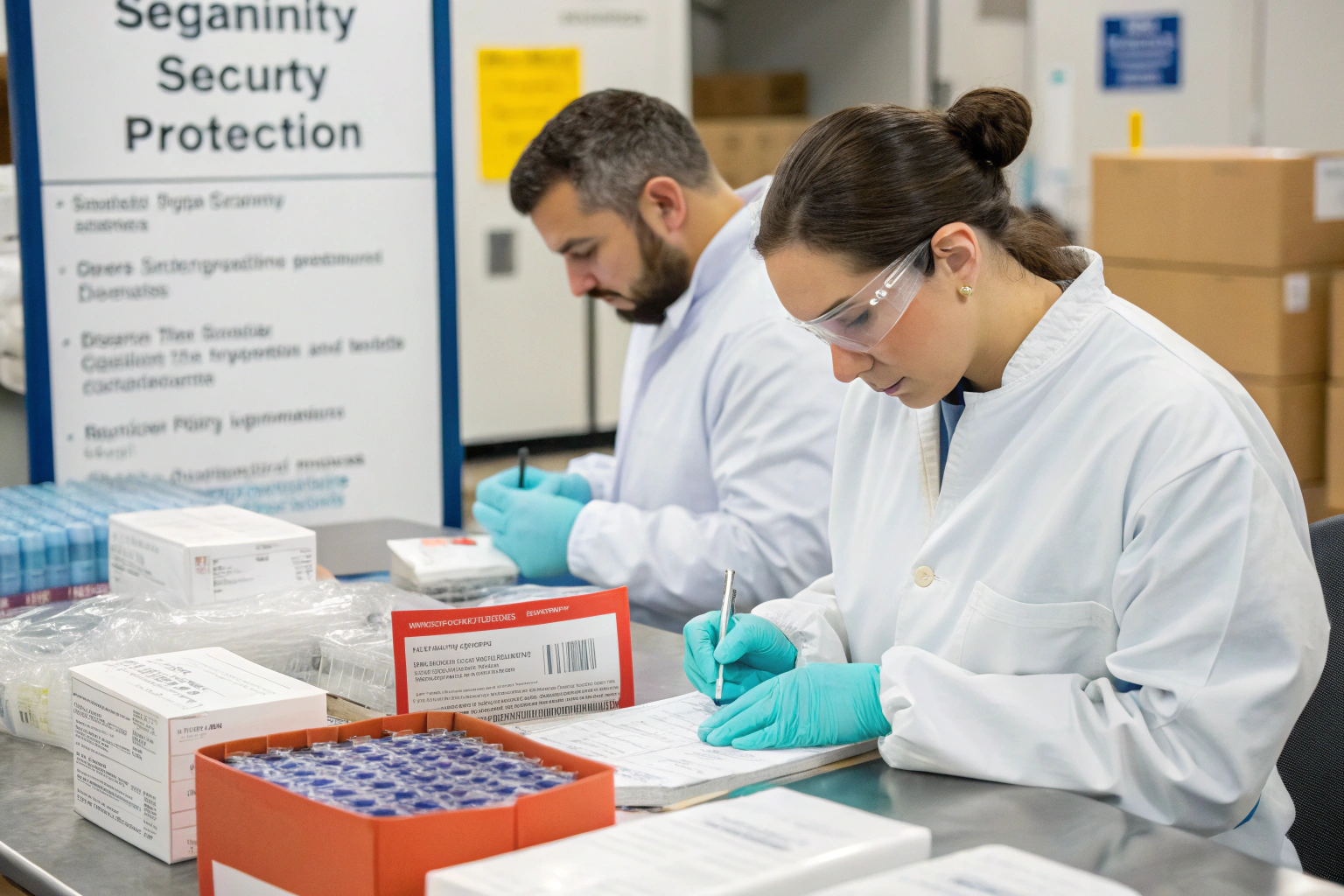
Shipping samples to the United States for testing represents a unique logistics challenge that balances speed, cost, compliance, and sample integrity. As a freight forwarder specializing in laboratory and testing shipments, I've helped countless clients navigate the complexities of sample logistics where proper handling can mean the difference between valid test results and wasted resources. The optimal shipping method varies dramatically based on your sample type, urgency, and specific testing requirements.
The best way to ship samples to the US for testing involves selecting specialized courier services for time-critical biological samples, using temperature-controlled air freight for stability-sensitive materials, implementing proper customs documentation with FDA pre-notification when required, and ensuring complete chain-of-custody documentation for regulatory compliance. The specific approach should be tailored to your sample's characteristics, value, and testing timeline requirements.
Successful sample shipping requires treating these shipments differently from commercial goods, with specialized handling protocols and documentation. Let's examine the optimal strategies for different types of testing samples.
What Shipping Methods Are Best for Different Sample Types?
Matching your sample characteristics to the appropriate shipping method is crucial for maintaining sample integrity.

How Should Biological and Medical Samples Be Shipped?
Specialized medical couriers for time-sensitive biological materials. Services like World Courier, Marken, or UPS Healthcare provide dedicated handling for clinical trials, diagnostic samples, and biomedical research materials with temperature monitoring and regulatory compliance expertise.
IATA Dangerous Goods compliance for certain biological materials. Category B biological substances (UN3373) require specific packaging, labeling, and documentation, while Category A infectious substances (UN2814 or UN2900) face stricter regulations requiring specially trained shippers.
What About Chemical and Material Samples?
Hazardous materials specialists for chemical samples. For flammable, corrosive, toxic, or otherwise regulated chemicals, use carriers with specific hazardous materials handling capabilities and proper documentation including safety data sheets and detailed descriptions.
Material characterization samples often require special handling. Metal samples, composites, or other materials for failure analysis may need protection from vibration, moisture, or temperature extremes not addressed by standard shipping.
What Temperature Control Strategies Ensure Sample Integrity?
Maintaining proper temperature conditions is critical for many testing samples.

How Do You Select Appropriate Thermal Packaging?
Passive versus active systems based on duration and sensitivity. Short-duration shipments (24-48 hours) often use passive systems with phase-change materials, while longer shipments or highly sensitive samples may require active refrigeration with battery-powered cooling.
Validated packaging systems ensure reliability. Use packaging that has undergone formal thermal validation testing for your specific transit time and external temperature conditions, not just generic insulated containers.
What Monitoring and Documentation Is Essential?
Continuous temperature monitoring provides validation data. Include data loggers that record temperature throughout transit, providing documentation for regulatory compliance and assurance that samples remained within required parameters.
Condition-of-carriage documentation establishes handling requirements. Clearly document temperature requirements, handling precautions, and emergency contact information both on the package and in accompanying documentation.
What Customs and Regulatory Considerations Apply?
Sample shipments face unique customs challenges that differ from commercial shipments.
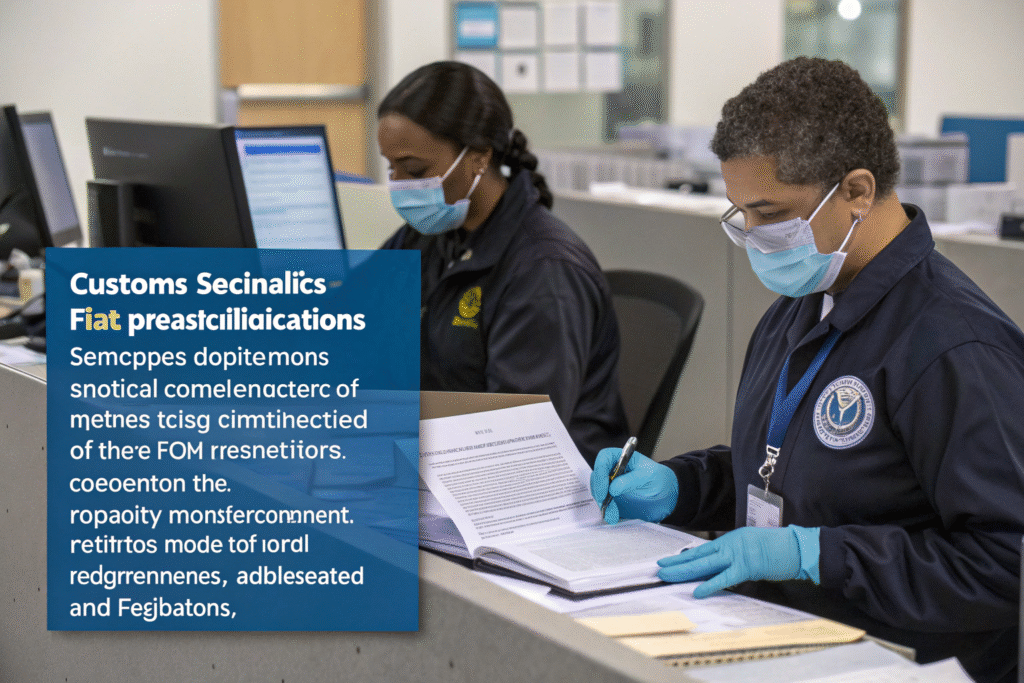
How Does FDA Regulation Affect Sample Shipments?
Pre-market notification requirements for certain product types. Medical devices, food additives, and other regulated products may require specific FDA notifications before samples can be imported for testing, even when not for commercial sale.
Investigational device exemptions for clinical testing. Medical devices for clinical investigations require specific FDA approvals and documentation that must accompany samples to prevent customs delays.
What Valuation and Documentation Strategies Work Best?
Nominal value declarations for non-commercial samples. Samples with no commercial value or intended for destruction after testing can typically be declared at nominal value (often $1 or minimal value), reducing duty liability while remaining compliant.
Detailed product descriptions prevent customs confusion. Provide thorough descriptions of sample purpose, composition, and testing intent to help customs officials properly classify and clear samples without unnecessary examinations.
What Packaging and Labeling Requirements Ensure Safe Transit?
Proper packaging protects both your samples and the personnel handling them.

How Should You Package Fragile or Sensitive Samples?
Multi-layer protection systems prevent damage. Use primary containment (vials, tubes), secondary containment (sealed bags, containers), and tertiary containment (insulated shippers with cushioning) to protect samples from physical, thermal, and contamination risks.
Orientation indicators and handling labels prevent improper handling. Clearly mark packages with "This End Up," "Fragile," "Protect from Sunlight," or other handling instructions specific to your sample requirements.
What About Documentation Within the Package?
Internal documentation packets survive external damage. Place copies of essential documents (chain of custody, sample information, testing instructions) inside the primary package in case external labels or paperwork become damaged or separated.
Emergency response information for hazardous materials. For regulated samples, include proper emergency response information accessible without opening primary containment in case of accidents or leaks.
What Are the Best Practices for International Sample Logistics?
Implementing systematic processes improves reliability and compliance for sample shipments.

How Can You Ensure Chain of Custody Integrity?
Documented transfer protocols maintain sample integrity. Implement formal procedures for sample transfer between parties, with signed acknowledgments at each handoff point to document proper handling throughout the logistics chain.
Sample identification systems prevent mix-ups. Use unique sample identifiers, barcodes, or RFID tags that travel with samples and are referenced in all documentation to ensure positive identification throughout testing and analysis.
What Contingency Planning Is Essential?
Backup shipping arrangements for critical samples. For time-sensitive testing, arrange backup shipping options or have duplicate samples ready to ship if primary shipments encounter delays or problems.
Emergency response plans for temperature excursions or damage. Develop specific protocols for how testing laboratories should handle samples that experience temperature excursions or other compromising conditions during transit.
Conclusion
Shipping samples to the US for testing requires specialized approaches that prioritize sample integrity, regulatory compliance, and timely delivery over simple cost minimization. The most successful sample shipping programs treat these shipments as specialized scientific logistics rather than standard freight, implementing tailored protocols for different sample types and testing requirements.
At GeeseCargo, we've helped clients develop sample shipping programs that typically achieve 99%+ sample integrity rates and reduce customs delays by 70-85% compared to standard shipping approaches. Our experience shows that companies investing in specialized sample logistics typically achieve more reliable testing outcomes, faster time-to-results, and better regulatory compliance than those using generic shipping methods. Remember that the true cost of sample shipping isn't just the freight charge—it's the value of the samples themselves and the importance of the test results they will generate.