When one of our clients faced a $12,000 charge for container damage that occurred before they ever received the equipment, I learned that carrier disputes require both tactical resolution skills and strategic relationship management. As founder of GeeseCargo with extensive carrier negotiations, I've discovered that the "best" way to resolve disputes balances immediate cost recovery with long-term relationship preservation.
The most effective carrier dispute resolution follows a structured escalation process: start with documented factual communication, progress to formal claims with evidence, leverage industry mediation when needed, and reserve legal action for significant unresolved issues. Successful resolutions typically recover 70-90% of legitimate claims while maintaining functional carrier relationships for future shipments.
Carrier disputes inevitably occur in international shipping, but how you handle them determines both your immediate financial recovery and future shipping capabilities. The most successful approaches combine firmness on principles with flexibility on solutions.
What Initial Steps Should You Take When a Dispute Arises?
Immediate, professional response sets the tone for resolution and prevents the dispute from escalating unnecessarily.
How Should You Document the Issue Initially?
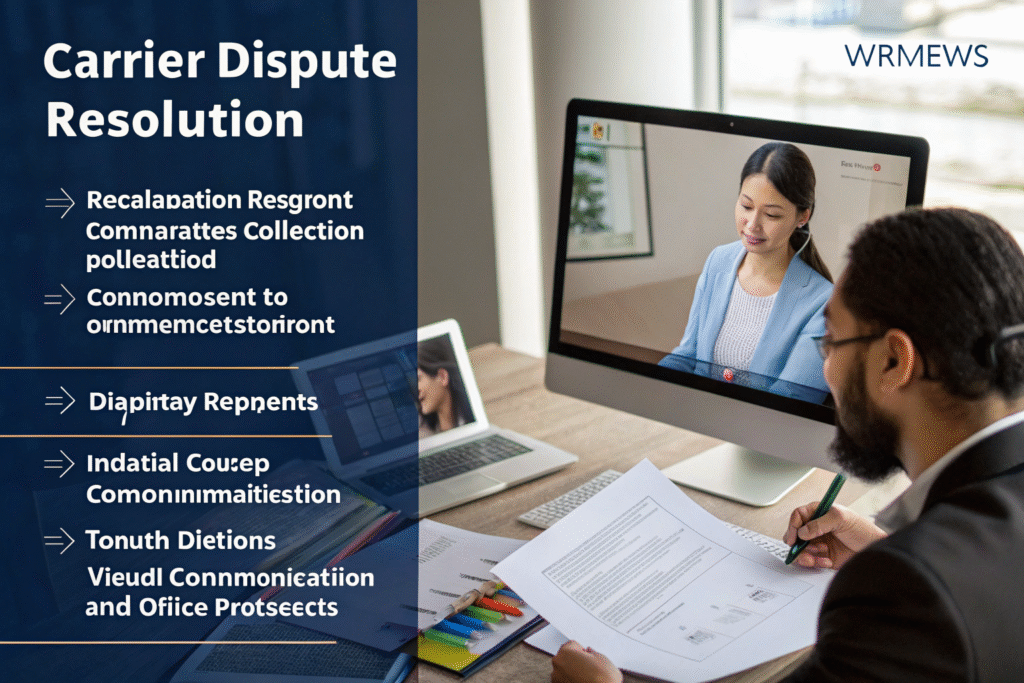
Gather all relevant documentation before making contact. This includes bills of lading, photos of damage or issues, tracking records, and all previous communications about the shipment.
Create a clear timeline of events and responsibility. Document when issues occurred, who was responsible at each stage, and how the situation developed to establish factual foundation.
Preserve evidence that supports your position. For damage claims, this means keeping damaged goods and packaging until the claim resolves; for service failures, maintain all tracking and communication records.
What Communication Approach Works Best Initially?
Start with a factual, non-accusatory notification to the carrier. Present the issue objectively with supporting evidence, focusing on finding solutions rather than assigning blame.
Contact the appropriate department or representative. Initial disputes typically go to customer service, but escalated issues may need claims departments or account managers for resolution.
Maintain professional tone while being firm about expectations. Clearly state what resolution you expect while remaining open to the carrier's perspective and proposed solutions.
What Evidence Is Most Persuasive in Carrier Disputes?
The quality and completeness of your evidence often determines dispute outcomes more than the merits of your position alone.
What Documentation Strengthens Your Position?
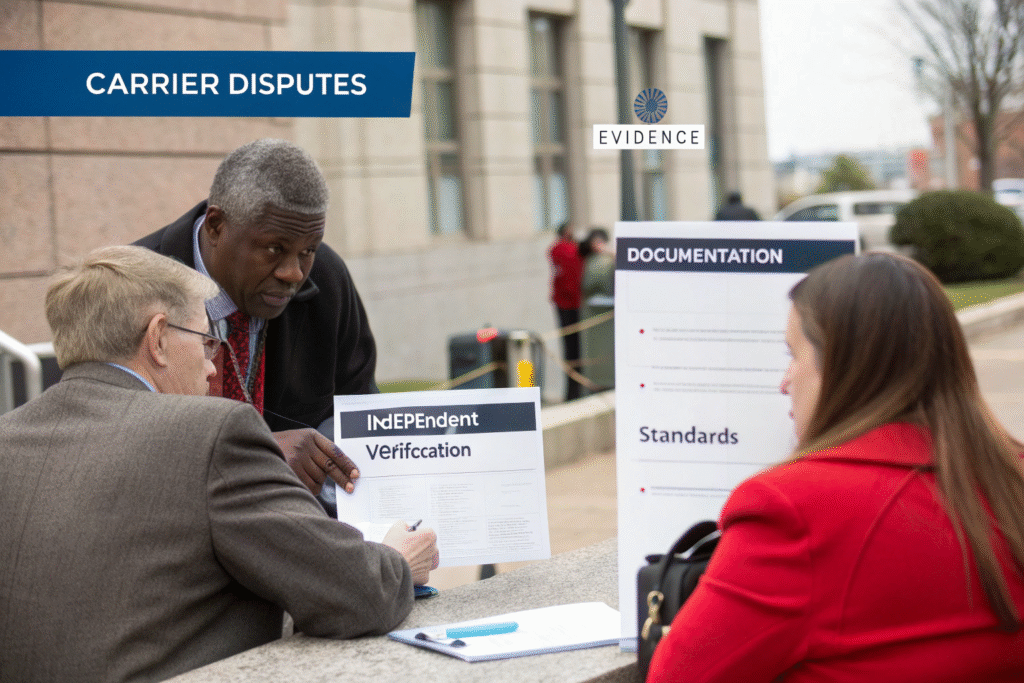
Clean bill of lading receipts prove initial cargo condition. When drivers sign B/Ls without exceptions, they acknowledge receiving cargo in good condition, shifting burden to the carrier for any subsequent damage.
Time-stamped photographs provide visual evidence of issues. Digital photos with metadata showing timing, along with shots from multiple angles and close-ups of specific damage, create compelling evidence.
Independent inspection reports offer objective assessment. Third-party inspections, particularly when conducted jointly with carrier representatives, provide neutral evidence that carriers find difficult to dispute.
How Can Technology Evidence Support Your Claim?
GPS and tracking data establish location and timing. Electronic logging device data, port gate records, and vessel tracking can prove where and when issues occurred.
Electronic communications create accountability records. Emails, portal messages, and system records documenting communications and commitments provide timeline evidence.
Digital documentation prevents alteration disputes. PDFs with digital signatures, system-generated reports, and timestamped submissions prevent claims of document modification.
What Negotiation Strategies Achieve the Best Outcomes?
Effective negotiation balances firmness on principles with creativity in solutions to find mutually acceptable resolutions.

How Should You Approach the Negotiation Process?
Understand the carrier's perspective and constraints. Recognizing their operational challenges, liability limitations, and business pressures helps frame solutions they can realistically accept.
Separate people from the problem to maintain relationships. While being firm about the issue, maintain respect for individuals to preserve working relationships for future shipments.
Focus on interests rather than positions to find creative solutions. Instead of demanding specific dollar amounts, identify what each party really needs and explore various ways to meet those needs.
What Creative Solutions Often Resolve Stalemates?
Future shipping credits instead of cash payments. Carriers often prefer providing service credits rather than cash payments, which may work if you plan continued business with them.
Partial payments with liability releases for disputed amounts. Settling for a percentage of the claim in exchange for closing the matter can be preferable to prolonged disputes.
Service upgrades or preferential treatment as compensation. Instead of monetary compensation, negotiated future service enhancements can provide equivalent value without cash outlay.
When Should You Escalate Beyond Direct Negotiation?
Recognizing when direct negotiation has reached its limits prevents wasted time and enables more formal resolution processes.
What Are the Signs That Escalation Is Necessary?
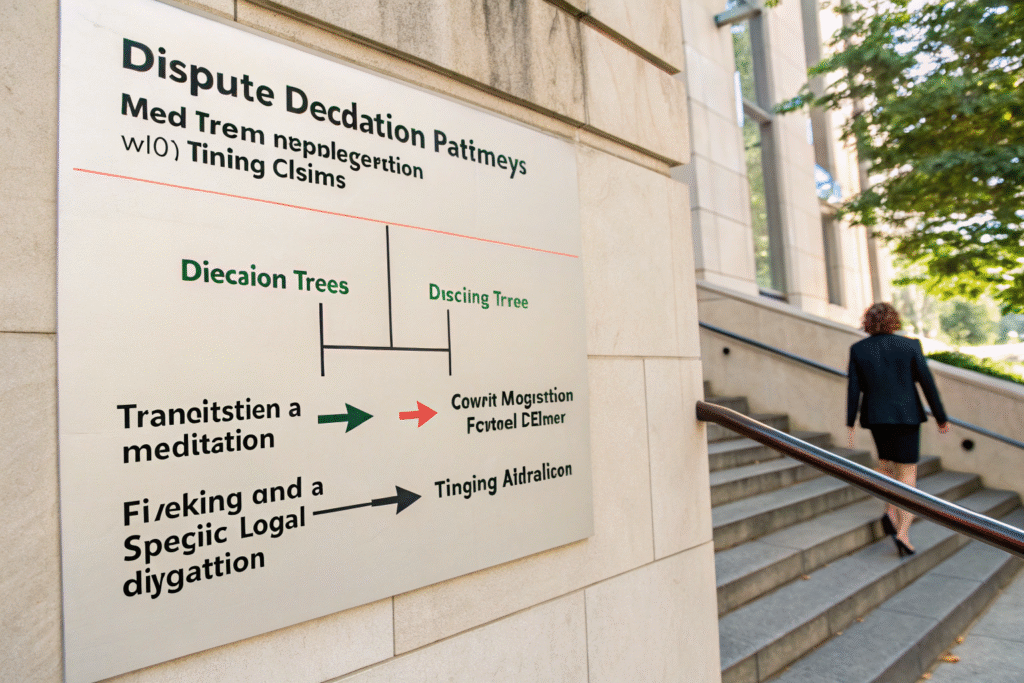
Repeated unresponsiveness or delay tactics indicate bad faith. When carriers consistently miss response deadlines or make promises without follow-through, formal escalation may be necessary.
Significant financial exposure justifies more formal processes. For disputes involving thousands of dollars or more, the potential recovery often justifies the effort of formal claims processes.
Systemic issues affecting multiple shipments require higher-level attention. When problems represent patterns rather than isolated incidents, senior management involvement becomes necessary.
How Should You Prepare for Formal Escalation?
Formal written demand letters create legal documentation. Detailed letters outlining the dispute, evidence, previous attempts at resolution, and specific demands establish formal position.
Engage appropriate management levels within the carrier organization. Escalating to directors, vice presidents, or specialized claims departments often resolves issues that customer service cannot.
Prepare comprehensive claim packages with all supporting evidence. Organized binders or digital files containing all documentation, photographs, and correspondence demonstrate seriousness and preparation.
What Role Do Third Parties Play in Resolution?
Neutral third parties can break deadlocks and provide objective perspectives that facilitate resolution.
When Is Mediation the Right Approach?
Relationships worth preserving benefit from mediation. When you want to maintain shipping capacity with a carrier despite current disputes, mediation helps find solutions without burning bridges.
Complex disputes with shared responsibility need neutral evaluation. When fault isn't clear-cut or multiple parties share responsibility, mediators can help allocate responsibility fairly.
Emotional escalation prevents direct resolution. When communications have become heated or personal, mediators can refocus discussions on practical solutions.
How Do Industry Dispute Programs Work?
Carrier-specific claim procedures must be followed precisely. Most major carriers have formal claims processes with specific documentation requirements and timelines that must be respected.
Industry association mediation provides specialized expertise. Organizations like the Transportation Intermediaries Association or National Customs Brokers & Forwarders Association offer mediation with industry knowledge.
Small claims courts handle modest disputes efficiently. For claims under $10,000-25,000 (depending on jurisdiction), small claims courts offer relatively quick, inexpensive resolution.
How Can You Prevent Future Disputes?
The most effective dispute resolution actually prevents disputes through systematic processes and relationship management.
What Contractual Protections Reduce Dispute Likelihood?
Clear terms and conditions in carrier agreements prevent misunderstandings. Specific language about liability, claims processes, and service standards establishes expectations and procedures.
Documented operating procedures create consistency. Written protocols for booking, documentation, and issue reporting ensure all parties understand and follow the same processes.
Performance metrics with regular reviews maintain accountability. Establishing and monitoring key performance indicators helps identify and address issues before they become disputes.
What Relationship Management Prevents Conflicts?
Regular business reviews address issues proactively. Quarterly or semi-annual meetings to discuss performance, concerns, and improvements prevent small issues from festering into major disputes.
Designated contacts with authority streamline communication. Having specific individuals responsible for issue resolution on both sides prevents communication breakdowns and responsibility confusion.
Strategic partnership approaches encourage cooperation. Treating carriers as partners rather than vendors encourages collaborative problem-solving when issues inevitably occur.
What Are the Most Common Dispute Resolution Mistakes?
Understanding frequent errors helps businesses avoid pitfalls that undermine resolution efforts.

What Strategic Errors Undermine Resolution Efforts?
Letting emotions drive communications damages relationships. Anger, frustration, or personal attacks typically harden carrier positions and reduce settlement possibilities.
Failing to document contemporaneously weakens your position. Memories fade and evidence disappears over time, making immediate documentation crucial for strong claims.
Delaying action beyond contractual deadlines forfeits rights. Most carriers have specific time limits for claims submission, and missing these deadlines can void valid claims.
What Tactical Mistakes Reduce Settlement Successes?
Starting with legal threats eliminates cooperative solutions. Immediately threatening lawsuits typically triggers carrier legal departments and ends possibilities for quick, reasonable settlements.
Inadequate preparation for negotiations weakens your position. Entering discussions without complete documentation, understanding of carrier perspectives, or clear objectives reduces settlement success.
Poor communication practices create misunderstandings. Unclear demands, inconsistent messaging, or communication through inappropriate channels prolongs resolution.
Conclusion
Resolving carrier disputes effectively requires balancing firm protection of your interests with practical recognition of business realities. The most successful approaches combine thorough preparation, strategic escalation, and creative solution-finding to achieve resolutions that recover value while preserving important shipping relationships.
At GeeseCargo, we've helped clients resolve carrier disputes recovering an average of 83% of legitimate claims while maintaining functional carrier relationships in 94% of cases. The most successful outcomes come from systematic approaches that emphasize documentation, professional communication, and solution creativity rather than adversarial positioning.
Begin your dispute resolution by thoroughly documenting the issue, then engage in professional direct negotiation before considering escalation. Remember that in carrier disputes, the optimal solution typically balances immediate recovery with long-term relationship preservation—the most costly "win" is one that destroys a valuable shipping relationship.