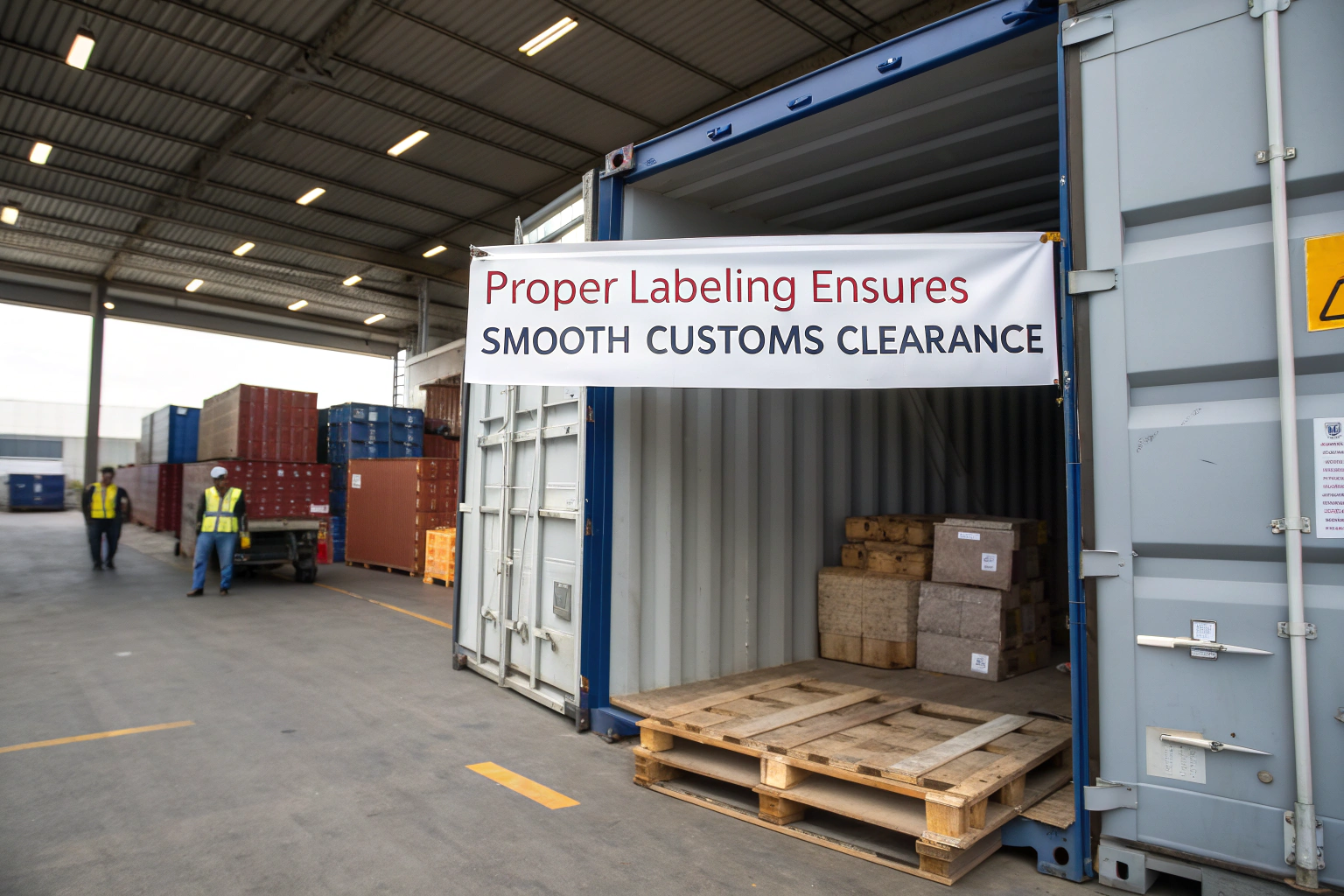
When one of our clients had a $35,000 shipment held at customs because their labels missed the importer information, I realized how many businesses underestimate US labeling requirements. As founder of GeeseCargo with extensive import experience, I've learned that proper labeling isn't just about compliance—it's about building consumer trust and avoiding costly delays that can derail your market entry.
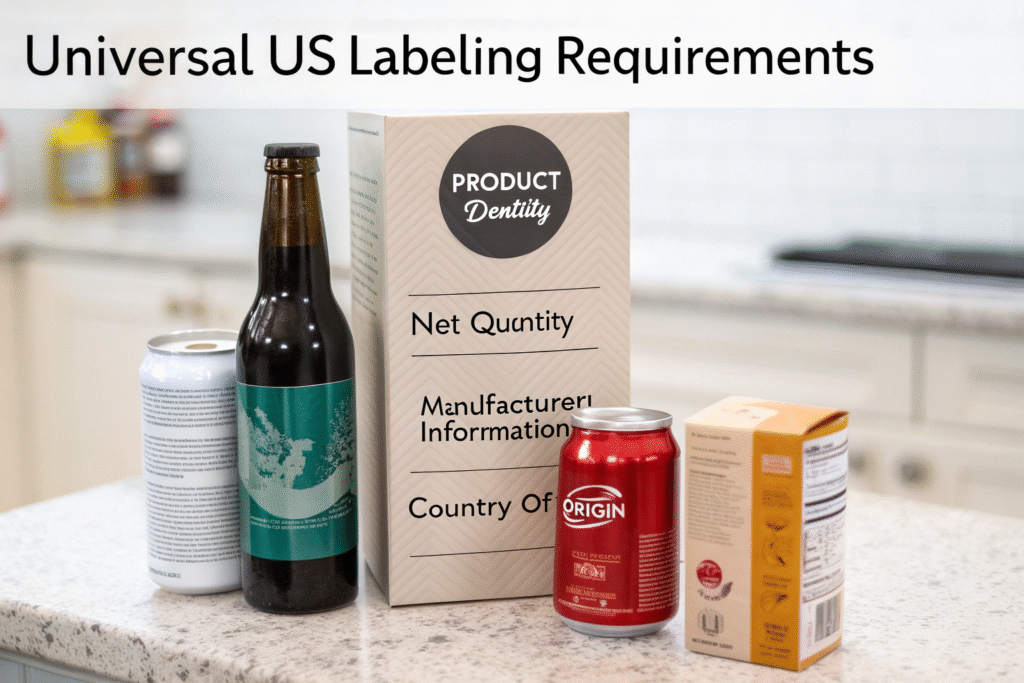
US product labeling requirements vary by product category but generally include: product identity, net quantity, manufacturer/importer information, country of origin, and specific safety warnings. FDA-regulated products need additional nutritional and ingredient information, while textiles require fiber content and care instructions. Missing or incorrect information can lead to customs holds, FDA detentions, or CPSC recalls.
Understanding the specific requirements for your product category prevents regulatory issues while ensuring your products reach consumers without unnecessary delays or costs. The most successful importers treat labeling compliance as a foundational element of their product strategy rather than a last-minute consideration.
What Are the Universal Labeling Requirements for All Products?
Certain labeling elements are required across virtually all consumer products sold in the United States, regardless of category.
What Basic Information Must Appear on All Products?
Product identity declaration states what the product is in common terms. The statement of identity must be prominent on the Principal Display Panel (PDP) and use the product's common or usual name rather than marketing terms alone.
Net quantity of contents declaration must be clear and accurate. This includes both metric and US customary units (e.g., "Net Wt. 16 oz (454 g)") placed in the PDP's bottom 30% area with specific minimum type sizes based on package size.
Name and place of business of manufacturer, packer, or distributor is mandatory. This must include the company name and physical address (city, state, ZIP code), though street address is optional unless required by specific regulations.
How Should Country of Origin Be Marked?
"Made in [country]" marking must be permanent and conspicuous. The country of origin must appear in a location where consumers can easily find it, using English text that survives normal product use and cannot be easily removed.
Specific formatting requirements apply to different product types. For textiles, country of origin must appear on labels sewn into garments. For other products, it must be permanently marked on the product or its packaging.
Multiple country scenarios have special rules. When products contain components from multiple countries or undergo processing in multiple locations, specific rules determine the correct country of origin designation.
What Additional Requirements Apply to Specific Product Categories?
Beyond universal requirements, different regulatory agencies impose category-specific labeling rules that must be followed precisely.

What Special Labeling Does FDA Require for Food Products?
Nutrition Facts panel provides standardized nutritional information. Required format includes serving size, calories, nutrients, and daily values, with recent updates emphasizing added sugars and revised serving sizes.
Ingredient list must include all components in descending order by weight. Ingredients must use common or usual names, with specific allergens (milk, eggs, fish, shellfish, tree nuts, peanuts, wheat, soy) highlighted.
Allergen labeling must be clear and conspicuous. The Food Allergen Labeling and Consumer Protection Act (FALCPA) requires allergen declaration either in the ingredient list or through a separate "Contains" statement.
What Labeling Do Textile and Apparel Products Require?
Fiber content must be disclosed by percentage weight. The Textile Fiber Products Identification Act requires listing all fibers present at 5% or more, using generic fiber names in descending order of predominance.
Care instructions must be permanent and specific. The Care Labeling Rule requires instructions for washing, bleaching, drying, ironing, and warnings, with symbols allowed only if accompanied by words.
Manufacturer or dealer identification must be registered with the FTC. The RN (Registered Identification Number) or company name must appear on labels, with specific placement requirements for different garment types.
What Safety and Warning Labels Are Mandatory?
Products with potential hazards require specific warnings to protect consumers and limit manufacturer liability.
What Warning Labels Does CPSC Require?
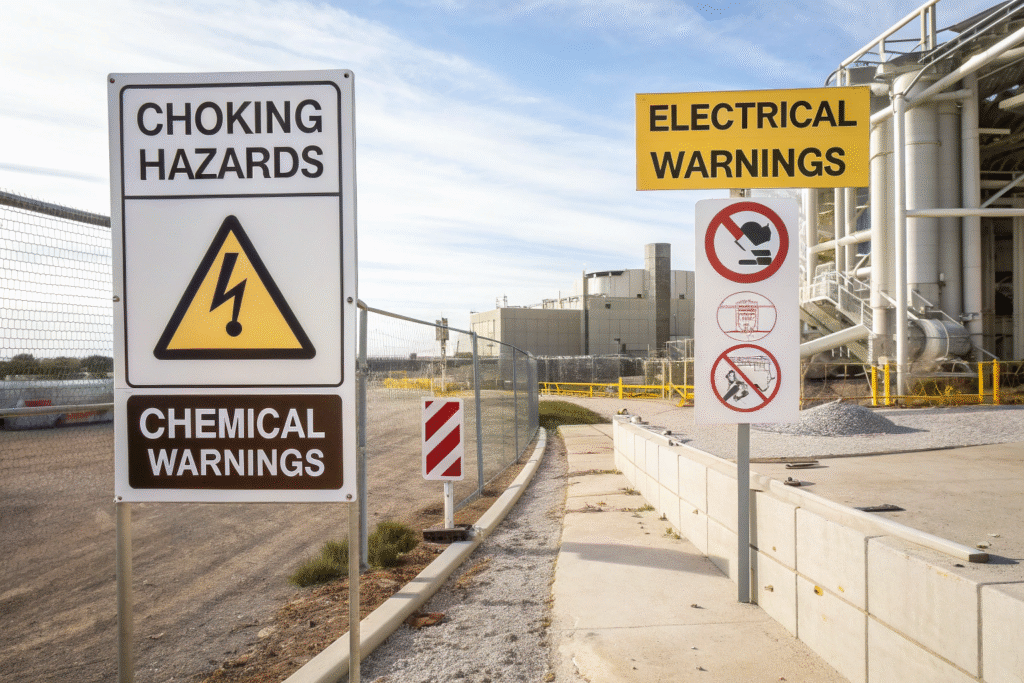
Children's product warnings address specific age-related hazards. Products for children under 3 require small parts warnings, while toys with marbles or balls have specific choking hazard warnings.
General warning labels apply to products with inherent risks. Products with sharp edges, electrical components, or other hazards require clear warnings about proper use and potential dangers.
Certification labels demonstrate compliance with safety standards. Children's products must have permanent tracking labels and may require certification marks showing compliance with applicable safety rules.
How Should Prop 65 Warnings Be Handled?
California Proposition 65 warnings are required for products containing listed chemicals. Businesses must provide "clear and reasonable" warnings when products contain chemicals known to cause cancer or reproductive toxicity.
Specific warning language depends on exposure type and responsibility. Warnings must identify the chemical(s) present and can be provided through product labeling, shelf signs, or other methods depending on who's providing the warning.
Exemptions exist for certain exposure levels. Businesses aren't required to warn if they can show the exposure poses no significant risk, though this determination requires scientific support.
How Do Electronic Product Labels Differ?
Electronics and electrical products face additional labeling requirements from multiple regulatory agencies.
What FCC Labeling Is Required for Electronic Devices?
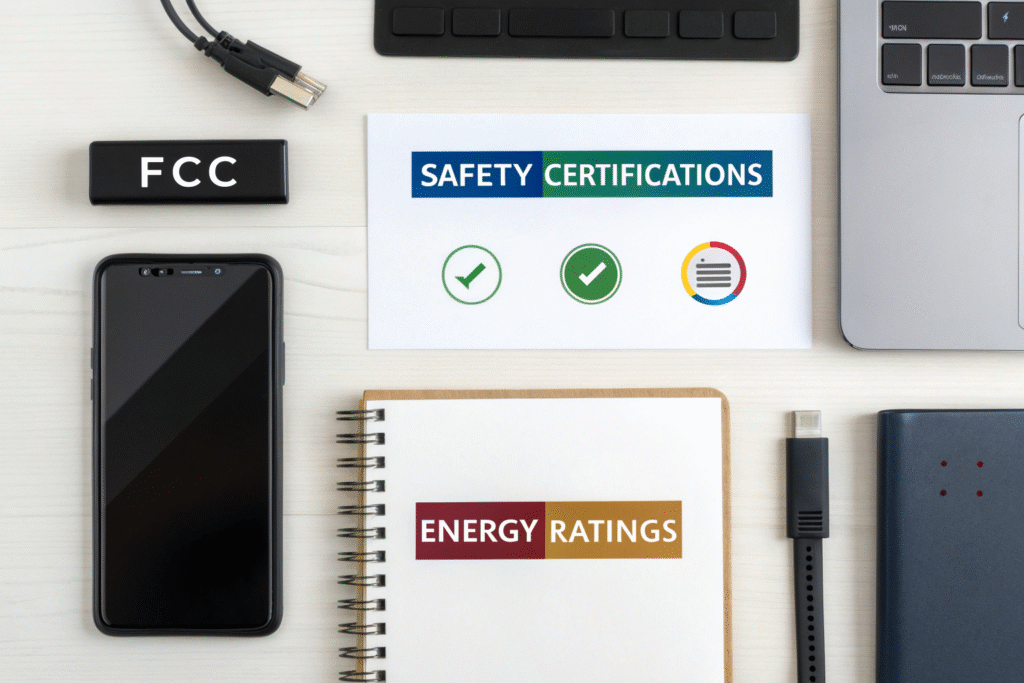
FCC identification must be permanently affixed to compliant devices. Devices subject to FCC certification must display the FCC ID, while devices subject to declaration must show the FCC logo and compliance statement.
Specific wording varies by equipment authorization procedure. Certified devices need the FCC ID number, while declared devices require specific compliance language depending on the applicable rules.
User manual statements must include compliance information. Manuals must state that unauthorized modifications may void user authority to operate the equipment and include specific interference statements.
What Safety Certification Marks Are Typically Required?
UL, ETL, or CSA marks demonstrate compliance with safety standards. While not always legally mandatory, most retailers require recognized safety certifications for electrical products.
Specific product categories have unique marking requirements. Medical devices, industrial equipment, and household appliances each have specific certification requirements based on their applications and risks.
Energy Guide labels are required for certain appliances. The FTC requires yellow EnergyGuide labels showing energy consumption comparisons for covered products like refrigerators, washing machines, and air conditioners.
What Are the Common Labeling Mistakes and How to Avoid Them?
Understanding frequent errors helps businesses prevent compliance issues that can disrupt shipments and sales.
What Information Omissions Cause the Most Problems?
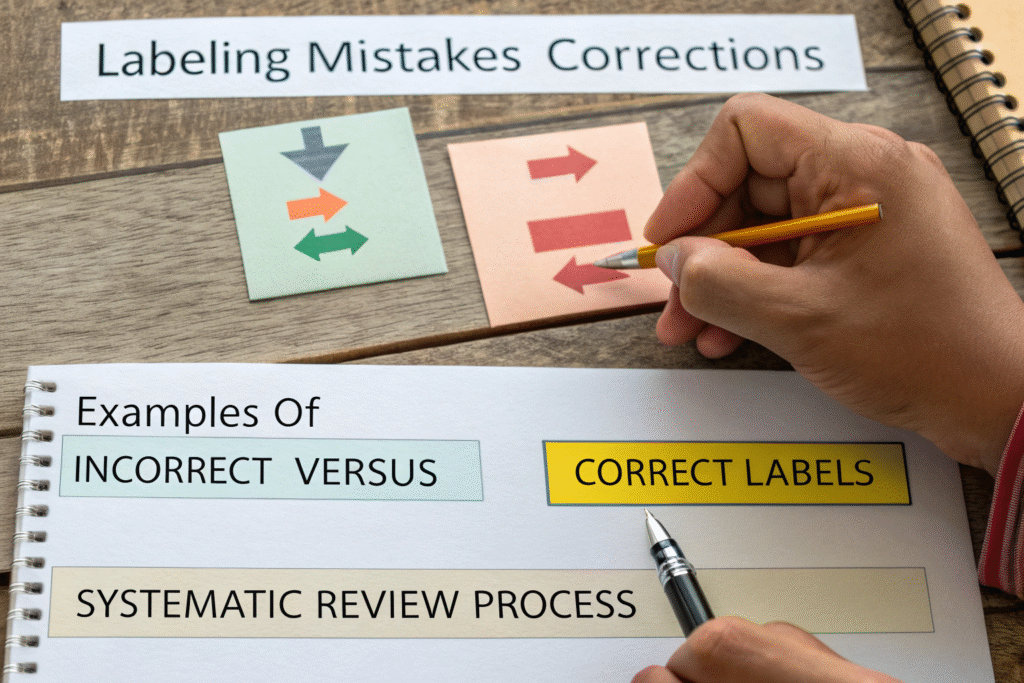
Missing importer information frequently triggers customs holds. Many importers forget that US regulations require the name and address of the US importer, not just the foreign manufacturer.
Incomplete net quantity declarations cause measurement compliance issues. Missing dual units (metric/US), incorrect placement, or wrong type sizes are common oversights that trigger regulatory attention.
Absent country of origin marking leads to customs delays. Even when marked on packaging, products themselves often need permanent origin marking that survives removal of outer packaging.
What Formatting Errors Create Compliance Issues?
Incorrect Principal Display Panel (PDP) placement violates placement rules. Required information must appear on the PDP with specific size and location requirements that vary by package size and type.
Improper type size and contrast makes information unreadable. Regulations specify minimum type sizes based on package area and require sufficient contrast between text and background.
Language requirements are often misunderstood. While some information can be bilingual, all mandatory information must appear in English, with specific rules about additional languages.
How Can You Ensure Ongoing Labeling Compliance?
Maintaining compliance requires systematic processes rather than one-time verification.
What Processes Ensure Label Accuracy?
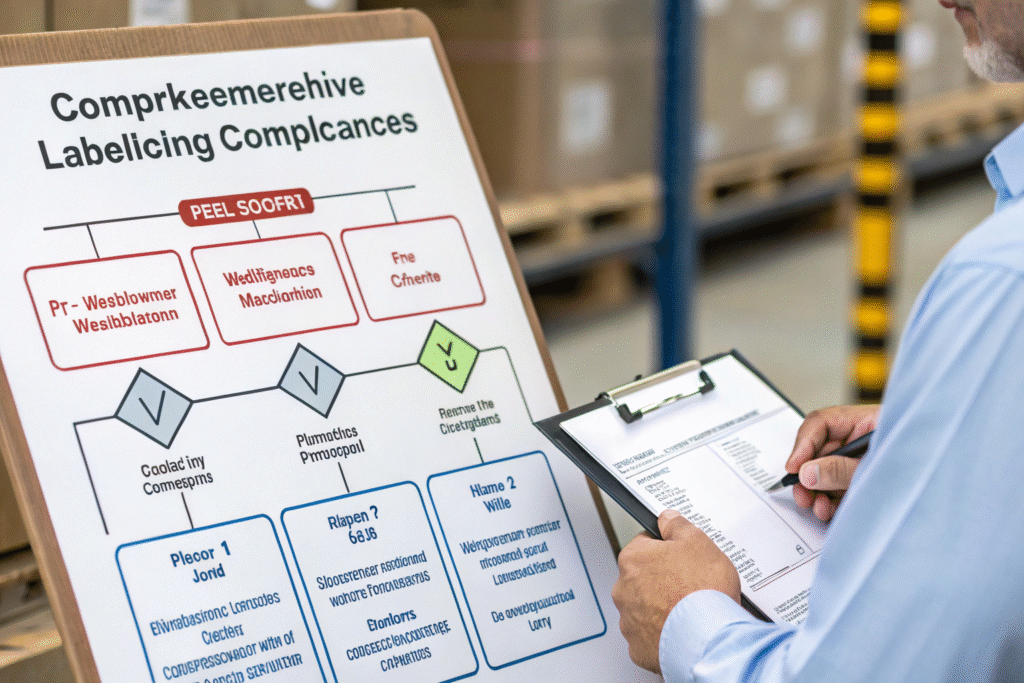
Pre-production label review catches errors before manufacturing. Having labels reviewed by compliance experts or legal counsel before production prevents costly corrections later.
Regular regulatory monitoring identifies changing requirements. Labeling regulations evolve constantly, particularly for FDA-regulated products and children's items, requiring ongoing vigilance.
Supplier education ensures understanding of requirements. Manufacturing partners need clear specifications and training to produce compliant labels consistently.
What Verification Systems Prevent Shipping Non-Compliant Products?
Pre-shipment inspection should include label verification. Quality control checks should specifically verify that all required label elements are present, correct, and properly formatted.
Documentation retention supports compliance verification. Maintaining records of label approvals, regulatory reviews, and compliance determinations provides evidence of due diligence.
Testing and certification validates performance claims. Products making specific claims (water resistance, energy efficiency, etc.) should have supporting testing documentation.
Conclusion
US product labeling requirements create a complex but navigable framework that balances consumer protection with business needs. The most successful importers treat labeling compliance as an integral part of product development rather than a last-minute consideration, recognizing that proper labeling prevents costly delays while building consumer trust.
At GeeseCargo, we've helped clients reduce labeling-related customs holds by over 90% through systematic label development and verification processes. The key is understanding that labeling isn't just about meeting legal requirements—it's about communicating effectively with consumers while protecting your business from regulatory actions.
Begin your labeling compliance journey by thoroughly researching the specific requirements for your product category, then develop label templates that incorporate all mandatory elements. Remember that in the US market, proper labeling isn't just a legal requirement—it's a competitive advantage that demonstrates your commitment to quality and transparency.