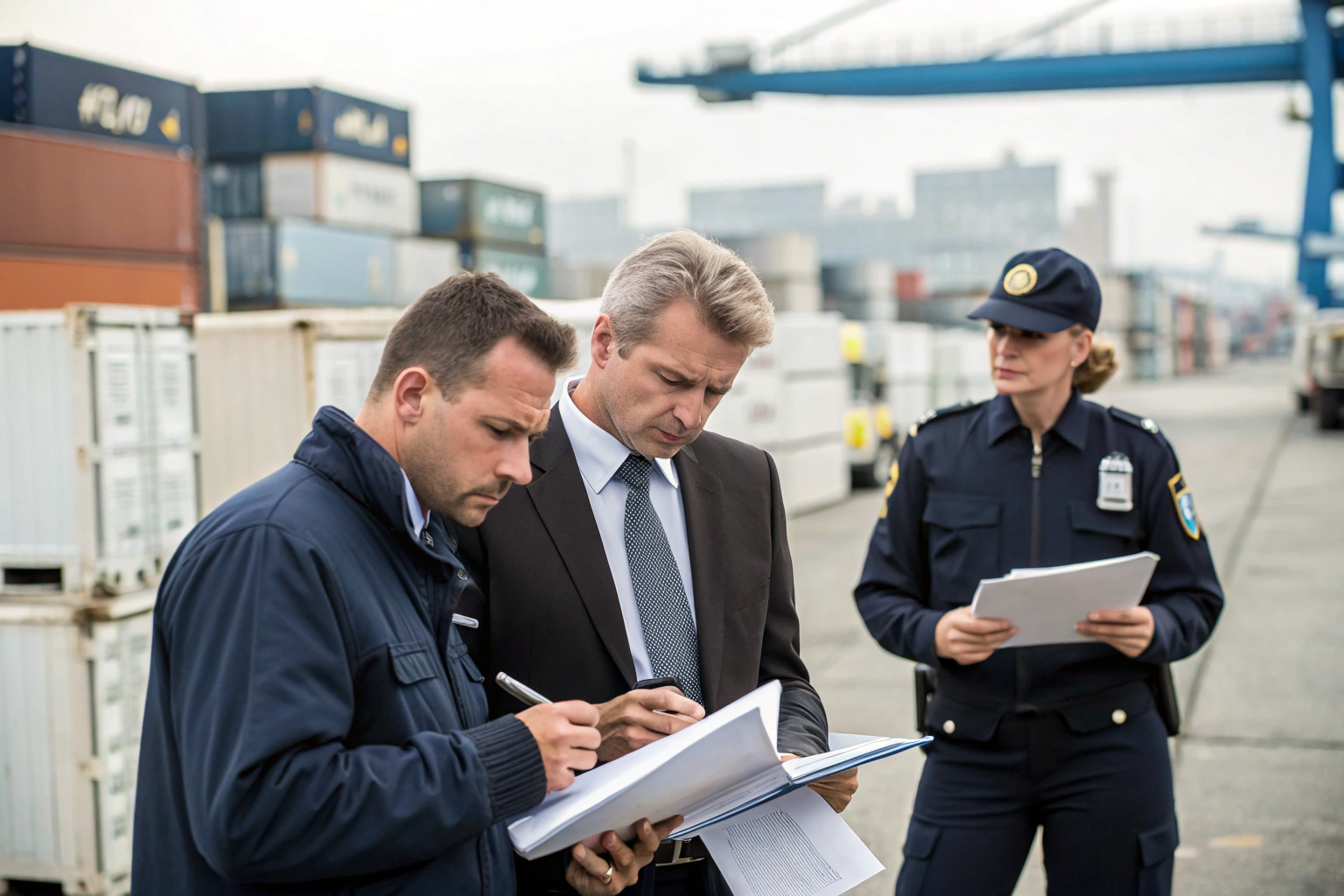
Under-declaring the value of your imported goods is one of the most serious compliance violations in international trade, with consequences that extend far beyond simply paying additional duties. As a freight forwarder who has witnessed numerous clients face severe penalties for valuation discrepancies, I can attest that the risks dramatically outweigh any potential short-term savings. Customs authorities worldwide have sophisticated systems specifically designed to detect undervaluation, making successful evasion increasingly unlikely.
If you under-declare the value of your goods, you face customs penalties up to 100% of the undervalued amount, potential criminal prosecution, shipment seizure, loss of import privileges, and being flagged for heightened scrutiny on all future shipments. The consequences are administrative, financial, legal, and reputational, creating long-term business impacts that can far exceed the temporary duty savings.
Customs valuation enforcement has become increasingly sophisticated with data analytics, trade intelligence, and international cooperation making detection more probable than ever. Let's examine the specific consequences and why proper valuation is essential for sustainable importing.
What Immediate Consequences Occur Upon Detection?
When customs identifies undervaluation, the immediate consequences can disrupt your supply chain and finances significantly.
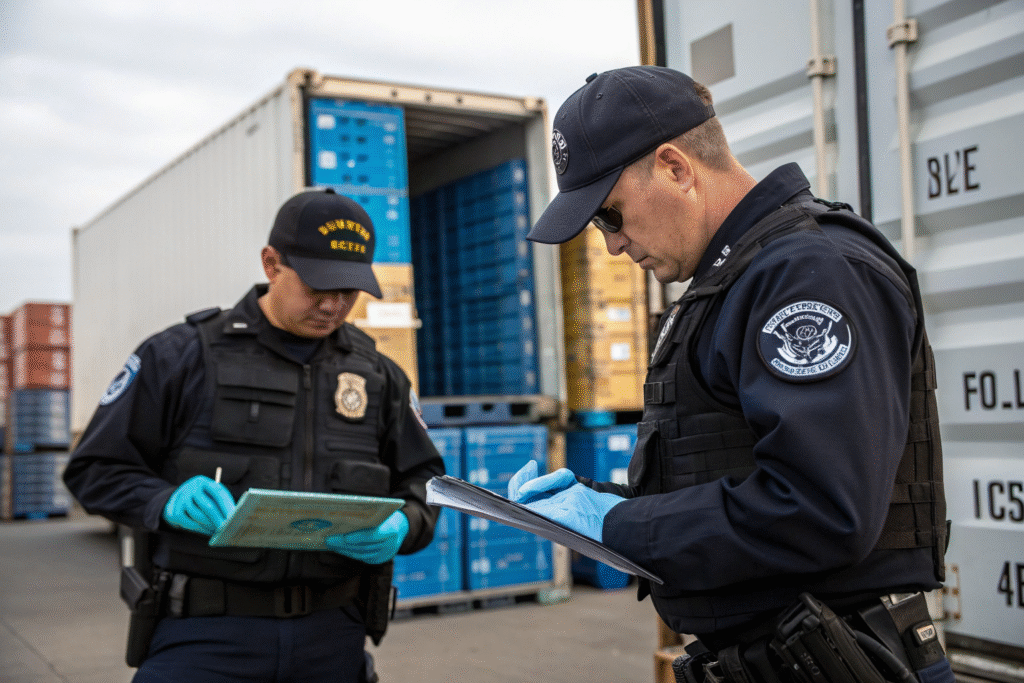
How Does Customs Typically Respond to Undervaluation?
Shipment detention and examination creates immediate disruption. Upon suspicion of undervaluation, customs will detain your shipment for thorough examination, potentially for weeks, while they verify the correct value. This delay often causes missed delivery deadlines and contractual penalties with your customers.
Additional duty assessment with interest recovers lost revenue. Customs will calculate the proper duty amount based on the correct valuation and require immediate payment of the difference plus interest, which accrues from the original entry date.
What About Goods Seizure and Forfeiture?
Seizure authority for deliberate undervaluation. In cases of intentional fraud, customs can seize your goods entirely, requiring a lengthy petition process for potential release (with heavy penalties) or resulting in complete forfeiture.
Administrative penalties apply even for "negligent" errors. Even if undervaluation wasn't intentional, customs can impose penalties equal to the domestic value of the merchandise for negligent violations, which can exceed the original shipment value.
What Financial Penalties and Costs Apply?
The financial consequences of undervaluation typically far exceed any potential duty savings.

How Are Monetary Penalties Calculated?
Civil penalties based on violation type vary by severity. For negligence (failure to exercise reasonable care), penalties range from 0.5 to 2 times the loss of duty. For gross negligence (willful disregard), penalties are 2.5 to 4 times the duty loss. For fraud (intentional violation), penalties can reach the domestic value of the merchandise.
Duty loss calculation includes all unpaid amounts. Customs calculates the total duty, taxes, and fees that should have been paid based on the correct value, then applies penalty multipliers to this amount.
What Additional Costs Accumulate?
Storage and examination fees during detention. While customs investigates, you pay daily storage fees at ports or examination facilities, plus any costs associated with specialized examinations or testing customs orders.
Legal and professional fees for defense and resolution. Hiring customs attorneys, consultants, and experts to navigate the penalty process typically costs $5,000-$50,000 depending on case complexity, in addition to any penalties owed.
What Long-Term Compliance Consequences Arise?
The impacts of undervaluation extend far beyond the immediate shipment, creating ongoing compliance burdens.

How Does Future Shipping Experience Change?
Heightened scrutiny on all future shipments becomes standard. Once flagged for valuation issues, your company will likely receive increased examination rates, more detailed documentation requests, and slower processing on all future imports, potentially for several years.
Loss of trusted trader program eligibility affects preferential treatment. Companies with valuation violations typically become ineligible for programs like C-TPAT (Customs-Trade Partnership Against Terrorism) that provide expedited processing and reduced examinations.
What About Business Reputation and Relationships?
Supplier and customer relationship damage from shipment disruptions. When your shipments are detained or seized, your entire supply chain suffers, damaging relationships with both suppliers awaiting payment and customers expecting delivery.
Banking and financing complications may arise. Financial institutions conducting due diligence may reconsider relationships with companies facing customs penalties, affecting trade financing and credit arrangements.
What Are the Legal and Criminal Risks?
In severe cases, undervaluation crosses from civil violations into criminal territory.

When Does Undervaluation Become Criminal Fraud?
Intent to evade duties establishes criminal liability. When evidence shows deliberate misdeclaration of value to avoid paying lawful duties, individuals and companies can face criminal charges including fraud, false statements, and smuggling.
Personal liability for company officers in some cases. Under certain statutes, corporate officers can face personal fines and even imprisonment for customs fraud committed by their companies, particularly when they had knowledge or involvement.
What Defense Options Exist If Accused?
Prior disclosure program offers penalty mitigation. If you discover and voluntarily disclose undervaluation before customs initiates an investigation, you may qualify for reduced penalties, though this requires prompt action and full cooperation.
Reasonable care defense requires documented processes. Demonstrating established procedures for determining proper valuation, even if errors occurred, can help reduce penalties from fraud or gross negligence to negligence levels.
How Can You Ensure Proper Valuation Compliance?
Proactive compliance prevents valuation issues and protects your business.

What Valuation Methodologies Should You Follow?
Transaction value method is the primary approach. Generally, the price actually paid or payable for goods when sold for export to the United States, plus certain statutory additions (assists, royalties, proceeds of subsequent resale), forms the proper customs value.
Proper documentation of valuation components supports compliance. Maintain complete records of all payments, assists, buying commissions, royalties, and other elements that affect dutiable value to demonstrate comprehensive compliance.
How Can Technology and Processes Prevent Errors?
Automated valuation systems reduce human error. Implement systems that calculate proper customs value based on purchase data, automatically including all required additions and adjustments to prevent oversight.
Regular internal audits catch potential issues early. Conduct periodic reviews of your valuation practices and declarations, ideally before customs might identify discrepancies, allowing self-correction through prior disclosure when needed.
Conclusion
Under-declaring the value of your goods creates severe consequences that typically cost 5-20 times any potential duty savings when considering penalties, interest, legal fees, and business disruption. The most successful importers treat proper valuation not as a cost to minimize but as a fundamental compliance requirement essential for sustainable business operations.
At GeeseCargo, we've helped clients rectify valuation issues that typically cost $50,000-$500,000 to resolve through penalties, legal fees, and business disruption, compared to the $5,000-$50,000 in duty savings they attempted to gain through undervaluation. Our experience shows that companies investing in proper valuation systems and processes typically achieve smoother customs clearance, better supply chain predictability, and protection from the devastating consequences of non-compliance. Remember that customs valuation is one of the most scrutinized areas of import compliance—prioritizing accuracy and transparency provides not just regulatory safety but also business stability.