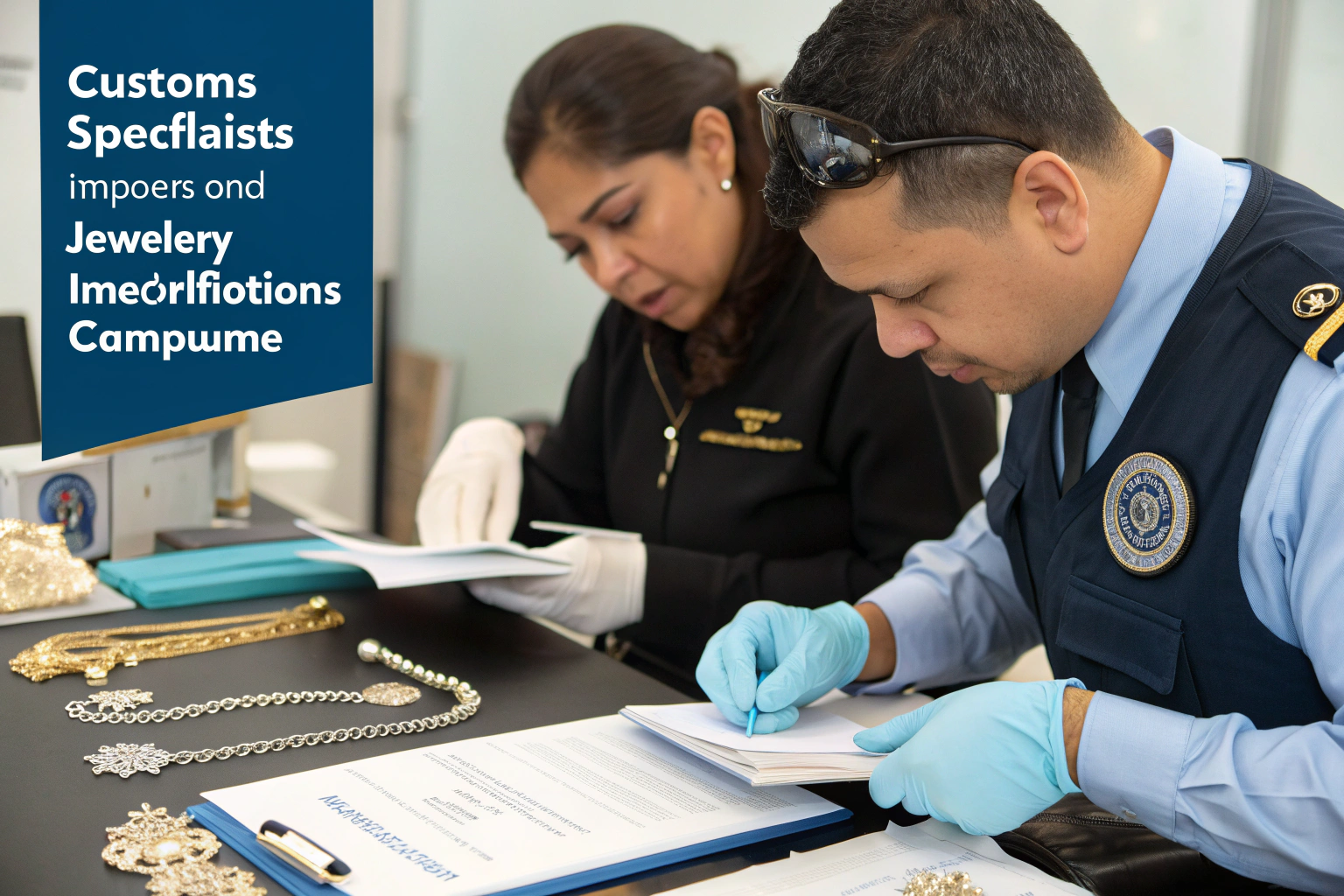
Jewelry imports face some of the most complex and stringent customs requirements of any product category, combining high-value considerations, material restrictions, intellectual property concerns, and specialized valuation methods. As a freight forwarder specializing in luxury and high-value goods, I've helped numerous clients navigate the intricate regulatory landscape governing jewelry imports, where mistakes can lead to severe penalties, seizure of goods, or even criminal liability.
Jewelry imports are subject to specific customs requirements including detailed material composition declarations, precious metal hallmarking standards, Kimberley Process certification for diamonds, intellectual property verification for branded items, and specialized valuation methods for unique or antique pieces. These requirements vary significantly based on jewelry type, materials, value, and country of origin, creating a complex compliance landscape that demands specialized expertise.
Understanding and properly addressing these requirements is essential not just for compliance but also for avoiding costly delays, penalties, or seizure of valuable merchandise. Let's examine the specific customs requirements that apply to different types of jewelry imports.
What Material Composition Documentation Is Required?
Jewelry's material composition directly affects its classification, duty rate, and regulatory requirements.

How Are Precious Metals Regulated?
Karat purity verification must comply with specific standards. Gold, platinum, and silver jewelry must be accurately marked with purity levels (e.g., 14K, 18K, 925 Sterling), with customs requiring documented proof of these markings' accuracy through manufacturer certifications or assay office documentation.
Hallmarking requirements vary by country of origin and metal type. Many jurisdictions require specific hallmarks indicating metal purity, manufacturer identification, and sometimes country of origin, with improper or missing hallmarks potentially triggering additional testing, delays, or rejection.
What About Gemstone Documentation?
Kimberley Process Certification is mandatory for rough diamonds. Any import containing rough diamonds requires a Kimberly Process Certificate proving the diamonds are conflict-free, with severe penalties for non-compliance including seizure and potential criminal charges.
Gemstone identification reports support valuation and classification. For valuable gemstones, customs often requires independent gemological laboratory reports (GIA, AGS, etc.) verifying stone type, measurements, weight, and quality characteristics that affect classification and value.
How Is Jewelry Valued for Customs Purposes?
Jewelry valuation presents unique challenges due to subjective factors, brand premiums, and artistic value considerations.
What Valuation Methods Apply to Different Jewelry Types?
Transaction value method applies to commercial jewelry imports. For standard commercial pieces, customs value typically includes the price paid plus packing, commissions, royalties, and assists, with detailed invoices required to substantiate all cost components.
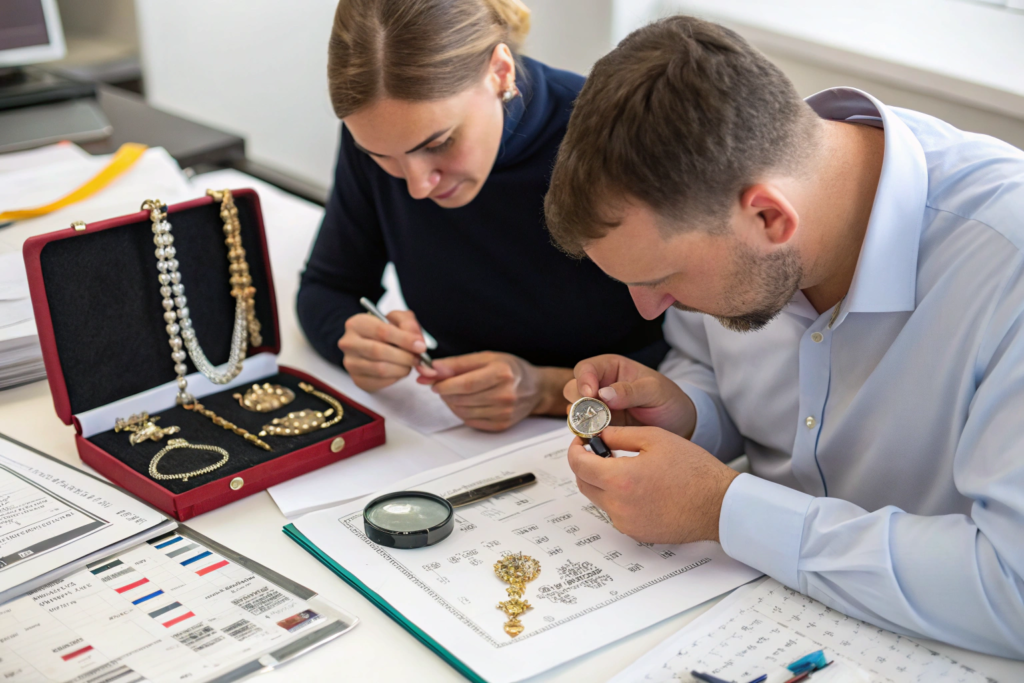
Appraised value requirements for unique or antique pieces. One-of-a-kind, antique, or designer jewelry often requires professional appraisals from recognized experts, with customs potentially challenging appraisals they consider inflated or unsubstantiated.
How Are Brand Premiums Handled?
Intellectual property value considerations affect luxury jewelry valuation. Customs recognizes that brand names (Tiffany, Cartier, etc.) carry significant value beyond material costs, requiring declarations that accurately reflect this brand premium in the customs value.
Royalty and license fee declarations must include all IP-related costs. Any royalties, license fees, or other payments for using designs, brands, or patented settings must be declared as part of the customs value, even if paid separately from the merchandise itself.
What Intellectual Property and Brand Protection Requirements Exist?
Jewelry imports face stringent intellectual property enforcement due to high counterfeiting risks.
How Does Customs Enforce Jewelry IP Rights?
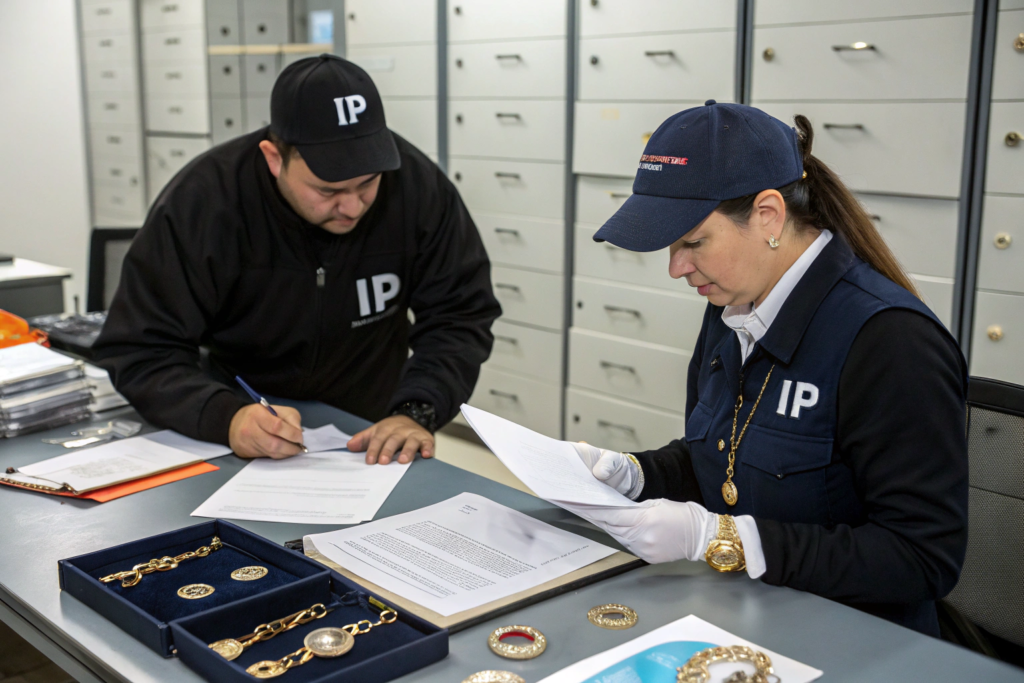
Recordation with Customs and Border Protection provides proactive protection. Brand owners can record their trademarks and copyrights with CBP, enabling officers to detain suspected counterfeit jewelry at ports of entry based on these recorded rights.
Ex officio enforcement authority allows customs to act without brand owner complaints. CBP officers are trained to recognize counterfeit jewelry based on quality, markings, packaging, and other indicators, with authority to detain suspicious shipments for verification.
What Documentation Proves Authenticity?
Manufacturer certificates of authenticity provide primary evidence. Reputable jewelry manufacturers provide detailed certificates including serial numbers, material specifications, and authenticity guarantees that customs accepts as evidence of legitimate products.
Brand owner authorization letters may be required for certain imports. Some luxury brands require importers to provide letters from the brand owner authorizing specific shipments, particularly for high-value or limited-edition pieces.
What Are the Specific Duty Rates and Trade Program Considerations?
Jewelry duty rates vary dramatically based on materials, construction, and trade agreements.

How Are Jewelry Items Classified and Rated?
HS code specificity dramatically affects duty rates. Jewelry classification depends on precise details: whether items contain precious metals or base metals, whether stones are precious or semi-precious, whether pieces are sets or individual items, and specific construction methods.
Generalized System of Preferences (GSP) benefits may apply to certain materials. Some jewelry components or certain types of jewelry from developing countries may qualify for duty-free treatment under GSP, though strict rules of origin apply.
What About Special Trade Programs?
African Growth and Opportunity Act (AGOA) provides benefits for certain African jewelry. Jewelry made in AGOA-eligible countries from local materials (particularly locally mined gemstones) may qualify for duty-free treatment, though with specific documentation requirements.
Free trade agreement utilization can reduce duties significantly. Agreements like USMCA may provide duty benefits for jewelry meeting specific rules of origin, particularly for items manufactured in member countries from regional materials.
What Special Requirements Apply to Specific Jewelry Categories?
Different jewelry types face distinct regulatory considerations beyond general requirements.

What About Antique and Estate Jewelry?
Age verification requirements determine duty rates and restrictions. Jewelry over 100 years old may qualify as antiques with different duty rates and valuation methods, requiring credible documentation of age such as appraisals, historical documentation, or expert opinions.
Cultural property restrictions may apply to certain antique pieces. Jewelry that might be considered cultural property or potentially looted artifacts faces additional scrutiny and may require export certificates from country of origin.
How Are Costume and Fashion Jewelry Regulated?
Material safety requirements apply despite lower values. Even inexpensive fashion jewelry must comply with Consumer Product Safety Commission regulations regarding lead content, nickel restrictions, and other material safety standards.
Country of origin marking requirements still apply. Despite lower values, costume jewelry requires proper country of origin marking, with specific formatting requirements for labels, tags, or packaging.
Conclusion
Jewelry imports face a complex web of customs requirements encompassing material verification, intellectual property protection, specialized valuation, and category-specific regulations. Successfully navigating these requirements requires detailed documentation, expert knowledge, and often professional assistance to ensure compliance while avoiding unnecessary costs and delays. The stakes are particularly high given jewelry's typically high value and the severe consequences of non-compliance.
At GeeseCargo, we've helped jewelry importers navigate these complexities while typically reducing clearance times by 40-60% and avoiding compliance issues that could otherwise lead to penalties reaching 100-300% of merchandise value. Our experience shows that jewelry importers investing in comprehensive compliance programs typically achieve smoother operations, better duty optimization, and stronger protection against counterfeit competition. Remember that jewelry regulations evolve constantly—maintaining current knowledge and proactive compliance management provides the best protection for your valuable imports.