
Importing medical devices to the United States involves one of the most stringent and complex regulatory frameworks of any product category, where compliance failures can result not just in customs delays but in product seizures, substantial penalties, and even criminal liability. As a freight forwarder specializing in healthcare logistics, I've guided numerous clients through the intricate process of bringing medical devices to market, from simple Class I devices to complex Class III implants and diagnostic equipment. The requirements extend far beyond standard import procedures to encompass specialized FDA regulations, quality system standards, and post-market surveillance obligations.
The requirements for importing medical devices to the US include FDA establishment registration, device listing, Premarket Notification [510(k)] or Premarket Approval (PMA), Quality System Regulation (QSR) compliance, proper labeling, Unique Device Identification (UDI) implementation, and customs entry with specific medical device documentation. The specific requirements vary significantly based on device classification, intended use, and risk category, creating a tiered regulatory approach that demands careful navigation.
Understanding and properly implementing these requirements is essential not just for market access but for maintaining ongoing compliance throughout the product lifecycle. Let's examine the specific regulatory pillars that govern medical device imports.
What FDA Registration and Listing Requirements Apply?
Before any medical device can be imported, fundamental FDA administrative requirements must be satisfied.

How Does Establishment Registration Work?
Annual registration requirement for all device manufacturers, importers, and specification developers. Any foreign establishment that manufactures, prepares, propagates, compounds, or processes medical devices imported into the US must register with FDA annually (October-December), regardless of device classification.
Unique Facility Identifier (UFI) requirement using FDA-approved systems. Since 2020, establishments must obtain a Unique Facility Identifier from an FDA-accredited issuing agency (currently only the Dun & Bradstreet D-U-N-S® Number is accepted) and include it in all registration submissions.
What About Device Listing Obligations?
Product-specific listings for each device and model. Manufacturers must list each device they import, including all models, variations, and accessories, with detailed information about classification, intended use, and premarket submission numbers.
Electronic submission mandate through FDA's Unified Registration and Listing System (FURLS). All registration and listing must be completed electronically, with paper submissions no longer accepted except in limited circumstances with prior FDA authorization.
What Premarket Requirements Govern Device Importation?
The level of premarket scrutiny depends entirely on device classification, creating three distinct pathways to market.

How Are Medical Devices Classified?
Class I devices (low risk) typically require only general controls. Examples include examination gloves, manual stethoscopes, and bandages. Most Class I devices are exempt from premarket notification but must still comply with general controls including establishment registration, device listing, labeling requirements, and Quality System Regulation (with exemptions for some devices).
Class II devices (moderate risk) require premarket notification [510(k)]. Devices like infusion pumps, surgical drapes, and powered wheelchairs require demonstration of substantial equivalence to a legally marketed predicate device through the 510(k) process before importation.
Class III devices (high risk) require Premarket Approval (PMA). Life-supporting, life-sustaining, or implantable devices (pacemakers, heart valves, HIV diagnostic tests) require rigorous scientific review proving safety and effectiveness through the PMA process, the most stringent premarket pathway.
What About Exemptions and Special Pathways?
De Novo classification pathway for novel devices. When no predicate exists for a Class I or II device, the De Novo process provides a pathway to classification and marketing authorization without needing PMA.
Emergency Use Authorizations (EUA) for public health emergencies. During declared emergencies, FDA may issue EUAs for unapproved devices or unapproved uses of approved devices, though with specific conditions and typically limited duration.
What Quality System and Manufacturing Standards Apply?
FDA's Quality System Regulation (QSR) establishes comprehensive manufacturing standards that affect import eligibility.

How Does QSR Affect Import Operations?
Design controls requirement for Class II and III devices. The QSR mandates specific design and development processes including design planning, input, output, review, verification, validation, and transfer—documentation of which may be requested during customs clearance or FDA review.
Production and process controls ensure consistent quality. Requirements cover: document controls, purchasing controls, identification and traceability, production and process controls, acceptance activities, nonconforming product handling, corrective and preventive actions, and servicing records.
What About Inspection and Audit Requirements?
FDA inspection authority extends to foreign establishments. FDA may inspect any registered foreign establishment manufacturing devices for the US market, though practical limitations mean inspections occur less frequently than for domestic facilities.
Third-party audit programs provide alternative compliance verification. The Accredited Persons Program allows certain Class II devices to be reviewed by FDA-accredited third parties rather than waiting for FDA inspection, potentially expediting market access.
What Labeling and Unique Device Identification Requirements Exist?
Medical device labeling involves specific requirements beyond standard product labeling, with UDI adding another layer of complexity.
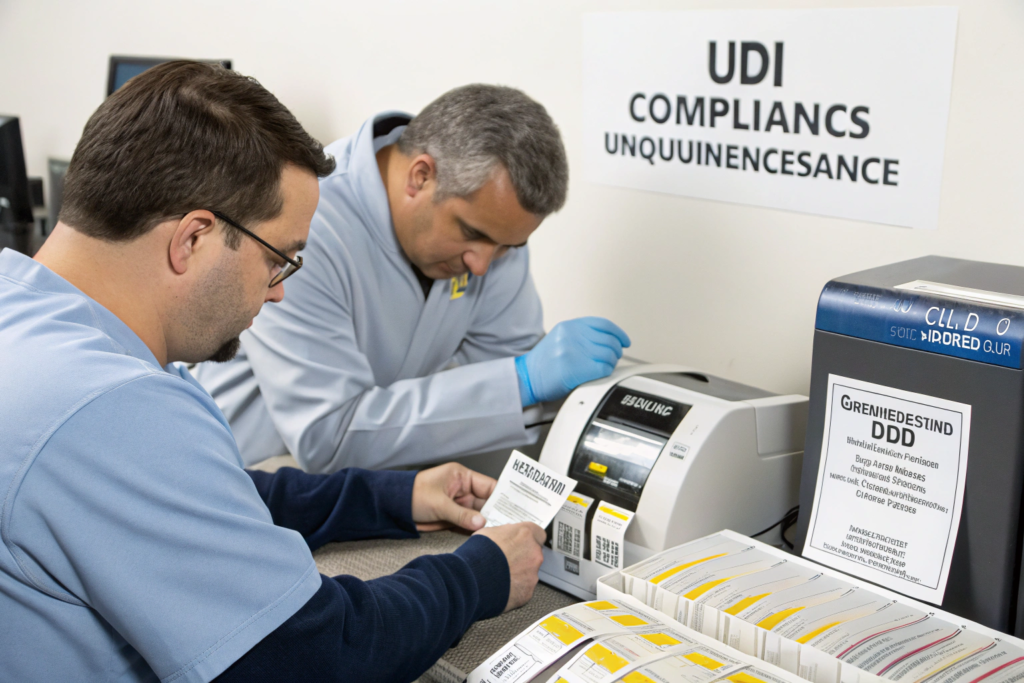
What Specific Labeling Requirements Apply?
FDA-specific label content includes mandatory elements. Medical device labels must include: device name, manufacturer information, intended use/indications for use, contraindications, warnings/precautions, instructions for use (unless exempt), and any necessary accessories or components.
Multi-language considerations for global devices. While English is required for US imports, devices marketed globally must ensure translated content doesn't contradict English requirements or include unapproved claims.
How Does the Unique Device Identification System Work?
UDI carrier requirement on device labels and packages. Most devices require a UDI in both human-readable and AIDC (Automatic Identification and Data Capture) format on all levels of device packaging, with phased implementation based on device class.
Global Unique Device Identification Database (GUDID) submission. Device labelers must submit specific device information to FDA's GUDID, creating a publicly accessible database that supports device tracking and adverse event reporting.
What Customs Entry and Documentation Procedures Are Specific to Medical Devices?
Medical device imports require specialized customs procedures that integrate FDA regulatory compliance.
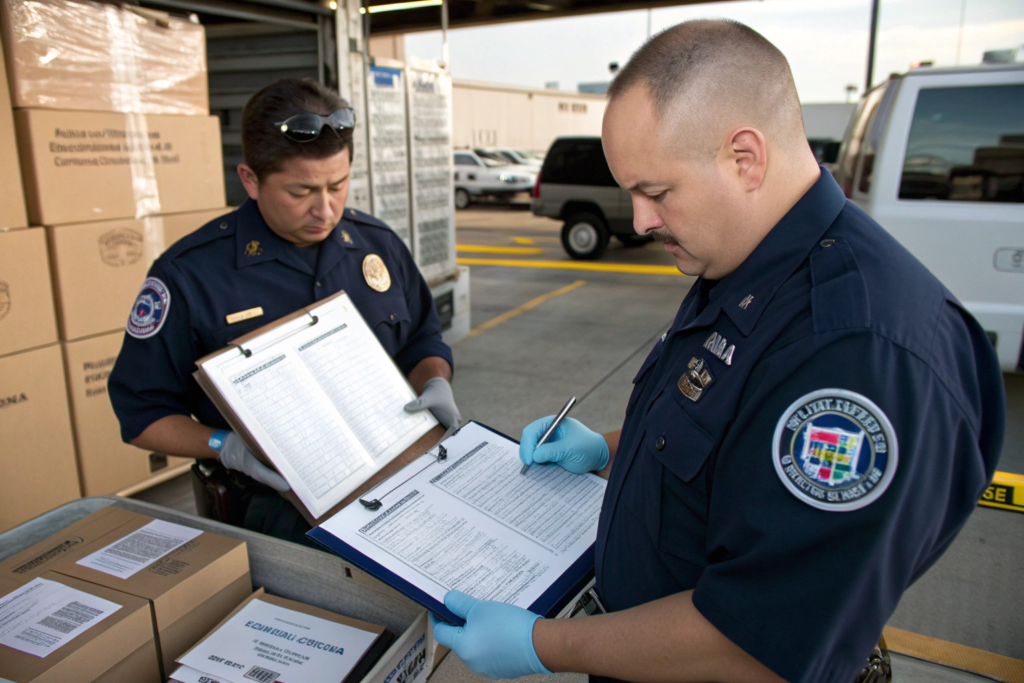
What FDA-Specific Documentation Is Required?
FDA product code identification on customs declarations. Each medical device must be declared with its specific FDA product code (three-letter code) on FDA Form 2877 or electronic equivalent, with incorrect coding potentially triggering delays or examinations.
Premarket submission references must be accurate and current. Customs entries must reference specific 510(k) numbers, PMA numbers, or other premarket authorization identifiers that FDA can verify against its databases.
How Does FDA Customs Process Work?
FDA Prior Notice requirement for most devices. While primarily for food, some medical devices may require Prior Notice submission to FDA before arrival, particularly those containing biological materials or other components of interest.
Automatic detention criteria for non-compliant devices. FDA may automatically detain devices that: lack required premarket approval, come from unregistered establishments, have labeling violations, or otherwise fail to meet regulatory requirements.
Conclusion
Importing medical devices to the US requires navigating a complex regulatory landscape encompassing FDA administrative requirements, premarket review processes, quality system standards, specialized labeling rules, and integrated customs procedures. The most successful importers treat regulatory compliance as an integral part of their supply chain strategy rather than a separate administrative function, building compliance into product design, manufacturing, and logistics from the earliest stages.
At GeeseCargo, we've helped medical device importers achieve compliance outcomes that typically reduce clearance delays by 50-70% and prevent regulatory actions that could otherwise lead to product seizures or Import Alerts. Our experience shows that companies investing in comprehensive regulatory strategies from product conception through post-market surveillance achieve better market access and long-term compliance than those treating regulatory requirements as checkboxes to address during customs clearance. Remember that medical device regulations evolve continuously—maintaining current knowledge and proactive compliance management is essential for sustainable market access in this highly regulated sector.