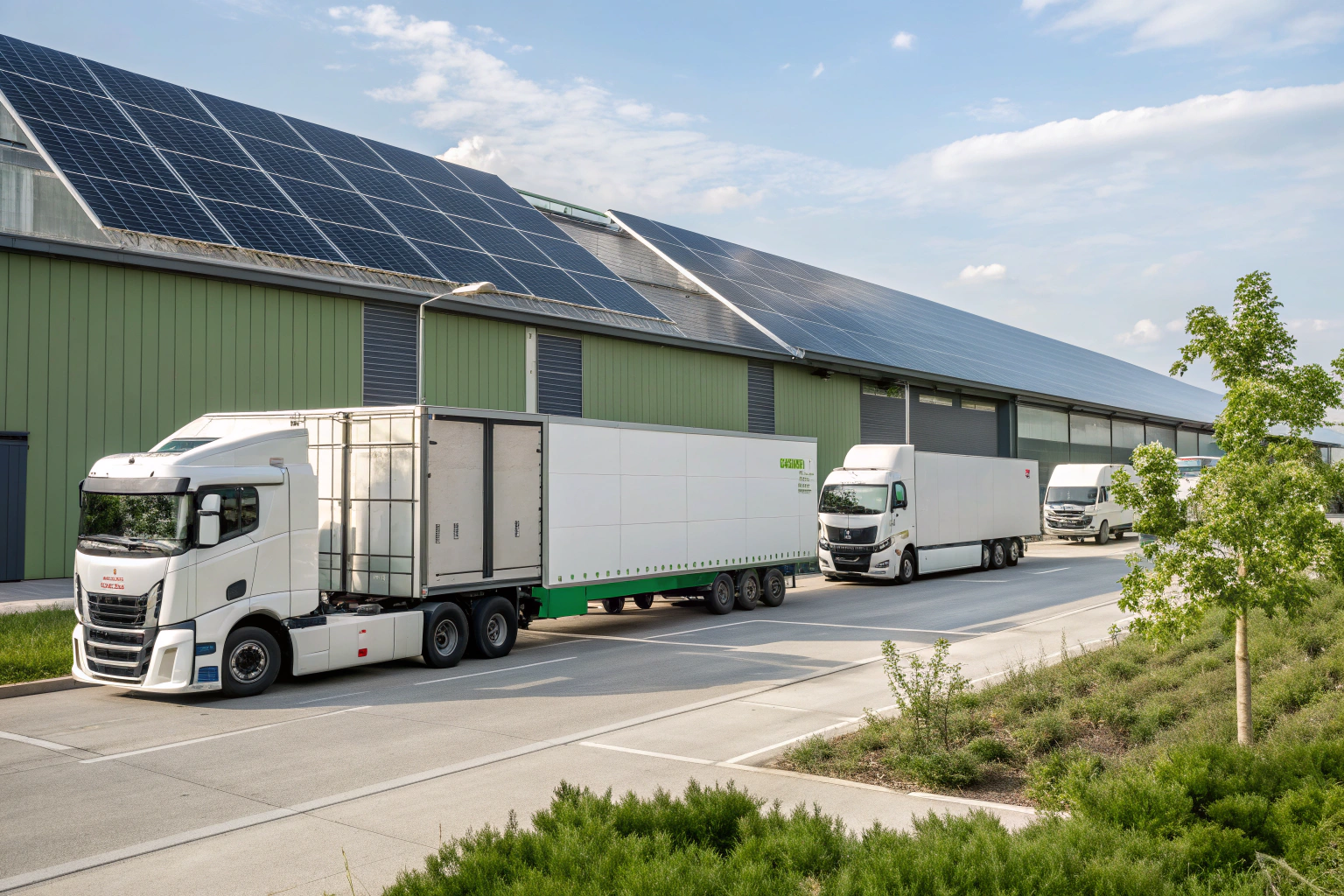
Sustainability has transformed from a corporate social responsibility initiative to a core business imperative in logistics. As a freight forwarder working with environmentally conscious clients, I've witnessed how green logistics practices now directly impact competitiveness, customer satisfaction, and regulatory compliance. The industry is undergoing a fundamental shift toward more environmentally responsible operations.
The most important sustainability trends in logistics include electrification of transport, green warehousing, circular supply chains, data-driven emissions tracking, and collaborative logistics. These innovations are reducing the environmental impact of supply chains while often improving efficiency and reducing costs, proving that ecological responsibility and business success can go hand in-hand.
The transformation toward sustainable logistics is accelerating globally. Let's examine the key trends reshaping how goods move while minimizing environmental impact.
How Is Electrification Transforming Transportation?
The shift from fossil fuels to electric power represents the most visible sustainability trend in logistics, affecting all transport modes.
What's Driving the Adoption of Electric Vehicles?
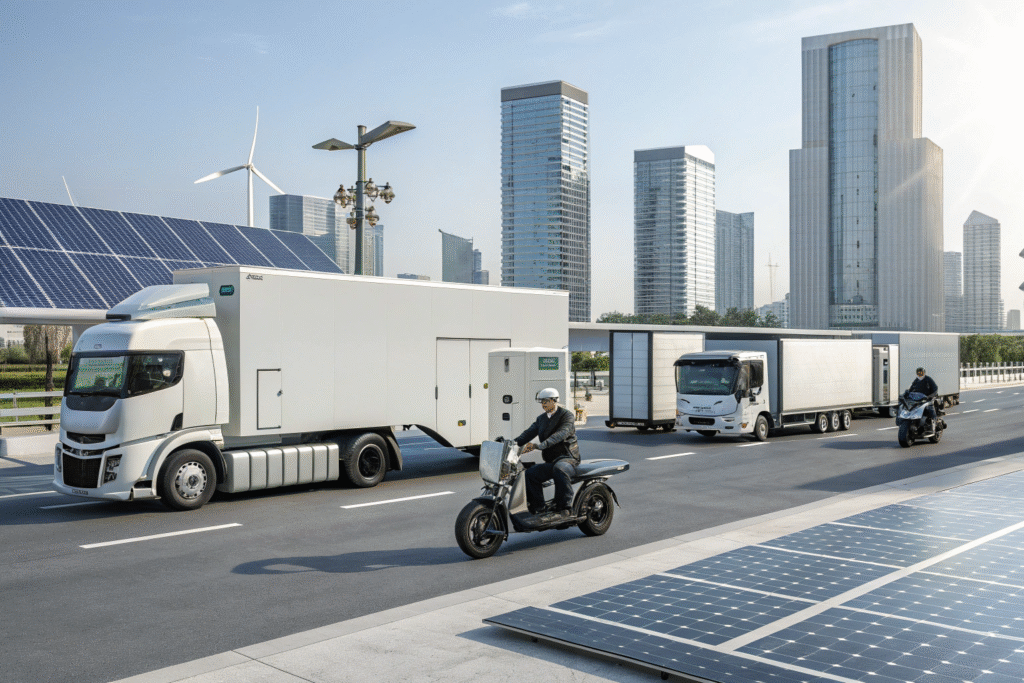
Last-mile electric delivery vehicles are becoming commonplace in urban areas, with major carriers like Amazon and UPS deploying thousands of electric vans. These vehicles eliminate tailpipe emissions and reduce noise pollution in residential areas. The economic case strengthens as battery costs decline and charging infrastructure expands.
Heavy-duty electric trucks are advancing rapidly for regional haulage. While range limitations persist for long-haul routes, electric trucks now efficiently handle distribution center to store routes. Major manufacturers are launching electric models, and early adopters report significant fuel and maintenance savings alongside emission reductions.
How Are Alternative Fuels Gaining Traction?
Hydrogen fuel cell vehicles offer promise for long-haul trucking where battery weight and charging times present challenges. Several European countries are implementing hydrogen corridors with refueling infrastructure. While currently expensive, costs are expected to decrease with scale and technological advances.
Sustainable aviation fuel (SAF) adoption is growing in air cargo, with major carriers incorporating blends into their fuel supply. Though currently more expensive than conventional jet fuel, SAF can reduce lifecycle carbon emissions by up to 80%. Government mandates and corporate sustainability commitments are driving increased usage despite cost premiums.
What Innovations Are Making Warehousing Greener?
Warehouse operations are undergoing a sustainability revolution, with innovations reducing energy consumption and environmental impact.
How Are Warehouses Reducing Energy Consumption?
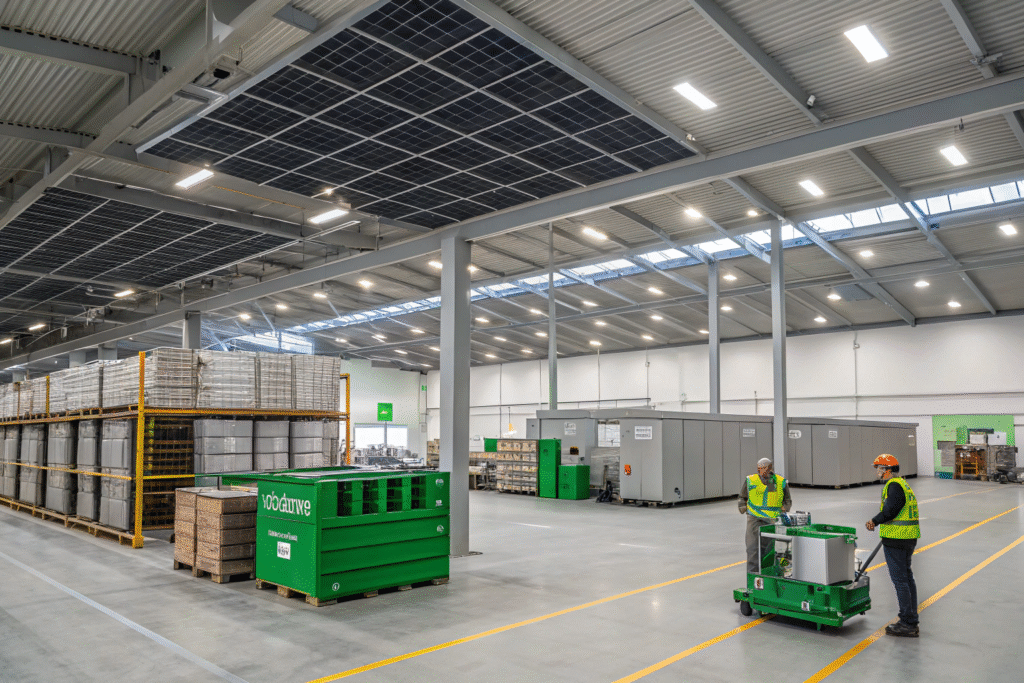
Solar-powered warehouses have become increasingly common, with companies like Amazon and Walmart installing massive rooftop solar arrays. These installations often generate surplus electricity that feeds back into the grid. Combined with battery storage systems, solar power reduces reliance on fossil fuels and provides energy security.
LED lighting and smart energy management systems significantly reduce electricity usage. Motion-activated lighting, high-efficiency heating and cooling systems, and automated energy monitoring create substantial savings. Some facilities achieve net-zero energy status through these measures combined with renewable generation.
What Waste Reduction Strategies Are Proving Effective?
Packaging optimization technologies minimize material usage while maintaining product protection. AI systems now design right-sized packaging, eliminating empty space and reducing material requirements. Many companies have eliminated single-use plastics from their packaging in favor of recycled and biodegradable alternatives.
Closed-loop waste systems repurpose warehouse byproducts. Cardboard and plastic waste get baled and returned to manufacturers, while food distribution centers compost organic waste. These initiatives often create revenue streams while reducing landfill costs and environmental impact.
How Are Companies Implementing Circular Supply Chains?
The transition from linear "take-make-dispose" models to circular systems represents a fundamental shift in supply chain philosophy.
What Reverse Logistics Models Are Gaining Popularity?
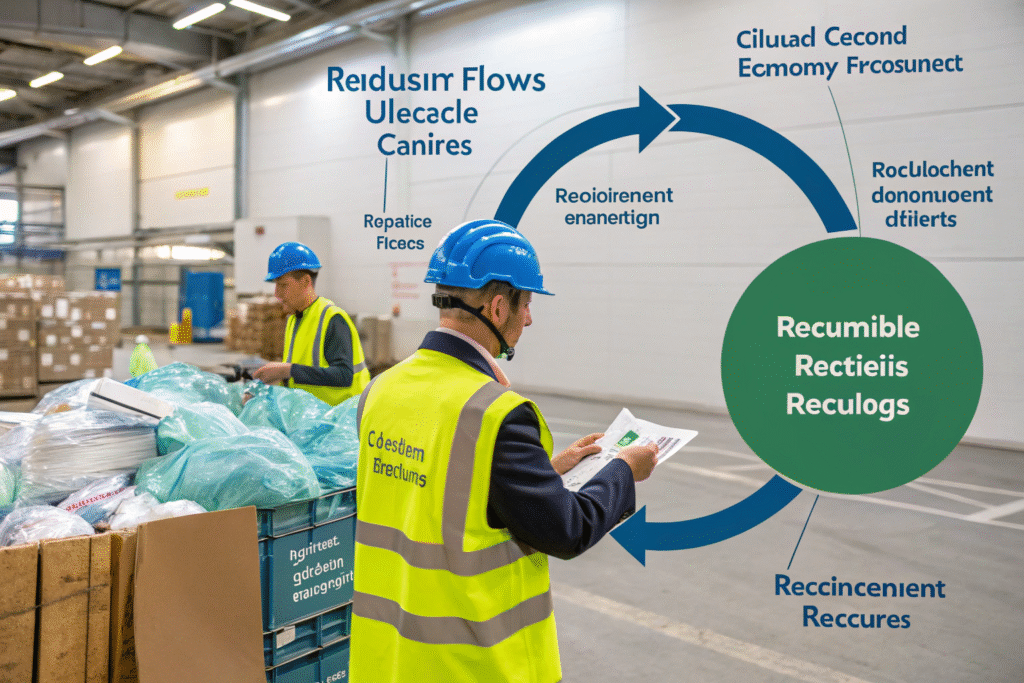
Product-as-a-service models are transforming ownership patterns, with companies retaining responsibility for maintenance, upgrades, and end-of-life processing. This approach incentivizes durability, repairability, and recyclability since manufacturers bear the costs of premature failure or inefficient design.
Advanced returns management systems efficiently handle product returns for resale, refurbishment, or recycling. Sophisticated sorting technology identifies products suitable for immediate resale, those needing refurbishment, and items for component harvesting or material recovery. This maximizes value recovery while minimizing waste.
How Are Companies Designing for Circularity?
Modular product design enables easier repair, upgrade, and disassembly. Manufacturers are increasingly using standardized components and avoiding permanent adhesives that complicate recycling. This approach extends product lifecycles and improves material recovery rates at end-of-life.
Digital product passports containing information about materials, components, and disassembly instructions are being developed. These resources will facilitate repair, refurbishment, and recycling by providing crucial information to secondary market participants and recycling facilities.
What Role Does Technology Play in Green Logistics?
Digital technologies provide the visibility and optimization capabilities necessary to reduce logistics-related emissions and resource consumption.

How Are Companies Tracking and Reducing Emissions?
Advanced carbon accounting systems now accurately calculate emissions across complex supply chains. These systems use primary data from fuel consumption and secondary data from emission factors to provide comprehensive carbon footprints. This visibility enables targeted reduction efforts and compliance with increasing regulatory requirements.
AI-powered route optimization reduces fuel consumption by identifying the most efficient paths considering traffic, weather, topography, and vehicle characteristics. These systems typically achieve 10-20% fuel savings while maintaining service levels. Some systems now optimize for both efficiency and emissions reduction simultaneously.
What About Blockchain for Sustainability Verification?
Blockchain technology creates tamper-proof records of sustainability claims, preventing greenwashing and ensuring the integrity of environmental credentials. This is particularly valuable for verifying recycled content, ethical sourcing, and carbon offset purchases throughout complex supply chains.
Digital twins of supply networks allow companies to simulate the environmental impact of different strategies before implementation. These virtual models help identify the most effective sustainability investments and predict their environmental and financial returns.
Conclusion
Sustainability in logistics has evolved from peripheral concern to central business strategy. The most successful companies are integrating environmental considerations into every aspect of their operations, discovering that green practices often align with improved efficiency and reduced costs. The trends of electrification, circularity, digitalization, and collaboration are collectively transforming logistics into a more sustainable industry.
At GeeseCargo, we're helping clients navigate this transition through carbon-neutral shipping options, optimized routing to reduce emissions, and transparency into environmental performance. Our experience demonstrates that sustainable logistics isn't just good for the planet—it's good for business, enhancing brand reputation, customer loyalty, and operational resilience. The future of logistics is undoubtedly green, and companies embracing this reality position themselves for long-term success in an increasingly environmentally conscious marketplace.