
When one of our clients accidentally used a temporary import bond for permanent goods and faced $18,000 in penalties, I realized how crucial proper entry type selection is for customs compliance. As founder of GeeseCargo with extensive customs experience, I've learned that understanding entry types isn't just about paperwork—it's about maximizing legal benefits and minimizing risks in international trade.
The most common customs entry types include formal consumption entries (for permanent import), informal entries (for low-value shipments), temporary import bonds (for goods returning overseas), foreign trade zone entries (for duty deferral), and warehouse entries (for storage without immediate duty payment). Each entry type serves specific purposes and carries different compliance requirements and financial implications.
Selecting the correct entry type affects everything from duty liability and cash flow to compliance risk and operational flexibility. The most successful importers strategically match entry types to their specific business situations rather than defaulting to standard consumption entries for all shipments.
What Are Formal Consumption Entries and When Are They Used?
Formal consumption entries represent the standard process for goods entering US commerce permanently and represent approximately 65-70% of all US imports.
What Are the Key Characteristics of Formal Consumption Entries?
Duty payment requirement occurs within 10 days of entry summary filing. Formal entries require payment of estimated duties, taxes, and fees, with final reconciliation after liquidation.
Bond requirement is mandatory for most formal entries. Importers must maintain a continuous bond (typically 10% of duties paid annually) or single transaction bonds for each entry.
Entry value threshold of $2,500 triggers formal entry requirements. Shipments valued above this amount generally require formal entry, though some exceptions exist for specific goods or programs.
What Documentation Supports Formal Consumption Entries?
Commercial invoice provides transaction details and valuation. This document must include detailed product descriptions, values, and other transaction terms supporting customs valuation.
Bill of lading or air waybill establishes transportation and ownership. The transport document serves as evidence of the import transaction and supports entry filing.
Additional documents may be required based on product type. Import licenses, certificates of origin, FDA forms, or other agency documentation might be necessary depending on the commodities.
How Do Informal Entries Differ and When Are They Appropriate?
Informal entries provide simplified procedures for lower-value shipments, representing approximately 25-30% of US import transactions by volume.
What Are the Eligibility Criteria for Informal Entries?
Value limitation of $2,500 generally applies to informal entries. Shipments valued below this threshold typically qualify for informal entry procedures, with some exceptions for restricted commodities.
Limited examination and documentation requirements reduce burden. Informal entries typically require less detailed documentation and face lower examination rates than formal entries.
No bond requirement simplifies the process for occasional importers. The absence of bond requirements makes informal entries accessible to businesses without continuous import activity.
What Are the Practical Limitations of Informal Entries?
Limited to non-restricted commodities in most cases. Many regulated products (textiles, firearms, certain foods) require formal entry regardless of value.
No protest rights limit appeal options. Importers using informal entries have limited ability to challenge classification or valuation decisions compared to formal entries.
Statistical tracking is less comprehensive than formal entries. Informal entries provide less detailed trade data, which may impact businesses needing comprehensive import analytics.
What Specialized Entry Types Serve Specific Business Needs?
Beyond standard consumption entries, several specialized entry types address particular import scenarios and provide significant financial or operational advantages.
How Do Temporary Import Bonds (TIBs) Work?
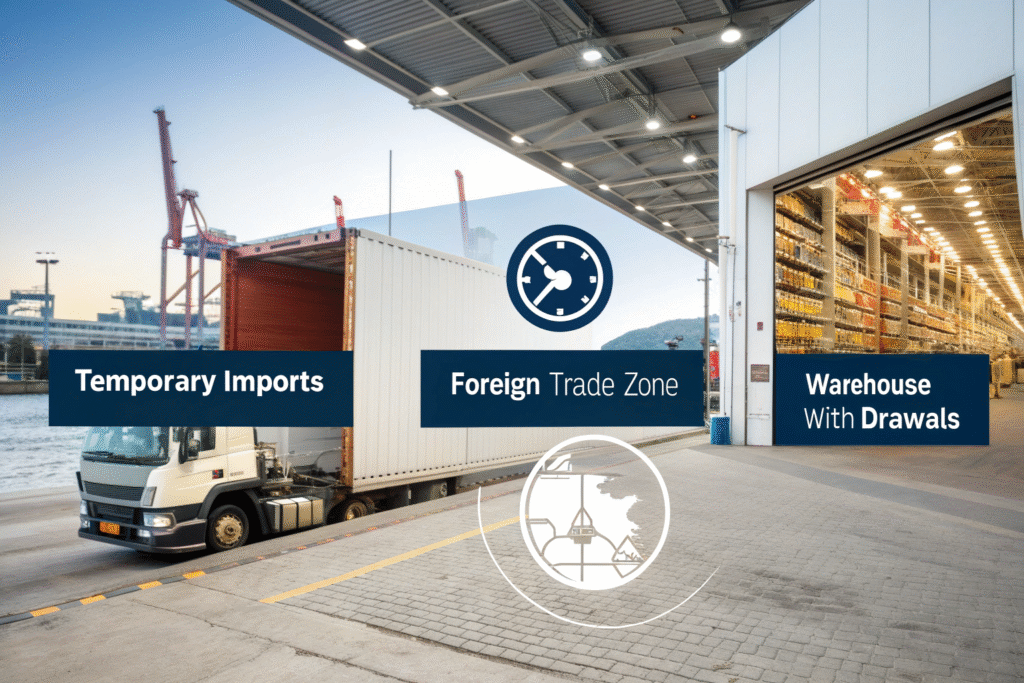
Temporary importation for specific purposes avoids duty payment. TIBs allow goods to enter the US temporarily for purposes like exhibitions, testing, or manufacturing assistance without paying duties.
Strict re-exportation requirements mandate overseas return. TIB entries require goods to be exported within specified timeframes (usually one year, extendable to three years) or duties become payable.
Significant cost savings for temporary use scenarios. For goods needing temporary US presence, TIBs can provide 100% duty savings compared to permanent importation.
What Advantages Do Foreign Trade Zone (FTZ) Entries Offer?
Duty deferral until goods enter US commerce. FTZ entries allow storage, manipulation, and manufacturing without duty payment until goods leave the zone for US consumption.
Inverted tariff savings for manufacturing operations. When finished goods have lower duty rates than components, manufacturing in FTZs can reduce overall duty liability.
Exportation without duty payment benefits re-export businesses. Goods exported directly from FTZs never incur US duties, supporting international distribution operations.
How Do Warehouse Entries and Withdrawals Function?
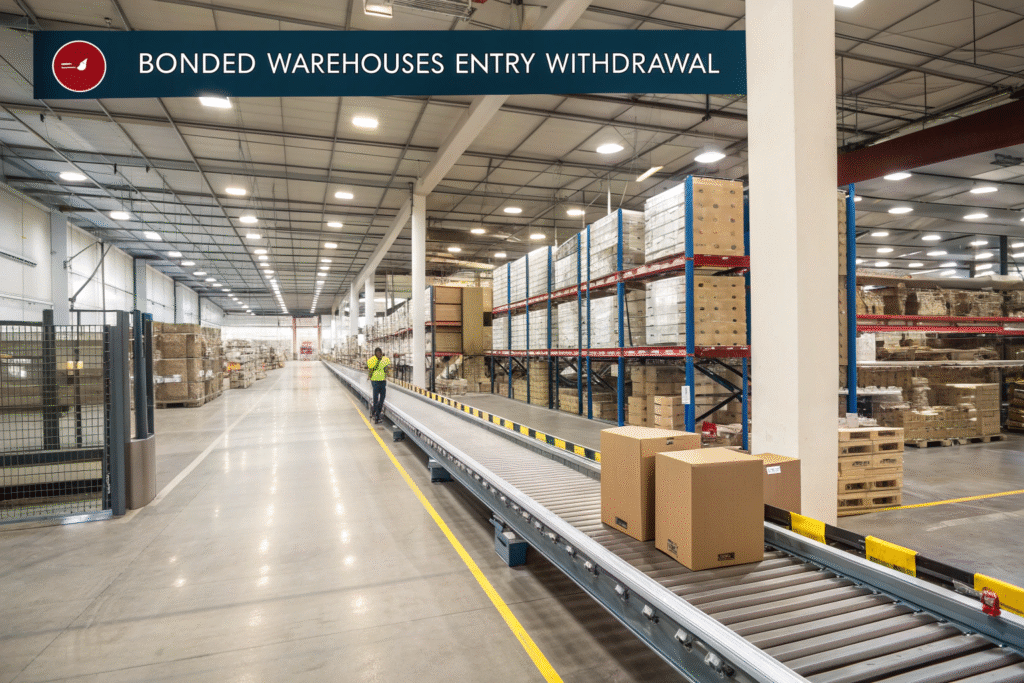
Customs bonded warehouses provide unique entry options that support various inventory and cash flow strategies.
What Are the Different Warehouse Entry Types?
Immediate transportation entries move goods to interior ports. IT entries allow goods to move from arrival port to another customs port without formal entry at the first port.
Transportation and exportation entries facilitate immediate re-export. T&E entries support goods moving through the US to another country without entering US commerce.
Warehouse entries for storage without immediate duty payment. Goods can be stored in bonded warehouses for up to five years without duty payment, supporting inventory management flexibility.
How Do Warehouse Withdrawals Work?
Consumption withdrawals trigger duty payment for US sale. When goods leave bonded warehouses for US consumption, formal entry and duty payment occur at that time.
Re-export withdrawals allow overseas movement without duties. Goods exported directly from bonded warehouses to other countries never incur US duties.
Manipulation and manufacturing enable value-added activities. Certain operations can be performed in bonded warehouses without losing duty deferral benefits.
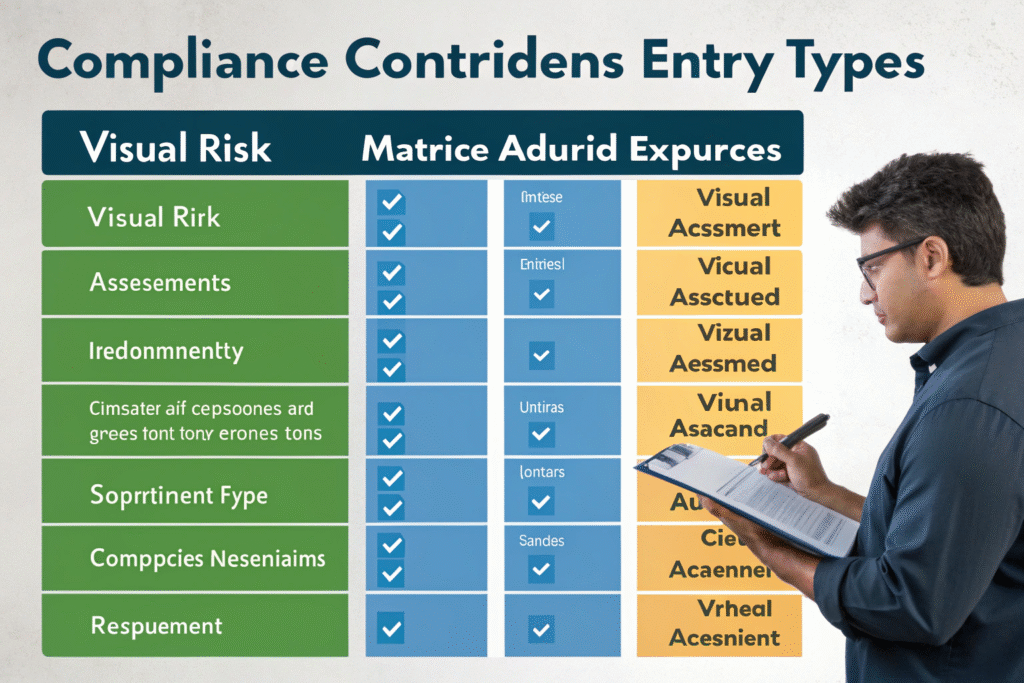
What Are the Compliance Considerations for Different Entry Types?
Each entry type carries specific compliance requirements and risk profiles that importers must understand and manage.
What Recordkeeping Requirements Apply?
Standard five-year retention period applies to most entries. Importers must maintain all entry documentation for five years from date of entry, regardless of entry type.
Entry-specific documentation varies by entry type. TIBs require export evidence, FTZs need zone activity records, and warehouse entries require inventory tracking.
Electronic record acceptance has expanded but requirements remain. While paper documentation is declining, electronic records must be readily available for customs examination.
What Are the Penalty Exposures by Entry Type?
Substantial accuracy requirements apply to all entry types. Incorrect classification, valuation, or origin claims can trigger penalties regardless of entry method.
Liquidated damages for bond violations affect formal entries. Failure to meet entry requirements can result in claims against import bonds, particularly for TIBs and FTZ entries.
Prior disclosure opportunities vary by entry complexity. The ability to voluntarily disclose errors before detection differs across entry types and impacts penalty mitigation.
How Should Importers Select the Appropriate Entry Type?
Strategic entry type selection balances compliance, cost, and operational considerations based on specific business circumstances.

What Factors Influence Entry Type Selection?
Product characteristics and restrictions determine eligibility. Restricted commodities, high-duty products, and specialized goods may require specific entry types.
Business purpose and supply chain strategy drive appropriateness. Temporary use, transformation, or re-export scenarios often benefit from specialized entry types.
Financial considerations including duty impact and cash flow. Duty deferral, elimination, or reduction opportunities make certain entry types financially attractive.
How Can Technology Support Proper Entry Selection?
Classification systems can suggest appropriate entry types. Advanced software can recommend entry types based on product attributes, value, and intended use.
Compliance databases track entry type requirements. Systems maintaining entry type rules and restrictions help prevent inappropriate entry selection.
Cost comparison tools evaluate financial implications. Technology that calculates duty impacts across different entry types supports informed decision-making.
Conclusion
Understanding customs entry types transforms import operations from reactive compliance to strategic advantage. The most successful importers don't just process whatever entry type seems easiest—they strategically match entry types to their specific business objectives, leveraging specialized entries for financial benefits while maintaining rigorous compliance across all import activities.
At GeeseCargo, we've helped clients reduce duty costs by 15-40% through strategic entry type selection, with the most significant savings coming from businesses that integrate entry strategy into their overall supply chain planning rather than treating it as a transactional decision. The key is recognizing that entry types represent different tools in your customs toolbox, each optimized for specific situations rather than one-size-fits-all solutions.
Begin your entry type optimization by analyzing your import patterns to identify opportunities for specialized entries, then develop processes that ensure appropriate entry type selection based on clear business criteria. Remember that in customs management, the right entry type isn't just about compliance—it's about maximizing the financial and operational benefits available within the customs regulations.