
Shipment delays continue to plague global supply chains in 2025, despite technological advancements and process improvements. As a freight forwarder navigating these challenges daily, I've identified the persistent and emerging factors that disrupt shipment timelines. Understanding these delay catalysts is the first step toward developing effective prevention strategies and contingency plans.
The most common reasons for shipment delays in 2025 include extreme weather disruptions, port congestion from infrastructure limitations, customs compliance issues, carrier capacity imbalances, and geopolitical trade restrictions. These factors interact in complex ways, creating cascading effects that extend far beyond initial incidents and require sophisticated management approaches.
Proactive companies are developing multi-layered strategies to address these delay factors, but complete elimination remains challenging in today's interconnected supply chains. Let's examine the specific delay causes that are impacting shipments most significantly in 2025.
How Are Climate and Weather Impacts Worsening Delivery Reliability?
Extreme weather events have become more frequent and severe, creating unprecedented challenges for transportation networks.

What Specific Weather Events Cause the Most Disruptions?
Intensified hurricane and typhoon seasons regularly close major ports and disrupt shipping lanes. The 2025 season has seen extended closures at key Asian transshipment hubs and US Gulf ports, with vessel diversions adding 7-14 days to transit times. Carrier blank sailings have increased 23% year-over-year due to weather-related schedule disruptions.
Prolonged drought conditions continue affecting key waterways, particularly the Panama Canal where transit restrictions have become semi-permanent. Limited daily transits and draft restrictions force carriers to use costly alternative routes via Suez or around Africa, adding 10-21 days to Asia-US East Coast voyages while increasing costs by 15-30%.
How Do Infrastructure Vulnerabilities Compound Weather Issues?
Aging port infrastructure struggles with increased precipitation and flooding. Heavy rainfall events overwhelm drainage systems at major ports, causing operational shutdowns during conditions that previously caused minimal disruption. Equipment corrosion from saltwater exposure has also increased maintenance downtime.
Temperature-sensitive cargo vulnerabilities expand as heatwaves become more common. Pharmaceutical shipments, certain chemicals, and electronics face increased damage risks when temperatures exceed equipment specifications during extended port stays or equipment failures.
What Customs and Regulatory Challenges Are Increasing Delays?
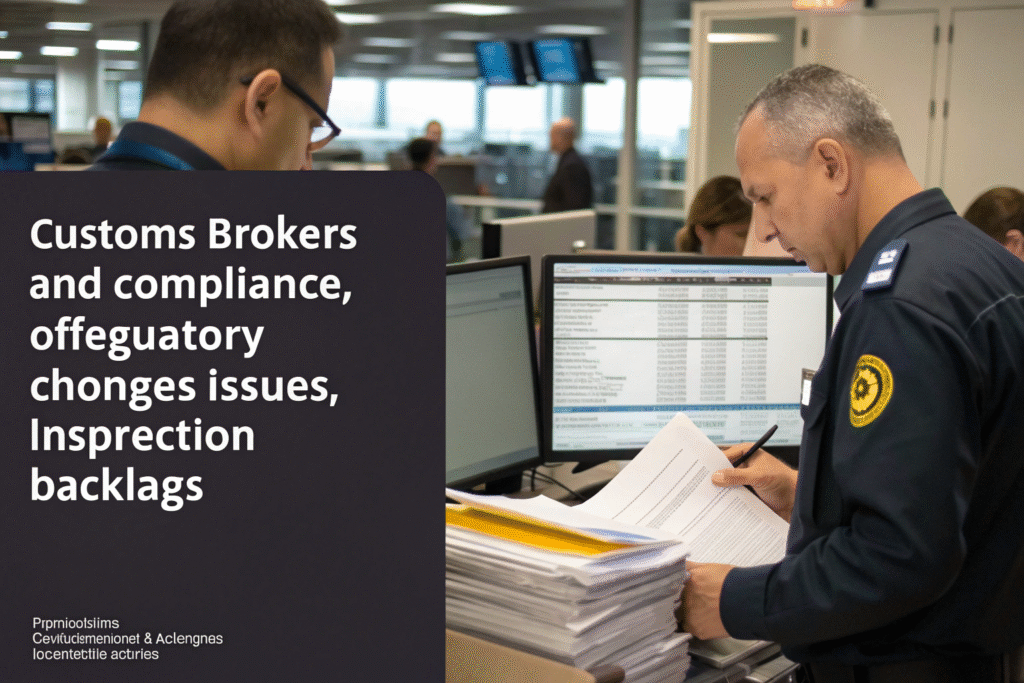
Customs processing delays have become more frequent due to evolving regulations and enforcement priorities.
How Do Documentation Issues Trigger Customs Holds?
Enhanced security filing requirements cause rejections and delays for incomplete or inaccurate submissions. The expansion of Advance Trade Data requirements across more countries has created confusion, with 28% of shipments experiencing initial filing rejections due to format or timing issues.
Product classification disputes increase as new product categories emerge. Customs authorities struggle with classifying advanced materials, AI-enabled devices, and green technology components, leading to extended holds while officials research proper categorization and duty rates.
What Regulatory Changes Are Creating Processing Bottlenecks?
Forced labor compliance enforcement has intensified screening requirements. The Uyghur Forced Labor Prevention Act enforcement and similar regulations in other countries require extensive supply chain documentation, with shipments held for verification if any supply chain touchpoints involve restricted regions.
Sanctions and trade restriction volatility creates uncertainty and careful review requirements. Rapidly changing sanctions related to geopolitical conflicts cause carriers and customs authorities to exercise extreme caution, resulting in additional inspections and documentation verification for shipments with any potential connection to restricted parties.
How Do Port and Infrastructure Limitations Contribute to Delays?
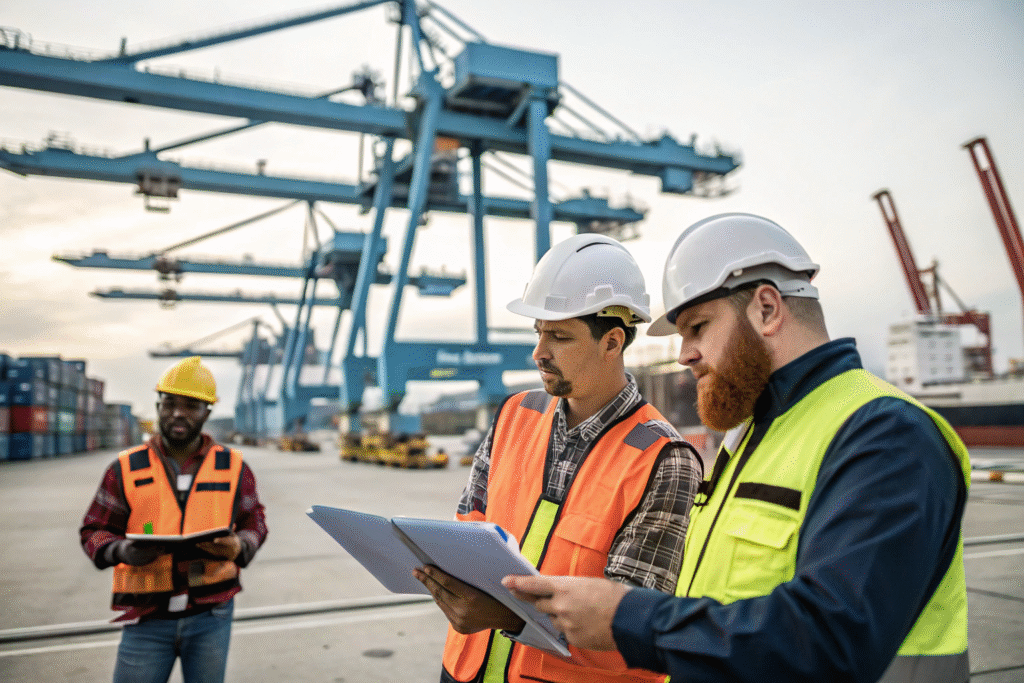
Physical infrastructure constraints continue to bottleneck supply chains despite increased throughput demands.
What Equipment Shortages Are Most Impactful?
Chassis availability imbalances plague major US ports, particularly during peak seasons. Mismatches between chassis locations and container needs cause containers to sit for days waiting for transportation equipment, with the problem worsening as ocean carriers have largely exited the chassis ownership business.
Specialized equipment shortages delay non-standard shipments. Flat racks, open tops, and temperature-controlled containers face particular availability challenges, with wait times extending to 2-3 weeks during peak demand periods versus 3-5 days for standard equipment.
How Do Labor Factors Affect Port Efficiency?
Workforce sustainability challenges impact operations at major global ports. An aging workforce, difficult working conditions, and competition from other industries have created skilled equipment operator shortages that limit throughput capacity even when physical infrastructure is available.
Labor negotiation uncertainties create pre-emptive disruptions. With multiple major port labor contracts under negotiation in 2025, carriers increasingly divert vessels to avoid potential strike disruptions, creating congestion at alternative ports ill-equipped to handle the volume surges.
What Carrier and Capacity Issues Disrupt Schedules?
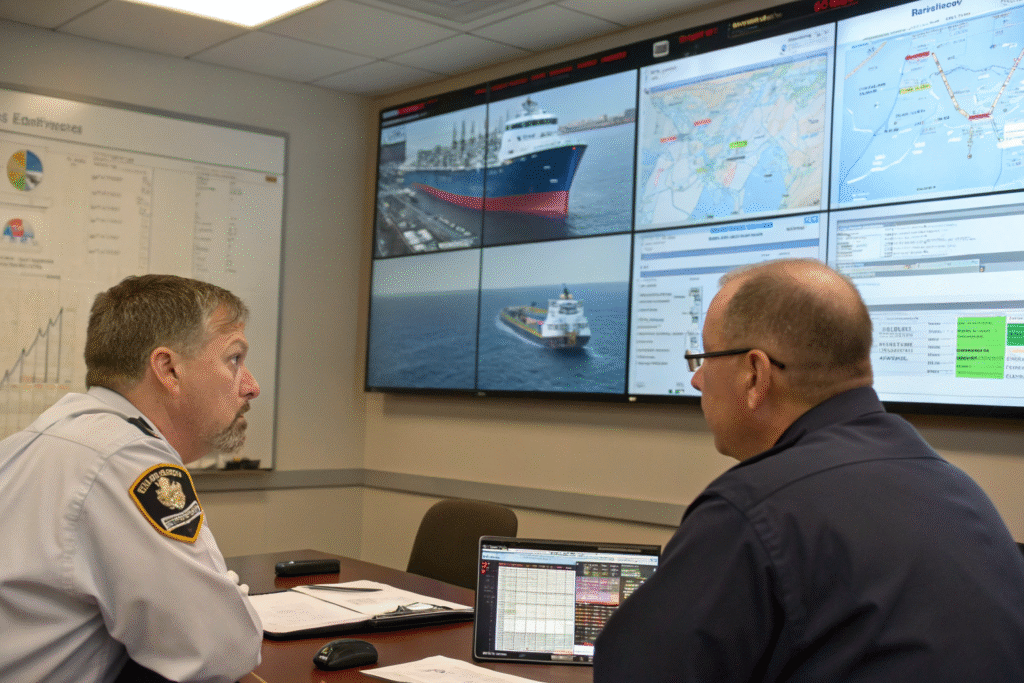
Ocean carrier operational decisions and capacity management strategies significantly impact reliability.
How Do Vessel Scheduling Practices Affect Reliability?
Aggressive vessel scheduling continues despite port congestion realities. Carriers maintain tight port rotation schedules to maximize asset utilization, creating inevitable delays when any port in the rotation experiences disruption. The resulting schedule cascades impact multiple subsequent voyages.
Blank sailing frequency remains elevated as carriers manage capacity. Rather than operating half-full vessels during demand troughs, carriers increasingly cancel entire sailings, disrupting supply chains and forcing shippers to wait for subsequent departures or pay premium rates for alternative routings.
What Capacity Management Strategies Create Delays?
Equipment repositioning imbalances leave containers stranded in wrong locations. The continued import-export imbalance in many trade lanes, particularly Asia-US, means empty containers accumulate at US interior points while Asian exporters face equipment shortages, delaying shipments until containers are repositioned.
Alliance vessel sharing complexities reduce schedule flexibility. When one alliance member experiences operational issues, the impacts spread across multiple carriers' services, creating wider disruption than would occur with independent operations.
How Can Companies Mitigate These Delay Factors?
While complete elimination of delays is impossible, strategic approaches can significantly reduce their frequency and impact.

What Operational Strategies Reduce Delay Exposure?
Multi-modal flexibility provides alternatives when primary routes are disrupted. Companies maintaining relationships with air, ocean, and rail providers can pivot quickly when one mode faces significant delays, though at increased cost.
Port and routing diversification spreads risk across multiple gateways. Rather than relying exclusively on traditionally efficient but congestion-prone ports, successful shippers develop capabilities at secondary ports that can absorb volume during primary port disruptions.
What Technological Solutions Improve Delay Management?
Advanced visibility platforms provide early warning of potential delays. AI-powered systems now predict delays days before they occur by analyzing vessel speeds, port congestion, weather patterns, and historical performance data.
Digital twin technology allows testing alternative scenarios before disruptions occur. Companies can model how different delay events would impact their supply chains and pre-position inventory or arrange alternative transportation in advance of actual need.
Conclusion
Shipment delays in 2025 stem from interconnected factors including climate impacts, regulatory complexity, infrastructure limitations, and carrier operational challenges. While individual delay causes have evolved from previous years, the underlying theme remains the same: global supply chains face increasing vulnerability to disruptions from multiple directions simultaneously.
At GeeseCargo, we're helping clients address these delay factors through integrated strategies that combine buffer inventory, diversified routing, enhanced visibility, and strong carrier relationships. Our data shows that companies implementing comprehensive delay management programs experience 35-50% fewer severe disruptions and recover from delays 60% faster than those taking reactive approaches. The most successful companies recognize that delay management requires continuous attention and investment rather than periodic crisis response.