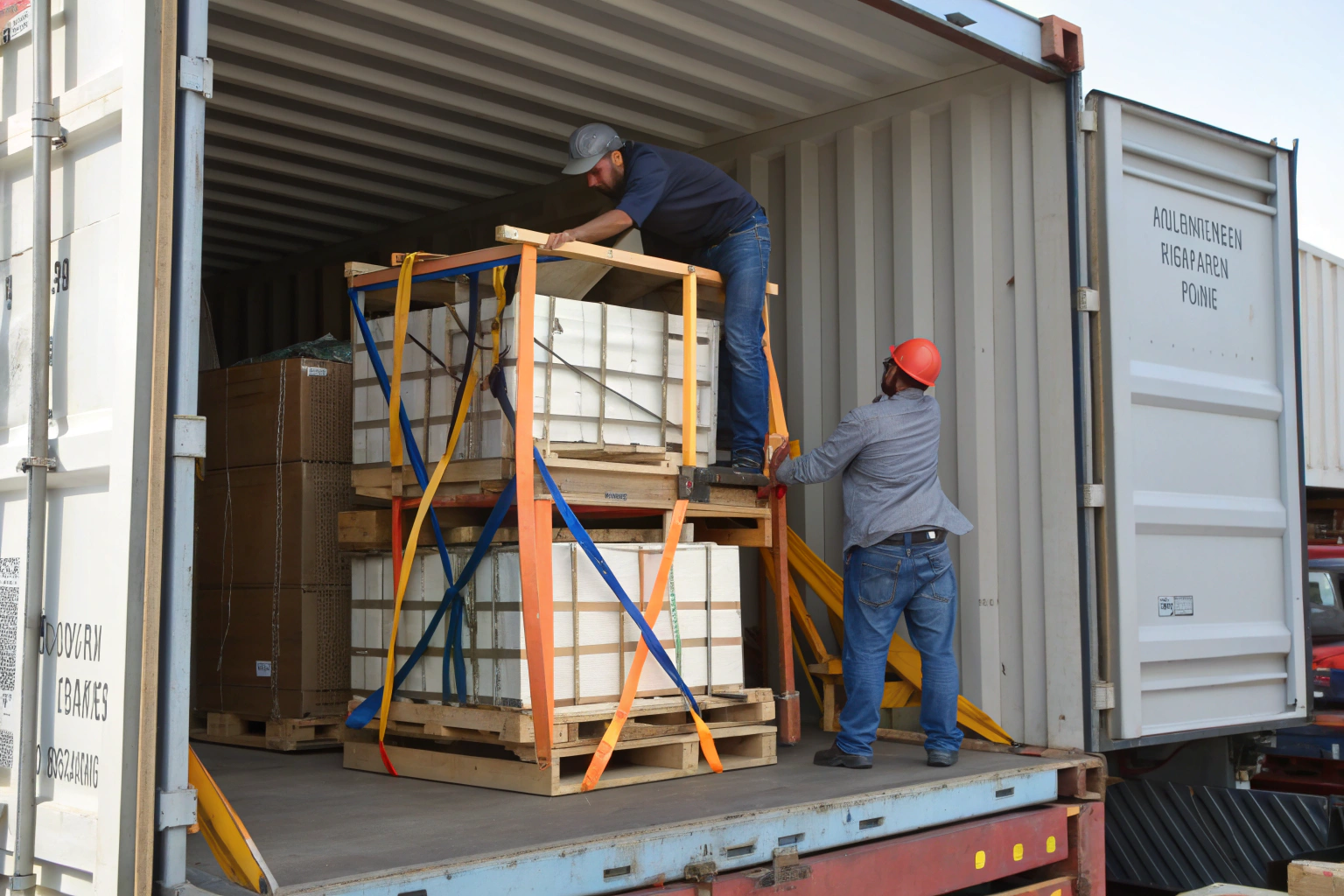
When one of our clients had a $35,000 shipment arrive with 40% damaged goods due to improper loading, I realized how many businesses underestimate container loading's impact on their bottom line. As founder of GeeseCargo with extensive loading supervision experience, I've witnessed how proper loading techniques can reduce damage by 80-90% while increasing container utilization by 15-25%. Loading isn't just about fitting goods into a box—it's a science that balances safety, efficiency, and cost optimization.
The best practices for loading shipping containers include proper weight distribution, strategic pallet placement, adequate securing and bracing, optimal space utilization, and meticulous documentation. Following these practices typically reduces cargo damage by 70-85%, decreases shipping costs through better container utilization, and prevents customs delays due to improper documentation.
Mastering container loading requires understanding both the physics of cargo movement during transit and the operational realities of global shipping. The most successful shippers treat loading as a strategic process rather than a simple physical task.
How Should You Plan and Prepare Before Loading?
Proper planning prevents most loading problems and ensures efficient, safe container utilization.
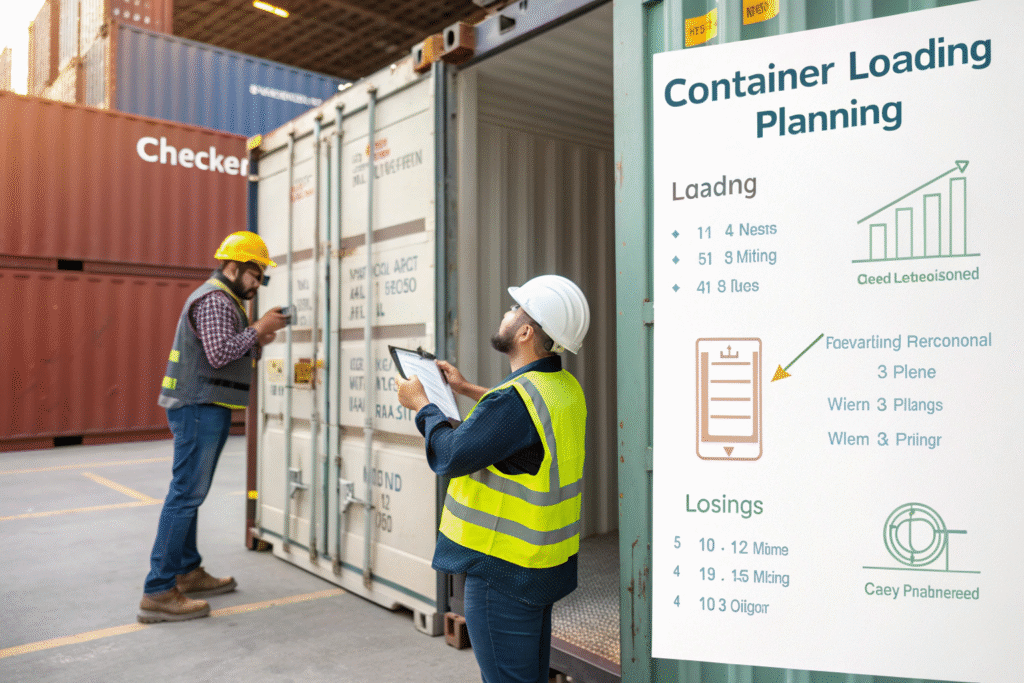
What Pre-Loading Calculations and Planning Are Essential?
Weight distribution planning prevents container damage and transportation issues. Calculate total cargo weight and distribute it evenly, with approximately 60% in the front half and 40% in the rear half of the container to ensure proper axle weight distribution for trucks.
Cube utilization planning maximizes space efficiency. Create a loading plan showing pallet positions, orientation, and stacking patterns to optimize space usage while maintaining stability and accessibility.
Center of gravity management ensures transportation safety. Keep the center of gravity low and centered, both side-to-side and front-to-back, to prevent container tipping during handling and transportation.
What Equipment and Material Preparation Is Necessary?
Loading equipment verification prevents operational delays. Ensure forklifts, pallet jacks, and loading docks are available and properly maintained before loading begins.
Securing material preparation ensures cargo protection. Have adequate dunnage bags, air bags, straps, braces, blocking, and wrapping materials ready before loading commences.
Safety equipment availability protects loading personnel. Provide hard hats, safety shoes, gloves, and visibility vests to all personnel involved in the loading process.
What Loading Techniques Maximize Safety and Efficiency?
Systematic loading approaches prevent damage while optimizing container space utilization.
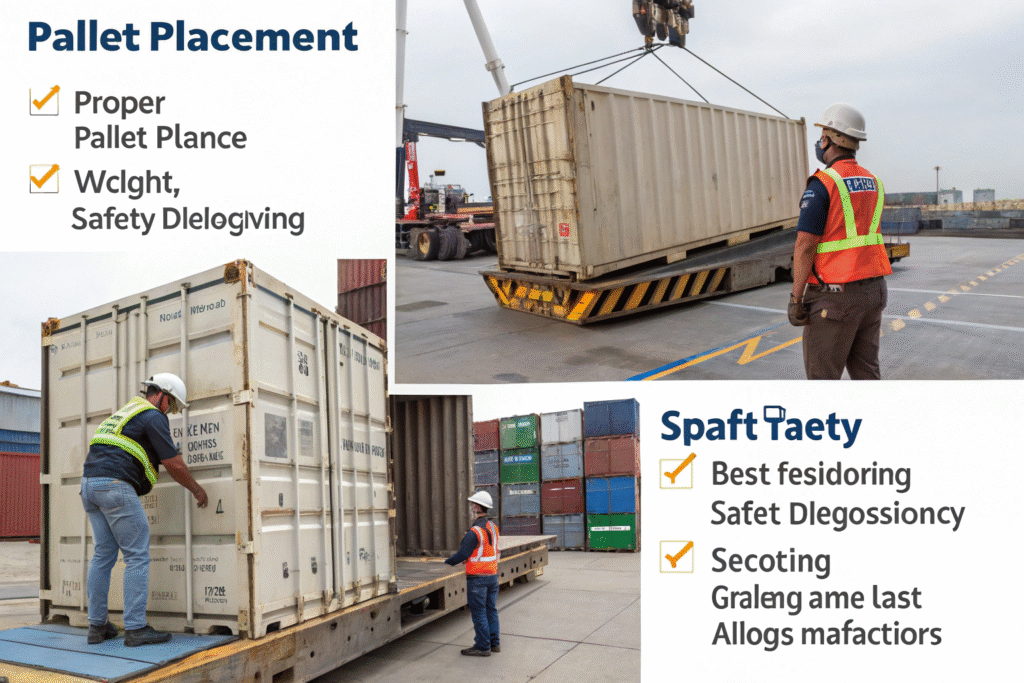
How Should You Sequence Loading for Optimal Results?
Heavy items first creates a stable foundation. Load the heaviest pallets and items first, placing them on the floor against the front and side walls to create a solid base.
Bottom-to-top loading maintains stability. Build from the container floor upward, ensuring each layer is stable before adding the next layer to prevent shifting during transit.
Wall-to-wall filling prevents lateral movement. Load items tightly against container walls, filling gaps with dunnage or blocking to minimize cargo movement during transportation.
What Specific Techniques Prevent Common Loading Problems?
Brick-wall stacking creates interlocking stability. Stagger pallets and boxes like bricks in a wall to create natural interlocking that prevents entire columns from shifting together.
Vertical alignment maintains weight distribution. Ensure heavy items are stacked vertically from floor to ceiling rather than offset, which can create unstable columns that lean or collapse.
Layer separation with slip sheets reduces friction. Place cardboard or plastic sheets between layers of boxes to reduce friction and prevent boxes from sticking together and tearing during movement.
How Can You Properly Secure Different Cargo Types?
Different commodities require specific securing approaches based on their weight, fragility, and movement characteristics.
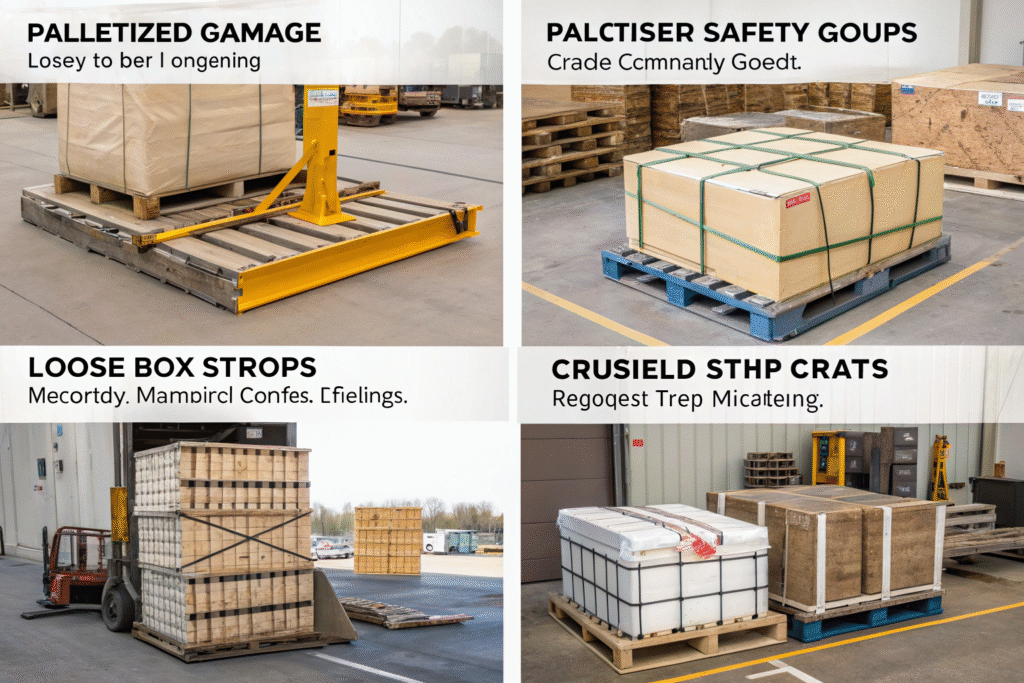
What Securing Methods Work Best for Various Cargo Types?
Strapping and lashing for unified loads creates vertical stability. Use polyester or polypropylene straps to secure pallets together and to container anchor points, creating unified loads that move as single units.
Dunnage bags for gap filling prevents horizontal movement. Place inflatable dunnage bags between cargo and container walls to fill voids and create pressure that prevents lateral shifting.
Blocking and bracing for heavy items provides positive restraint. Use wooden braces, shoring beams, or inflatable braces to physically prevent heavy items from moving in any direction.
How Should You Handle Special Cargo Considerations?
Hazardous materials require specific segregation and securing. Follow IMDG Code requirements for separation, orientation, and securing of dangerous goods to prevent reactions during transit.
Temperature-sensitive goods need air circulation space. Leave adequate space around refrigerated or frozen products for proper air circulation to maintain temperature consistency.
High-value items require enhanced security and documentation. Use tamper-evident seals, additional securing, and photographic documentation for valuable cargo to prevent theft and facilitate claims.
What Are the Critical Weight Distribution Principles?
Proper weight management is crucial for transportation safety, equipment protection, and regulatory compliance.
How Should Weight Be Distributed Within the Container?
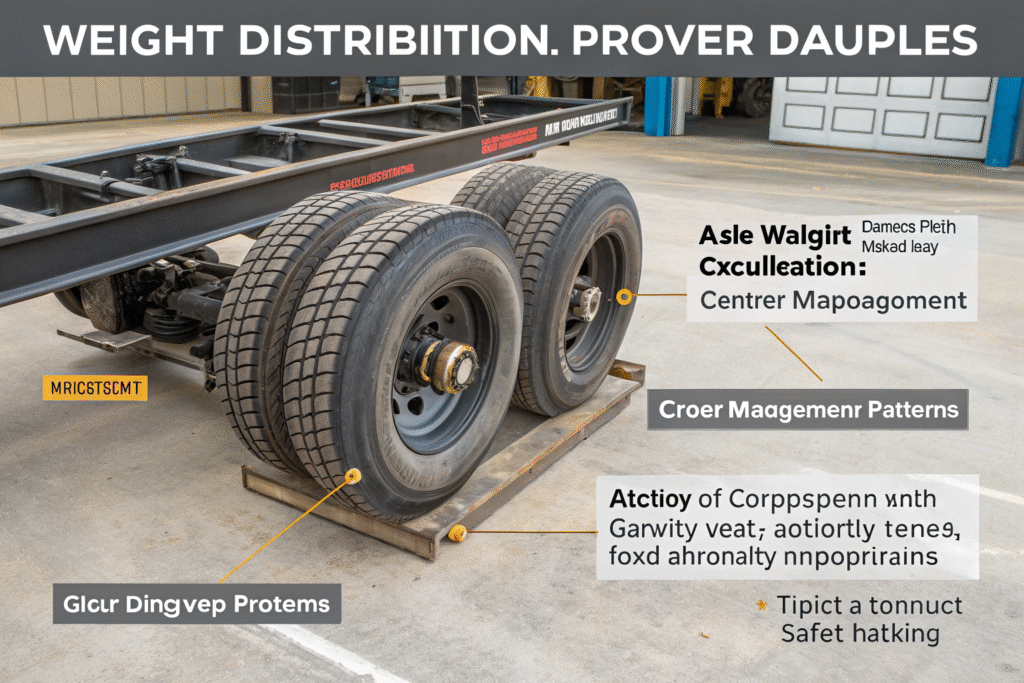
Front-heavy distribution supports safe transportation. Place 55-60% of total weight in the front half of the container to ensure proper weight on the truck's front axle when mounted on a chassis.
Even side-to-side balance prevents handling issues. Distribute weight evenly from left to right to prevent container tilting during lifting and transportation.
Low center of gravity enhances stability. Keep heavy items on the bottom and lighter items on top to maintain a low center of gravity that prevents tipping.
What Weight Limitations and Regulations Must You Consider?
Container maximum gross weight cannot exceed road limits. Most countries limit container weight to 67,200 lbs (30,480 kg), including container tare weight, though some regions have lower limits.
Axle weight restrictions vary by transportation mode. Understand truck axle limits, railcar weight restrictions, and vessel stacking limits that affect your specific shipping route.
Weight documentation requirements are increasingly strict. Many ports now require Verified Gross Mass (VGM) declarations before loading vessels, with penalties for inaccurate declarations.
How Can You Maximize Container Space Utilization?
Efficient space usage reduces shipping costs while maintaining cargo safety and accessibility.
What Techniques Improve Cubic Efficiency?
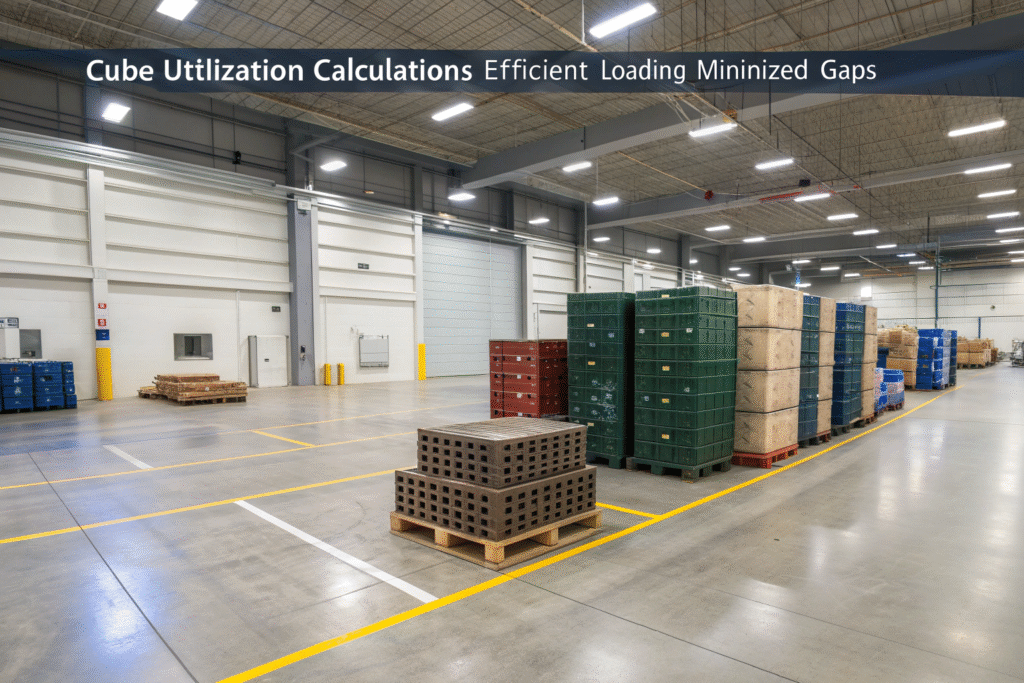
Pallet optimization matches container dimensions. Use pallet sizes that maximize container space—standard 48"x40" pallets or Euro pallets often provide better utilization than custom sizes.
Stacking patterns consider box strength and stability. Implement column stacking for strong uniform boxes or interlocked stacking for less rigid packages based on box compression strength.
Vertical space utilization reaches container capacity. Build stacks to within 2-4 inches of container ceiling, using appropriate stacking strength boxes and proper securing for tall stacks.
How Can You Handle Mixed Cargo and Irregular Shapes?
Consolidation loading combines multiple shipment types. Use filler material, adjustable shelving, or custom crating to efficiently combine different products in single containers.
Nesting and disassembly creates space efficiency. Where possible, nest items within each other or disassemble products to reduce volume and create more stable loading configurations.
Void filling prevents movement and utilizes space. Use air bags, inflatable dunnage, or biodegradable fill materials to occupy unused space and prevent cargo shifting.
What Documentation and Verification Is Essential?
Proper documentation ensures smooth customs clearance and provides protection in case of claims.
What Documentation Should Accompany Every Shipment?
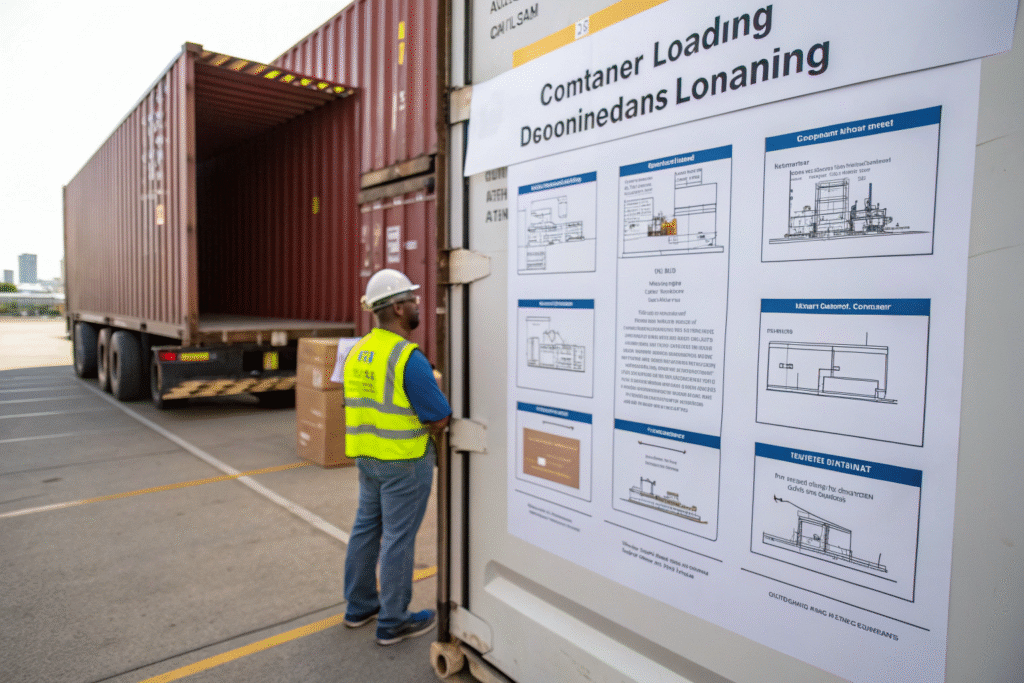
Loading plan and diagram provides loading instructions. Create detailed diagrams showing pallet positions, weights, and securing methods for both loaders and receivers.
Weight certificate and distribution report ensures compliance. Document actual weights and distribution to verify compliance with regulations and transportation requirements.
Photographic evidence supports condition claims. Take before, during, and after loading photos showing cargo condition, securing methods, and container condition.
How Should You Verify Loading Quality and Compliance?
Pre-loading inspection checks container condition. Document container floor, walls, and roof condition before loading to establish baseline for potential damage claims.
During-loading verification ensures plan adherence. Supervise loading to ensure compliance with the loading plan and proper securing techniques.
Post-loading inspection confirms securing and sealing. Verify all cargo is properly secured and container doors can be fully closed and sealed before departure.
Conclusion
Proper container loading represents one of the highest-return activities in international shipping, typically reducing damage claims by 70-85% while improving container utilization by 15-25%. The most successful shippers treat loading as a strategic process supported by proper planning, trained personnel, and systematic verification rather than leaving it to chance or untrained workers.
At GeeseCargo, we've helped clients reduce shipping damage by over 80% through implemented loading protocols that combine proven techniques with specific commodity knowledge. The most effective approaches begin with thorough planning, continue through supervised execution, and conclude with comprehensive documentation.
Begin your loading improvement by analyzing your current damage patterns and space utilization, then develop standardized loading procedures that address your specific product characteristics and shipping routes. Remember that in container loading, an hour of proper planning typically saves days of problem resolution and thousands of dollars in prevented damage and improved efficiency.