You open your email on a Tuesday morning. There is an invoice from your freight forwarder. You expect the usual amount. But this one has an extra $1,200 charge. The line item says "Demurrage and Detention." You have no idea what that means. You call your forwarder. They say your container sat at the port too long. It is your fault, so you must pay. You feel blindsided. You feel cheated. And you swear this will never happen again.
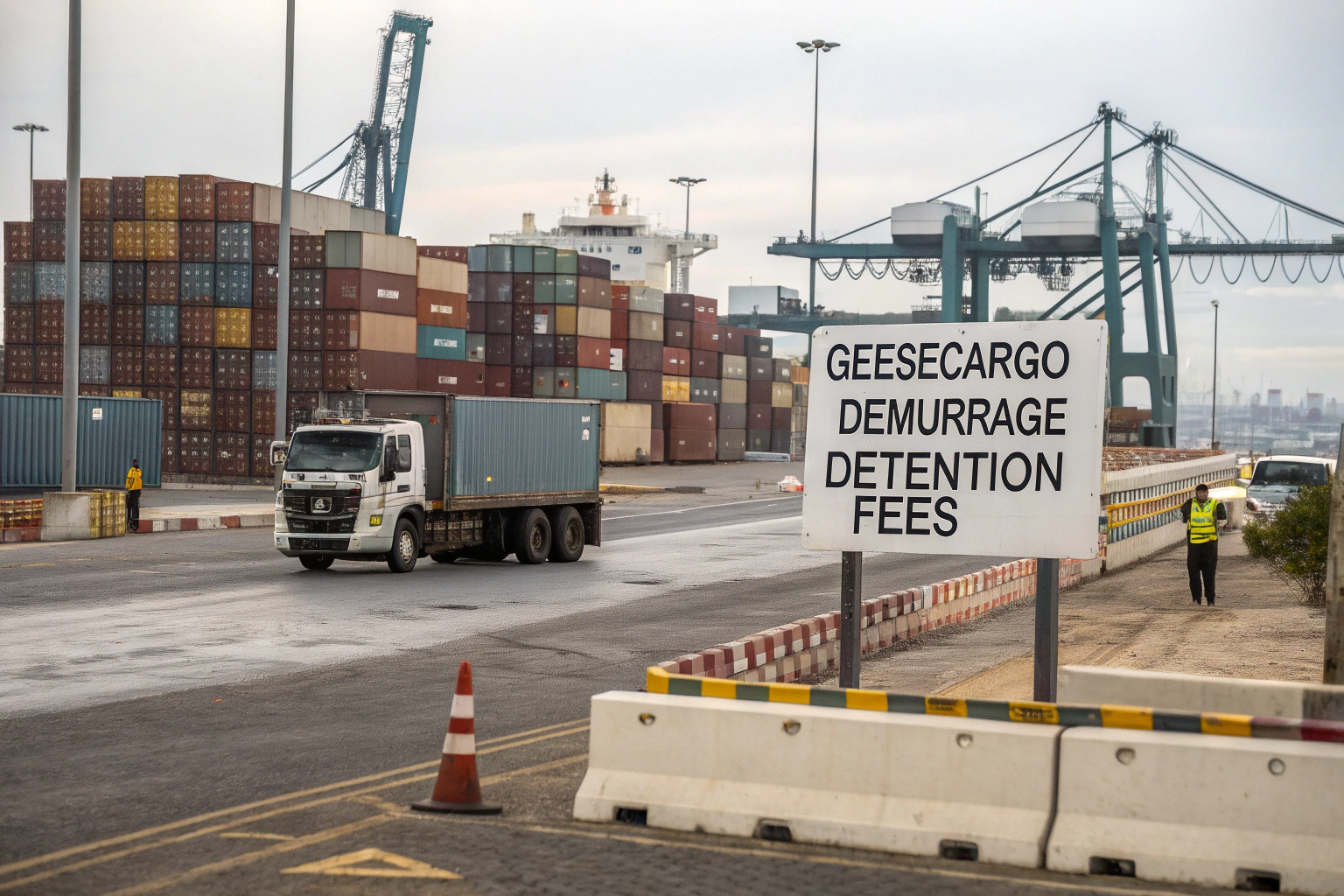
Demurrage is the penalty a port terminal charges you when your container stays there beyond the free storage days. Detention is the penalty the shipping line charges when you keep their container too long outside the port. GeeseCargo prevents these fees by pre-clearing customs, scheduling truckers before arrival, and monitoring free time daily.
I have fought these charges for clients for over a decade. I know the free time windows at every major port. I know the tricks terminals use to inflate the bill. And I have built a system at GeeseCargo that catches the delay before it becomes a penalty. In this article, I will explain exactly how these fees work, why they happen, and what we do to stop them from eating your profit.
What Exactly Are Demurrage and Detention Fees in Shipping?
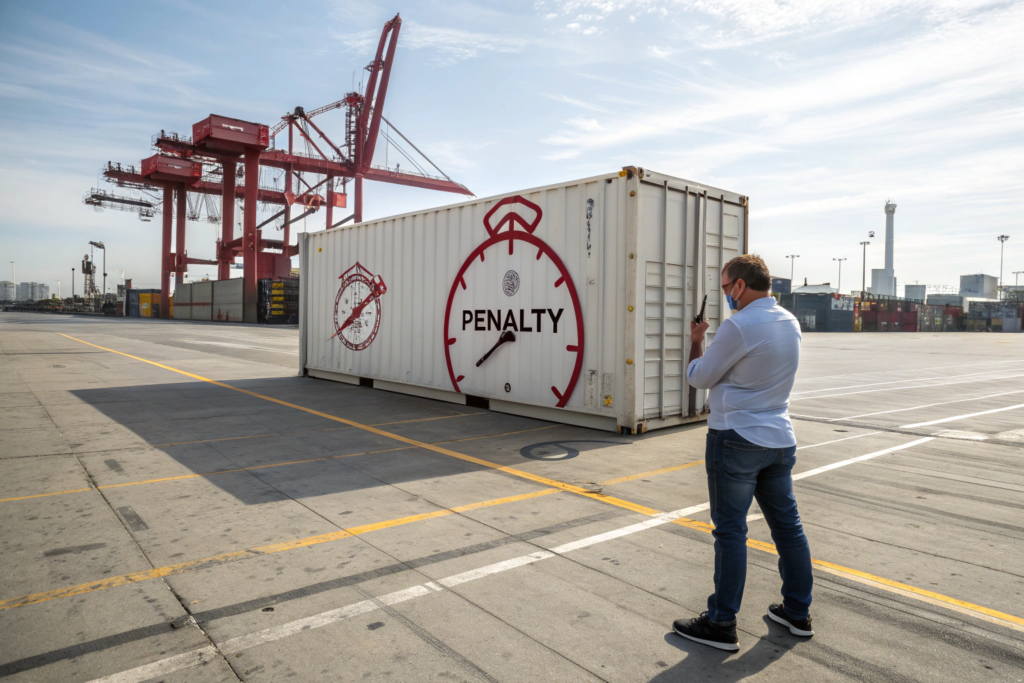
Think of demurrage as rent you pay to the port. The port owns the land where your container sits after the vessel unloads it. They give you a few free days to pick it up. After that, the meter starts. Think of detention as rent you pay to the shipping line. The shipping line owns the container. They give you free days to unload it at your warehouse and return it empty. After that, the meter starts again.
These two fees often get lumped together on an invoice, but they are legally separate. They are charged by two different entities. You can face both at the same time on the same container. The port charges you because your box is in their way. The carrier charges you because their box is not available for the next customer. Both are angry, and both want their money fast.
How Many Free Days Do You Usually Get Before Charges Start?
It depends on the port and the carrier. At most US ports, the terminal gives you four to five working days of free storage after the container is discharged. Weekends and holidays sometimes count, sometimes do not. You must check the specific terminal tariff. The steamship line usually gives you seven to ten calendar days to return the empty container. The clock starts the day you pick it up from the terminal.
These free periods are not generous. They assume everything goes perfectly. Customs clears instantly. The trucker is available the next day. Your warehouse is open and ready to unload. In the real world, none of this happens perfectly. Customs holds the container for a random exam. The trucker is booked out for three days. Your forklift breaks down. Suddenly, you are three days over the free time, and the penalty invoice is in your email.
What Is the Difference Between Port Storage and Carrier Detention?
Port storage, often called demurrage, is charged by the terminal operator. The rate structure is aggressive. The first day over free time might be $150. The second day might be $200. The third day might be $300. The rates escalate to force the container out. Terminals hate storing cargo. They want containers moving.
Carrier detention is charged by the steamship line. Their rates also escalate. Day one might be $100. Day five might be $175. They want their equipment back so they can give it to another paying customer. Both fees hit your invoice from the same forwarder, which causes confusion. We separate them clearly on our invoice. We show you exactly which entity charged what and why.
How Does GeeseCargo Manage Free Time to Prevent These Penalties?
You cannot manage free time if you are not tracking it. Most importers rely on their forwarder to tell them when a fee is coming. But many forwarders do not track it. They just pass the bill along when it arrives. We do the opposite. We track the clock from the moment the vessel docks.
Every morning, my team runs a report on all active containers. We check the discharge date. We calculate how many free days remain. We prioritize urgent pickups. If a container only has two free days left, we escalate. We call the trucker. We call the customs broker. We do whatever it takes to get that box off the terminal before the meter starts. You do not have to ask for this. It is built into our standard operating procedure.

How Does Pre-Clearance Reduce the Demurrage Risk?
Customs clearance is the biggest bottleneck. If the entry is not filed and accepted, the terminal will not release the container. The clock keeps ticking while you wait for paperwork. We eliminate this wait by pre-clearing customs. We file the entry documentation days before the vessel arrives. We pay the duties and taxes upfront. Customs releases the container the same day it is discharged, sometimes hours later.
This means your free time is spent on productive logistics, not bureaucratic waiting. The trucker can pick up the container on day one of free time. You have the full four or five days to arrange unloading. The pressure is off. You do not start your free time already behind schedule. Pre-clearance is the single most effective tool we have for avoiding demurrage.
What Happens When a Trucker Cancels at the Last Minute?
It happens. A trucker’s previous job runs long. Their driver calls in sick. Suddenly, your scheduled pickup disappears. The free time clock does not care. It keeps ticking. If you are managing the trucker yourself, you scramble. You call three companies. You wait for callbacks. You lose a day.
We have a network of trucking partners at every major US port. If your primary trucker cancels, we activate a backup within the hour. We might pay a slightly higher spot rate, but $50 extra for trucking is far cheaper than a $200 demurrage day. We make the call. We protect your free time. We do not wait for you to approve every decision. This is the authority you give us when you trust GeeseCargo with your shipment.
Why Do Customs Holds Trigger Massive Demurrage Charges?
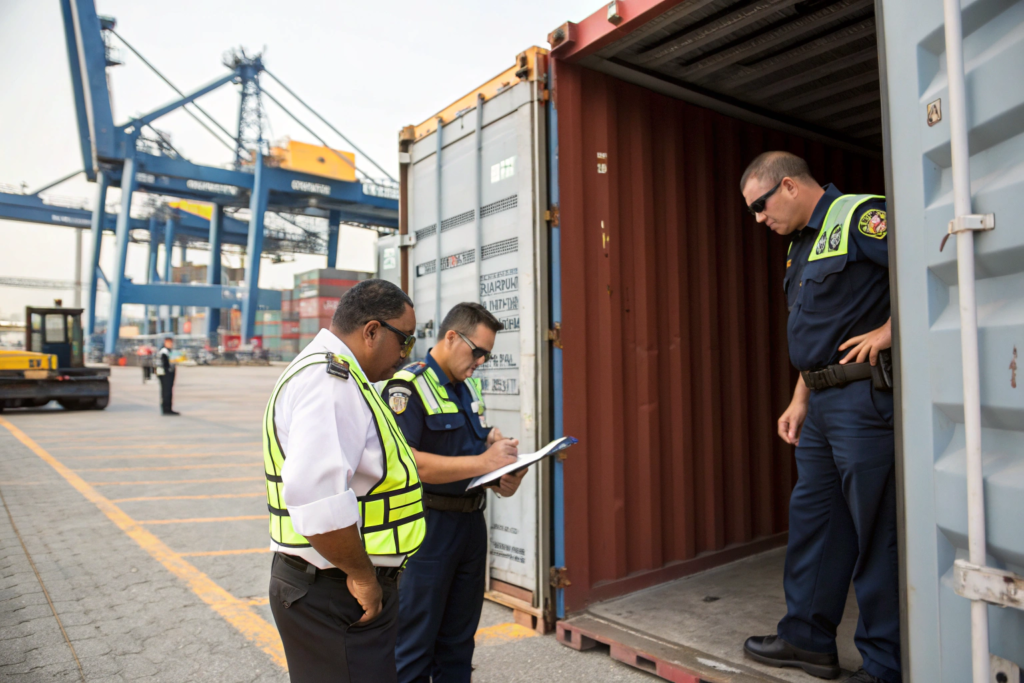
Customs decides to examine your container. They send a notification. The terminal moves your box to the exam area. You wait. The exam queue is three days long. The clock is ticking the entire time. Your free days evaporate. You had no control over the exam selection. But you get the demurrage bill anyway.
The terminal charges demurrage even during a customs exam. They argue the container is using their space regardless of the reason. Some terminals offer a brief exam free period, but most do not. The bill is yours. A five-day exam hold can generate over $1,000 in demurrage alone. This is the most unfair part of the system, and we fight it aggressively.
Can You Dispute a Demurrage Charge Caused by a Customs Exam?
Yes, but it is difficult. You must prove the delay was unreasonable and caused solely by customs. You need the exam notification date and the release date. You must document every attempt you made to expedite the process. The terminal reviews these disputes case by case. Most importers do not have the documentation. They just pay the bill.
We maintain a dispute file for every exam. We save the customs hold notice. We log every call to the exam site. We request updates in writing. If the exam takes longer than the industry average, we file a formal dispute with the terminal on your behalf. We win about half of these disputes. A 50% refund on a $1,500 demurrage bill is $750 back in your pocket. Most forwarders do not bother. We bother because it is your money.
How Does GeeseCargo Expedite the Customs Exam Process?
The exam facility works on a first-in, first-out basis. But priorities can be influenced. We call the exam site supervisor. We explain the time sensitivity. We ask if a trucker can be on standby to move the container the moment the exam is complete. Sometimes the exam facility will accommodate a polite, persistent forwarder.
We also ensure the packing is exam-friendly. If customs wants to inspect carton number five, that carton should be at the rear doors, not buried behind fifty other boxes. We advise the factory on tailgate loading for easy inspection access. A one-hour exam versus a four-hour exam saves the exam site time and gets your container released faster. Fast release means fewer demurrage days.
How Does GeeseCargo Stop Detention Fees at Your Warehouse?
The container arrives at your warehouse. The trucker drops it on the ground. The free detention days start now. You usually have about seven calendar days to unload and return the container empty. Seven days sounds generous, but it is not when your warehouse is busy.
If your receiving team is busy with another vendor, your container waits. If your warehouse is full, your container waits. Every day it waits costs you money. The shipping line does not care about your internal problems. They want their equipment back.
Can GeeseCargo Coordinate the Empty Container Return for You?
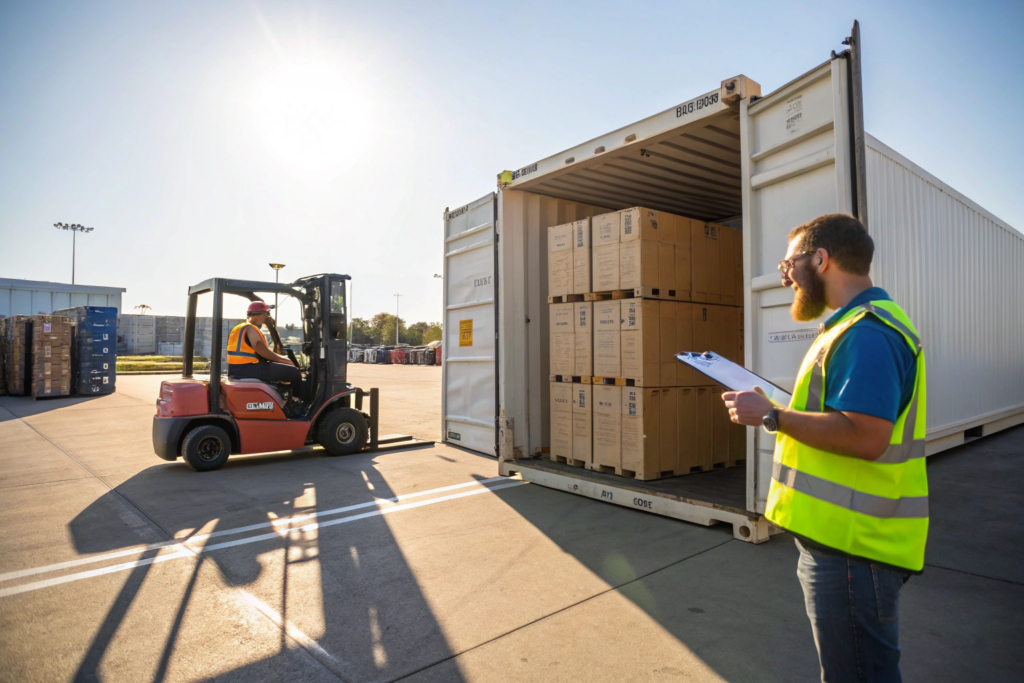
Yes. We book the empty return appointment with the terminal as soon as the loaded container is delivered. We schedule the trucker to come back and pick up the empty within the free period. You do not need to manage this. We track the empty return just like we tracked the loaded delivery.
We monitor the terminal’s empty acceptance windows. Some terminals only accept empties on certain days. Some require appointments weeks in advance. We know these rules. We work within them. We do not let your empty container sit in your lot because the terminal is not accepting returns that day. We plan around the restrictions. This service alone saves our clients hundreds of hours of phone calls and thousands of dollars in detention fees.
What If Your Warehouse Needs More Time to Unload?
Sometimes the container arrives and your warehouse is genuinely overwhelmed. You need an extra three days. If you just ignore the problem, the detention penalty hits you hard. But if you communicate early, we can often find a solution.
We can arrange a drop-and-hook. The trucker drops the loaded container and immediately picks up an empty one, so we avoid at least one trip. We can also sometimes request a detention extension from the carrier before the free days expire. Carriers are more willing to grant an extension if asked in advance rather than being told after the fact. We make that call for you. We explain the situation. We buy you three more free days at no cost or a reduced cost. Proactive communication prevents penalties.
Conclusion
Demurrage and detention fees feel like a scam. You pay thousands of dollars for the privilege of a delay you did not want. The port and the carrier profit from your misfortune. But these fees are not inevitable. They are the result of broken processes, poor communication, and reactive logistics management. When you have a forwarder who tracks the free time clock like a hawk, who pre-clears customs, who has backup truckers on standby, and who disputes unfair charges, these penalties mostly disappear.
At GeeseCargo, we have built our operational model around protecting your free time. We start the customs entry before the ship sails. We dispatch the trucker before the container lands. We monitor the free days every single morning. When a problem arises, we solve it before you even know there was a problem. And if a fee is charged unfairly, we fight it with documentation and persistence. You do not pay a penalty because my team fell asleep at the wheel.
If you are tired of unexpected demurrage and detention invoices, I invite you to let us handle your next shipment. Visit GeeseCargo and ask for our "Fee Prevention Guarantee." We will explain how we monitor free time, how we handle customs exams, and how we ensure your container is never left sitting too long. You will sleep better knowing your container is moving, not racking up charges.