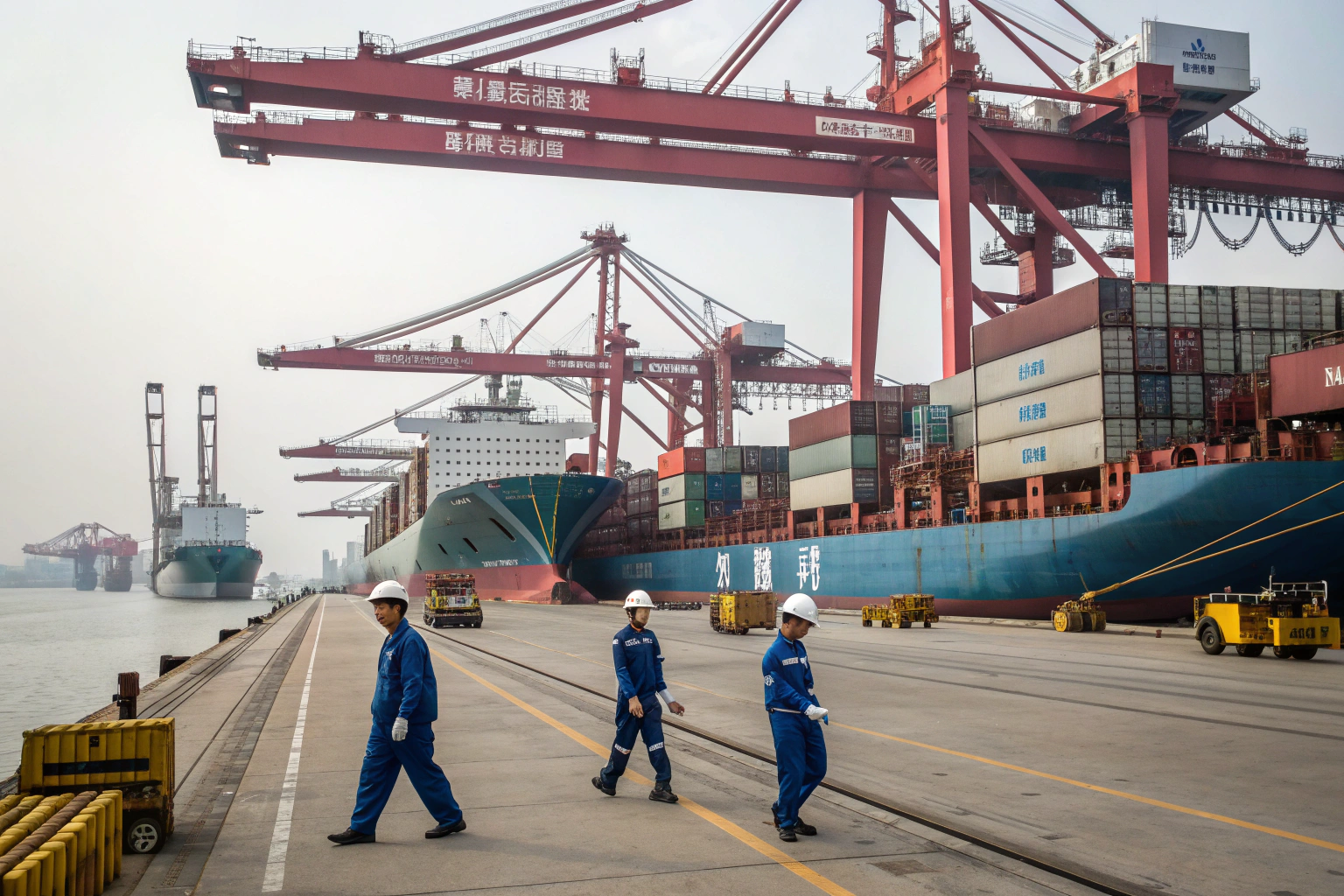
Freight forwarding from China is a critical part of the global supply chain, but it comes with many challenges that can affect businesses like Ron’s. As someone who has worked in this industry for years, I have seen the common problems that buyers and company owners face when shipping goods from China to North America or Europe. These issues often cause stress, delays, and financial losses if they are not managed properly.
The most common problems include unstable freight rates, long customs clearance procedures, port congestion, and communication gaps with suppliers and carriers. These factors can make freight forwarding less predictable, which is why working with an experienced and reliable freight forwarder is important.
If you are a company owner sourcing large volumes of products from China, understanding these challenges will help you prepare better and make smarter logistics decisions. Let me break them down step by step so you can see how they impact your business and how companies like mine can solve them.
Why are Freight Rates from China so Unstable?
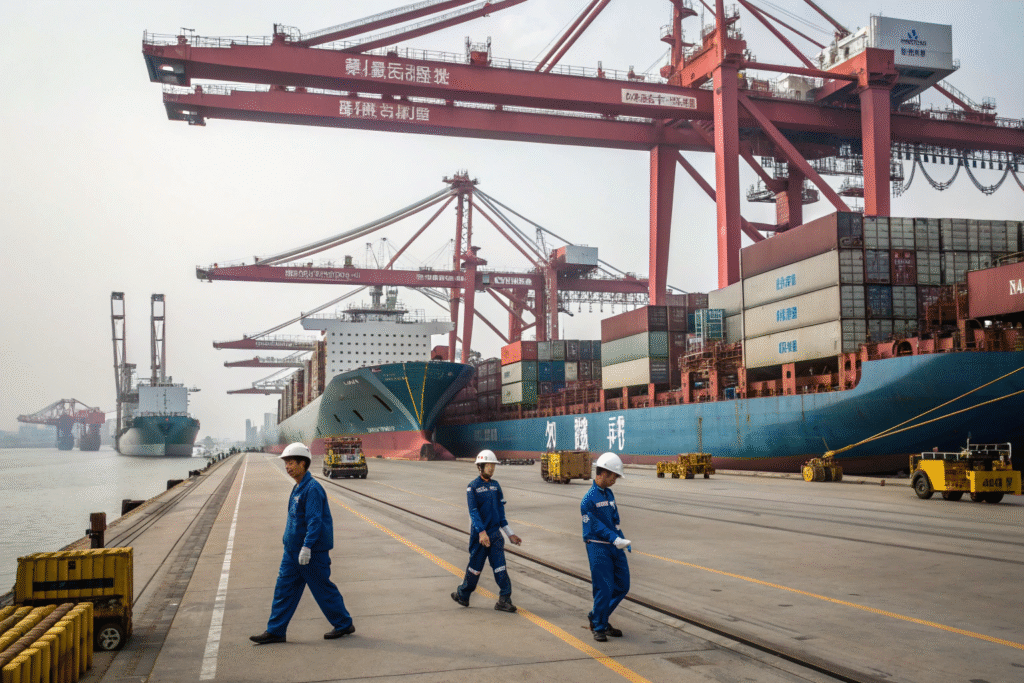
Freight rates from China change almost every week. This is one of the biggest frustrations for importers. The reason is that global shipping is affected by supply and demand. When demand for shipping space is high, like before Christmas or during factory peak seasons, prices go up quickly. When demand drops, the prices may suddenly fall.
Unstable freight rates can create big problems for businesses that need stable cost planning. If you are importing clothing, accessories, or gifts, a sudden price jump can reduce your profit margin.
How do global events affect shipping costs?
Events like the COVID-19 pandemic or geopolitical conflicts can push shipping rates to record highs. For example, Freightos Baltic Index shows how quickly rates can move due to global events. This means companies must always keep an eye on the market and book space early.
What role do carriers play in rate changes?
Shipping lines control vessel capacity, which directly impacts prices. Carriers may cancel sailings (blank sailings) to reduce capacity and push rates higher. Information from The Loadstar often highlights these carrier strategies. This can make it hard for importers to plan shipments because prices are no longer only about demand but also about carrier actions.
How Do Customs Clearance Delays Impact Importers?
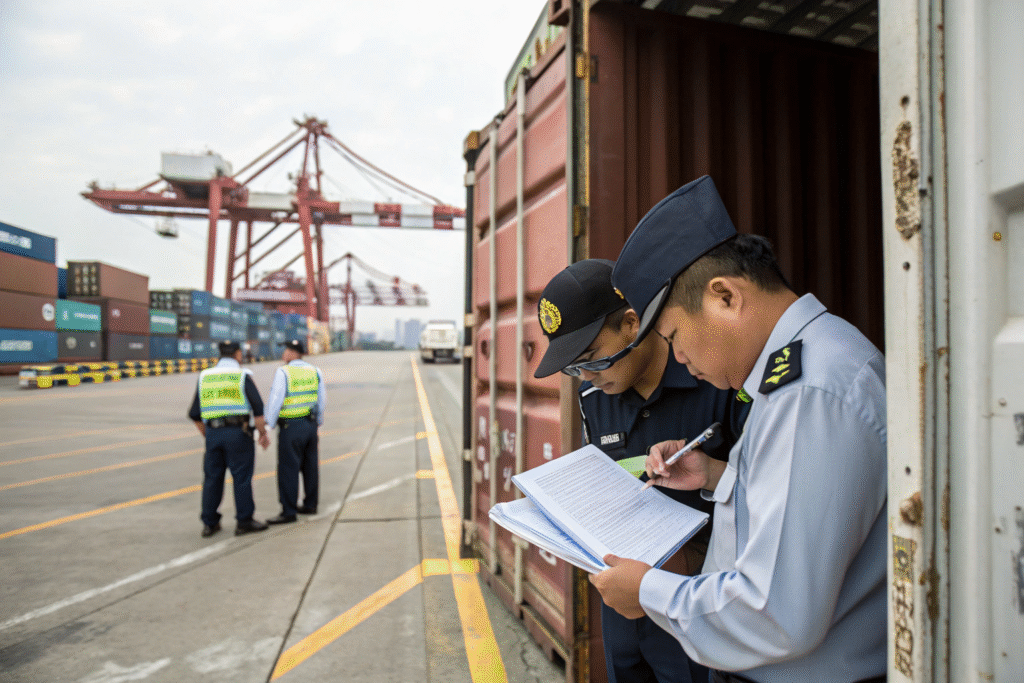
Customs clearance is another major challenge in freight forwarding. Every country has strict import regulations, and even a small mistake in paperwork can cause long delays. For importers, this means higher storage costs, missed delivery deadlines, and even penalties.
Fast and accurate customs clearance is critical to avoid financial losses. Having a freight forwarder with strong experience and relationships with port officials can make a big difference.
What documents are required for smooth clearance?
Essential documents include the commercial invoice, packing list, and bill of lading. A missing or incorrect bill of lading can delay your shipment by days. Working with a partner who knows customs documentation reduces these risks.
How can tariff changes affect customs processing?
Changes in tariffs, like those imposed during U.S.-China trade tensions, add complexity. Importers often track updates through U.S. Customs and Border Protection. Sudden policy changes can increase clearance times and costs. Staying updated is necessary to avoid surprises.
Why Does Port Congestion Create Shipping Problems?
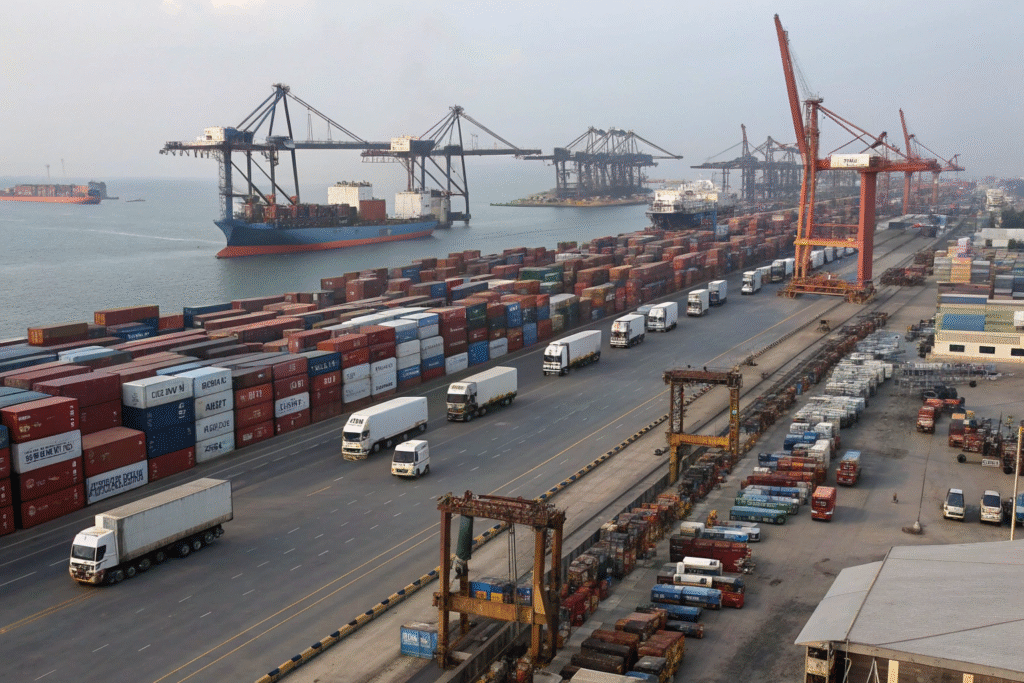
Port congestion has become one of the biggest logistics challenges in recent years. When too many ships arrive at the same port, unloading slows down. This creates a chain reaction: longer transit times, higher demurrage charges, and delays in final delivery.
Port congestion hurts importers the most because it makes supply chains unpredictable. Businesses that rely on timely delivery face extra costs and angry customers.
What causes severe congestion at major ports?
The main causes include labor shortages, equipment problems, and sudden demand spikes. Reports from Port Technology International explain how congestion is often linked to labor disputes or lack of terminal capacity.
How can importers reduce risks of port delays?
Diversifying entry ports and choosing less congested routes is one solution. Some shippers rely on real-time updates from MarineTraffic to track vessel congestion. Working with a forwarder who can quickly adjust routes helps minimize delays.
How Can Poor Communication with Suppliers Cause Issues?
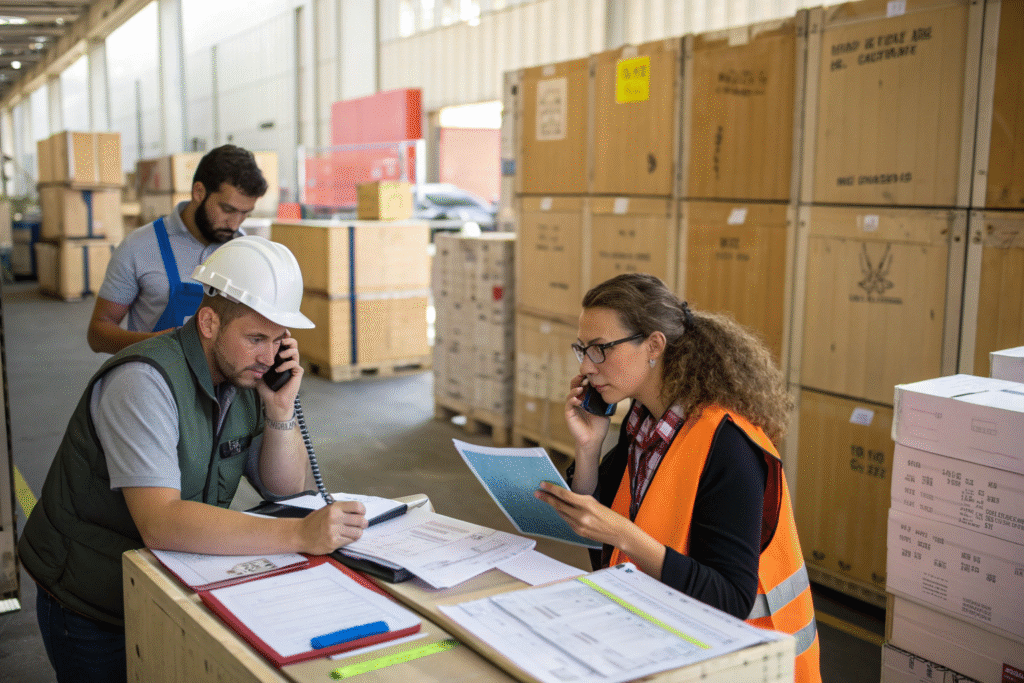
Communication is often underestimated in freight forwarding. Many problems come from unclear agreements with suppliers, missing shipment details, or wrong product labeling. These mistakes cause customs delays, wrong cargo bookings, and unnecessary costs.
Clear and consistent communication is just as important as price and shipping schedules. Without it, even the best logistics plan can fail.
How do language and cultural barriers affect logistics?
Differences in language and business culture often create misunderstandings. For example, suppliers may not update buyers about production delays, which affects booking schedules. Insights from Harvard Business Review discuss how cultural gaps impact international trade.
What tools help improve supplier communication?
Using digital platforms like Alibaba Trade Assurance or logistics software helps improve accuracy. With real-time updates and standardized forms, the chance of errors is lower. Having a forwarder to manage communication ensures everyone is aligned.
Conclusion
Freight forwarding from China is full of opportunities but also many challenges. The most common problems are unstable freight rates, customs clearance delays, port congestion, and poor communication with suppliers. Each of these can seriously impact businesses that depend on importing large quantities of goods from China.
With years of experience in sea and air freight, I have learned that the best way to handle these problems is to be proactive. By monitoring the market, preparing correct documents, planning alternative routes, and keeping communication clear, businesses can avoid most risks.
Working with a professional freight forwarder like GeeseCargo means having a reliable partner who understands these challenges and knows how to solve them quickly. In international trade, speed, safety, and trust are everything. We are here to make sure your business keeps moving forward without unnecessary delays.