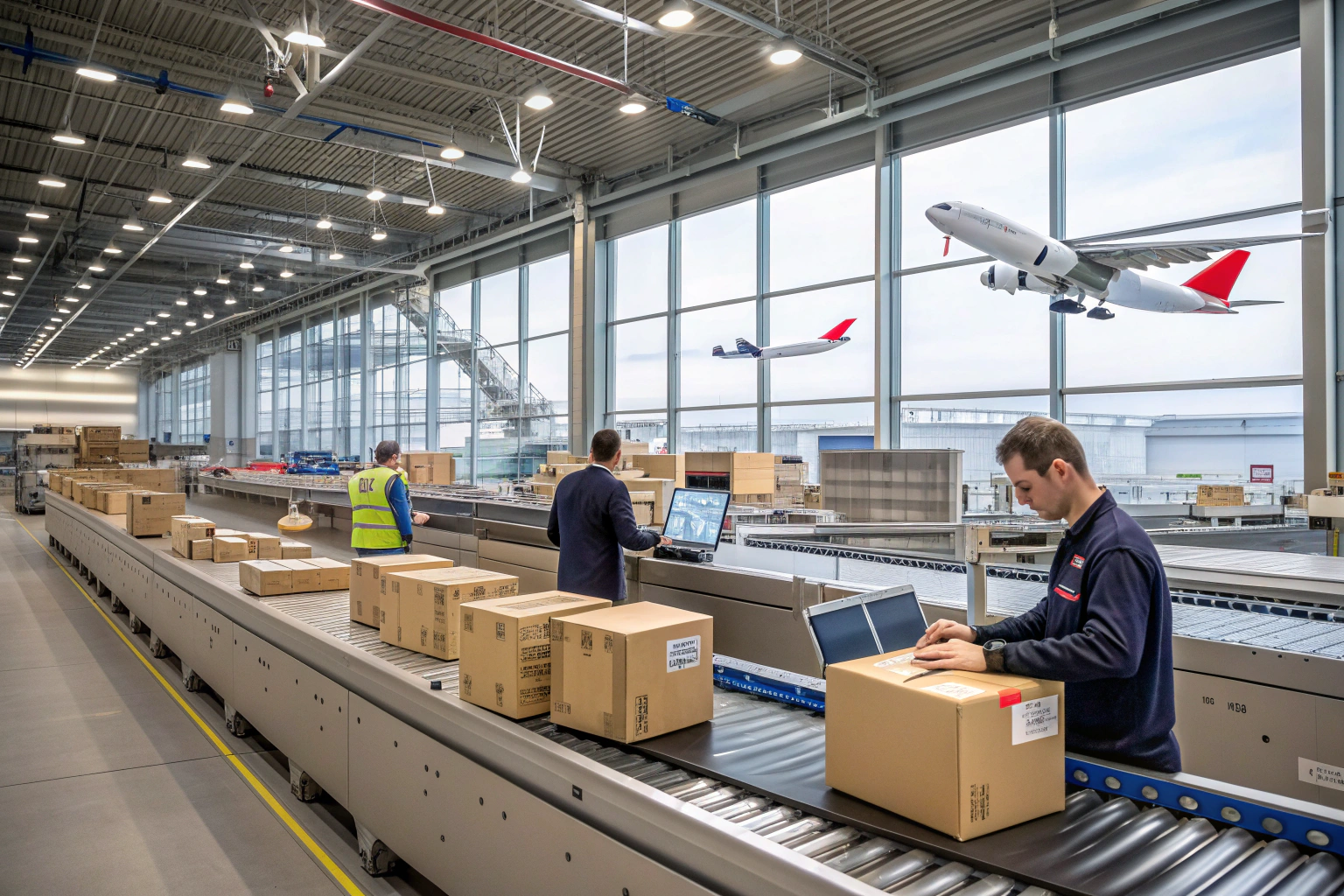
The explosive growth of e-commerce has fundamentally transformed consumer expectations and supply chain dynamics. As an air freight provider serving major e-commerce routes, I've witnessed firsthand how online shopping has revolutionized cargo transportation. What was once a predictable market has become a dynamic, fast-paced environment driven by instant gratification demands.
E-commerce growth has dramatically reshaped the air freight market through increased demand for expedited shipping, the rise of specialized e-commerce logistics, technological integration for real-time visibility, and the development of new hub-and-spoke networks optimized for parcel delivery. These changes have created both challenges and opportunities for shippers and logistics providers alike.
The transformation extends beyond simple volume increases to fundamental operational shifts. Let's examine the specific ways e-commerce has reinvented air cargo.
How Has E-commerce Impacted Air Cargo Demand and Patterns?
The sheer volume of online transactions has created new shipping patterns and seasonal peaks that challenge traditional air cargo operations.
What Driving Forces Are Behind the E-commerce Air Cargo Boom?
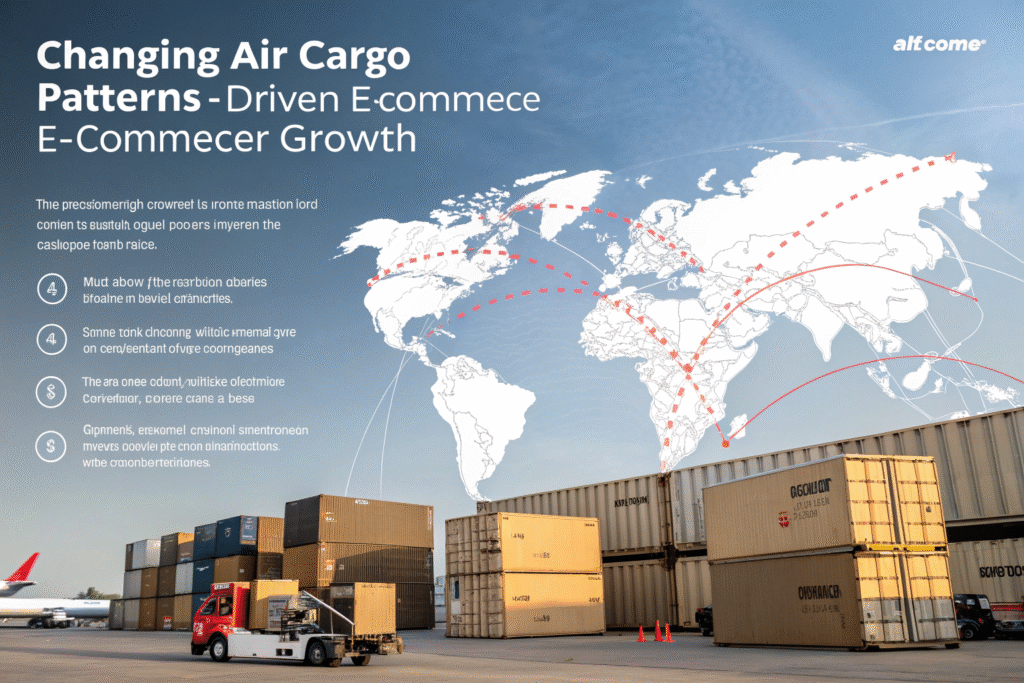
Cross-border e-commerce has become a primary driver of air freight demand. Consumers now expect to receive international purchases within days, not weeks. This expectation has pushed e-commerce giants and marketplace sellers to rely heavily on air cargo for time-sensitive international deliveries. The growth of express parcel delivery services has directly correlated with increasing online shopping volumes.
Seasonal peaks have become more extreme and unpredictable. While traditional retail had clear holiday seasons, e-commerce creates constant promotional events like Prime Day, Black Friday, and Singles' Day that generate massive, sudden air cargo demand. These peaks strain available capacity and require advanced planning from logistics providers.
How Have Shipping Routes and Networks Evolved?
Traditional air cargo routes focused on major manufacturing centers to consumer markets. E-commerce has created demand for point-to-point connections between smaller cities and specialized routes connecting e-commerce hubs. The emergence of dedicated e-commerce air networks, like those operated by Amazon and major express carriers, has created parallel air cargo systems.
Secondary airports near major population centers have gained importance as e-commerce distribution hubs. These locations offer faster ground connectivity to urban areas and more flexible operating hours than congested major international airports. This decentralization represents a fundamental shift in air cargo logistics.
What New Services Has E-commerce Created in Air Freight?
The unique requirements of e-commerce have spawned specialized services and operational models tailored to online retail needs.

Why Are Integrated Express Services Crucial for E-commerce?
Integrated carrier services that combine air transportation with final-mile delivery have become essential for e-commerce. Companies like DHL, FedEx, and UPS have developed seamless systems where goods move from origin warehouses directly to consumers through coordinated air and ground networks. This integration provides the visibility and reliability that online shoppers demand.
The rise of e-commerce dedicated freighters represents another significant development. These aircraft are configured specifically for parcel delivery with enhanced loading systems and optimized for rapid turnaround. Many are operated under contract for major e-retailers, creating dedicated capacity that bypasses traditional air cargo channels.
How Has Last-Mile Integration Transformed Air Cargo?
The connection between air cargo and last-mile delivery has become increasingly seamless. Airports now function as sorting hubs where goods are immediately processed for local delivery upon arrival. This requires sophisticated coordination between airside and landside operations, with tight timelines for sorting and dispatch.
Many carriers have developed cross-dock facilities at airports that enable immediate transfer from aircraft to delivery vehicles. This operational model minimizes storage time and accelerates the final delivery process, meeting the demanding delivery promises made by e-commerce retailers to their customers.
What Technological Advances Support E-commerce Air Freight?
Technology has become the backbone of modern e-commerce air logistics, enabling the speed and visibility that online consumers expect.

How Important is Real-Time Visibility for E-commerce Shipping?
Real-time tracking has evolved from a luxury to a necessity in e-commerce air freight. Consumers and retailers expect minute-by-minute visibility from origin to delivery. This requires sophisticated tracking systems that integrate data from multiple touchpoints throughout the air cargo journey. The quality of tracking information often influences carrier selection for e-commerce shipments.
Predictive analytics now play a crucial role in managing e-commerce air cargo. Systems analyze historical data, weather patterns, and operational metrics to forecast potential delays and suggest alternative routing. This proactive approach helps maintain delivery promises despite the inherent uncertainties of air transportation.
What Role Does Automation Play in E-commerce Air Cargo?
Automated sorting systems have become essential for handling high volumes of e-commerce parcels at air cargo facilities. These systems can process thousands of packages per hour, sorting them by destination, priority, and delivery route. The speed and accuracy of automation enable faster turnaround of aircraft and more efficient ground operations.
Digital documentation has streamlined the administrative processes that traditionally slowed air cargo. Electronic air waybills, digital commercial invoices, and automated customs clearance systems have significantly reduced processing times. This digital transformation is particularly valuable for e-commerce, where speed and efficiency are critical competitive factors.
How Has E-commerce Affected Air Cargo Capacity and Economics?
The rise of e-commerce has created new capacity dynamics and economic models in the air freight industry.
How Are Airlines Adapting Their Capacity for E-commerce?
The conversion of passenger aircraft to freighters has accelerated to meet e-commerce demand. Many airlines have permanently modified aircraft to carry more cargo, while others operate dedicated freighters specifically for e-commerce routes. This capacity adaptation has created new revenue streams for airlines facing volatility in passenger travel.
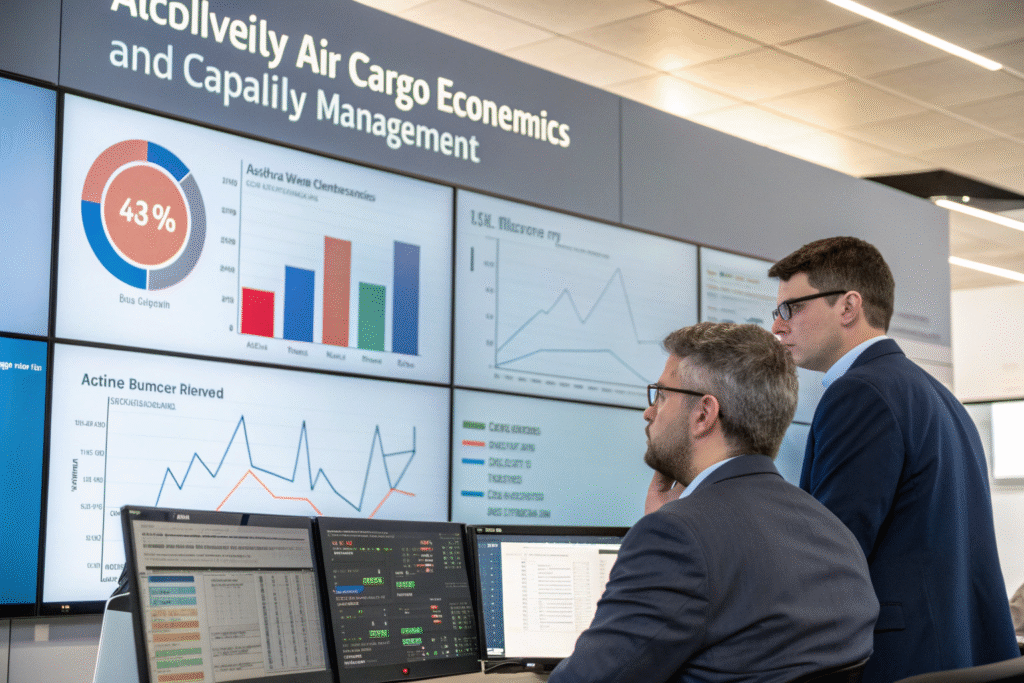
Capacity management has become more dynamic and segmented. Airlines now allocate specific capacity for e-commerce shipments, often with different service level agreements and pricing structures than traditional air cargo. This segmentation allows for better yield management and service differentiation.
What New Business Models Have Emerged?
The freighter-as-a-service model has gained popularity, where e-commerce companies lease entire aircraft on long-term contracts. This guarantees capacity and control over shipping schedules, providing reliability that spot market purchasing cannot match. This model has been particularly embraced by large e-commerce platforms and logistics providers.
Collaborative logistics networks have emerged where multiple e-commerce sellers share consolidated air cargo capacity. This approach allows smaller players to access premium air freight services at competitive rates while optimizing load factors for carriers. These networks represent an innovative response to the fragmentation of e-commerce supply chains.
Conclusion
E-commerce has permanently altered the air freight landscape, creating a market that prioritizes speed, flexibility, and visibility above all else. The changes extend beyond simple volume growth to fundamental operational transformations, technological integration, and new business models. Air cargo providers who successfully adapt to these new realities stand to benefit from the continued expansion of global e-commerce.
At GeeseCargo, we've evolved our air freight services specifically to meet e-commerce demands through dedicated e-commerce solutions, enhanced tracking capabilities, and strategic partnerships with express carriers. Our experience in connecting Asian manufacturing centers with North American and European markets has provided valuable insights into the evolving needs of online retailers. The future of air freight is inextricably linked with e-commerce growth, and the most successful players will be those who embrace this new paradigm rather than resisting it.