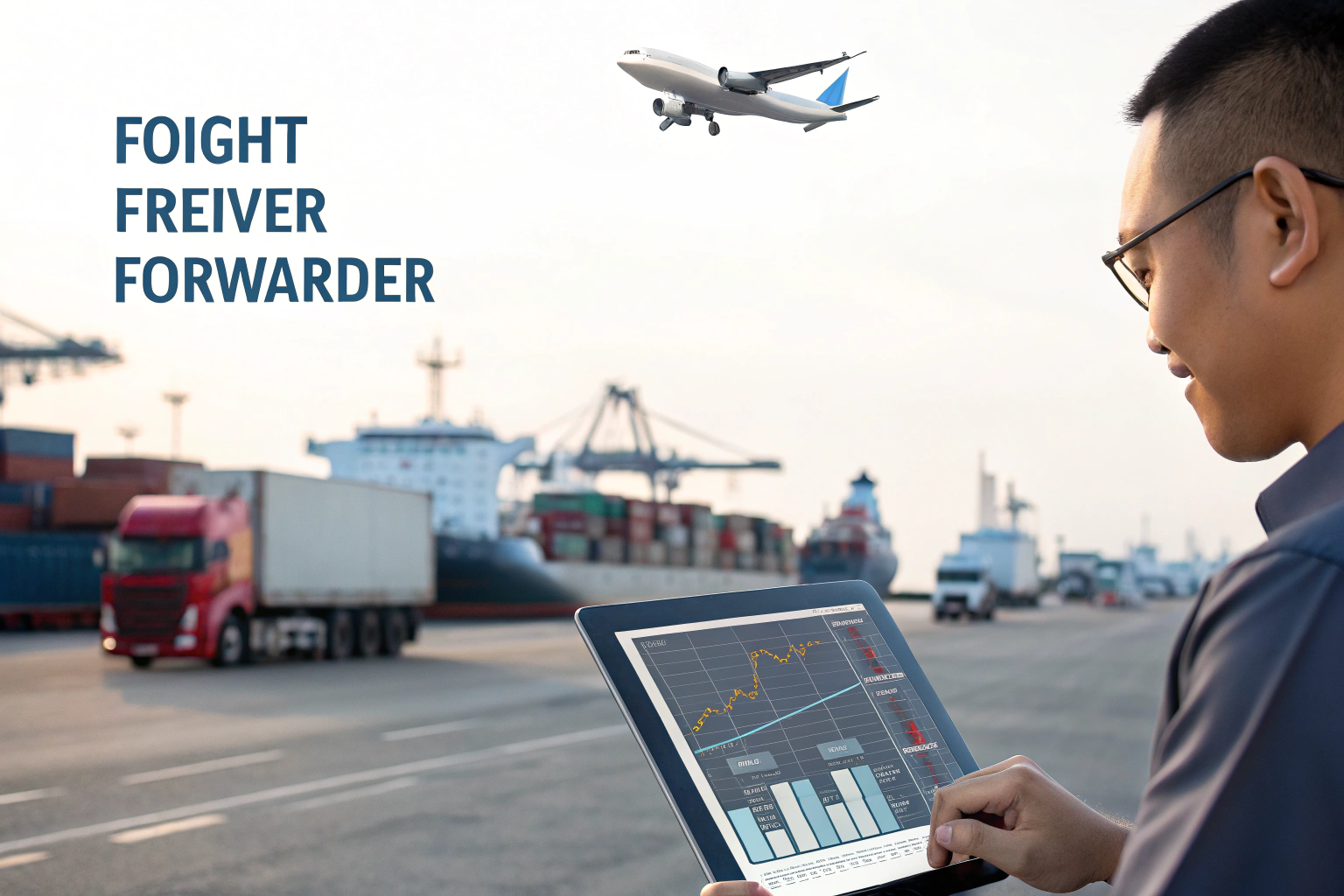
When I speak with business owners, one of their biggest concerns is not just getting goods delivered but also improving profitability in a competitive market. Rising freight costs, unexpected delays, and inefficient supply chains can easily reduce profit margins. Many importers ask me: Can freight forwarding really help me make more money?
The truth is yes—freight forwarding improves profitability by reducing costs, avoiding delays, optimizing logistics, and providing better visibility for planning. By partnering with the right forwarder, companies can turn shipping from a burden into a profit-supporting function.
Let’s explore how professional freight forwarding directly improves profitability.
How Do Forwarders Reduce Freight Costs?
Shipping costs are often one of the largest expenses in global trade.
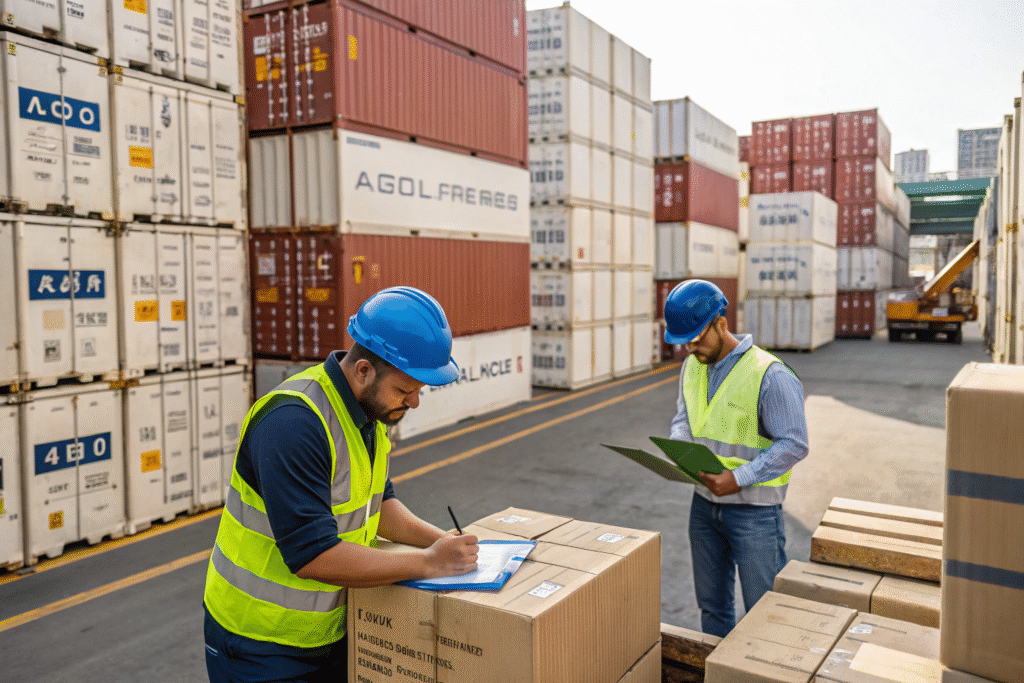
Freight forwarders reduce costs by consolidating shipments, negotiating better carrier rates, and avoiding hidden fees.
Why Are Forwarders Able to Negotiate Better Rates?
Forwarders move cargo for many clients, giving them buying power. According to Journal of Commerce, forwarders can negotiate rates that individual shippers cannot access. This lowers the per-container or per-kilo cost.
How Do Forwarders Prevent Hidden Charges?
Forwarders help importers avoid demurrage, detention, and storage fees. According to Flexport, poor communication and planning often cause thousands in unnecessary charges. With forwarder oversight, these costs are minimized.
How Does Efficient Shipping Improve Profit Margins?
Delays not only frustrate importers but also hurt profitability.
Forwarders improve efficiency by booking space early, monitoring shipments, and providing accurate delivery forecasts. This allows businesses to reduce stockouts and missed sales opportunities.
How Do Reliable Schedules Support Profitability?
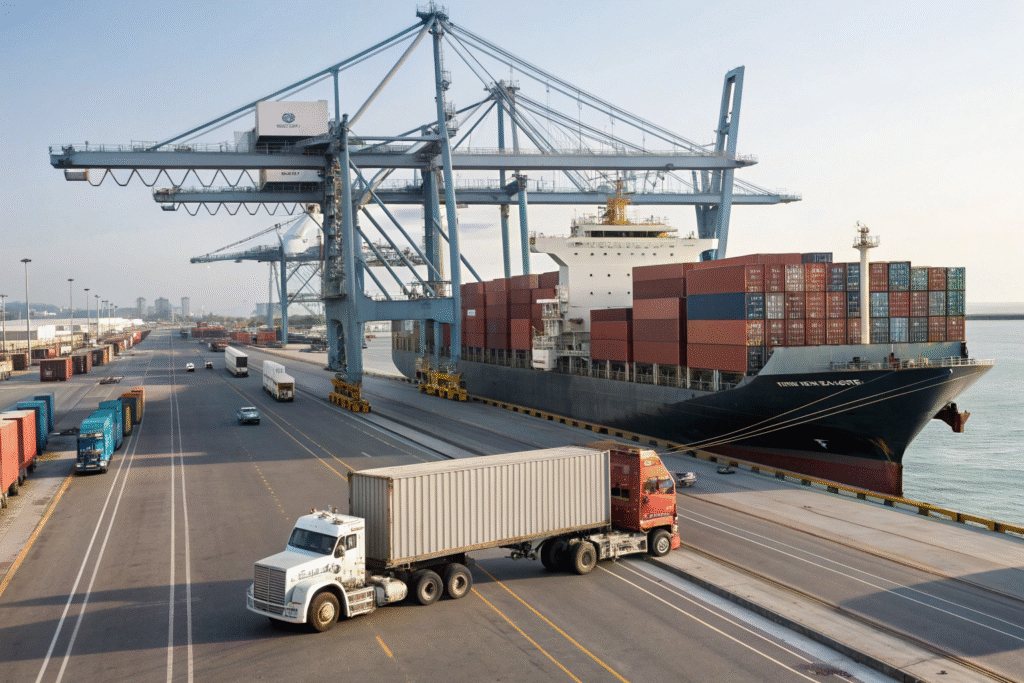
On-time delivery helps businesses meet retail demand. According to Sea-Intelligence, unreliable schedules increase inventory holding costs. Forwarders reduce this risk by managing schedules proactively.
Can Forwarders Help Importers Avoid Overpaying for Urgent Shipments?
Yes. Without planning, importers often switch to expensive air freight when ocean shipments are delayed. According to DHL, proactive logistics reduces the need for costly last-minute solutions.
How Do Customs and Compliance Support Profitability?
Customs problems are not just delays—they are expensive.
Forwarders protect profitability by ensuring compliance, accurate documentation, and correct tariff classification.

How Can Documentation Errors Hurt Profits?
Incorrect paperwork can lead to fines and storage costs. According to U.S. Customs and Border Protection, penalties for misclassification or missing information can be thousands of dollars. Forwarders eliminate these risks.
Do Forwarders Help Manage Tariffs and Duties?
Yes. By classifying goods correctly and using trade agreements, forwarders reduce duties where possible. According to Trade.gov, proper tariff planning directly lowers import costs and increases profit margins.
How Does Technology Drive Cost Savings and Visibility?
Technology is a game-changer in profitability.
Forwarders use tracking platforms, predictive analytics, and cost management tools to give importers better control over supply chain expenses.

How Does Real-Time Tracking Reduce Financial Risks?
When businesses know exactly where cargo is, they can avoid unnecessary stockouts or overstocking. According to MarineTraffic, predictive tools give more accurate arrival times, reducing waste and inefficiency.
Can Technology Help Businesses Forecast Better?
Yes. Platforms like CargoSmart and Freightos provide data-driven insights. This visibility helps importers make smarter financial decisions and protect margins.
Conclusion
Profitability is not only about selling goods at a good price—it’s about controlling logistics costs and ensuring goods arrive on time. Freight forwarders reduce expenses, improve efficiency, manage customs, and use technology to maximize value.
For businesses in global trade, working with a professional freight forwarder like GeeseCargo is more than just logistics support—it’s a direct boost to long-term profitability.