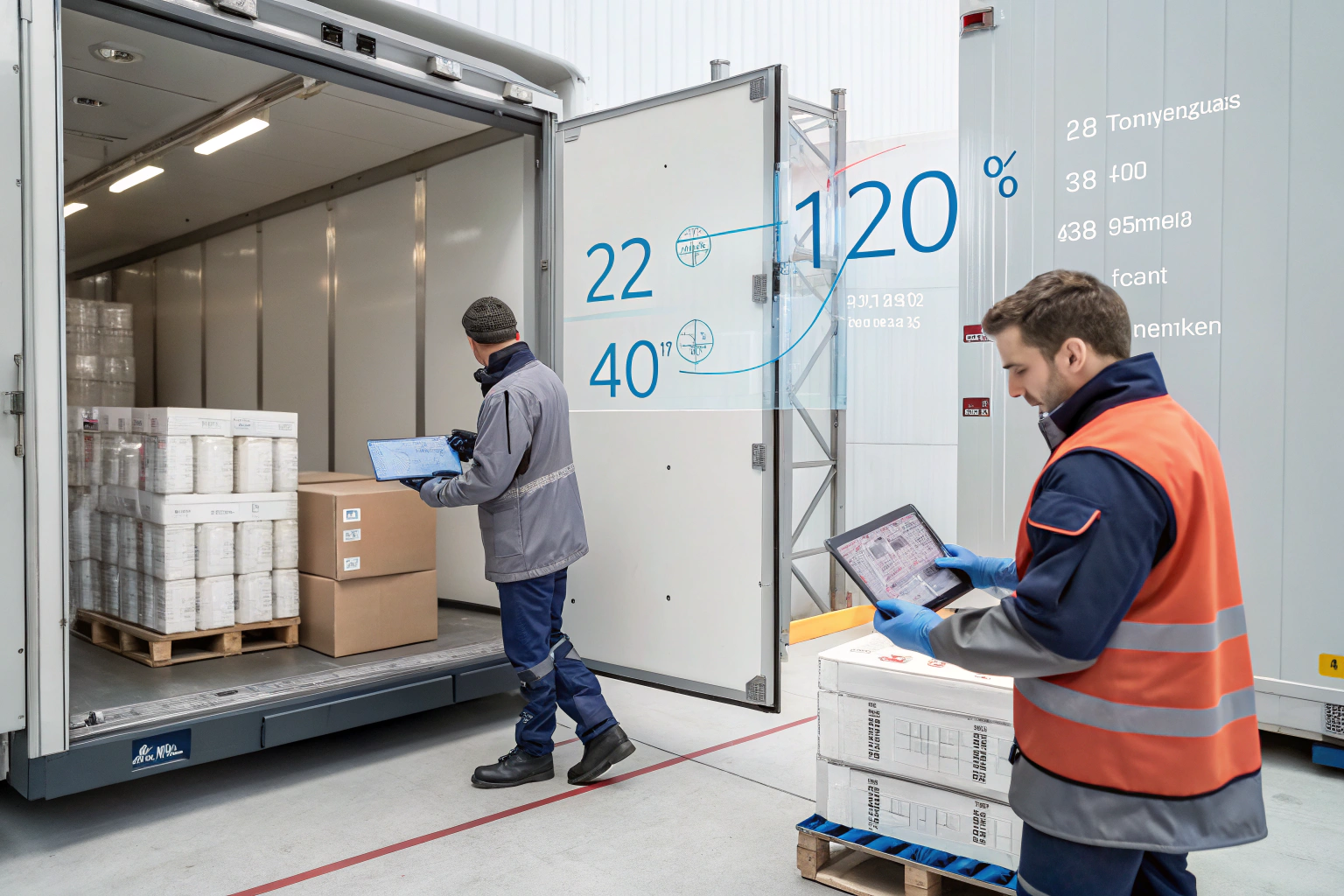
Shipping temperature-sensitive products represents one of the most complex challenges in logistics, requiring precision, specialized equipment, and meticulous planning. As a freight forwarder with extensive experience in pharmaceutical, food, and biotechnology shipments, I've developed protocols that ensure temperature integrity from origin to destination. Proper temperature-controlled shipping isn't just about maintaining a temperature range—it's about creating a stable, monitored environment that protects product efficacy, safety, and value.
Shipping temperature-controlled products requires specialized packaging, qualified carriers, continuous monitoring, proper documentation, and contingency planning to handle unexpected delays or equipment failures. Success depends on understanding your product's specific requirements, selecting appropriate technology, and implementing comprehensive validation procedures before shipping valuable cargo.
Temperature-controlled logistics, often called cold chain logistics, has evolved significantly with technological advancements. Let's examine the systematic approach needed to ensure your sensitive products arrive in perfect condition.
What Temperature Control Methods Are Available?
Choosing the right temperature control method depends on your product's sensitivity, shipment duration, and external conditions.

When Should You Use Active Refrigeration Systems?
Reefer containers and trucks provide precise, adjustable temperature control for high-value or highly sensitive shipments. These active systems maintain temperatures within ±0.5°C of set points, crucial for pharmaceuticals, vaccines, and certain biologics. They require reliable power sources throughout transit and are typically more expensive but offer superior control.
Electric vs. diesel-powered refrigeration units offer different advantages. Electric units are quieter and emission-free but require shore power at stops, while diesel units provide complete independence but face increasing regulatory restrictions in urban areas. Hybrid systems are becoming popular, offering flexibility for varied transit conditions.
What About Passive Temperature Control Solutions?
Phase change materials in insulated containers maintain temperatures without external power. These PCM packs freeze at specific temperatures, absorbing heat as they change state. Properly configured, they can maintain 2-8°C ranges for 48-96 hours, making them ideal for shorter shipments or last-mile delivery from airport to final destination.
Vacuum insulated panels offer superior insulation in thinner profiles than traditional materials. When combined with appropriate PCM, VIP containers can maintain stability for extended periods with minimal external bulk, though they typically represent higher initial investment than standard insulated shippers.
How Do You Select the Right Packaging Solution?
Packaging represents your first and most crucial line of defense against temperature excursions.

What Factors Determine Packaging Requirements?
Product thermal characteristics including heat sensitivity, freeze tolerance, and stability range define protection needs. Some products tolerate brief excursions while others require absolute consistency. Understanding your product's exact requirements prevents over-engineering (increasing costs) or under-protection (risking product loss).
External conditions and transit duration dramatically impact packaging selection. Summer shipments through tropical regions require more robust protection than winter shipments through temperate climates. Similarly, 24-hour domestic shipments need different solutions than 10-day international ocean voyages.
How Should You Validate Packaging Performance?
Qualified thermal testing simulates worst-case transit conditions before shipping valuable products. Reputable testing facilities expose packaging to defined temperature profiles representing seasonal extremes, airport tarmac conditions, and extended transit times, providing data-driven confidence in performance.
Real-world validation shipments with data loggers confirm theoretical performance. Before shipping high-value products, conduct test shipments with identical packaging and monitoring to verify performance under actual conditions, identifying unexpected thermal challenges like airport holding areas or customs inspection delays.
What Monitoring and Documentation Are Essential?
Continuous monitoring and comprehensive documentation provide evidence of temperature integrity throughout the journey.

Which Monitoring Technologies Provide Reliable Data?
Wireless data loggers offer real-time visibility and immediate excursion alerts. Modern Bluetooth and cellular-enabled loggers transmit data to cloud platforms, allowing proactive intervention when temperatures approach limits. These systems typically include GPS tracking, providing both location and temperature data in integrated dashboards.
Traditional USB data loggers remain valuable for cost-sensitive shipments or regulatory compliance documentation. While offering only retrospective data, they provide reliable, verifiable records for quality assurance and regulatory submissions at lower cost than real-time systems.
What Documentation Supports Regulatory Compliance?
Temperature mapping reports demonstrate packaging performance under simulated conditions. These formal documents, often required for pharmaceutical and food shipments, provide scientific evidence that selected packaging maintains required conditions throughout defined transit scenarios.
Chain of custody documentation tracks handling procedures and temperature checks at each transfer point. This includes signed verification that products remained in controlled environments during handoffs between carriers, warehouse staff, and customs officials.
How Do You Select and Qualify Carriers?
Not all carriers can properly handle temperature-sensitive shipments, making qualification essential.

What Carrier Capabilities Are Essential?
Temperature-controlled equipment maintenance programs ensure reliability. Qualified carriers maintain detailed maintenance records, perform regular calibrations, and have contingency equipment available. Request documentation of refrigerator/freezer unit calibrations and preventive maintenance schedules during qualification.
Staff training and procedures for handling temperature-sensitive goods differentiate capable carriers. Proper handlers understand the urgency of temperature-controlled shipments, follow specific loading/unloading procedures, and know escalation protocols for equipment issues.
How Should You Audit Carrier Performance?
Unannounced facility inspections reveal actual practices versus claimed capabilities. Visit carrier facilities to inspect equipment condition, observe handling procedures, and review temperature records from previous shipments. Pay particular attention to transfer areas where temperature control often breaks down.
Performance data analysis from previous shipments provides objective evidence. Many carriers provide performance dashboards showing on-time delivery, temperature compliance rates, and incident reports. Analyze this data over time rather than accepting general assurances of capability.
What Contingency Plans Prevent Product Loss?
Even with perfect planning, temperature excursions can occur—prepared response minimizes loss.
How Can You Design Effective Redundancy?
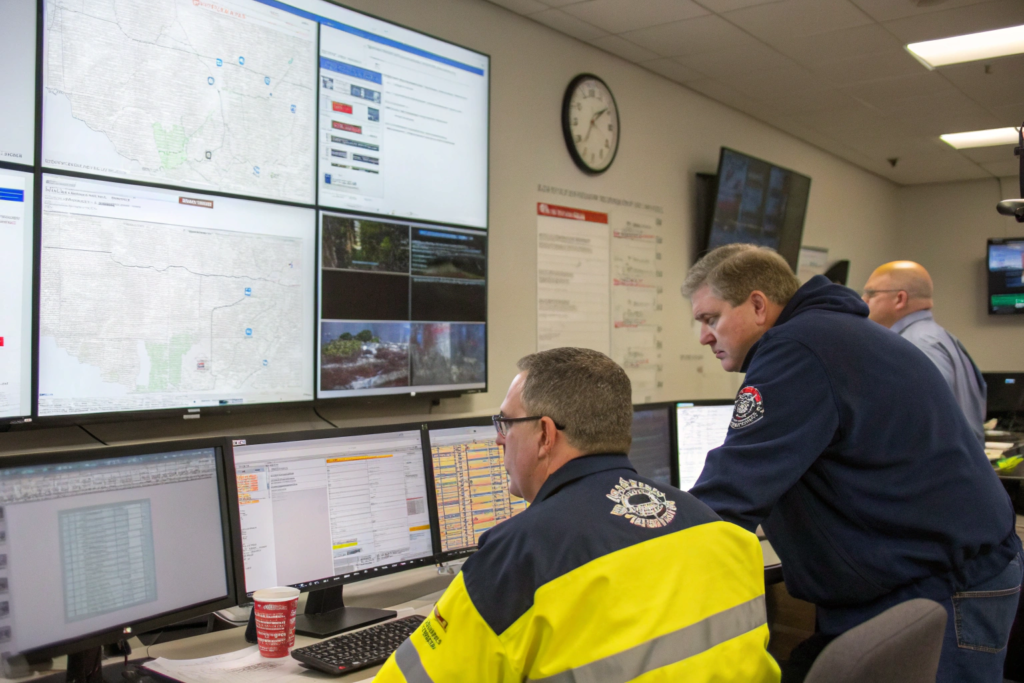
Dual temperature monitoring provides backup if primary systems fail. Install two independent monitoring devices in different locations within the shipment—if one fails or shows questionable readings, the other provides verification. This approach is particularly valuable for high-value shipments where product loss would be catastrophic.
Alternative routing options prepared in advance enable quick response to delays. Identify alternative carriers, routes, and facilities before problems occur, with established agreements that allow rapid activation when primary options face unexpected issues.
What Response Protocols Minimize Loss?
Immediate excursion response procedures ensure quick action when temperatures approach limits. Define specific temperature thresholds that trigger alerts, who receives them, and what actions they should take—whether rerouting, expediting, or arranging temporary storage in qualified facilities.
Product recovery protocols determine salvage options for exposed products. Work with quality teams to define acceptable excursion limits and testing requirements for potentially compromised products, establishing clear decision trees before incidents occur rather than during crises.
Conclusion
Shipping temperature-controlled products successfully requires integrating specialized equipment, qualified partners, comprehensive monitoring, and contingency planning into a cohesive cold chain strategy. The most effective approaches view temperature control not as an isolated packaging decision but as an end-to-end process involving every touchpoint from manufacturing to final delivery. Each product category—pharmaceuticals, food, chemicals, or electronics—has unique requirements that must be understood and addressed specifically.
At GeeseCargo, we've developed specialized temperature-controlled shipping protocols that typically achieve 99.5%+ temperature compliance rates for our clients' most sensitive shipments. Our experience demonstrates that the highest success rates come from over-preparation rather than minimal compliance—investing in validation, redundancy, and partner qualification before shipping valuable products. Remember that temperature-controlled logistics represents both a significant cost and a critical value protection—the right investments in proper shipping prevent losses far greater than the shipping costs themselves.