When one of our clients raised $1.2 million on Kickstarter but lost $180,000 due to poor logistics planning, I witnessed firsthand how shipping can make or break a crowdfunding success. As founder of GeeseCargo with extensive experience supporting hardware startups, I've learned that logistics planning for Kickstarter isn't an afterthought—it's a core component of campaign strategy that should begin before you even launch.
Successful Kickstarter logistics planning requires calculating accurate shipping costs during campaign creation, selecting fulfillment partners before launch, preparing for manufacturing delays, and communicating transparently with backers. Campaigns that properly budget logistics typically deliver 3-5 months faster with 60-80% fewer customer complaints compared to those treating shipping as an afterthought.
The most successful campaign creators integrate logistics into their entire project timeline, from pre-launch cost calculations through post-campaign delivery. This comprehensive approach transforms potential shipping nightmares into competitive advantages that build backer trust and enable future business growth.
What Pre-Launch Logistics Planning Is Essential?
Thorough preparation before your campaign goes live prevents costly mistakes and sets realistic expectations with backers.

How Should You Calculate and Structure Shipping Costs?
Research real carrier rates for each target country rather than guessing. Use dimensional weight calculators for your actual packaged product and get quotes from multiple fulfillment partners for accurate international rates.
Bundle shipping into reward tiers instead of separate add-ons. Campaigns with shipping included in reward prices have 25-40% higher conversion rates than those with separate shipping calculations during checkout.
Create regional shipping tiers to simplify international logistics. Group countries with similar shipping costs (North America, European Union, Asia Pacific, Rest of World) rather than individual country pricing that becomes administratively overwhelming.
What Fulfillment Decisions Should You Make Before Launch?
Decide between self-fulfillment versus fulfillment partners based on volume. Self-fulfillment works for under 500 units, while professional fulfillment becomes cost-effective above 1,000 units due to negotiated rates and efficiency.
Identify potential fulfillment partners and get preliminary quotes. Research companies experienced with Kickstarter fulfillment and obtain quotes based on your estimated volumes, product dimensions, and destination countries.
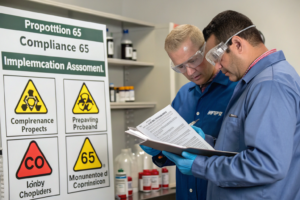
Plan for customs and import documentation requirements. Understand HS codes, import duties, and documentation needed for each target country to prevent surprises during shipping.
How Should You Manage Manufacturing and Production Logistics?
The transition from funding to manufacturing involves critical logistics decisions that impact delivery timelines and costs.

What Manufacturing Factors Impact Logistics Planning?
Factory location significantly affects shipping costs and timelines. Chinese manufacturing offers cost advantages but adds 4-6 weeks to delivery timelines compared to regional manufacturing with higher per-unit costs.
Production quality directly influences return rates and customer satisfaction. Budget for pre-shipment inspections (typically $300-$500) that catch defects before shipping, saving thousands in return shipping and replacement costs.
Packaging design affects dimensional weight and shipping costs. Work with manufacturers to optimize packaging for protection and shipping efficiency, as small size reductions can reduce shipping costs 15-30%.
How Can You Mitigate Manufacturing and Shipping Delays?
Build buffer time into all production and shipping estimates. Add 4-6 weeks to your best-case manufacturing timeline and 2-3 weeks to shipping estimates to account for unexpected delays.
Plan for Chinese New Year and other seasonal disruptions. If manufacturing in Asia, avoid scheduling production around January-February when factories close for 3-4 weeks during holiday periods.
Coordinate directly with factories on shipping documentation. Ensure manufacturers provide proper commercial invoices, packing lists, and other documents needed for smooth customs clearance.
What Fulfillment Strategy Works Best for Kickstarter?
Choosing the right fulfillment approach balances cost, control, and scalability based on your campaign specifics.

When Does Self-Fulfillment Make Sense?
Small campaigns (under 500 backers) can manage self-fulfillment effectively. The control and cost savings often outweigh the time investment for modest volumes.
Localized backer concentration simplifies self-fulfillment. If 80%+ of backers are in your home country, self-fulfillment becomes more manageable than international distribution.
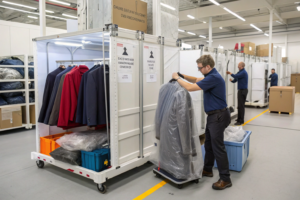
Products requiring special handling may need creator involvement. Complex assembly, personalized items, or fragile products might necessitate hands-on fulfillment rather than automated processes.
What Are the Advantages of Professional Fulfillment?
Volume discounts reduce per-unit shipping costs. Fulfillment centers negotiate carrier rates 40-60% below retail, making their services cost-effective despite service fees.
Scalability handles unexpected volume spikes. When campaigns overfund (sometimes 5-10x initial goals), fulfillment centers can manage volumes that would overwhelm self-fulfillment operations.
International expertise simplifies global distribution. Fulfillment partners understand country-specific requirements, taxes, and customs procedures that baffle first-time shippers.
How Should You Handle International Shipping and Customs?
Global distribution presents the greatest logistical challenges for Kickstarter creators but also represents the largest growth opportunity.
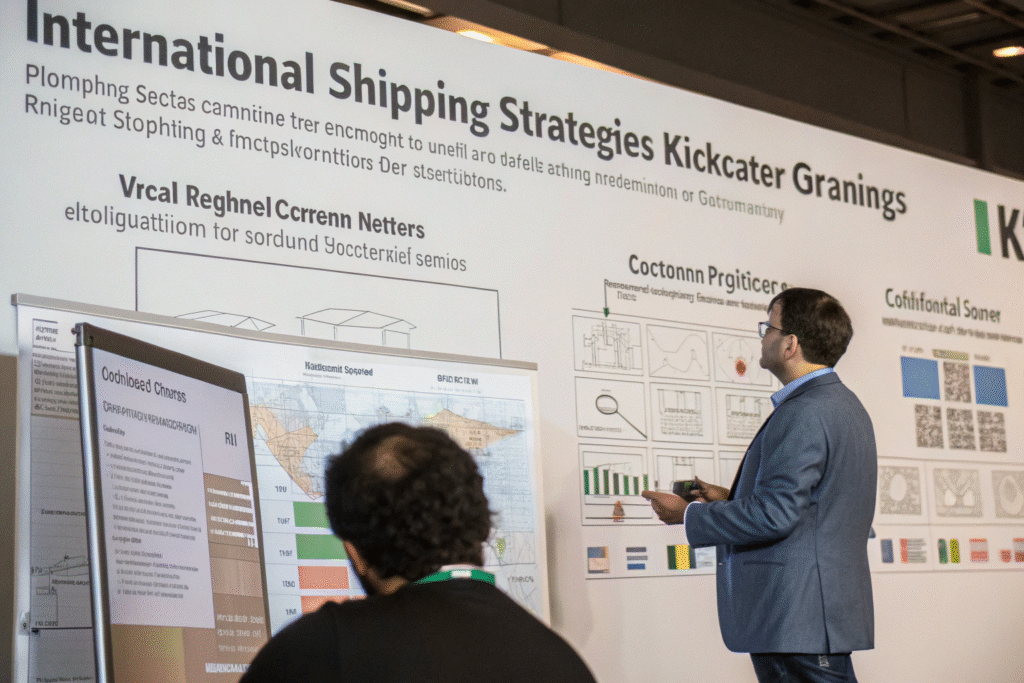
What International Logistics Approaches Work Best?
Regional fulfillment centers reduce costs and delivery times. Shipping bulk containers to fulfillment centers in North America, Europe, and Asia enables local distribution at 40-70% lower costs than direct international shipping.
DDU (Delivered Duty Unpaid) versus DDP (Delivered Duty Paid) decisions impact backer experience. DDU shifts customs responsibility to backers (causing delays and unexpected costs), while DDP includes all costs upfront for smoother delivery.
VAT and import duty calculations prevent financial surprises. Research and budget for value-added taxes (typically 15-25%) and import duties (0-15%) for each destination country.
How Can You Simplify International Documentation?
Prepare commercial invoices with accurate product descriptions and values. Proper documentation including HS codes, country of origin, and correct valuation prevents customs delays.
Understand prohibited and restricted items by country. Electronics, batteries, food products, and certain materials face restrictions in specific countries that require special handling or documentation.
Consider fulfillment partners with international expertise. Companies experienced with global Kickstarter shipping understand country-specific requirements and can navigate complex international logistics.
What Communication Strategy Manages Backer Expectations?
Transparent, proactive communication about shipping builds trust and reduces customer service burden.

How Should You Communicate Shipping Timelines and Delays?
Set realistic expectations from the beginning. Add 25-50% buffer to your estimated delivery dates in campaign materials to create positive surprises rather than disappointments.
Provide regular updates throughout the process. Monthly updates during manufacturing and weekly updates as shipping approaches keep backers informed and engaged.
Be transparent about delays as soon as they occur. Backers respond better to honest communication about challenges than to optimistic estimates that prove inaccurate.
What Shipping Information Should You Provide Backers?
Create a dedicated shipping FAQ addressing common concerns. Cover topics like customs fees, delivery timelines, missing packages, and address changes to reduce individual inquiries.
Provide tracking information as packages ship. Use fulfillment platforms that automatically email tracking numbers or create backer portals where supporters can check their shipment status.
Establish clear support channels for shipping issues. Designate specific email addresses, forms, or support systems for backers with delivery problems to manage efficiently.
What Are the Most Common Kickstarter Logistics Mistakes?
Understanding frequent errors helps creators avoid costly shipping problems that damage reputations and profitability.

What Budgeting Errors Cause the Most Serious Problems?
Underestimating international shipping costs destroys margins. Campaigns often budget domestic rates for global shipping, losing $15-40 per international shipment.
Forgetting hidden costs like payment processing fees and packaging materials. Kickstarter/Stripe fees (8-10%), packaging supplies ($2-8 per unit), and labor costs add 15-25% to fulfillment expenses.
Failing to account for failed deliveries and returns. Budget 3-5% for address corrections, failed deliveries, and returns that inevitably occur with direct-to-consumer shipping.
What Operational Mistakes Derail Delivery Timelines?
Overpromising delivery dates creates inevitable disappointment. Campaigns estimating delivery within 2-3 months of funding typically deliver in 6-9 months for hardware products.
Poor inventory management causes fulfillment chaos. Without proper systems, campaigns struggle with variant management, address verification, and inventory reconciliation.
Inadequate quality control generates returns and complaints. Skipping inspections to save time or money typically costs 3-5x more in return shipping and customer service.
Conclusion
Successful Kickstarter logistics requires integrating shipping planning into every campaign phase—from pre-launch cost calculations through post-campaign delivery. The most successful creators treat logistics as a strategic advantage rather than an operational necessity, using smooth fulfillment to build reputation and enable future business growth.
At GeeseCargo, we've helped Kickstarter campaigns deliver over 500,000 units to backers worldwide, with the most successful outcomes coming from creators who begin logistics planning during campaign development rather than after funding. The key is recognizing that backers aren't just funding a product—they're participating in a journey that culminates in the satisfying moment of receiving what they supported.
Begin your logistics planning by thoroughly researching real shipping costs for your specific product, then build a comprehensive timeline that accounts for manufacturing, quality control, and international shipping. Remember that in crowdfunding, delivery isn't the end of your relationship with backers—it's the beginning of your reputation as a reliable creator who can build on this success for future ventures.