When Hurricane Season 2023 caused one of our clients' shipments to be delayed by 28 days, the resulting $85,000 in lost sales could have been minimized with proper weather delay planning. As founder of GeeseCargo with extensive ocean freight experience, I've learned that weather planning isn't about eliminating delays—it's about building resilient supply chains that withstand inevitable disruptions while minimizing their impact.
Effective weather delay planning involves understanding seasonal patterns, building buffer times, implementing tracking systems, diversifying routes, and securing appropriate insurance. Companies with comprehensive weather strategies typically experience 40-60% lower disruption costs and recover 3-5 times faster from weather-related delays compared to unprepared competitors.
Weather delays affect approximately 15-25% of ocean shipments annually, with average delays of 4-12 days depending on season and trade lane. Proper planning transforms these disruptions from crises into manageable incidents.
What Are the Major Weather Patterns Affecting Ocean Freight?
Understanding specific weather systems and their timing enables proactive planning rather than reactive response.
How Do Seasonal Weather Systems Impact Different Trade Lanes?
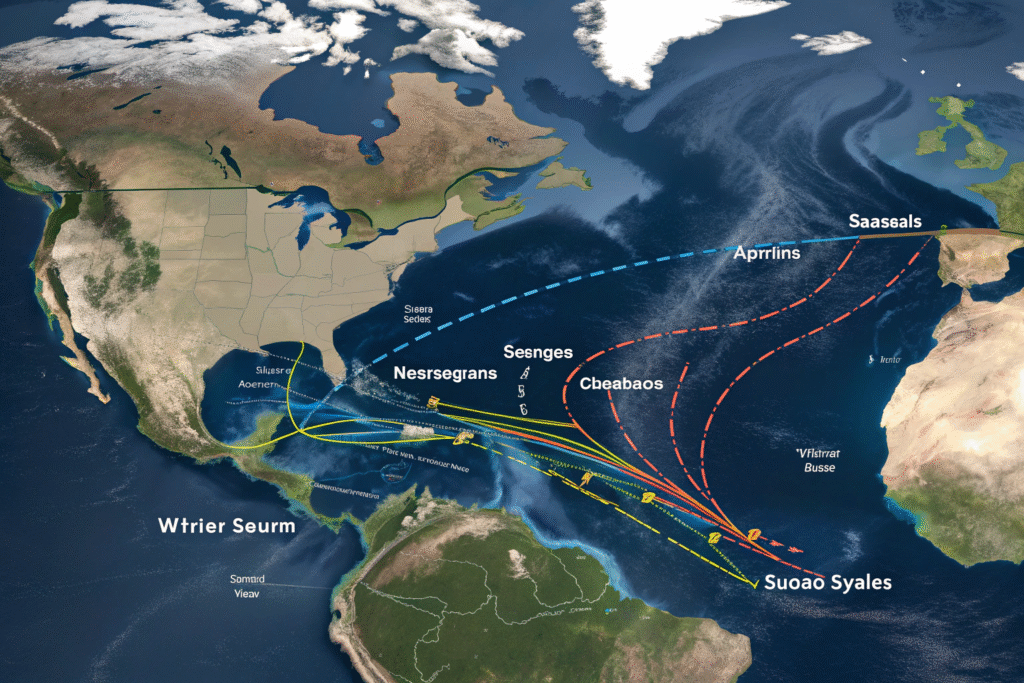
North Atlantic winter storms (November-March) affect Europe-US routes. These systems cause 5-10 day delays on transatlantic routes, with peak severity typically occurring January-February.
Pacific typhoon season (May-October) impacts Asia-US West Coast routes. The Western Pacific generates an average of 25-30 typhoons annually, with September being the most active month, potentially causing 7-14 day diversions.
Indian Ocean monsoon season (June-September) affects Middle East and South Asia routes. Seasonal monsoon winds and waves can delay vessels by 3-7 days and impact port operations throughout South and Southeast Asia.
What Are the Most Vulnerable Shipping Chokepoints?
Panama Canal faces drought restrictions and weather closures. While less affected by storms, water level issues during dry seasons (December-April) create weather-related capacity constraints.
Suez Canal occasionally closes during severe sandstorms. Though rare, visibility issues from haboob sandstorms can temporarily halt traffic, typically adding 1-3 day delays.
Malacca Strait experiences seasonal thunderstorms and visibility issues. Afternoon thunderstorms during inter-monsoon periods (April-May, October-November) can slow vessel traffic.
How Can You Build Weather Buffers Into Your Supply Chain?
Strategic buffer planning balances inventory costs against disruption risks through calculated time and inventory cushions.
What Lead Time Buffers Are Realistic and Cost-Effective?
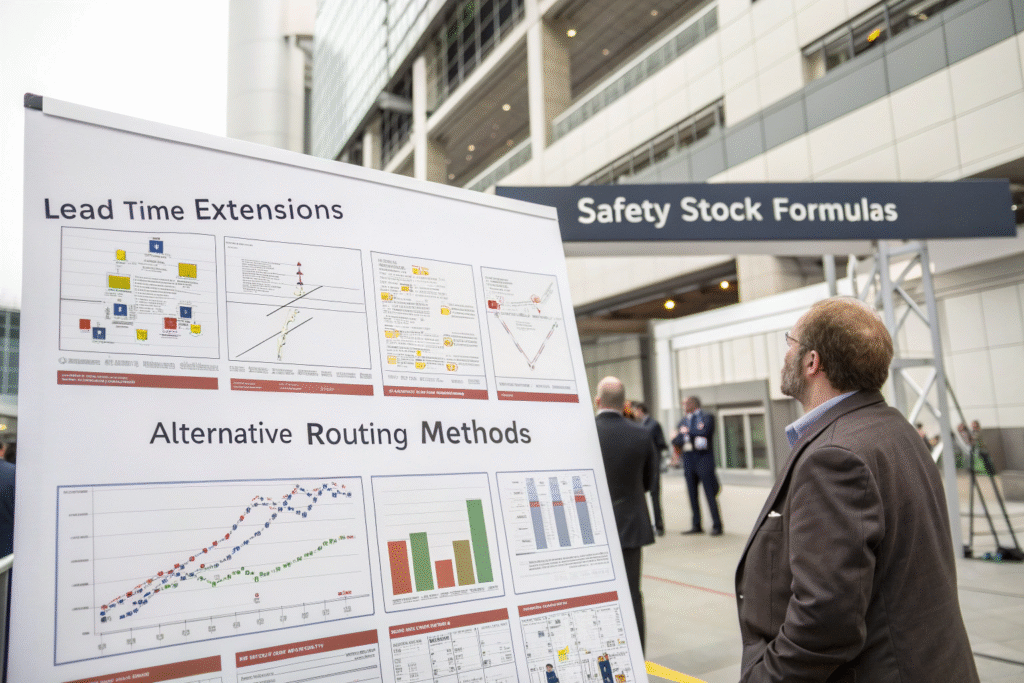
Standard weather buffers range from 7-21 days depending on season and route. Transpacific shipments during typhoon season might need 14-21 day buffers, while stable periods may only require 7-10 days.
Graduated buffer approach adjusts based on forecast severity. Instead of fixed buffers, increase lead time expectations as severe weather probability rises during peak seasons.
Route-specific buffers account for varying vulnerability. Routes through historically storm-prone areas warrant larger buffers than more stable corridors.
How Should Safety Stock Calculations Incorporate Weather Risks?
Weather-adjusted safety stock = Standard safety stock × (1 + Weather risk factor). The weather risk factor typically ranges from 0.1-0.4 depending on season and product criticality.
Peak season inventory builds precede known weather patterns. Increasing inventory levels 4-6 weeks before hurricane/typhoon season provides protection during highest-risk periods.
Strategic inventory positioning places buffer stock in less vulnerable locations. Maintaining additional inventory in destinations rather than origins provides flexibility during transportation disruptions.
What Tracking and Monitoring Systems Provide Early Warning?
Advanced weather monitoring enables proactive response rather than reactive damage control.
What Real-Time Monitoring Tools Are Most Effective?
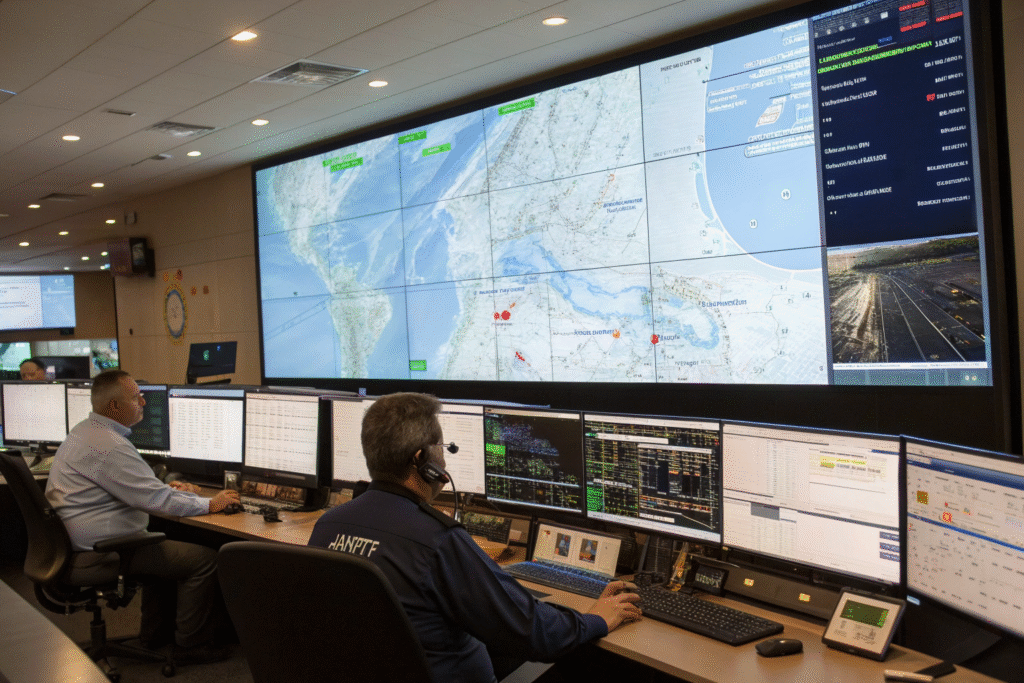
Vessel tracking systems with weather overlay provide situational awareness. Platforms that combine AIS vessel tracking with real-time weather data show exactly how weather is impacting your shipments.
Specialized maritime weather services offer voyage-specific forecasts. Services like StormGeo, WNI, and DTN provide tailored routing recommendations and delay predictions based on vessel characteristics and cargo.
Carrier weather routing advisories indicate planned diversions. Many carriers share weather routing decisions and estimated impact on voyage timelines through customer portals.
How Can You Set Up Effective Alert Systems?
Automated delay alerts based on vessel speed and course changes. Systems that trigger alerts when vessels significantly slow or divert from planned routes provide early warning of weather impacts.
Weather threshold alerts for severe conditions in vessel paths. Setting alerts for specific wind speeds, wave heights, or storm classifications along planned routes enables proactive planning.
Port condition monitoring for destination weather impacts. Tracking weather at destination ports helps anticipate berthing delays even if ocean transit proceeds normally.
What Diversification Strategies Mitigate Weather Risks?
Relying on single routes or carriers concentrates weather vulnerability, while diversification provides resilience.
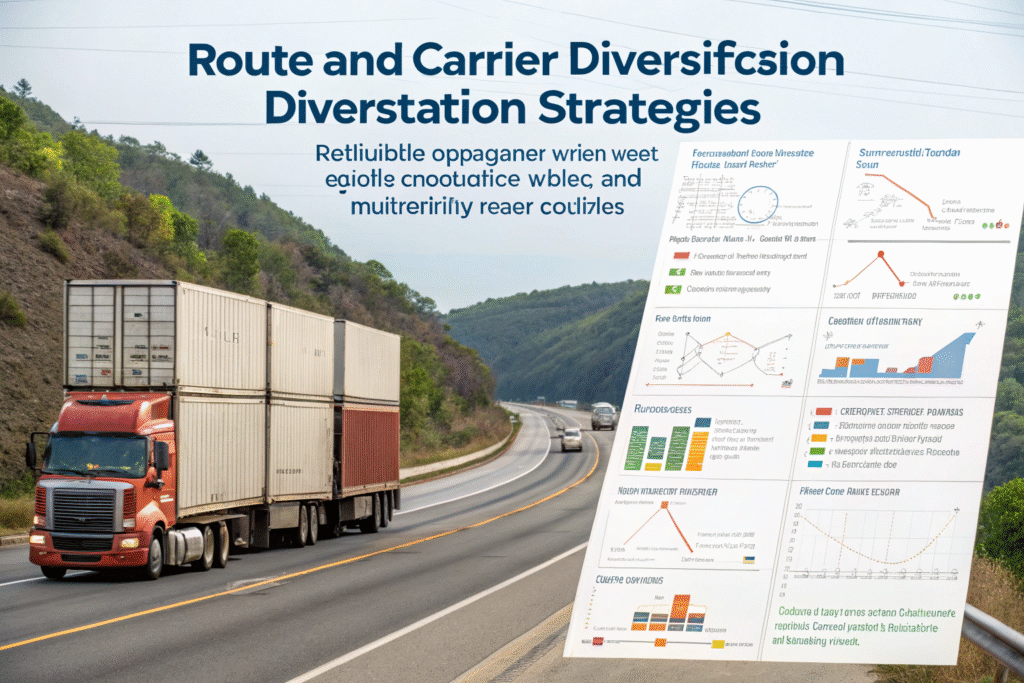
How Does Route Diversification Reduce Weather Vulnerability?
Multi-corridor approach uses different geographic routes. Maintaining active relationships and processes for both Suez and Cape of Good Hope routes, or both Panama and Suez routes, provides alternatives when weather closes primary paths.
Seasonal route switching anticipates predictable patterns. Using northern routes during summer months and southern routes during winter months avoids worst seasonal weather.
Port diversification within regions provides flexibility. Using multiple ports within regions (e.g., both LA/Long Beach and Oakland, or both Hamburg and Antwerp) prevents single-point failures from local weather.
What Carrier Diversification Benefits Weather Planning?
Different carriers have varying weather risk tolerance and routing philosophies. Some carriers prioritize schedule integrity despite weather, while others take more conservative approaches—diversification balances these strategies.
Equipment spread across multiple vessels reduces concentration risk. Having your cargo on different vessels prevents weather from impacting your entire shipment simultaneously.
Alliance diversification accesses different routing networks. Carriers in different alliances may use substantially different routing strategies and port rotations.
How Does Insurance Protect Against Weather Impacts?
Proper insurance coverage transforms weather delays from financial losses to manageable incidents.
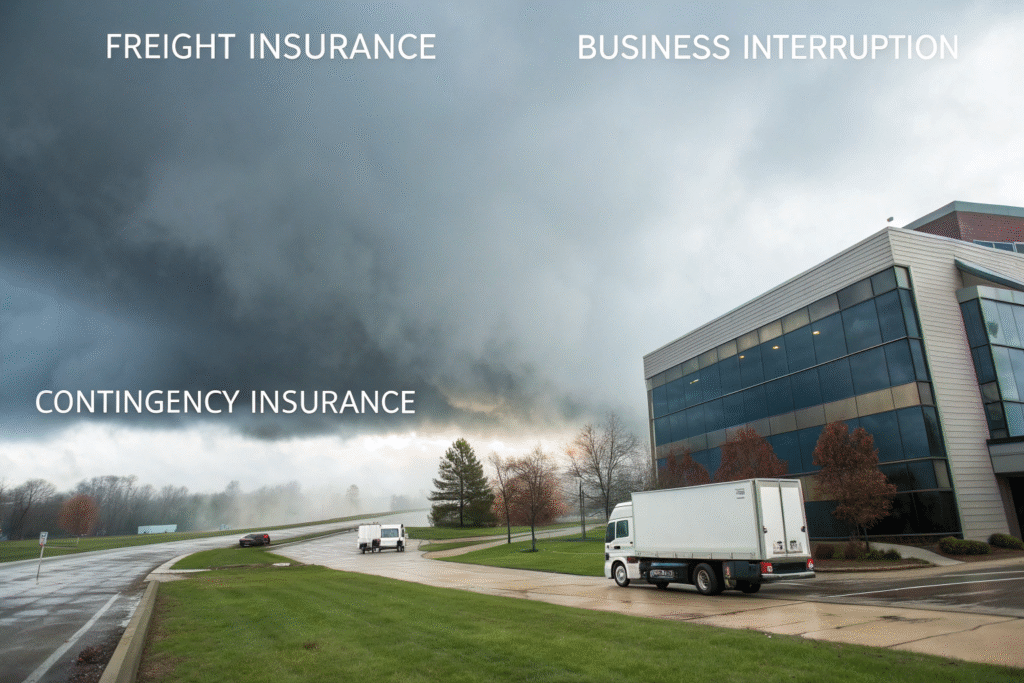
What Insurance Products Address Weather-Related Losses?
Marine cargo insurance covers physical damage from weather events. Standard policies typically cover damage from heavy weather, though specific perils and deductibles vary significantly.
Port congestion insurance addresses weather-related delays. Specialized policies can cover extra expenses when weather causes port closures or congestion delays.
Business interruption insurance protects against revenue losses. When weather delays cause stockouts or production stoppages, this coverage can offset resulting financial impacts.
How Can You Optimize Insurance for Weather Risks?
Weather-specific endorsements can enhance standard coverage. Adding riders for forecasted storm delays or named storm impacts provides broader protection.
Deductible structures should balance premium costs and risk tolerance. Higher deductibles for weather-related claims may be cost-effective for companies with strong cash flow and weather planning.
Claims documentation protocols ensure smooth recovery. Systematic processes for documenting weather impacts, delay durations, and financial consequences streamline claims processing.
What Communication Protocols Manage Weather Disruptions?
Clear communication strategies maintain stakeholder confidence and enable coordinated response during weather events.
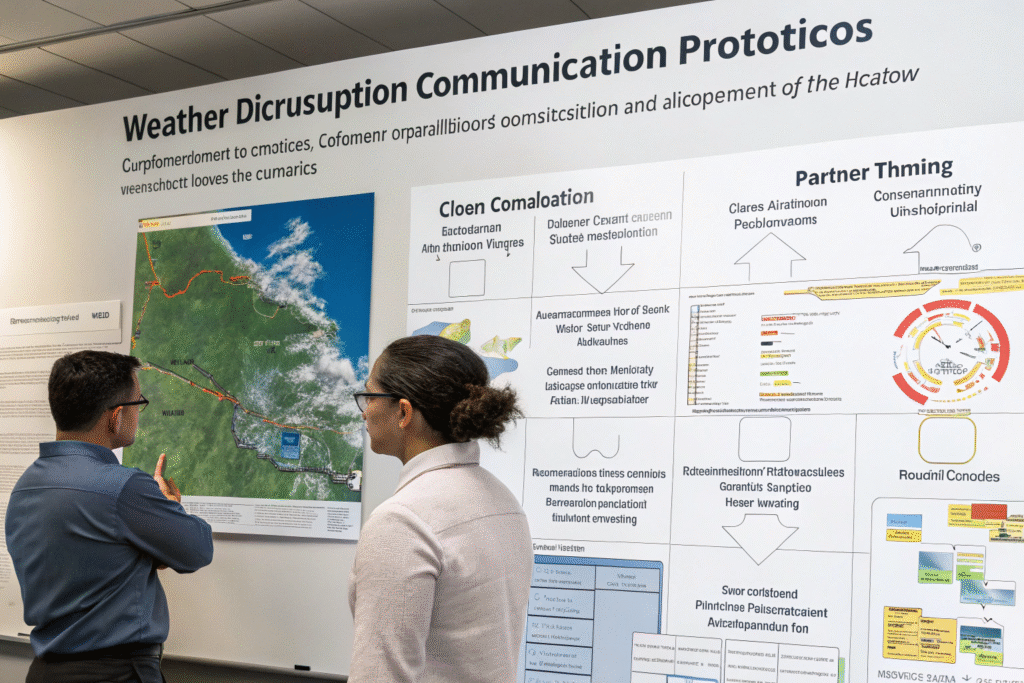
How Should You Communicate with Customers During Delays?
Proactive notification before customers inquire builds trust. Alerting customers about potential weather delays before they appear in tracking systems demonstrates control and transparency.
Realistic revised timelines prevent repeated disappointment. Providing conservative delay estimates with regular updates is better than optimistic projections that require constant revision.
Alternative solutions show problem-solving commitment. When presenting delays, simultaneously offering contingency plans or alternatives maintains customer confidence.
What Internal Communication Ensures Effective Response?
Cross-functional weather response teams coordinate action. Designated teams with representatives from logistics, procurement, sales, and customer service ensure unified response.
Regular weather briefings during peak seasons maintain awareness. Daily or weekly updates on developing weather situations and potential impacts keep relevant teams informed.
Escalation protocols define when and how to activate contingency plans. Clear triggers based on delay duration, customer impact, or financial exposure prevent delayed response.
What Are the Most Common Weather Planning Mistakes?
Understanding frequent errors helps businesses avoid preventable weather disruption costs.

What Strategic Errors Undermine Weather Preparedness?
Underestimating seasonal pattern consistency leads to repeated surprises. Weather patterns show remarkable annual consistency—failing to plan for historically predictable events guarantees recurring disruptions.
Over-relying on perfect conditions in lead time calculations. Assuming vessels will always maintain optimal speed and direct routing creates systematic underestimation of actual transit times.
Neglecting port weather impacts while focusing on ocean transit. Weather affects port operations more frequently than ocean transit—cranes don't operate in high winds, and terminals close during severe weather.
What Operational Mistakes Exacerbate Weather Impacts?
Poor documentation during disruptions complicates insurance recovery. Failing to systematically record weather events, carrier notifications, and impact details creates challenges when filing insurance claims.
Inflexible procurement during known risky periods. Maintaining rigid just-in-time schedules during peak weather seasons instead of building appropriate inventory creates avoidable vulnerability.
Inadequate carrier communication about weather routing decisions. Not understanding how different carriers handle weather routing prevents informed carrier selection and accurate delay forecasting.
Conclusion
Weather delay planning transforms inevitable ocean freight disruptions from crises into manageable business incidents. The most successful companies treat weather planning as an integrated business process rather than a logistics specialty, recognizing that weather impacts extend beyond transportation to affect inventory, production, sales, and customer relationships.
At GeeseCargo, we've helped clients reduce weather-related disruption costs by an average of 65% through comprehensive planning approaches. The most effective strategies combine historical pattern analysis, real-time monitoring, strategic buffering, and clear communication protocols rather than relying on any single solution.
Begin your weather planning by analyzing historical weather impacts on your specific trade lanes, then implement graduated strategies that match protection levels to seasonal risks. Remember that in weather planning, perfection is impossible—but excellence is achievable through systematic preparation and resilient operational design.