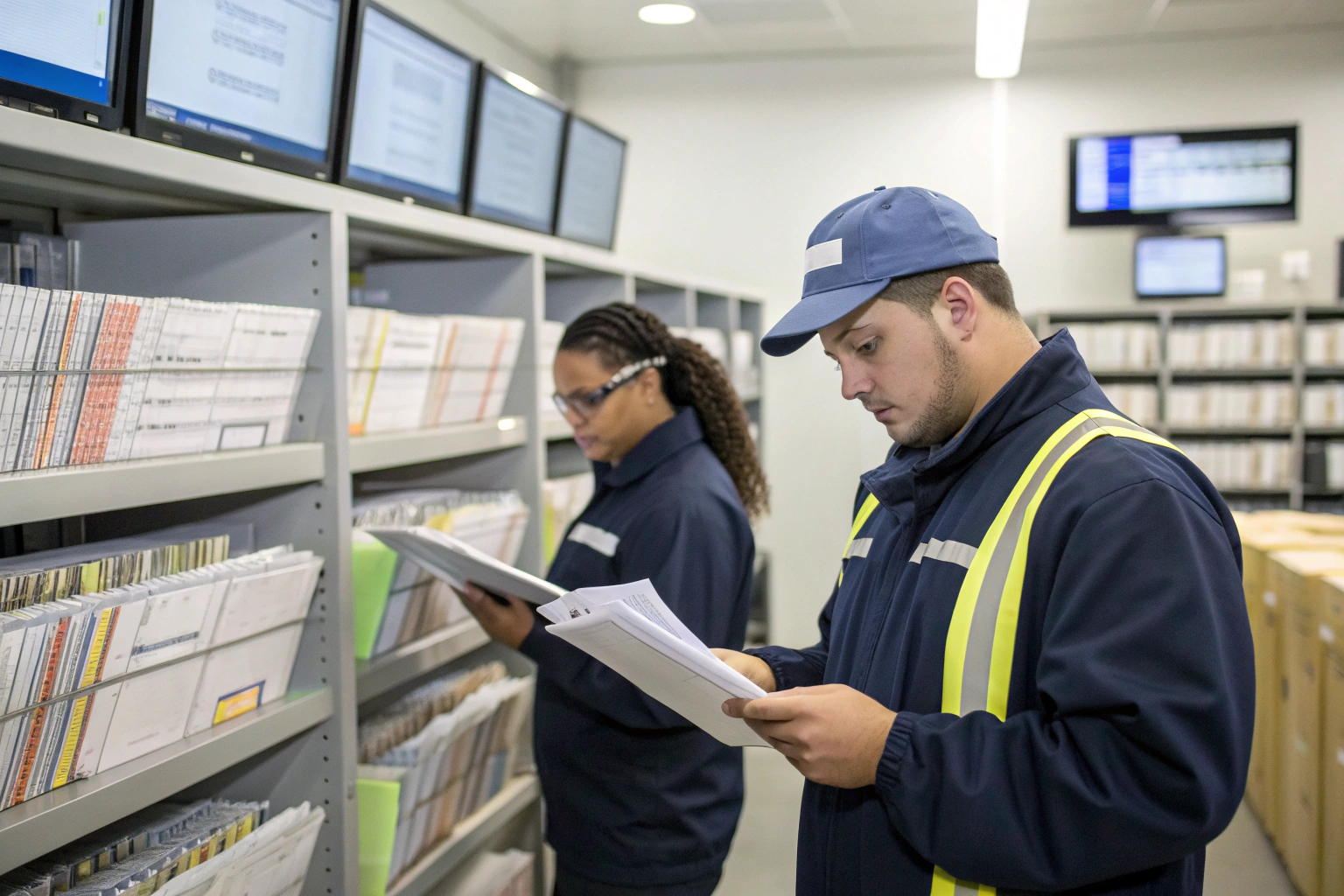
Managing documentation for consolidated shipments presents unique challenges that differ significantly from handling full container loads. As a freight forwarder specializing in LCL (Less than Container Load) shipments, I've helped countless clients navigate the complex paperwork requirements that come with sharing container space with other shippers. Proper documentation management is crucial for avoiding customs delays, additional costs, and supply chain disruptions.
Effective management of consolidated shipment documentation requires meticulous organization, understanding of shared container dynamics, precise commercial descriptions, and coordination between multiple parties. The key lies in creating accurate documents that clearly distinguish your goods from others in the same container while meeting all regulatory requirements for each shipment's destination.
Consolidated shipping offers cost advantages but demands extra attention to documentation details. Let's explore the systematic approach that ensures smooth customs clearance and delivery.
What Are the Essential Documents for Consolidated Shipments?
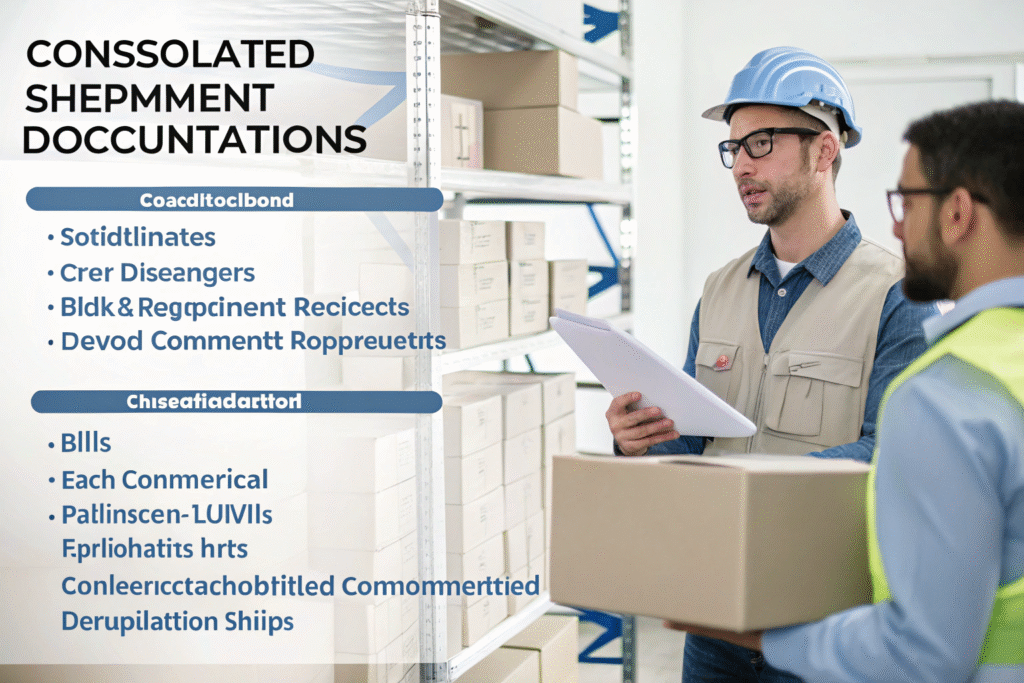
Consolidated shipments require both standard shipping documents and specialized paperwork that addresses the unique aspects of shared container transport.
How Does the House Bill of Lading Differ from Master Documents?
House Bills of Lading (HBL) are issued by freight forwarders to individual shippers in consolidated shipments, serving as their title document and proof of shipment contract. Each shipper receives their own HBL showing their specific goods, regardless of other cargo in the container. This document is crucial for your bank transactions and customs clearance.
The Master Bill of Lading (MBL) is issued by the shipping line to the consolidator, covering all cargo in the container. While shippers don't directly use the MBL, discrepancies between it and your HBL can cause delays. Ensure your forwarder coordinates these documents precisely, with your HBL details accurately reflected in the master document.
What Special Consolidated Shipping Documents Are Required?
Consolidation manifests provide detailed breakdowns of all cargo within the container, listing each shipper's goods separately. Customs authorities use these documents to verify that individual shipments match their declarations. Any inconsistency between your documents and the consolidation manifest can trigger inspections affecting all container occupants.
Cargo segregation documentation is essential when shipping restricted or temperature-sensitive goods alongside general cargo. Detailed stowage plans and separation certificates assure authorities that proper measures prevent contamination or compromise between different shippers' goods within the same container.
How Can You Organize Documents for Multiple Consignments?
Managing paperwork for consolidated shipments requires systematic organization to track each consignment's status and requirements.

What Document Tracking Systems Work Best?
Digital document management platforms provide centralized repositories for all consolidated shipment paperwork. These systems automatically track document status, send reminders for missing items, and maintain version control. Cloud-based access allows all parties—shipper, forwarder, consignee—to view current document status in real-time.
Consignment-specific checklists ensure each shipment within the consolidation receives proper attention. Create separate checklists for each house bill of lading, tracking required documents, submission deadlines, and approval status. This prevents oversights that could delay specific consignments while others proceed smoothly.
How Should You Handle Document Submission Timing?
Staggered document submission accommodates different readiness timelines among consolidation partners. Work with your forwarder to understand cutoff times for each shipment in the consolidation. Late documents from one shipper can delay the entire container, so establish clear deadlines and escalation procedures.
Pre-alert documentation packages sent before cargo arrival help identify potential issues early. These preliminary submissions allow customs brokers to review documents and request corrections before formal filing. This proactive approach prevents last-minute scrambles that jeopardize timely clearance.
What Are Common Documentation Pitfalls in Consolidation?
Several recurring documentation problems plague consolidated shipments, but awareness and preparation can prevent most issues.
How Do Description Discrepancies Cause Problems?
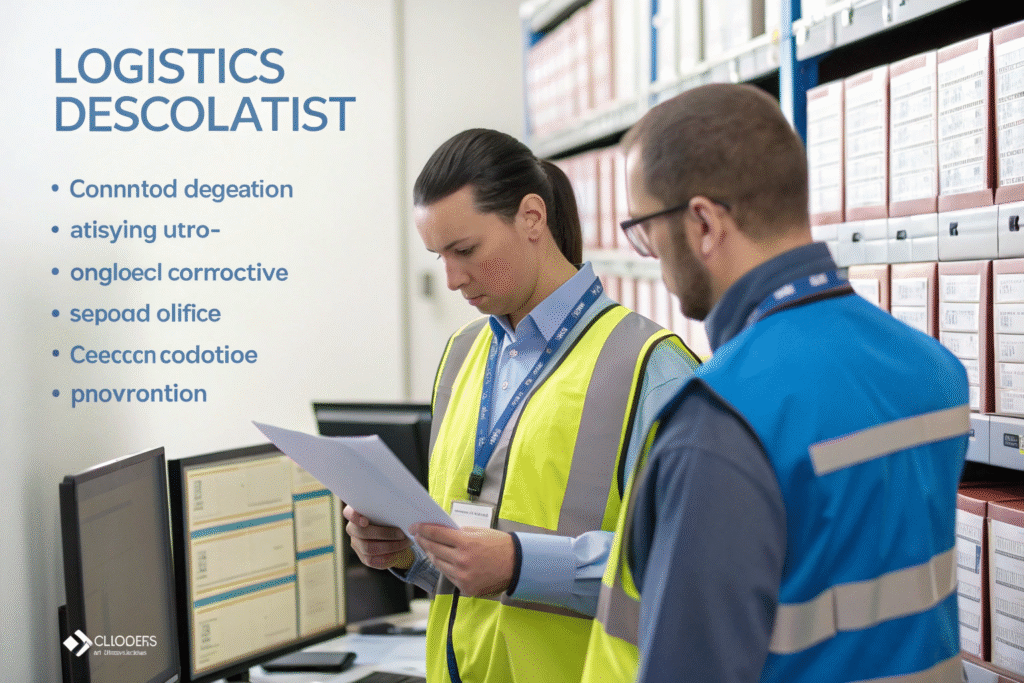
Inconsistent product descriptions between documents create customs clearance delays. The same items must be described identically on commercial invoices, packing lists, and bills of lading. Even minor variations in wording, units of measurement, or classification can trigger inspections and questions about declaration accuracy.
Incorrect harmonized system codes represent a frequent documentation error in consolidated shipments. Each product requires the proper HS code for its destination country, and errors can lead to wrong duty assessments, penalties, or seizure of goods. Verify codes with your forwarder and consignee to ensure accuracy across all documentation.
What Coordination Challenges Arise in Consolidation?
Communication gaps between shippers in the same container can create documentation conflicts. When multiple parties share limited container space, last-minute changes by one shipper can affect others' documentation. Establish clear communication protocols through your consolidator to coordinate document revisions.
Missing special certifications for regulated products often emerges as a consolidation shipment problem. If your goods require special permits, licenses, or certificates, ensure these documents are prepared early and included in your submission package. Their absence can hold the entire container until resolved.
How Can Technology Streamline Consolidated Documentation?
Digital solutions significantly reduce the administrative burden and error rates associated with consolidated shipment documentation.

What Automation Tools Are Most Effective?
Document generation platforms automatically populate multiple forms from a single data entry, ensuring consistency across all documentation. These systems pull information from your database to create commercial invoices, packing lists, and shipping instructions with identical descriptions, quantities, and values.
Electronic data interchange (EDI) systems enable seamless document transmission between all supply chain partners. Automated EDI submissions to customs authorities, carriers, and consolidators reduce processing time and eliminate manual entry errors that commonly plague consolidated shipments.
How Do Integrated Platforms Enhance Visibility?
Single-platform document management provides real-time status updates for all documents associated with your consolidated shipment. These systems track which documents have been submitted, approved, or require correction, sending automatic notifications to relevant parties when action is needed.
Digital document audit trails maintain complete records of all submissions, revisions, and approvals. This transparency helps resolve disputes about document timing or content and provides evidence of compliance during customs audits or carrier claims investigations.
Conclusion
Managing documentation for consolidated shipments demands heightened attention to detail, coordination, and organization compared to FCL shipments. The complexity of handling multiple consignments within a single container requires systematic processes, clear communication, and often technological support to ensure all documents align perfectly. While more demanding, the cost savings of consolidation make this extra effort worthwhile for many shippers.
At GeeseCargo, we've developed specialized documentation systems specifically for LCL shipments, incorporating checkpoints, verification processes, and digital tools that prevent common consolidation document errors. Our experience shows that investing in proper documentation management for consolidated shipments prevents delays that ultimately cost far more than the time saved by cutting corners. Remember that in consolidated shipping, your documentation doesn't just affect your own goods—it impacts everyone sharing container space with you.