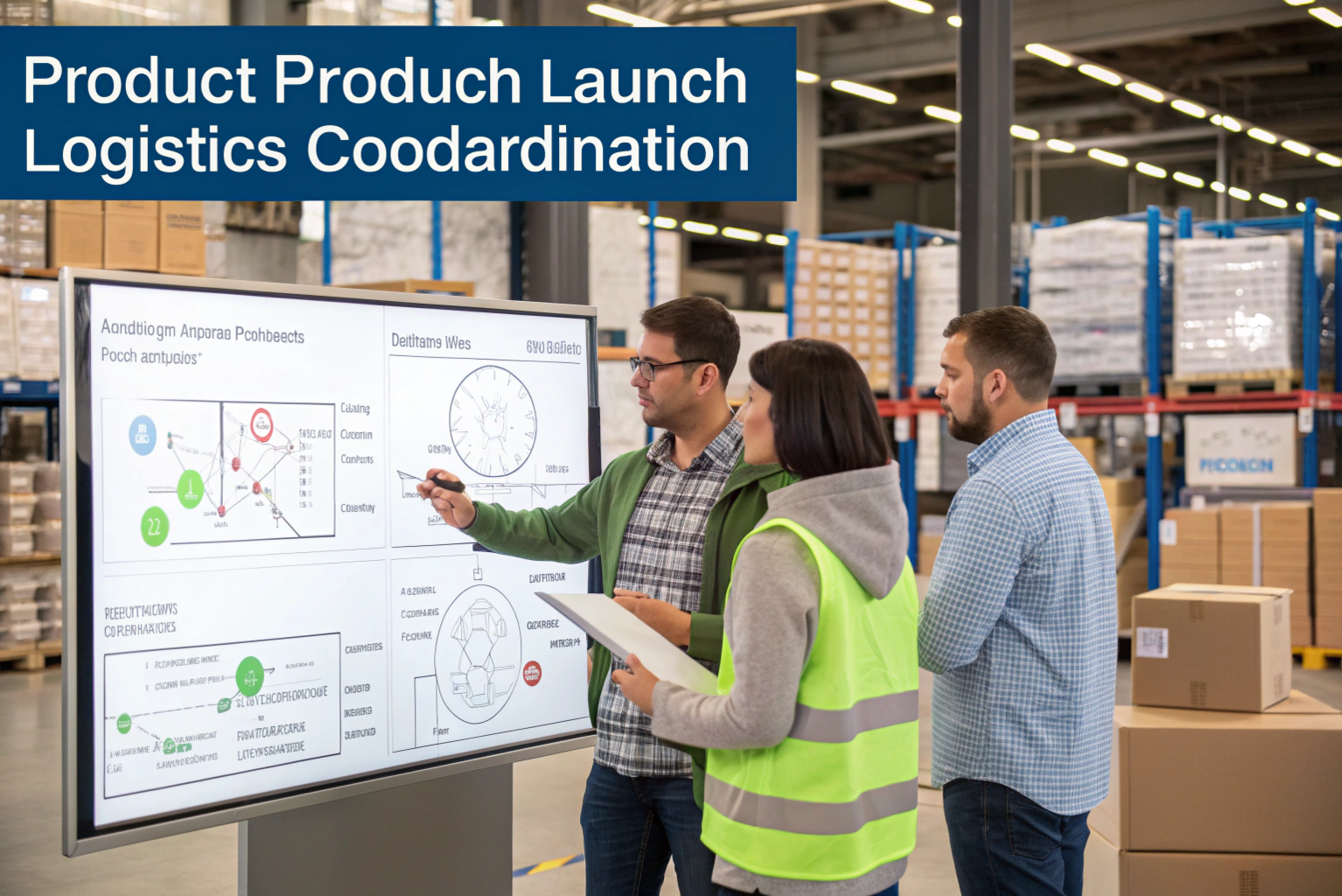
Launching a new product successfully requires logistics planning that begins long before the first unit ships and continues well beyond the initial sales surge. As a freight forwarder who has supported countless product launches—from consumer electronics to fashion collections—I've developed a phased approach that balances preparedness with flexibility. Product launch logistics isn't just about moving goods; it's about creating a supply chain that supports your marketing promise, protects your brand reputation, and scales with demand.
Effective product launch logistics require integrated planning across manufacturing, transportation, warehousing, fulfillment, and returns management, with contingency planning for unexpected demand surges or supply disruptions. The most successful launches treat logistics as a strategic component equal to marketing and product development, not as an afterthought.
A product launch represents a unique convergence of predictable planning requirements and unpredictable market responses. Let's examine the comprehensive logistics strategy needed to support a successful market introduction.
How Should You Phase Your Launch Logistics Planning?
Breaking launch logistics into distinct phases provides structure while allowing adaptation as launch approaches.

What Pre-Launch Preparation Is Most Critical?
Manufacturing synchronization ensures production aligns with launch timing. Work backward from your launch date to establish production start dates, factoring in manufacturing lead times, quality control, and pre-shipment testing. Build buffer time for unexpected delays—most successful launches assume something will go wrong somewhere in the process.
Inventory positioning strategy places stock where it's needed before demand hits. For global launches, consider regional distribution centers rather than single-location fulfillment to reduce transit times to customers. For phased market launches, sequence inventory deployment to match geographic rollout schedules.
How Should You Prepare for Demand Uncertainty?
Flexible capacity agreements with logistics providers ensure scalability. Negotiate contracts that guarantee baseline capacity with clearly defined terms for rapid scaling during demand surges. Many carriers offer launch support programs with reserved space and prioritized handling.
Demand scenario planning prepares for multiple outcomes. Develop detailed logistics plans for best-case, expected, and worst-case demand scenarios, with clear triggers for escalating between plans based on actual sales data in the launch's first critical days.
What Transportation Strategies Support Launch Success?
Specialized transportation approaches address the unique challenges of product introductions.

How Can You Ensure Timely Manufacturing-to-Market Flow?
Dual-mode transportation planning balances speed and cost. Consider air freight for initial inventory to meet launch dates, transitioning to ocean freight for replenishment stock. For time-sensitive components, expedited ocean services or rail-air combinations may offer optimal balance.
Priority handling arrangements with carriers prevent launch delays. Negotiate "hot launch" status with carriers, ensuring your shipments receive expedited processing, prioritized equipment assignment, and proactive exception management. The premium cost is often justified by avoiding stockouts during critical launch windows.
What About Customs and Regulatory Preparation?
Pre-clearance arrangements accelerate border crossings. Work with customs brokers to pre-file documentation and obtain binding rulings for new product classifications before shipments arrive. For regulated products (electronics, cosmetics, food), ensure all certifications and testing documentation is complete and traveling with shipments.
Duty optimization strategies consider total landed costs. Evaluate temporary import bonds, foreign trade zones, or duty drawback opportunities for launch products, particularly if you anticipate design revisions or packaging changes based on initial market feedback.
How Should You Design Launch Fulfillment Operations?
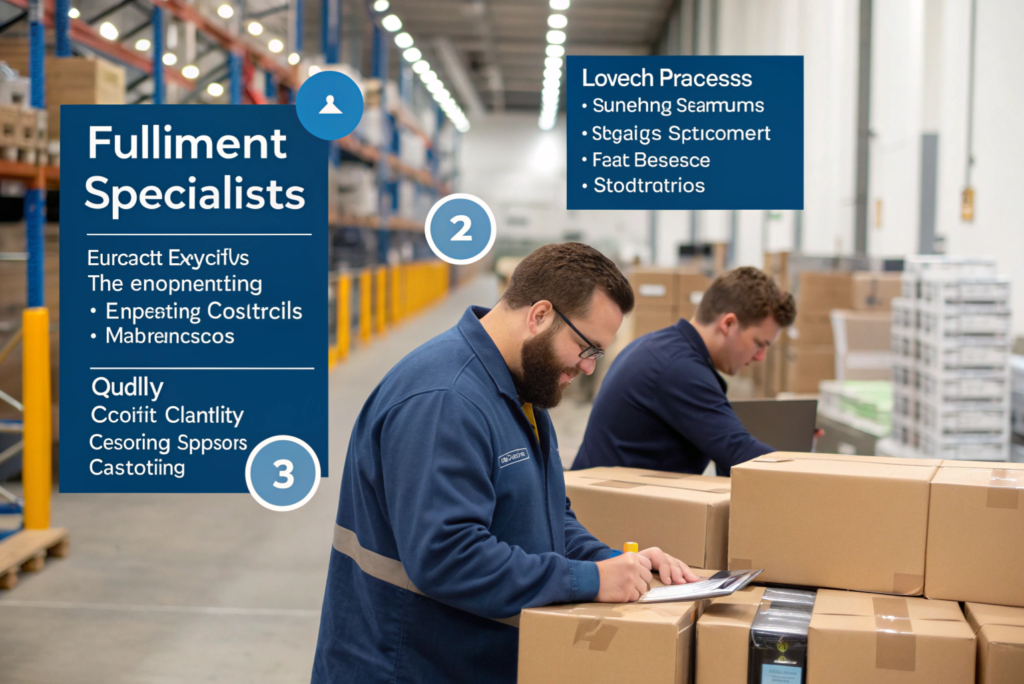
Fulfillment excellence directly impacts customer perception during the critical launch period.
What Warehouse Readiness Is Essential?
Dedicated launch inventory areas prevent commingling with other products. Designate specific warehouse zones with enhanced security for launch products, ensuring accurate inventory counts and preventing accidental shipments of pre-production samples or engineering units.
Specialized picking and packing processes ensure launch order accuracy. Develop checklist-driven processes for launch orders, with additional verification steps and quality checks. Consider serial number tracking for high-value products to support warranty registration and potential recalls.
How Can You Scale Customer Service Capabilities?
Launch-specific support training prepares teams for product questions. Customer service and fulfillment staff should receive detailed product training before launch, including handling instructions, common questions, and troubleshooting guidance to provide informed support from day one.
Enhanced communication protocols keep customers informed. Implement proactive shipment tracking notifications, estimated delivery date visibility, and clear channels for launch-specific inquiries. Consider dedicating support staff or channels specifically for launch customers.
What Contingency Planning Addresses Launch Risks?
Even well-planned launches encounter unexpected challenges—preparation determines recovery speed.

How Should You Prepare for Supply Disruptions?
Dual-sourcing critical components protects manufacturing continuity. For launch products, identify alternative suppliers for key components, even if at higher cost, to prevent production stoppages if primary suppliers encounter issues. Maintain buffer stock of critical items with long lead times.
Alternative transportation routing ensures delivery despite disruptions. Identify backup ports, carriers, and routes before launch, with pre-negotiated agreements that can be activated immediately if primary options become unavailable due to strikes, weather, or capacity constraints.
What About Demand Miscalculation Responses?
Inventory redistribution capability moves stock to demand hotspots. Develop processes for rapid inter-warehouse transfers and establish relationships with expedited regional carriers who can execute quick inventory rebalancing as sales patterns emerge.
Manufacturing acceleration protocols enable rapid replenishment. Work with manufacturers to establish "surge capacity" arrangements with predefined triggers and processes for accelerating production when initial inventory depletes faster than forecasted.
How Should You Manage Launch Returns and Feedback?
The initial returns period provides crucial data for supply chain optimization.

What Special Returns Handling Is Needed for Launches?
Enhanced returns inspection identifies early defect patterns. Implement 100% inspection of launch returns to identify manufacturing issues, packaging problems, or shipping damage patterns that might not appear in normal returns processing.
Accelerated replacement fulfillment protects customer satisfaction. For verified defective units, expedite replacement shipments with priority handling equivalent to initial launch shipments, recognizing that customers experiencing early failures need exceptional recovery experiences.
How Can Launch Feedback Improve Ongoing Operations?
Real-time defect tracking identifies supply chain issues. Create systems to categorize and track launch return reasons, linking specific issues to manufacturing batches, shipping lanes, or handling processes for targeted corrective action.
Packaging and handling feedback improves future shipments. Analyze damage patterns from launch returns to identify packaging weaknesses or rough handling in specific transport segments, enabling redesign before full-scale production.
How Should You Transition from Launch to Steady State?
Successful launch logistics include planned transition to sustainable ongoing operations.

What Launch Learnings Should Inform Ongoing Operations?
Demand pattern analysis refines forecasting accuracy. Use actual launch sales data to calibrate demand forecasting models, identifying regional variations, channel performance differences, and promotional impact to improve future planning.
Logistics performance metrics establish ongoing benchmarks. Capture detailed logistics performance data during launch (transit times, damage rates, cost per unit) to establish performance baselines and identify improvement opportunities for ongoing operations.
How Should You Optimize Costs Post-Launch?
Transportation mode optimization based on actual volumes. As demand stabilizes and patterns emerge, analyze whether expedited shipping methods can be replaced with more economical options without compromising service levels.
Inventory positioning refinement reduces storage and transit costs. Using actual sales geographic data, reconsider distribution center locations and inventory levels to optimize fulfillment costs while maintaining delivery speed expectations set during launch.
Conclusion
Product launch logistics success requires treating supply chain operations as a strategic capability integral to the launch's overall success rather than a tactical implementation detail. The most effective approaches combine meticulous advance planning with built-in flexibility to adapt to unexpected market responses. By integrating logistics planning with product development and marketing timelines, establishing scalable operations, preparing comprehensive contingencies, and systematically learning from launch performance, companies transform product introductions from stressful gambles into controlled, repeatable processes that build brand reputation and customer loyalty.
At GeeseCargo, we've developed specialized product launch logistics programs that typically reduce launch-related supply chain issues by 70-80% while improving on-time delivery to customers by 25-40% compared to ad-hoc approaches. Our experience demonstrates that companies investing in comprehensive launch logistics planning typically achieve 30-50% higher customer satisfaction scores on launch deliveries while reducing emergency expediting costs by 60-75%. Remember that launch logistics excellence creates competitive advantages that extend far beyond the initial sales period, establishing operational patterns and customer expectations that shape your brand's market position for years to come.