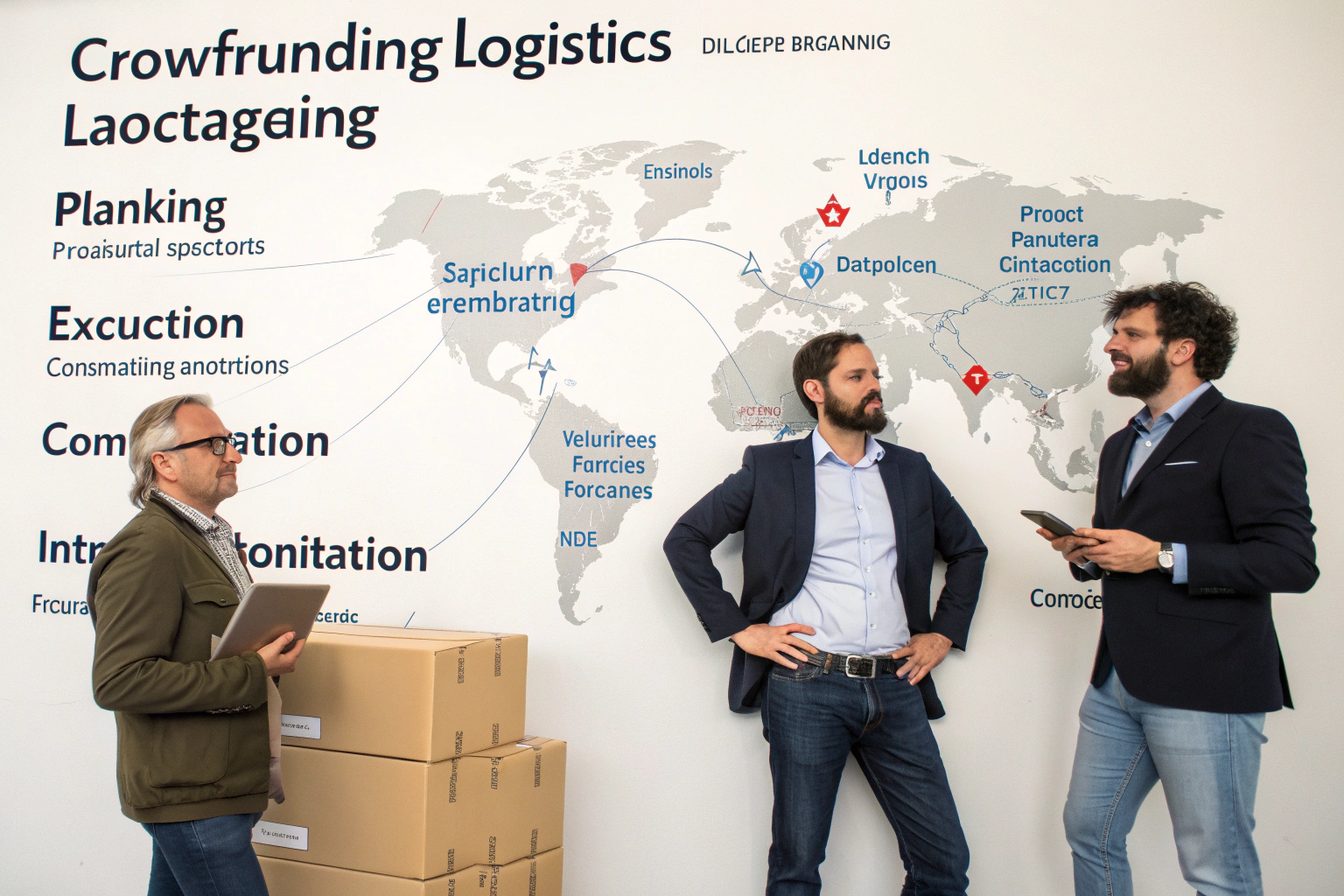
Crowdfunded product logistics present unique challenges that differ dramatically from traditional retail or B2B supply chains, combining the unpredictability of first-time product launches with the intense public scrutiny of backer communities. As a freight forwarder who has helped numerous crowdfunding campaigns navigate from prototype to fulfillment, I've witnessed how logistics missteps can transform successful funding into operational nightmares and damaged creator reputations. The reality is that many brilliantly conceived products fail not in development but in delivery.
You handle logistics for crowdfunded products through meticulous pre-campaign planning, realistic timeline development, transparent backer communication, flexible fulfillment strategies, and contingency planning for the inevitable unexpected challenges. Success requires treating logistics as integral to product development rather than an afterthought, with specific approaches addressing crowdfunding's unique combination of single production runs, global backer distribution, and intense community engagement.
The journey from successful funding to successful fulfillment involves navigating manufacturing complexities, international shipping variables, and backer expectation management simultaneously. Let's examine the specific strategies that transform crowdfunding logistics from a liability into a competitive advantage.
What Pre-Campaign Logistics Planning Is Essential?
Logistics planning must begin before your campaign launches, not after funding is secured.

How Should You Develop Realistic Timelines?
Manufacturing time buffers account for inevitable delays. Double or triple initial manufacturer time estimates, as first-time product creators consistently underestimate production complexities, quality control requirements, and unexpected manufacturing issues that affect timelines.
Shipping and customs time allocation prevents unrealistic delivery promises. Research actual shipping times (including customs processing) for each target region rather than relying on carrier estimates, then add 25-50% buffer for seasonal variations and unexpected delays.
What Cost Considerations Affect Campaign Pricing?
True landed cost calculation includes all logistics expenses. Beyond manufacturing costs, calculate per-unit costs for: export documentation, international freight, import duties and taxes, customs brokerage, domestic transportation, fulfillment labor, and packaging materials.
Shipping cost tiering accommodates global backer distribution. Create regional shipping tiers (e.g., North America, Europe, Asia-Pacific, Rest of World) with accurate costs for each, avoiding the common mistake of offering uniform global shipping that creates financial losses on distant backers.
How Should You Manage Manufacturing and Quality Control?
Production management for crowdfunded products requires heightened oversight compared to established product lines.

What Manufacturing Strategies Minimize Risk?
Phased production approach identifies problems early. Produce a small pilot batch first to test manufacturing processes, identify quality issues, and verify packaging before committing to full production, even if this extends overall timelines.
Multiple inspection points ensure quality consistency. Implement factory inspections at: raw material arrival, production commencement, mid-production, pre-shipment, and random sampling of finished goods to catch issues before products ship to backers.
How Can You Manage Factory Relationships Effectively?
Detailed manufacturing agreements prevent misunderstandings. Contracts should specify: quality standards, inspection rights, timeline commitments with liquidated damages for delays, payment terms tied to milestones, and intellectual property protections.
On-site presence or trusted representatives provide oversight. For significant campaigns, consider having team members or hired representatives physically present during critical production phases rather than relying solely on remote communication.
What Fulfillment Strategies Work Best for Global Distribution?
Crowdfunding's global nature requires sophisticated fulfillment approaches that balance cost, speed, and reliability.
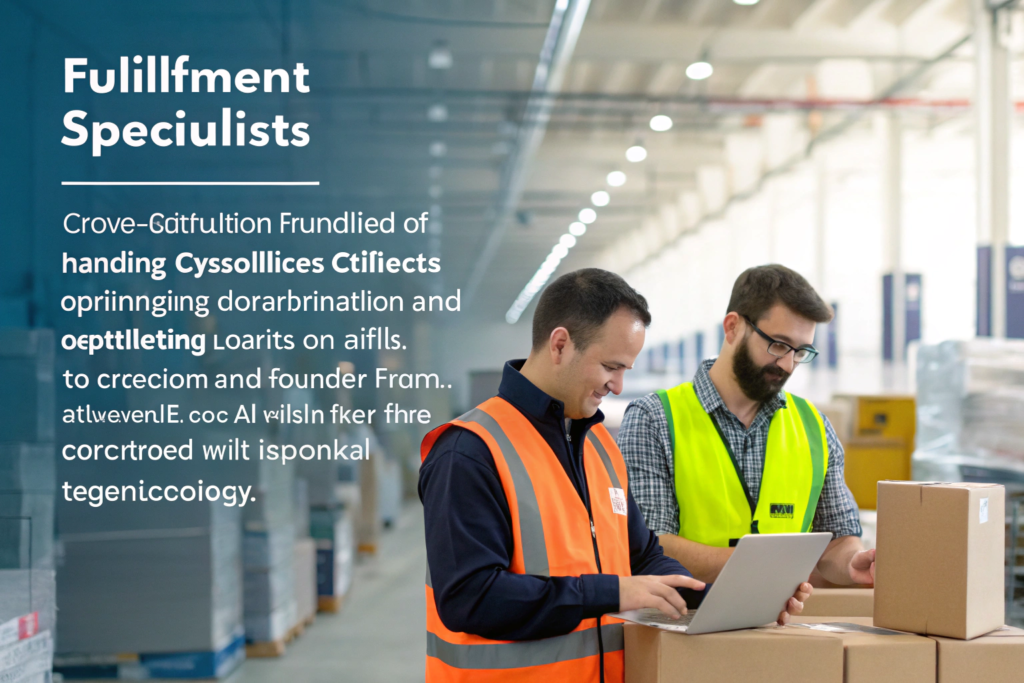
How Should You Structure International Shipping?
Regional consolidation centers reduce costs and simplify customs. Ship bulk quantities to regional hubs (e.g., Los Angeles for North America, Rotterdam for EU, Singapore for Asia-Pacific) for local distribution rather than shipping individually to each backer internationally.
Duty and tax management strategies prevent backer surprises. For EU and other regions with high import duties, consider using fulfillment centers that handle import clearance and pay duties/taxes upfront, then include these costs in your shipping fees rather than surprising backers with unexpected charges upon delivery.
What Last-Mile Delivery Options Are Most Effective?
Partnered fulfillment services specialize in crowdfunding logistics. Companies like ShipMonk, Fulfillrite, and BackerKit have developed crowdfunding-specific expertise in managing the unique challenges of reward fulfillment with integrated tracking and backer communication.
Multi-carrier integration provides flexibility and optimization. Work with fulfillment partners who can automatically select optimal carriers for each shipment based on destination, cost, and service level requirements rather than being locked into single-carrier solutions.
How Should You Communicate with Backers Throughout the Process?
Transparent, proactive communication is arguably more important in crowdfunding than in any other logistics scenario.

What Communication Timelines Maintain Trust?
Regular update schedule regardless of news. Commit to bi-weekly or monthly updates even when there's no significant progress, as silence breeds speculation and frustration in backer communities.
Milestone-based announcements celebrate progress. Structure updates around specific achievements: manufacturing completion, quality control approval, shipping commencement, arrival at regional hubs, first deliveries, etc.
How Should You Handle Delays and Problems?
Proactive delay communication before backers notice problems. When delays occur (and they will), communicate them immediately with clear explanations, revised timelines, and remediation plans rather than waiting until backers start asking questions.
Problem transparency with solution focus maintains credibility. When serious issues arise (quality problems, manufacturing defects, shipping disasters), explain what happened, what you're doing to fix it, and how you'll prevent similar issues in the future.
What Contingency Planning Prevents Catastrophic Failures?
Crowdfunding logistics require more extensive contingency planning than established operations due to their one-shot nature.
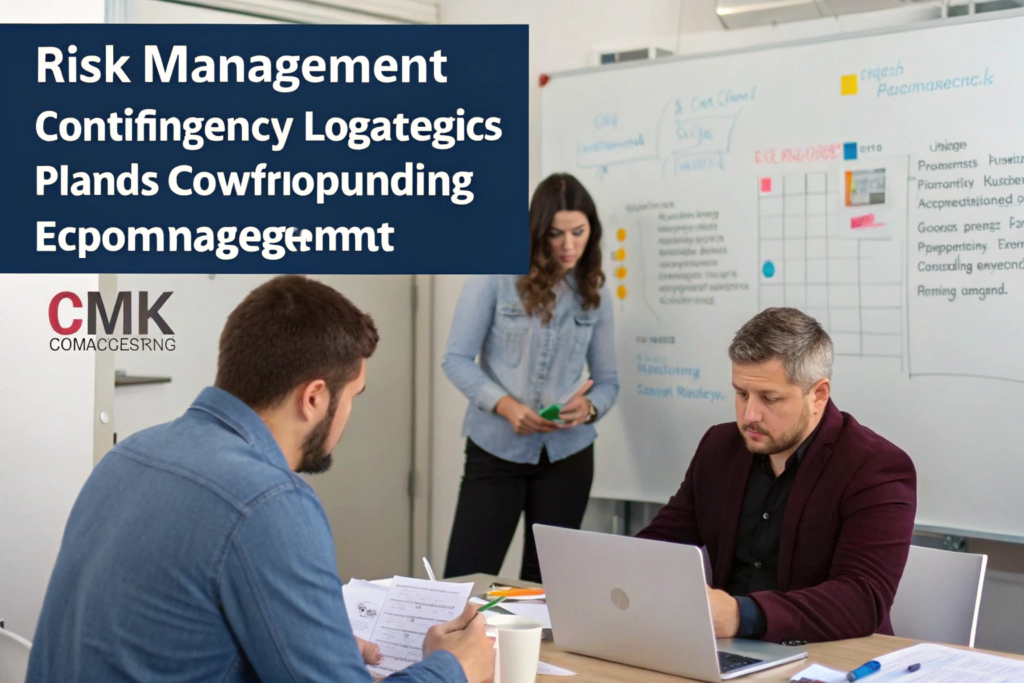
What Financial Contingencies Are Essential?
Budget buffers for unexpected costs prevent funding shortfalls. Include 15-25% contingency in your logistics budget for: customs duty reassessments, shipping rate increases, packaging redesigns, defective product replacement, and expedited shipping for critical issues.
Emergency funding access addresses catastrophic problems. Establish lines of credit or reserve funds before manufacturing begins rather than trying to arrange financing amid a crisis that threatens delivery to backers.
How Can You Prepare for Manufacturing Problems?
Backup manufacturer identification provides alternatives. Research and qualify alternative manufacturers during campaign planning so you can pivot quickly if primary manufacturers fail to deliver quality products on schedule.
Component redundancy planning addresses supply chain failures. For products with specialized components, identify alternative sources or design workarounds in case specific components become unavailable or fail quality standards.
Conclusion
Handling logistics for crowdfunded products requires a fundamentally different approach than traditional product launches, with success depending on meticulous advance planning, realistic timeline development, transparent communication, flexible fulfillment strategies, and comprehensive contingency planning. The most successful campaigns treat logistics as a core campaign element from the earliest planning stages rather than an operational detail to address after funding.
At GeeseCargo, we've helped crowdfunding campaigns navigate logistics challenges that typically reduce fulfillment problems by 60-80% compared to industry averages while maintaining backer satisfaction scores above 90%. Our experience shows that campaigns investing in professional logistics planning typically deliver 2-4 months faster with 20-40% fewer budget overruns than those treating logistics as an afterthought. Remember that your reputation as a creator depends as much on successful delivery as on product quality—logistics excellence is not just operational efficiency but fundamental to crowdfunding success and future campaign potential.