When one of our clients discovered they needed both FDA and USDA permits for their specialty food imports—after their $85,000 shipment had already arrived—they faced weeks of delays and thousands in storage fees. As founder of GeeseCargo with extensive import experience, I've learned that identifying required permits isn't just about compliance; it's about preventing costly disruptions that can derail your entire import operation.
Determining required import permits involves analyzing your product's Harmonized System code, intended use, composition, and origin country. The process typically requires consulting CBP's regulations, Partner Government Agency requirements, and specific product regulations. Most importers need to check with 2-4 different agencies, with FDA, USDA, EPA, and CPSC being the most common.
Import permits represent one of the most complex aspects of international trade because they involve multiple government agencies with overlapping jurisdictions and frequently changing requirements. Systematic identification processes prevent the delays, seizures, and penalties that plague unprepared importers.
What Systematic Approach Identifies Required Permits?
A structured methodology for permit identification ensures you don't overlook requirements that could halt your shipments.

How Does Product Classification Drive Permit Requirements?
Harmonized System codes serve as the primary key for permit identification. The first six digits of your HS code determine many regulatory requirements, with specific digits indicating controlled substances, agricultural products, or other regulated categories.
Additional digits in Schedule B or HTSUS codes provide more granular control. The 8-10 digit classifications used for US imports specify exact product characteristics that determine agency jurisdiction.
Cross-referencing HS codes with CBP's agency requirement guides. US Customs maintains correlation tables showing which government agencies regulate specific HS codes and what documentation they require.
What Product Characteristics Trigger Specific Permits?
Intended use often determines regulatory jurisdiction more than composition alone. A chemical used in food processing requires different permits than the same chemical used in manufacturing.
Product composition and ingredients drive many FDA and USDA requirements. The presence of specific materials, chemicals, or biological components triggers permits from various agencies.
Origin country affects requirements for agricultural and geopolitical reasons. Products from countries with specific disease outbreaks or trade restrictions face additional permit requirements.
Which Government Agencies Require Import Permits?
Understanding which agencies regulate your products is the foundation of proper permit identification.
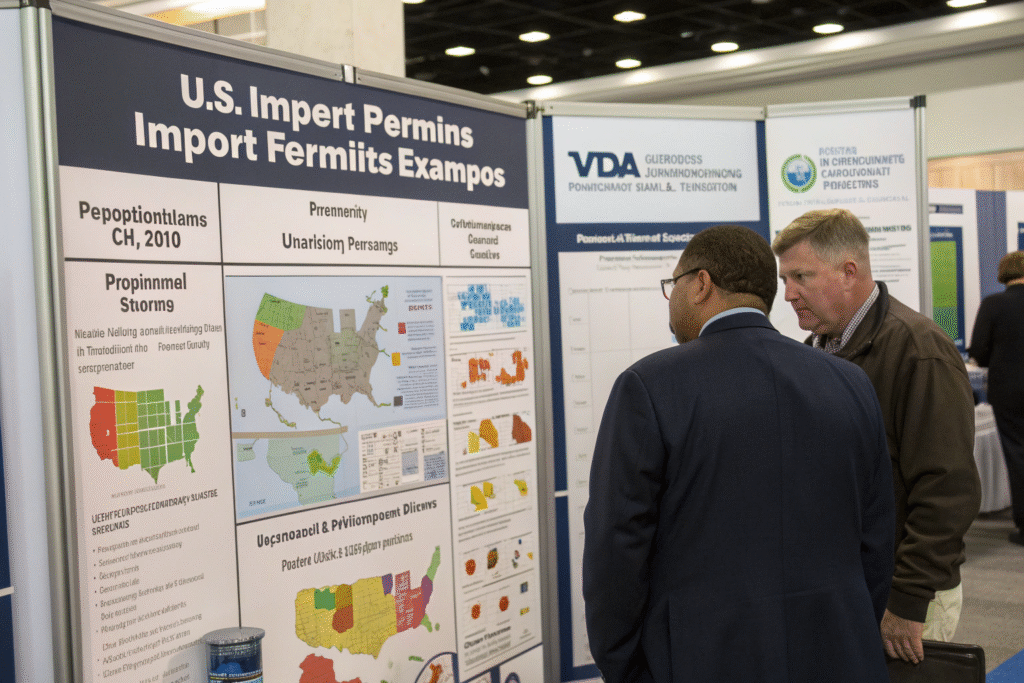
When Do You Need FDA Permits and Notifications?
Food, beverage, and dietary supplement imports require FDA prior notice. The Food Safety Modernization Act mandates advance notification for most food shipments, with specific timing based on transportation mode.
Medical devices need FDA establishment registration and device listing. Depending on device classification, you may need pre-market approval, 510(k) clearance, or investigational device exemptions.
Drugs and pharmaceuticals require FDA approval or investigational new drug permits. Most prescription drugs need full approval, while some over-counter drugs may have different requirements.
Cosmetics and personal care products need FDA facility registration. While less stringent than drugs, cosmetics still require manufacturer registration and ingredient documentation.
What USDA Agencies Require Import Permits?
Animal and Plant Health Inspection Service permits protect US agriculture. APHIS requires permits for plants, plant products, animals, animal products, and biological materials that could introduce pests or diseases.
Food Safety and Inspection Service regulates meat, poultry, and egg products. FSIS requires inspection and certification for most meat and poultry imports to ensure equivalent safety standards.
Agricultural Marketing Service enforces marketing order requirements. AMS may require permits or certificates for fruits, vegetables, and specialty crops under specific marketing orders.
How Can You Research Permit Requirements Systematically?
Multiple resources and approaches help identify permit requirements before you commit to imports.
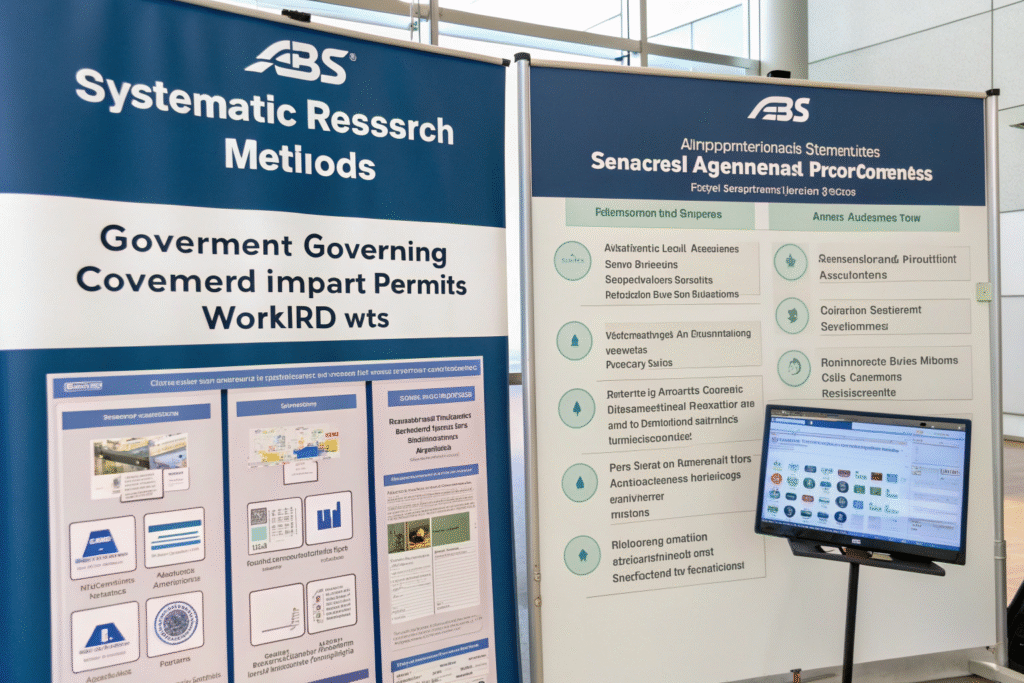
What Government Resources Provide Official Requirements?
CBP's Automated Commercial Environment guides offer agency requirement information. The ACE system provides detailed data on which agencies regulate specific products and what documentation they require.
Partner Government Agency manuals detail specific requirements. Each agency publishes comprehensive import manuals explaining their permit requirements, application processes, and exemptions.
Federal Register notices announce regulatory changes. Monitoring the Federal Register helps identify new requirements or changes to existing permit processes.
How Can Commercial Tools and Services Assist?
International trade databases provide cross-referenced requirements. Commercial services like Descartes, Integration Point, or Amber Road maintain updated databases of import requirements.
Customs broker expertise offers practical guidance. Experienced brokers have handled similar shipments and understand both official requirements and practical implementation.
Industry associations provide sector-specific guidance. Trade associations often maintain detailed import requirement guides for their specific industries and products.
What Are the Consequences of Missing Required Permits?
Understanding the risks helps justify the investment in proper permit identification and acquisition.

What Immediate Operational Impacts Occur?
Customs holds prevent cargo release until permits are obtained. Shipments without required permits are detained at ports or borders, accumulating storage and demurrage charges.
Seizure and destruction may occur for prohibited items. Products requiring permits that cannot be obtained retroactively may be seized and destroyed at importer expense.
Return to origin may be required for non-compliant shipments. Without proper permits, you may need to return goods to their origin at significant cost.
What Financial and Legal Penalties Apply?
Monetary penalties for compliance violations can be substantial. Agencies may assess significant fines for importing without required permits, particularly for regulated or restricted items.
Loss of import privileges may result from repeated violations. Serious or willful violations can lead to suspension of your importer account or bonding privileges.
Criminal charges may apply for certain prohibited items. Importing controlled substances, protected species, or other highly regulated items without permits can trigger criminal prosecution.
How Can You Streamline the Permit Management Process?
Systematic approaches to permit management prevent oversights and ensure ongoing compliance.

What Processes Ensure Ongoing Compliance?
Product master data management maintains requirement information. Centralized databases tracking permit requirements for each product prevent oversights during ordering and import.
Supplier qualification includes permit requirement verification. Ensuring suppliers understand and can provide required documentation prevents problems at origin.
Regular requirement reviews catch regulatory changes. Scheduled reviews of permit requirements identify changes that might affect existing products or new imports.
How Can Technology Support Permit Management?
International trade management systems track permit requirements. Specialized software can automatically flag products requiring permits and track application status.
Document management systems organize permit records. Centralized storage of permits, applications, and related correspondence simplifies retrieval during customs clearance.
Automated alert systems notify of permit expirations. Systems that track permit validity periods and provide renewal reminders prevent lapses in coverage.
What Are the Most Commonly Overlooked Permits?
Certain permits are frequently missed because they apply to unexpected products or have complex exemption criteria.
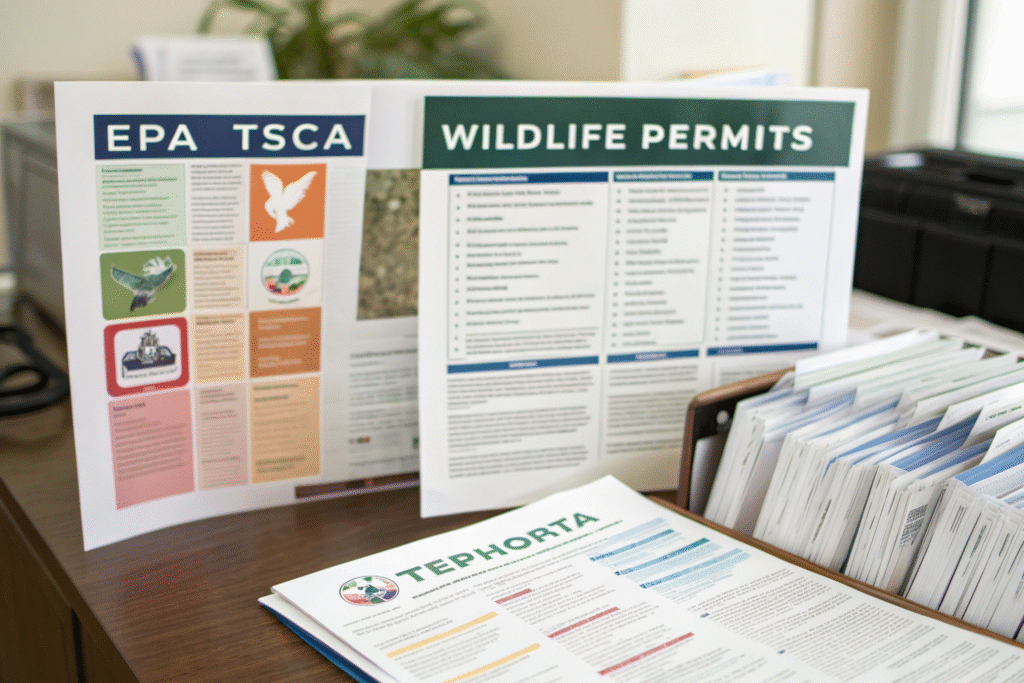
Which Permits Apply to Unexpected Products?
EPA TSCA requirements affect many manufactured goods. The Toxic Substances Control Act applies to many products containing chemicals, including electronics, textiles, and manufactured goods.
Fish and Wildlife Service permits protect endangered species. Products containing animal or plant materials, including certain woods, leathers, or traditional medicines, may need wildlife permits.
DOT and PHMSA requirements regulate hazardous materials transportation. Even small quantities of hazardous materials in consumer products may trigger specific permit requirements.
What Complex Exemption Criteria Cause Confusion?
De minimis exceptions have specific limitations. While some permits have small quantity exemptions, the rules are often complex and product-specific.
Personal use exemptions don't apply to commercial imports. Permits waived for personal imports often apply to commercial shipments, even in small quantities.
Component-based requirements apply to finished goods. A finished product may need permits based on its components, even if the components themselves wouldn't require permits when imported separately.
Conclusion
Identifying required import permits requires a systematic approach that combines product classification, regulatory research, and ongoing compliance management. The most successful importers treat permit identification as an integral part of their product development and sourcing processes rather than a last-minute customs clearance activity.
At GeeseCargo, we've helped clients reduce permit-related delays by over 80% through systematic requirement identification and management. The most effective approaches begin with thorough research during product development, continue with careful supplier qualification, and are supported by robust tracking systems that ensure ongoing compliance.
Begin your permit management improvement by conducting a comprehensive review of your current product portfolio against regulatory requirements, then implement systematic processes for identifying requirements for new products. Remember that in international trade, the cost of prevention is always lower than the cost of compliance failures—proper permit management protects both your shipments and your business reputation.