Calculating the true cost difference between air and ocean freight represents one of the most critical analyses in international logistics, where surface rate comparisons often mislead companies into costly decisions. As a freight forwarder who has helped clients navigate thousands of mode selection decisions, I've seen companies focus solely on transportation rates while overlooking 60-80% of the total cost equation. The true cost encompasses far more than just the freight invoice—it includes inventory carrying costs, opportunity costs, risk exposures, and numerous hidden expenses that dramatically alter the economic picture.
You calculate the true cost of air freight versus ocean freight by analyzing total landed costs including transportation rates, inventory carrying costs, customs and duties, warehousing expenses, risk exposures, and opportunity costs tied to capital deployment and market timing. The complete analysis typically reveals that air freight becomes economically competitive at higher inventory carrying costs (18-25%+) or when time-to-market advantages exceed 3-5% of product value.
This comprehensive calculation requires moving beyond simple rate-per-kilo comparisons to examine how each mode impacts your entire supply chain economics. Let's examine the specific components and methodology for accurate true cost calculation.
What Are the Direct Transportation Cost Components?
While the freight rate is the most visible cost, it's only the starting point for true cost comparison.
How Do Base Freight Rates Compare?
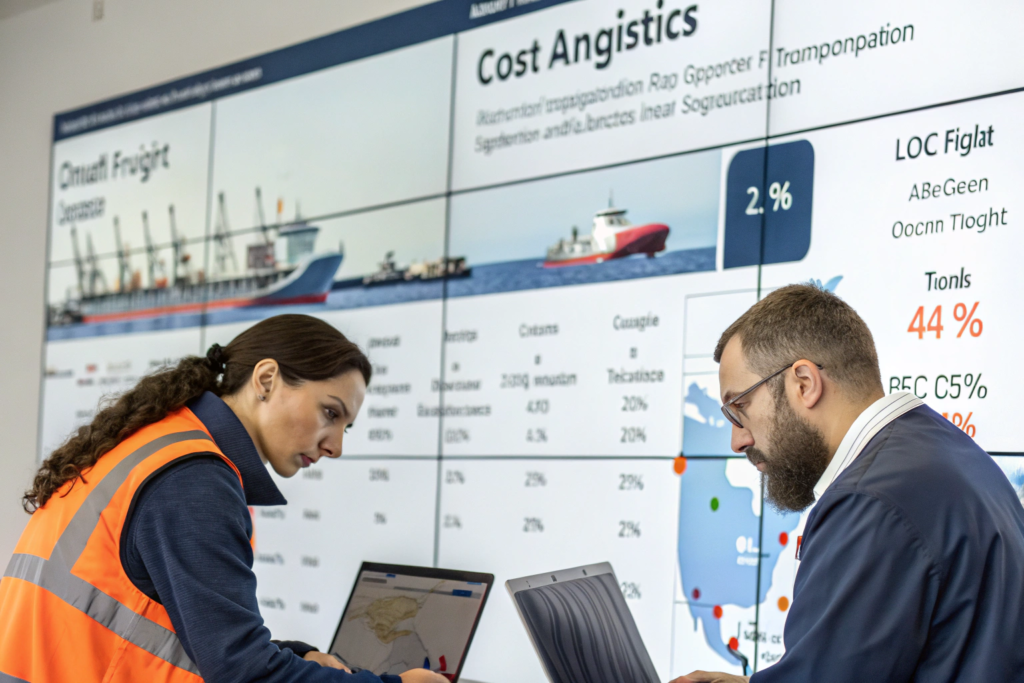
Volume-to-weight ratio considerations dramatically affect comparisons. Air freight charges by volumetric or actual weight (whichever is higher), while ocean freight uses container space, making low-density goods disproportionately expensive by air. The breakpoint typically occurs at 1 CBM = 167 kg for air versus 1 CBM = 1,000 kg for ocean container utilization.
Seasonal rate fluctuations differ significantly between modes. Air freight experiences dramatic rate spikes during peak seasons (Q4 holidays, Chinese New Year) with 50-100% increases, while ocean rates show more moderate 20-40% seasonal variations but with longer duration impacts.
What Accessorial Charges Should Be Included?
Air freight-specific charges include security fees, terminal handling, and fuel surcharges that often add 30-50% to base rates. The Air Waybill fee alone typically adds $25-75 per shipment, while security screening can add $0.10-0.25 per kg.
Ocean freight additional costs encompass THC (Terminal Handling Charges), documentation fees, and port congestion surcharges that typically add 25-40% to base ocean rates. Demurrage and detention risks also represent potential costs not present in air freight.
How Do Inventory Carrying Costs Impact the Equation?
Inventory financing represents the most significant and often overlooked cost difference between air and ocean transport.

What Components Make Up Carrying Costs?
Capital cost of inventory in transit varies dramatically by mode. With typical ocean transit times of 30-45 days versus air's 3-7 days, the capital tied up in transit inventory can be 4-6 times higher for ocean shipments, a critical consideration at current interest rates of 6-10%+.
Storage and handling expenses differ by delivery velocity. Faster air shipments typically require less warehouse space and handling since inventory turns faster, while ocean shipments often necessitate larger buffer stocks and more complex warehouse management.
How Should You Calculate Time Value of Money?
Weighted average cost of capital (WACC) application to goods in transit. Apply your company's WACC (typically 8-15% for most businesses) to the product value for the additional 25-40 days goods spend in ocean transit versus air to quantify the financing cost difference.
Opportunity cost of capital deployment considers alternative investments. The capital tied up in slower ocean shipments could potentially be deployed elsewhere in your business, creating an additional economic consideration beyond simple interest calculations.
What Customs and Duty Considerations Differ?
Customs-related costs and processes vary significantly between air and ocean shipments.
How Do Duty Payment Timings Affect Cash Flow?
Immediate duty payment requirements for air shipments impact cash flow. Air freight typically requires duty payment upon arrival or within very short windows, while ocean shipments may allow 10-15 day duty deferral under some arrangements, affecting working capital requirements.
Different examination rates by mode influence costs and delays. Air shipments generally face lower physical examination rates (2-5%) compared to ocean (5-10%) due to different risk assessment methodologies, affecting storage and handling costs for examined shipments.
What About Bond and Security Requirements?
Different bond structures may apply by transportation mode. While continuous bonds typically cover both modes, some specialized bond requirements or amounts may differ, particularly for high-value air shipments versus bulk ocean shipments.
Varying security filing requirements create different administrative burdens. While both require advance data submission, the specific forms and timing differ (ISF for ocean, various air cargo security programs), affecting compliance management costs.
What Risk and Insurance Costs Should Be Considered?
Risk exposure and mitigation costs differ substantially between air and ocean transport.
How Do Damage and Loss Rates Compare?
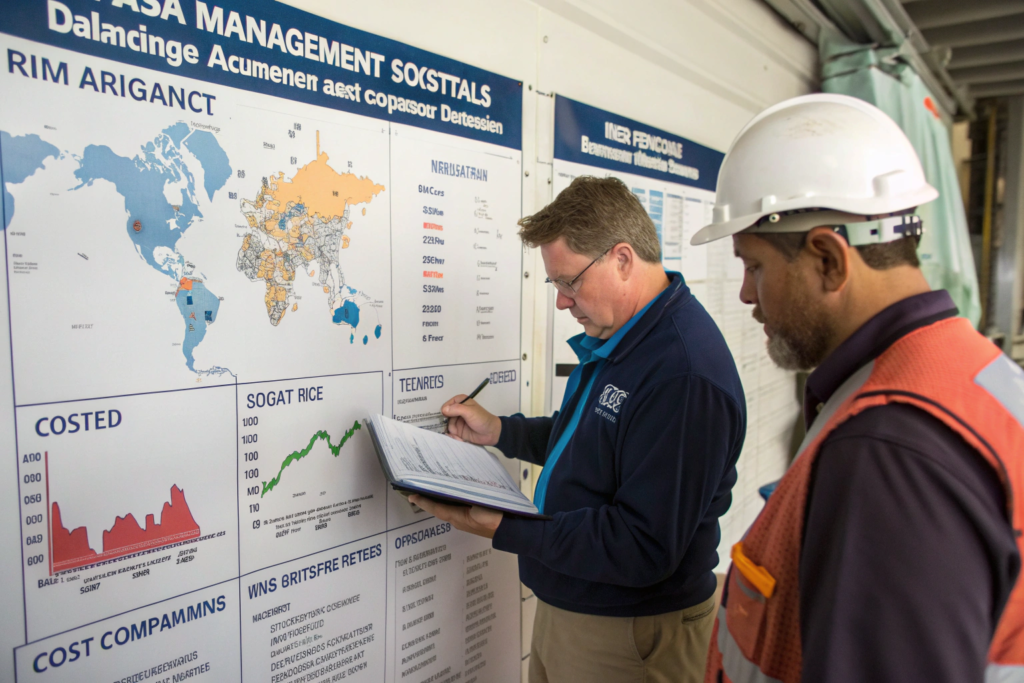
Significantly lower damage rates for air freight affect total costs. Air cargo typically experiences damage rates of 0.5-1.5% compared to ocean's 2-4%, reducing replacement costs, customer service issues, and insurance claims processing expenses.
Different theft and pilferage risks by mode and route. While air cargo has lower overall theft rates, it faces higher risks for small, high-value items, whereas ocean containers face risks of entire container theft in certain regions.
What Insurance Premium Differences Exist?
Generally lower insurance rates for air freight reflect lower risk. Marine cargo insurance typically costs 0.2-0.5% of declared value for air versus 0.5-1.0% for ocean, though specific rates vary by commodity, route, and carrier.
Deductible and coverage differences affect true risk transfer. Air freight policies often have lower deductibles and broader coverage terms, while ocean policies may include more exclusions or higher deductibles that increase retained risk costs.
How Do Market Timing and Opportunity Costs Factor In?
Time-to-market advantages create economic value that simple cost comparisons often miss.

What Is the Economic Value of Faster Delivery?
Reduced stockout costs with faster replenishment. Air freight's shorter lead times typically reduce safety stock requirements by 60-80%, decreasing both inventory investment and potential stockout losses that can range from 10-40% of lost sales value.
Premium pricing opportunities for early market entry. Being first to market with new products or seasonal goods often commands 15-30% price premiums and greater market share, particularly in fashion, technology, and seasonal consumer goods.
How Does Seasonality Affect Mode Economics?
Missed season penalties for late deliveries. In seasonal industries, missing key selling windows can result in 40-70% markdowns or complete write-offs, making air freight economically justified even at 3-5 times ocean costs for time-critical shipments.
Promotional timing requirements influence mode selection. Marketing campaigns, store openings, or promotional events with fixed dates often justify air freight premiums to ensure product availability aligns with planned activities.
What Calculation Methodology Provides Accurate Comparisons?
A structured calculation framework ensures all relevant costs are captured and properly weighted.

What Formula Should You Use for True Cost?
Total Landed Cost = (Transportation Costs + Customs/Duties + Insurance) + (Inventory Carrying Costs + Warehousing) + (Risk Costs + Quality Costs) + (Opportunity Costs - Time-to-Market Benefits)
Comparative analysis approach calculates both modes simultaneously. Develop parallel calculations for air and ocean that include all cost components, then compare totals rather than individual line items to identify the true economic difference.
How Should You Apply This Analysis to Decision Making?
Product-specific calculations account for value density variations. High-value electronics might justify air freight at $50/kg while bulk commodities might only justify ocean at $0.50/kg, requiring separate calculations by product category.
Scenario analysis for different business conditions. Run calculations under various scenarios—peak season surcharges, interest rate changes, market demand fluctuations—to understand how sensitive your mode decision is to changing conditions.
Conclusion
Calculating the true cost of air freight versus ocean freight requires comprehensive analysis extending far beyond simple rate comparisons to include inventory financing, risk exposure, market timing, and numerous hidden costs that collectively determine the economically optimal choice. The complete analysis typically reveals that air freight becomes competitive when inventory carrying costs exceed 18-25% annually or when time-to-market advantages exceed 3-5% of product value, with specific breakpoints varying by product characteristics and market conditions.
At GeeseCargo, we've helped clients implement true cost calculation models that typically identify 15-30% total cost savings through optimized mode selection, with many companies discovering that strategic use of air freight for appropriate products actually reduces their overall supply chain costs despite higher transportation rates. Our experience shows that companies using comprehensive true cost analysis typically achieve 8-12% better total landed costs than those relying on simple freight rate comparisons. Remember that optimal mode selection requires regular re-evaluation as costs, markets, and business conditions evolve—what worked last year may not be optimal today.