For time-sensitive shipments, every hour matters. In today’s fast-paced market, buyers like Ron in the U.S.—sourcing clothing and accessories from China—can’t afford delays. Whether it’s fashion cycles, holiday launches, or eCommerce restocking, transit speed is directly tied to profitability.
Freight forwarders reduce transit times by optimizing routes, leveraging direct carrier access, pre-clearing customs, and using technology to streamline coordination across borders.
Let me walk you through exactly how we shorten your lead times, reduce risks, and deliver goods faster.
What Route Optimization Strategies Save the Most Time?
Speed starts with smart routing. From origin port to final delivery, choosing the fastest, most efficient route avoids detours and delays.
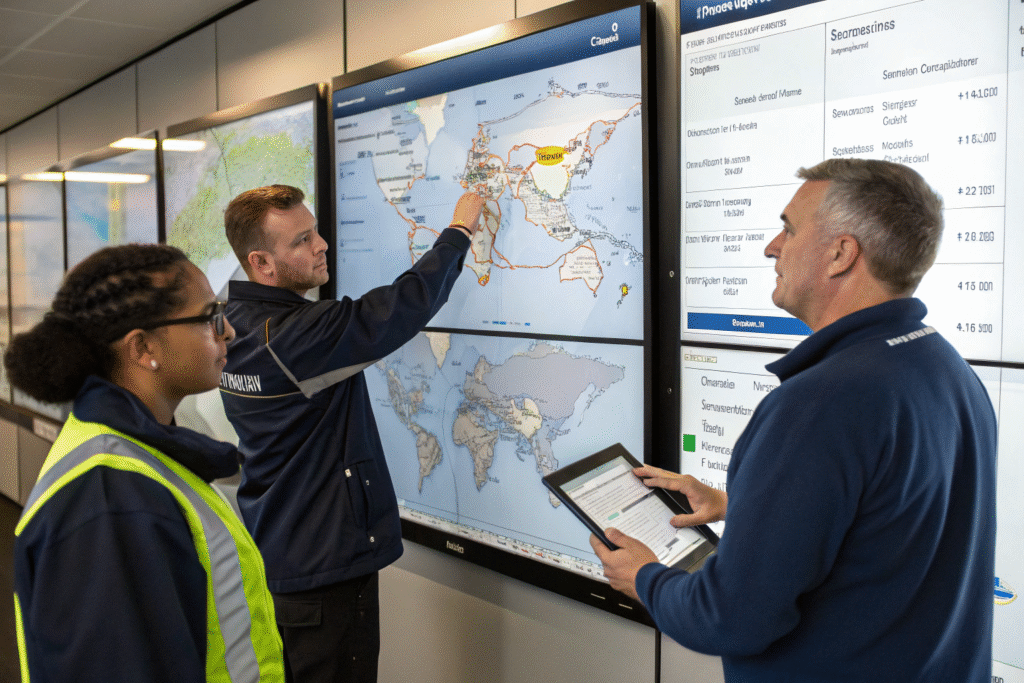
Freight forwarders analyze port congestion, carrier schedules, inland transport, and customs timelines to choose the fastest end-to-end route for your cargo.
How Do Forwarders Choose the Fastest Route?
We don’t rely on default schedules. Instead, we check real-time data from platforms like GoComet Port Congestion Tracker to avoid bottlenecks. If the Port of Los Angeles is backed up, we’ll reroute to Oakland or Houston and move inland by rail.
We also compare transit times via Maersk Spot or Evergreen Line to pick vessels with minimal stops or higher reliability scores.
Can You Combine Modes for Faster Delivery?
Yes. Multimodal routing—like rail to port, then air to final destination—can reduce total time by 20–30%. We use partners like Flexport for transparent route mapping and ETAs across sea, rail, and air modes in a single dashboard.
Our internal TMS (transportation management system) flags the fastest combo based on weight, deadline, and customs complexity.
How Do Freight Forwarders Speed Up Customs Clearance?
Customs clearance can eat up days if mismanaged. But with expert handling, it can be finished before the cargo even arrives.
We pre-clear goods, optimize documentation, and leverage relationships at major ports to ensure your shipment sails through customs without delay.
What Is Pre-Clearance and How Does It Help?
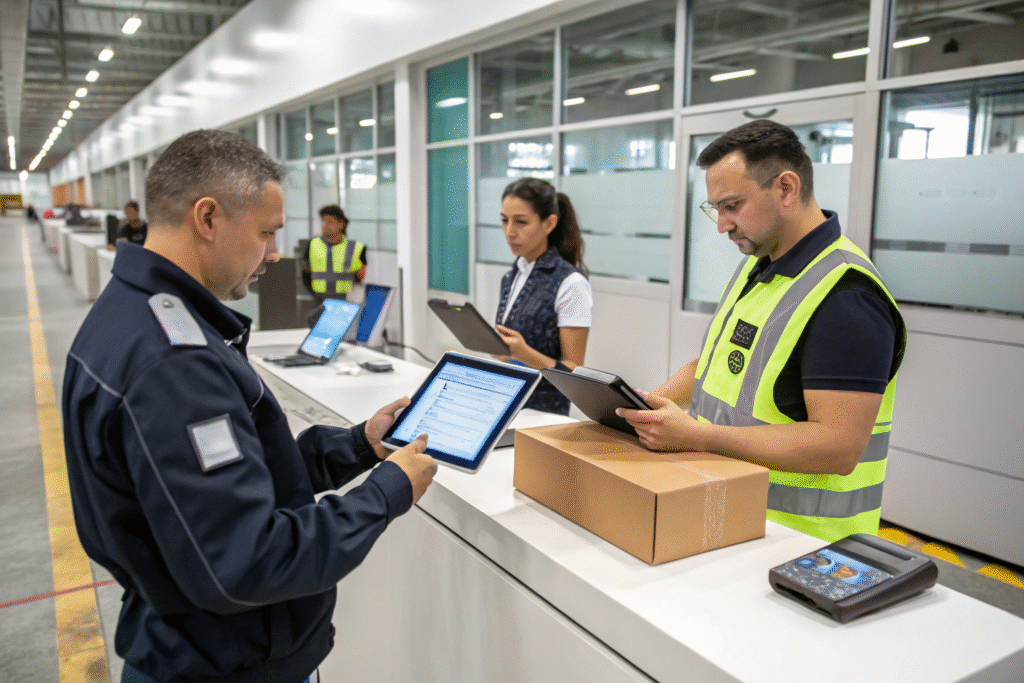
Pre-clearance means we submit customs declarations before the cargo reaches port. For U.S.-bound shipments, we use the ACE system to transmit data directly to CBP. On the China side, we work through the Single Window platform for pre-approvals and permits.
This speeds up customs handoff and reduces the chance of holds. For Ron, this means cargo clears within hours, not days.
Can Paperwork Errors Really Delay Shipments?
Absolutely. Wrong HS codes, missing certifications, or improper values can flag your cargo for inspection. That’s why we cross-verify every document—commercial invoices, packing lists, certificates—with platforms like Cargowise.
We also assign dedicated agents at key ports like Shanghai, Shenzhen, and Qingdao to personally monitor the clearance process.
What Role Does Carrier Access and Booking Priority Play?
Freight forwarders with strong carrier partnerships move faster. We secure space even in peak season and gain priority loading status.
By working directly with carriers, we avoid space shortages, delays, and rebookings—ensuring your shipment gets onboard and departs on schedule.
How Do You Secure Priority Loading for Clients?
We have long-term contracts with carriers like CMA CGM and ONE Line, which gives us loading preference during overbooked sailings.
We also use digital booking portals to monitor open capacity and hold space in advance. During peak season, this access makes the difference between on-time and rolled shipments.
Do You Offer Guaranteed Departure Services?
Yes, we provide premium space booking options, especially on time-sensitive air cargo. These come with priority ground handling, shorter dwell time at origin, and quicker handoff to last-mile partners like UPS Supply Chain Solutions.
For Ron’s time-critical fashion orders, we sometimes use cargo charters or co-load options for guaranteed uplift.
How Do Technology and Real-Time Tracking Improve Speed?
Visibility enables agility. When you can see a delay coming, you can fix it.
We use real-time tracking, automation, and predictive alerts to detect delays early, reroute cargo, and shorten the overall delivery timeline.

What Tracking Tools Do Freight Forwarders Use?
We use platforms like Project44, FourKites, and Flexport to monitor shipments across every mode. These tools track GPS, ETAs, dwell time, and customs clearance status in real time.
We also connect APIs to client dashboards, so Ron can track all his shipments from Guangzhou to Chicago in one view.
How Does Technology Help Prevent Delays?
Predictive analytics warns us about weather delays, port congestion, or labor strikes. If the Port of Long Beach shows a 48-hour wait, we’ll redirect cargo to Tacoma with rail to the Midwest.
We also automate alerts to final-mile carriers like ShipBob or XPO Logistics, ensuring handoff is smooth and last-mile delivery stays fast.
Conclusion
Reducing transit time isn’t just about speed—it’s about control. As your freight forwarder, we combine planning, technology, and relationships to eliminate delays before they start.
From smarter routes to faster customs and guaranteed bookings, our goal is clear: get your goods to market fast, every time. When time is money, we make sure you don’t waste either.