Freight forwarders manage port congestion by planning ahead, diversifying routes, using technology for visibility, and building strong relationships with port authorities and carriers. These strategies minimize delays and reduce costs for clients.
That is why I want to explain how we manage port congestion, what risks it creates, and the solutions that keep global supply chains moving even in the busiest seasons.
Why Is Port Congestion a Growing Challenge in Global Trade?
Port congestion has become more frequent due to rising trade volumes, labor shortages, and global disruptions like the pandemic. Every importer and exporter has felt the pain of delayed shipments and unexpected costs.
Port congestion disrupts supply chains by delaying shipments, increasing storage fees, and raising freight rates. For businesses, this can mean stockouts, missed deadlines, and lost sales.

What causes port congestion in major hubs?
The main causes include limited capacity, labor strikes, customs backlogs, and seasonal surges. According to World Shipping Council, larger container ships have also worsened congestion by unloading thousands of boxes at once. For example, the Port of Los Angeles has faced historic delays during holiday seasons.
How does congestion affect shipping costs?
Delays create extra fees such as demurrage and detention. Maersk explains that congestion often leads to higher spot rates as demand exceeds supply. Importers end up paying more for both space and storage, squeezing profit margins.
What Strategies Do Freight Forwarders Use to Overcome Congestion?
As a forwarder, my role is to anticipate problems before they hurt my clients. By using alternative routes, flexible scheduling, and real-time updates, I reduce the impact of congestion on deliveries.
Freight forwarders overcome congestion through route diversification, advanced planning, and close coordination with shipping lines. These strategies help cargo keep moving when ports are clogged.
Can rerouting shipments reduce delays?
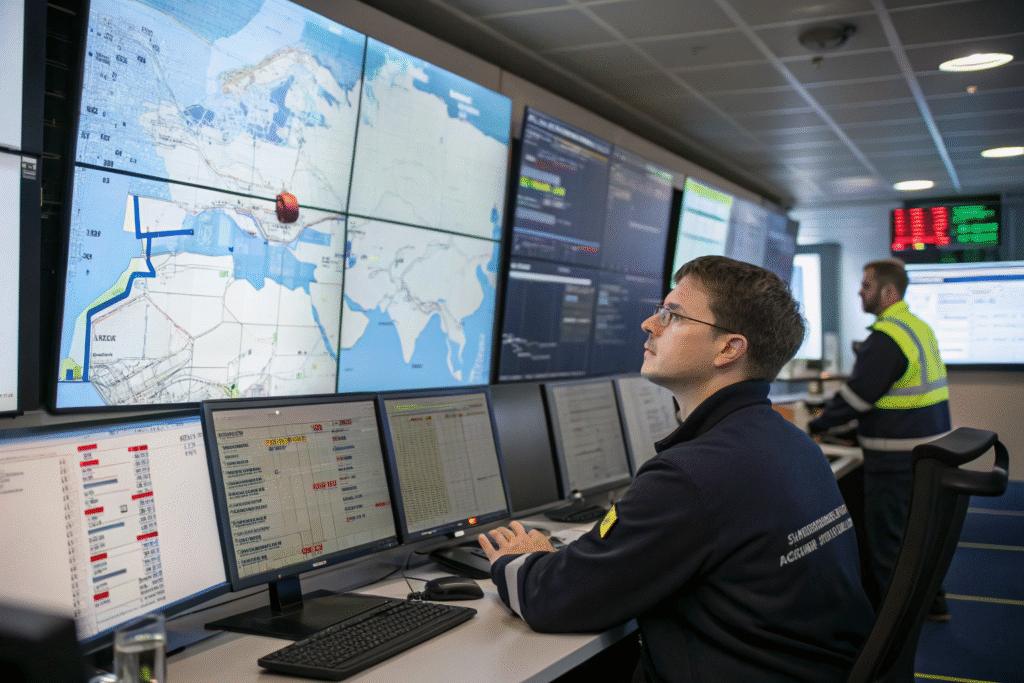
Yes. When the Port of Los Angeles faced months of delays, I rerouted some shipments through Oakland and Seattle. According to Port of Oakland, diversions like these can shorten delivery times and reduce costs. Clients appreciate flexibility, even if it means adjusting inland transport plans.
How does early booking help avoid congestion?
Booking space weeks in advance is critical during peak seasons. Hapag-Lloyd recommends early reservations to secure vessel slots. I always encourage my clients to confirm shipments early, so I can lock in space and minimize exposure to congestion risks.
How Does Technology Help Manage Port Congestion?
Technology has become one of the most powerful tools for managing congestion. Real-time data allows forwarders and clients to track delays, predict risks, and adjust plans quickly.
Technology improves congestion management by providing visibility, predictive insights, and communication tools. It helps forwarders prevent bottlenecks and make faster decisions.
How does real-time tracking improve visibility?
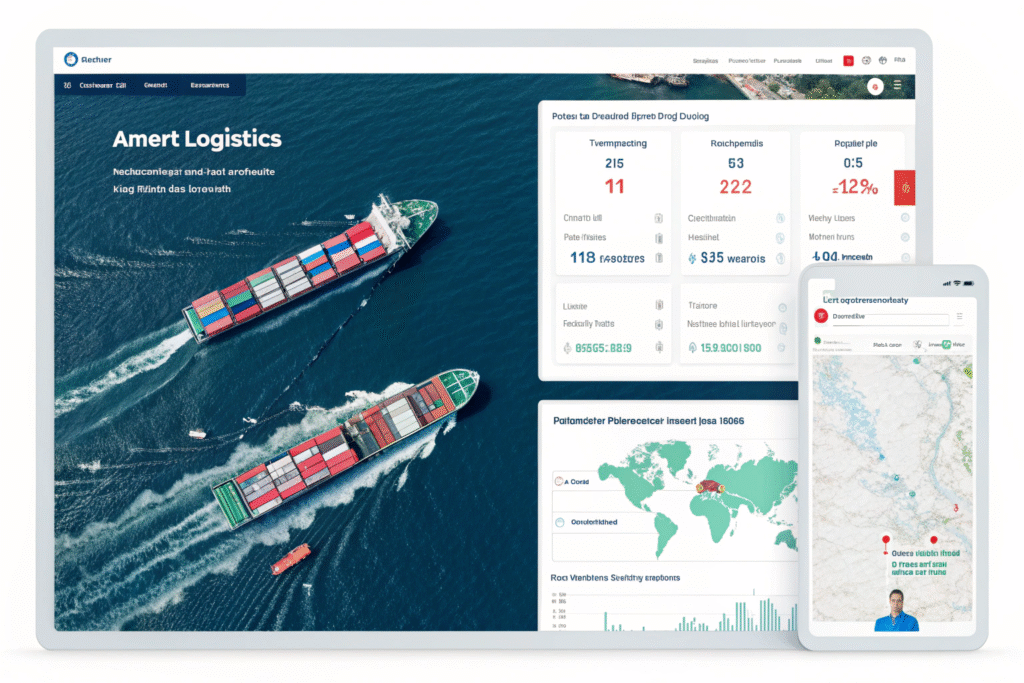
With tools like MarineTraffic and Project44, I can track vessels and see congestion levels at ports. When I know a ship will be delayed, I can alert clients immediately and adjust trucking schedules. Transparency reduces stress and avoids costly surprises.
Can predictive analytics reduce risks?
Yes. AI-based systems can predict port congestion based on historical data, weather, and vessel movements. FourKites uses predictive analytics to give shippers early warnings. These insights help me reroute shipments before delays become critical.
Why Are Relationships With Ports and Carriers So Important?
Relationships often make the difference between long delays and quick solutions. Over the years, I have built strong contacts with port staff, customs officers, and shipping line representatives.
Strong relationships with ports and carriers ensure faster problem resolution, priority handling, and smoother communication during congestion. They are one of the most valuable assets of a reliable forwarder.
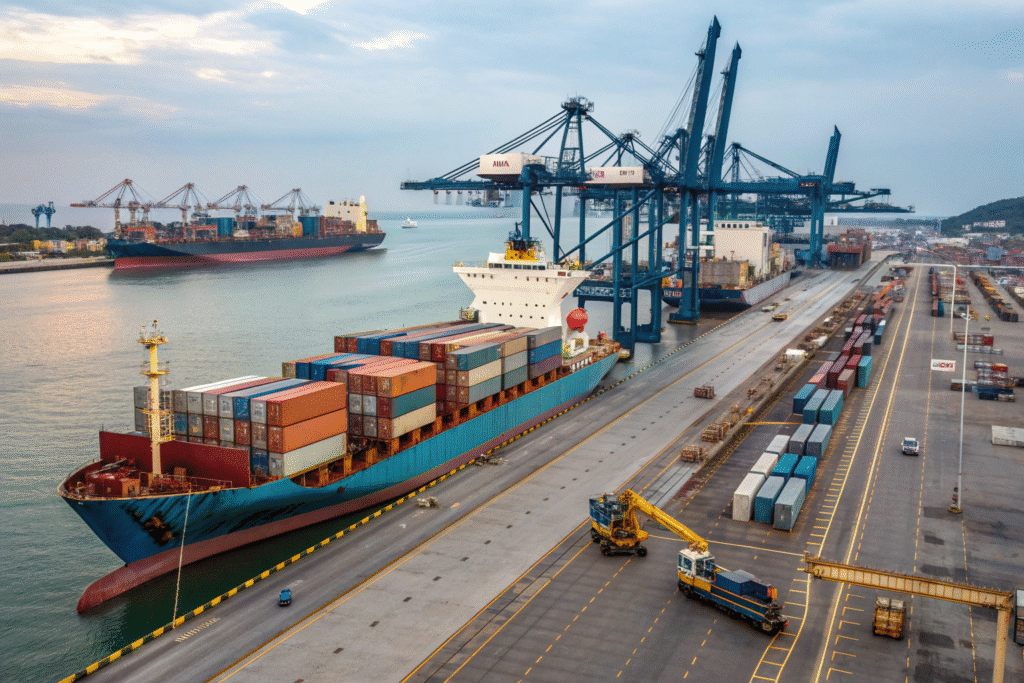
How do port contacts help during congestion?
Knowing the right people speeds up solutions. For example, at Shanghai Port, my local contacts helped me resolve a customs inspection issue in hours instead of days. This kept my client’s cargo moving while others faced delays.
Can alliances with carriers reduce congestion risks?
Yes. Carrier alliances like THE Alliance provide flexible route options and shared resources. Forwarders who work closely with these networks can access alternative vessel space when main routes are congested. This means my clients get more reliable service.
Conclusion
Port congestion will remain a challenge in global trade, but it does not have to stop business. By using alternative routes, early planning, technology, and strong partnerships, freight forwarders like me keep supply chains moving.
For American buyers like Ron, who depend on shipments from China, reliability comes from knowing that their forwarder is proactive and resourceful. At GeeseCargo, I make it my mission to turn port congestion challenges into manageable solutions, ensuring cargo arrives safely and on time.