Navigating the complex world of international trade can feel like a maze. As an importer, you're focused on your products and customers. But in the background, a web of regulations and compliance requirements threatens to slow you down or, worse, halt your operations entirely. This is where the expertise of a reliable freight forwarder becomes not just valuable, but essential for your business's smooth operation and growth.
A professional freight forwarder acts as your strategic partner in trade compliance. We manage the intricate documentation, ensure adherence to constantly changing international laws, and leverage our deep knowledge of customs procedures to prevent costly delays and penalties. Our role is to make the complex simple, allowing you to focus on what you do best.
Understanding trade compliance is the first step toward mastering global logistics. Let's explore the critical ways a seasoned freight forwarder like GeeseCargo safeguards your shipments and ensures they move seamlessly across borders.
How can a freight forwarder simplify customs documentation?
The mountain of paperwork required for international shipping is a common pain point for business owners. Incorrect or missing documents are a primary reason for customs holds. A freight forwarder's core function is to demystify and manage this entire process for you, turning a potential headache into a streamlined operation.
We handle the preparation and submission of all critical customs documents. This includes the commercial invoice, packing list, bill of lading, and certificate of origin. Our team is trained to ensure every "i" is dotted and every "t" is crossed according to the specific requirements of both the exporting and importing countries. This meticulous attention to detail is what prevents your container from being stuck at the port.

What key documents do forwarders manage?
We take full responsibility for the entire suite of customs documentation. The Commercial Invoice is foundational, as it declares the value of your goods for duty assessment. The Packing List details the physical contents of your shipment, which must match the invoice. For sea freight, the Bill of Lading acts as both a receipt and a title of goods, a critical document we manage with carriers. Furthermore, we ensure the correct Certificate of Origin is provided, which can significantly impact the tariff rates your goods are subject to under various trade agreements.
How does accurate documentation prevent shipping delays?
Accuracy is everything. Customs authorities use these documents to verify the legality of your shipment. Any discrepancy, such as an incorrect Harmonized System (HS) code or a mismatched value, triggers an inspection. These inspections can take days or even weeks, incurring hefty demurrage and detention fees at the port. By getting the paperwork right the first time, we keep your supply chain moving on schedule, protecting your bottom line and your reputation for reliability. Our expertise in customs clearance processes is your first line of defense against these costly and frustrating delays.
Why is tariff classification and duty optimization crucial?
Misclassifying your goods can lead to massive financial losses. You might overpay on duties, or face severe penalties for underpaying. Freight forwarders bring expert knowledge to this complex area, ensuring you pay the correct amount while legally minimizing your costs wherever possible.
We specialize in determining the correct Harmonized System (HS) code for your products. This internationally standardized code dictates the duty rate. Our experience with a wide range of commodities, from clothing and accessories to electronics, means we can accurately classify your items. This precision is the bedrock of compliant and cost-effective importing, directly addressing the pain point of unpredictable tariff costs.

How do forwarders determine the correct HS code?
Our process is both technical and practical. We analyze your product's composition, function, and manufacturing details. We then consult the extensive HS code database and use our internal knowledge built from years of shipping similar goods. For instance, the classification for a "men's knitted cotton sweater" is very specific. We don't guess; we apply a methodical approach to ensure the code we assign will be accepted by customs authorities, providing you with certainty and avoiding the risk of future customs audits and reassessments.
What strategies are used for duty optimization?
Beyond correct classification, we explore all legal avenues to reduce your duty liability. A primary strategy is leveraging Free Trade Agreements (FTAs). If your goods are manufactured in China and shipped to the US, we verify if they qualify for preferential treatment under relevant trade frameworks. This requires a deep understanding of the rules of origin. We manage the process of obtaining the necessary documentation to prove this eligibility, which can result in significantly lower or even zero duty rates, directly boosting your profit margins.
How do forwarders ensure compliance with import regulations?
International trade regulations are a moving target. What was compliant last month may not be this month. A professional freight forwarder acts as your early warning system and compliance shield, continuously monitoring for changes and implementing them for your shipments.
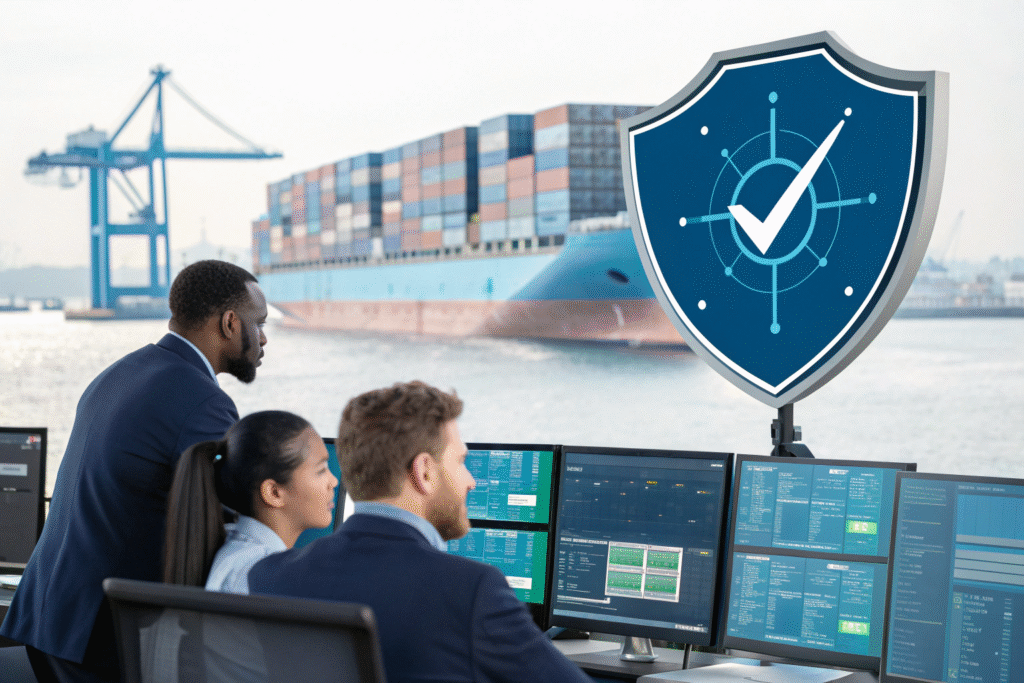
We maintain an up-to-date database of the specific import regulations for different countries. This includes restrictions, banned items, labeling requirements, and necessary permits. For example, shipping goods to the US requires strict adherence to the security filing requirements of the Importer Security Filing (ISF). For a client like Ron, who ships from China to the US, we take full responsibility for submitting the accurate and timely ISF, a critical step that, if mishandled, can result in large fines from US Customs and Border Protection.
What are the risks of non-compliance with security filings?
The risks are severe and immediate. Failure to file the ISF, or filing an inaccurate one, typically leads to fines of $5,000 per violation. Repeated offenses can lead to increased inspections for all your future shipments, causing chronic delays that damage your business's efficiency and reliability. By entrusting this to us, you convert this regulatory risk into a managed, routine part of the shipping process. Our expertise in international trade law fundamentals ensures these critical filings are never overlooked.
How are restricted or prohibited items handled?
We provide proactive guidance on what can and cannot be shipped. Many businesses are unaware that certain materials, products, or even types of wood used in packaging are subject to strict controls. Our team will advise you on these restrictions during the initial quoting phase. If your goods require special permits or licenses, such as from the FDA or EPA, we will guide you on the process, preventing your shipment from being seized or destroyed upon arrival. This proactive approach is a core part of our door-to-door service, ensuring complete end-to-end compliance.
What is the role of a forwarder in risk management and audits?
Even with the best preparations, issues can arise. Customs may decide to audit an import transaction. The strength of your freight forwarder is truly tested in these high-pressure situations. We stand with you, providing the documentation and expert support needed to navigate the audit successfully.
Our relationship with customs officials is a key asset. Having contacts and a established track record of compliance at major ports in Asia, Europe, and America means we can communicate effectively and professionally on your behalf. We help you prepare for a customs audit by ensuring all your records are organized and readily available, significantly reducing the stress and potential financial impact of the examination.

How can a forwarder assist during a customs audit?
We act as your representative and advisor. We help gather the necessary shipment data, including the commercial invoices, packing lists, and proof of payment that we meticulously managed from the start. We can explain the reasoning behind the HS code classifications we used and the origin declarations we made. Our deep involvement in the initial process makes us the best possible partner to defend your shipment's compliance and legitimacy, turning a potentially adversarial situation into a manageable, fact-based review.
What proactive measures minimize audit risks?
The best way to handle an audit is to prevent it from happening in the first place. Our entire operational philosophy is built on proactive compliance. We maintain impeccable records for every shipment. We use validated classification methods and stay current on all regulatory updates. This consistent, by-the-book approach creates a clean and reliable shipping history for your company. This record of compliance makes your business a low-risk profile in the eyes of customs authorities, which is the ultimate form of risk management for any importer.
Conclusion
In the high-stakes world of international shipping, trade compliance is not an area for guesswork. The role of a freight forwarder extends far beyond booking space on a ship or plane. We are your essential partner in navigating the complex landscape of regulations, tariffs, and documentation. From simplifying customs paperwork and optimizing duty costs to ensuring adherence to security filings and managing audit risks, our expertise provides the safety net your business needs.
Partnering with a forwarder like GeeseCargo, with our years of experience on European and American routes and established contacts at major ports, means you gain more than a service provider; you gain a strategic ally. We transform compliance from a feared obstacle into a competitive advantage, ensuring your goods are delivered in a fast, safe, and reliable manner. Let us handle the complexities of compliance, so you can confidently focus on growing your business.