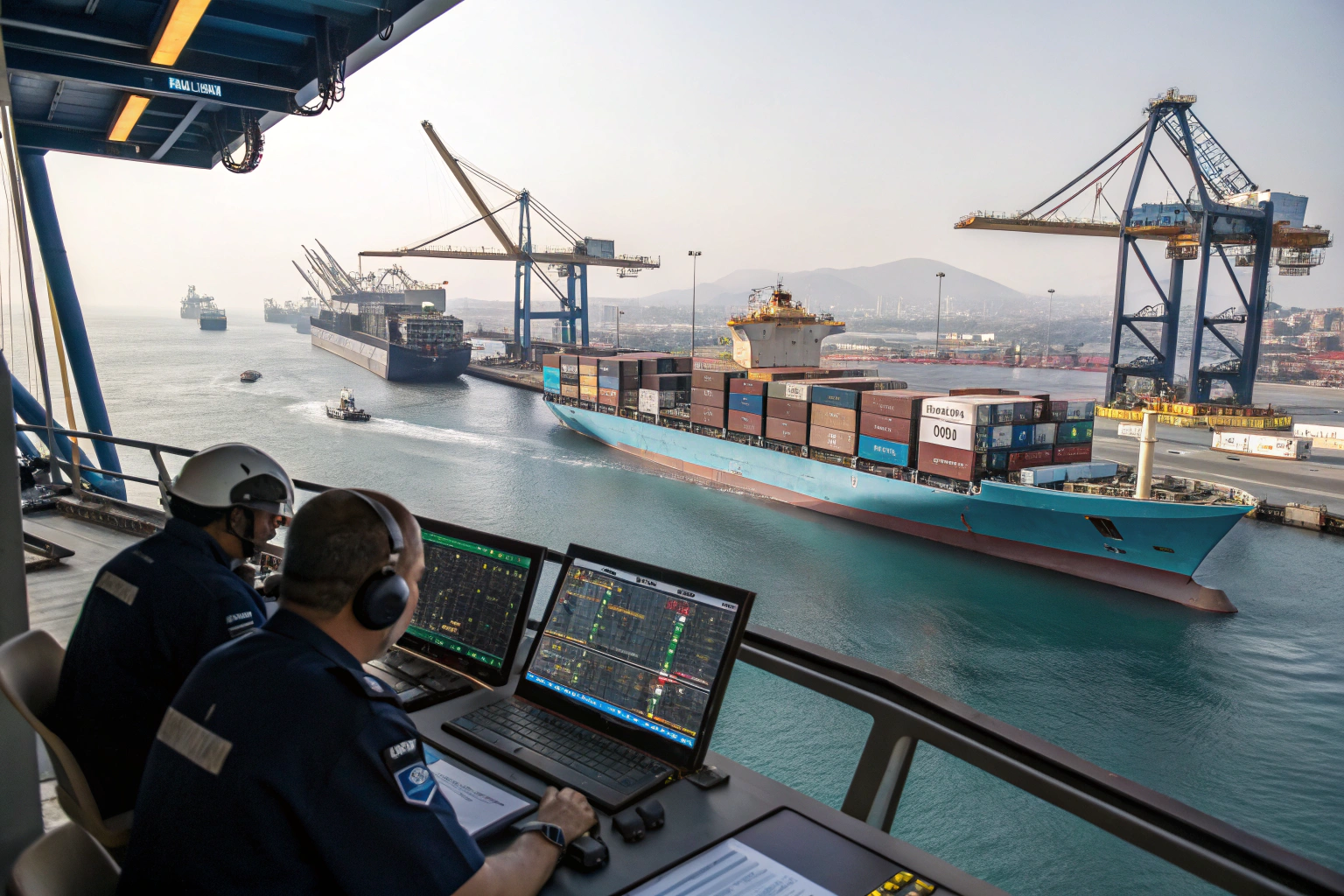
Ocean freight drives global trade but is complex to manage. Importers face port congestion, customs delays, and unpredictable schedules. For U.S. businesses sourcing from China, these issues can be costly.
Freight forwarders streamline operations by managing documentation, securing carrier space, optimizing routes, and providing real-time visibility.
At GeeseCargo, we simplify each step of the process to keep shipments on time and supply chains stable.
How Do Freight Forwarders Handle Documentation?
Paperwork mistakes often cause delays.
Forwarders prepare and verify required documents to avoid clearance problems.
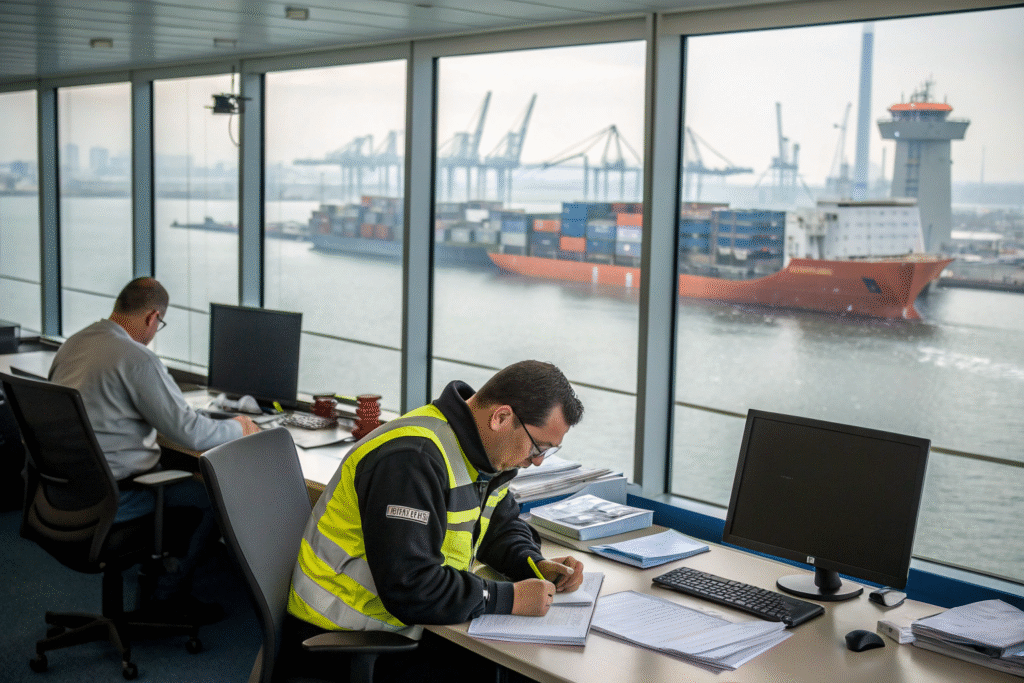
What documents are essential?
The bill of lading, commercial invoice, and packing list must match exactly. U.S. Customs and Border Protection identifies inconsistencies as a leading cause of delays.
How do forwarders prevent errors?
They cross-check details and file electronically. The World Customs Organization sets the global standards they follow.
How Do Forwarders Secure Space and Optimize Routes?
Capacity shortages and poor route planning extend transit times.
Forwarders use carrier partnerships and routing expertise to move cargo faster and more cost-effectively.
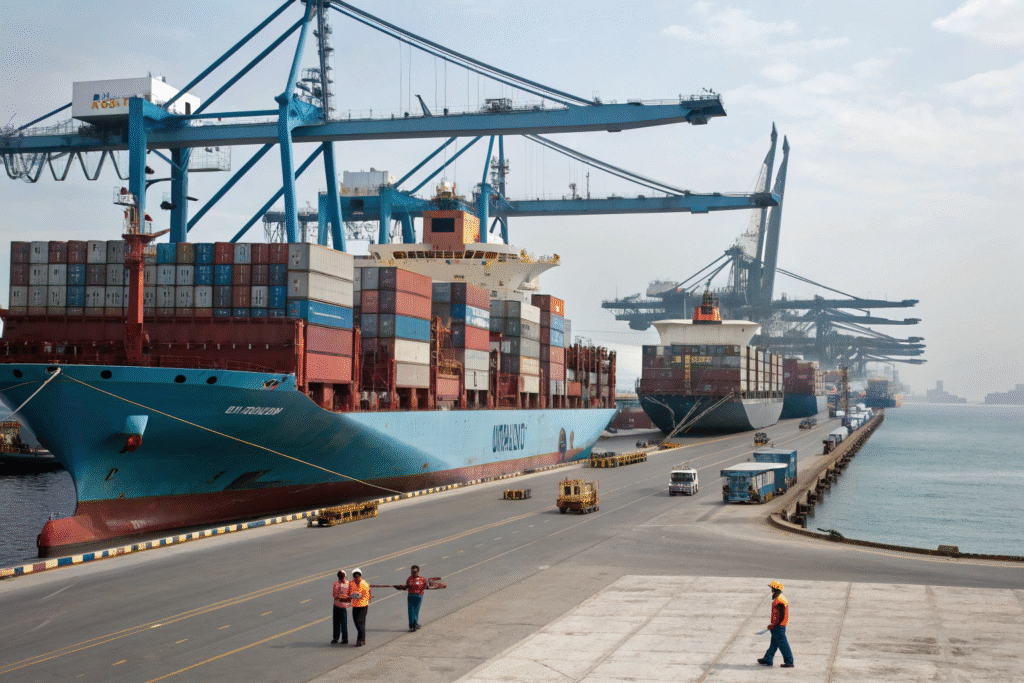
How do partnerships improve reliability?
High-volume agreements give forwarders priority slots and stable schedules. Freightos explains how these ties prevent rollovers.
How do optimized routes save time?
By tracking congestion and sailing schedules, forwarders choose the quickest options. The Journal of Commerce reports frequently on routing strategies that reduce bottlenecks.
How Do Freight Forwarders Provide Real-Time Visibility?
Lack of visibility increases uncertainty.
Forwarders offer clients real-time tracking, forecasts, and alerts.
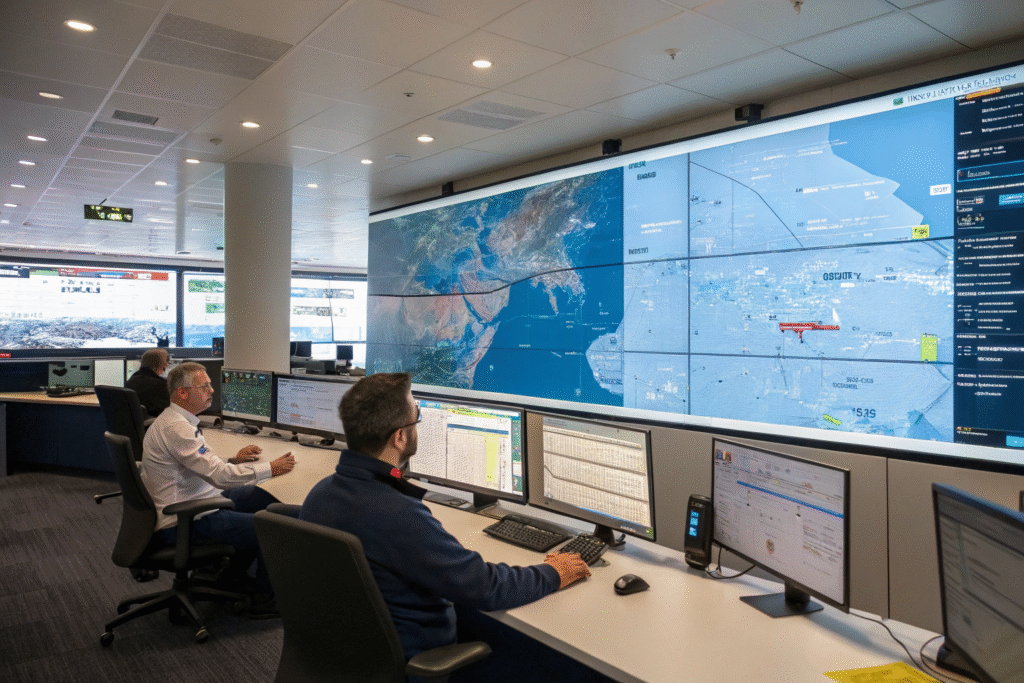
How does visibility help importers?
Tracking supports warehouse and inventory planning. MarineTraffic allows vessel monitoring across global trade lanes.
Can forwarders respond to disruptions?
Yes. Predictive tools enable rerouting when delays occur. FourKites shows how visibility platforms improve resilience.
How Do Forwarders Simplify Customs Clearance?
Customs is often the biggest source of delays.
Forwarders reduce risks by filing documents early, ensuring accuracy, and coordinating with brokers.

Why is pre-filing important?
Submitting documents electronically before cargo arrives shortens clearance. The Automated Commercial Environment (ACE) speeds up U.S. imports.
How do forwarders lower inspection risks?
They verify HS codes, labeling, and compliance before shipping. Trade.gov outlines practices that help avoid delays.
Conclusion
Freight forwarders streamline ocean freight by ensuring accurate documentation, securing carrier space, optimizing routes, providing visibility, and handling customs efficiently. For businesses importing from China to the U.S., working with GeeseCargo reduces delays, lowers costs, and creates reliable supply chains.