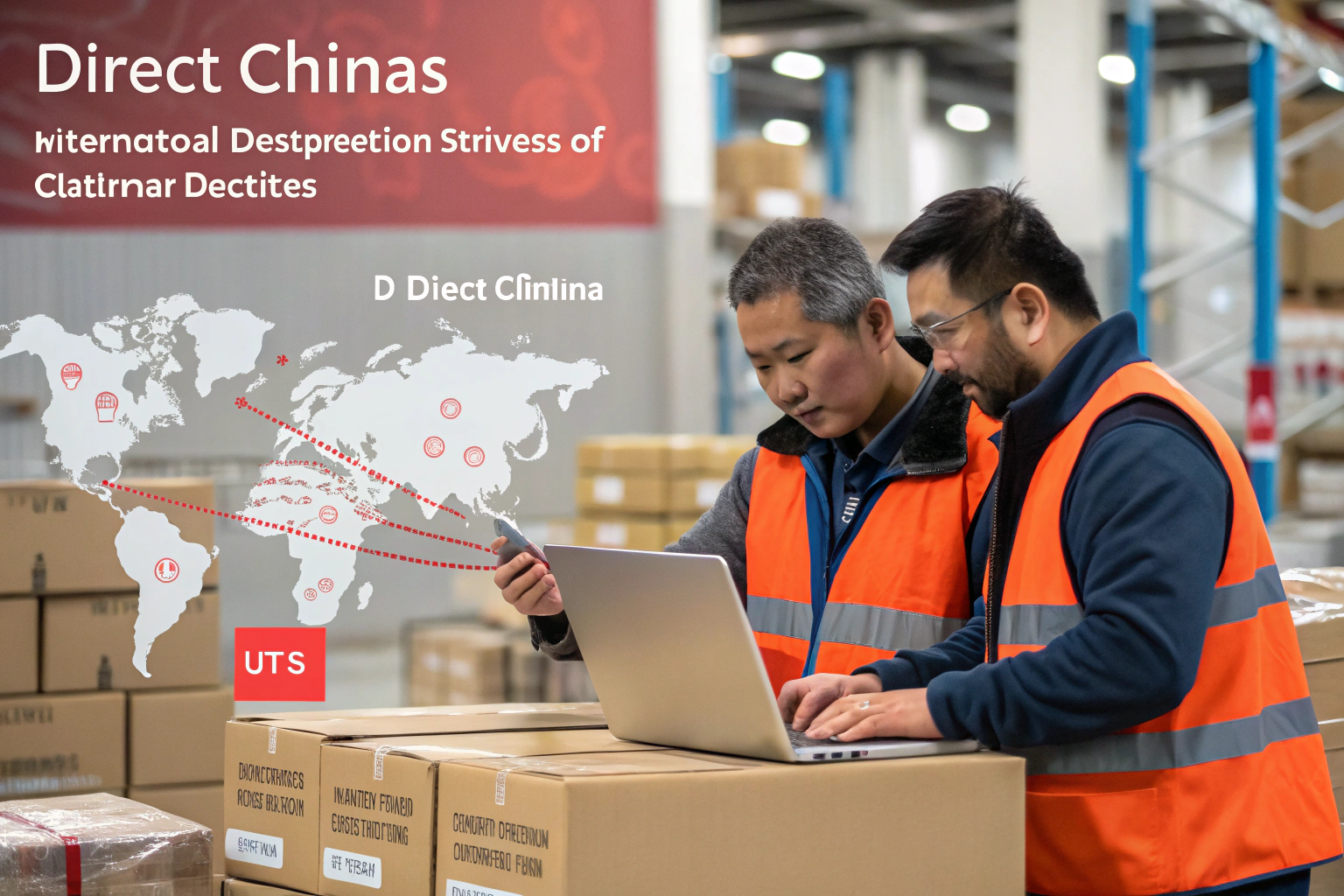
Shipping directly from China to your US customers—often called dropshipping or direct-to-consumer (DTC) importing—represents an increasingly popular business model that eliminates domestic warehousing while introducing complex international logistics and compliance challenges. As a freight forwarder specializing in US-China e-commerce logistics, I've helped hundreds of businesses implement successful direct shipping strategies while avoiding the numerous pitfalls that can turn this approach into a compliance nightmare.
You can ship products directly from China to your US customers, but success requires navigating customs clearance for individual shipments, managing international returns, ensuring regulatory compliance for each product category, and maintaining customer service standards across international borders. The most successful implementations typically involve hybrid approaches that combine direct shipping for certain products or customer segments with domestic fulfillment for others.
Direct China-to-customer shipping offers significant potential advantages but requires sophisticated logistics management to execute successfully. Let's examine the practical realities and implementation strategies for this business model.
What Are the Practical Logistics of Direct China-US Shipping?
The operational mechanics of shipping individual packages internationally differ significantly from bulk container shipments.
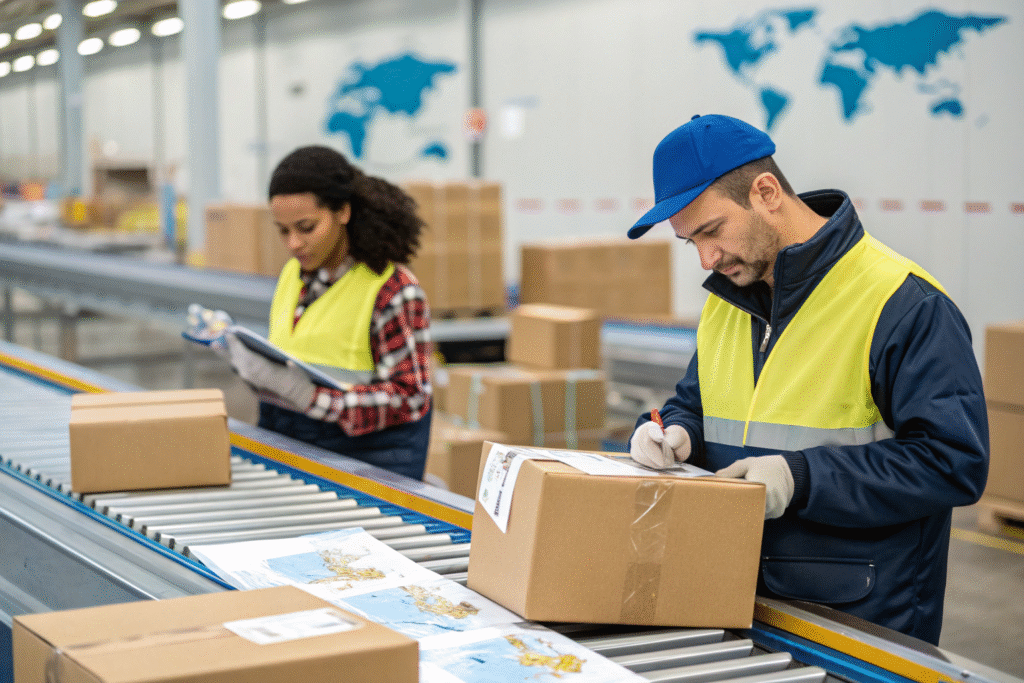
How Do Shipping Methods and Costs Compare?
International express services (DHL, FedEx, UPS) provide premium DTC shipping. These services typically deliver in 3-7 days with integrated customs clearance, but costs range from $25-$75 per package depending on size and weight, making them suitable mainly for higher-value items.
E-commerce-focused solutions offer more economical options. Services like AliExpress Standard Shipping, ePacket, and specialized e-commerce consolidators provide slower delivery (10-30 days) at lower costs ($2-$15 per package), but with less tracking visibility and customer service support.
Postal system options through China Post and USPS. While most economical for very small items ($1-$5), these services offer limited tracking, slower delivery (15-45 days), and higher loss rates, creating customer service challenges.
What About Customs Clearance for Individual Shipments?
De minimis threshold advantages for low-value shipments. The US $800 de minimis threshold allows most consumer shipments valued under $800 to clear customs with minimal formalities, though proper product description and valuation are still required.
Integrated customs clearance through express carriers. Major express carriers handle customs clearance as part of their service, though additional charges may apply for complex products or incomplete documentation.
What Compliance Requirements Must You Manage?
Direct-to-consumer international shipping introduces compliance responsibilities that differ from traditional bulk importing.

How Do Product-Specific Regulations Apply?
Consumer product safety standards apply regardless of shipment method. Products must comply with CPSC regulations, with specific requirements for children's products, electronics, furniture, and other categories, including proper testing and certification.
Labeling and warning requirements vary by product type. Textiles require fiber content labels, electronics need FCC compliance markings, and many products require specific warning labels in English, all of which must be on the product before shipment to US customers.
What About Import Documentation and Recordkeeping?
Commercial invoice requirements for each shipment. Every international package requires a commercial invoice describing contents, value, and harmonized system codes, with accuracy critical for customs clearance and de minimis eligibility.
Recordkeeping obligations for direct imports. As the importer of record, you must maintain documentation for direct shipments for five years, including product safety certificates, country of origin documentation, and import declarations.
What Customer Experience Challenges Should You Expect?
Managing customer expectations and service across international borders presents unique challenges.

How Do Delivery Times Affect Customer Satisfaction?
Realistic timeline setting prevents disappointment. Customers accustomed to Amazon-style 2-day delivery often become frustrated with international shipping times, requiring clear communication about expected delivery windows (typically 7-30 days) throughout the purchasing process.
Tracking and visibility limitations create service challenges. While express services provide good tracking, economy services often have limited tracking visibility, making it difficult to answer customer inquiries about package status.
What About Returns and Customer Service?
International returns complexity affects customer satisfaction. Returning products to China is expensive and complicated, forcing many businesses to either accept US returns (requiring domestic address) or offer refunds without returns, both impacting profitability.
Communication barriers with Chinese suppliers. When customers have product issues, communicating with Chinese manufacturers across language and time barriers creates service delays and customer frustration.
What Hybrid Approaches Balance Benefits and Challenges?
Few businesses ship exclusively directly from China—most successful implementations use hybrid strategies.

How Can You Segment Products for Different Fulfillment Methods?
High-value, low-volume products often work well for direct shipping. Items with sufficient margin to absorb international shipping costs and low enough volume to make domestic inventory impractical are ideal candidates for China direct shipping.
Commodity or high-volume products benefit from domestic fulfillment. Products with thin margins or high sales volume typically work better with traditional bulk importing and domestic warehousing due to economies of scale.
What About Testing New Products or Markets?
Market testing advantage without inventory commitment. Direct shipping allows testing new products or entering new markets without the financial risk of importing bulk inventory, providing valuable market data before scaling.
Seasonal or promotional items flexibility. For limited-time offers or seasonal products, direct shipping avoids leftover inventory while still serving customer demand.
What Financial Considerations Impact Viability?
The economics of direct China-to-customer shipping differ significantly from traditional importing.

How Do Costs Compare to Traditional Importing?
Per-unit shipping costs are significantly higher. While bulk container shipping might cost $1-$3 per unit for ocean freight, direct international shipping typically costs $5-$25 per package, requiring higher margins or customer willingness to pay shipping fees.
Hidden costs impact total economics. Customs clearance fees, currency exchange costs, payment processing fees for international transactions, and higher product costs from using trading companies instead of direct factories all affect profitability.
What About Cash Flow and Working Capital?
Reduced inventory investment improves cash flow. By shipping directly, you avoid tying up capital in inventory, though this benefit must be weighed against higher per-unit product and shipping costs.
Payment timing considerations affect financial planning. Customer payment occurs before you pay suppliers when using direct shipping, creating favorable cash flow compared to traditional importing where you pay suppliers months before receiving customer payment.
Conclusion
Shipping directly from China to your US customers is absolutely feasible and can provide significant advantages for specific business models, particularly for testing new markets, managing seasonal products, or selling higher-margin items. However, successful implementation requires sophisticated management of international logistics, regulatory compliance, customer expectations, and financial considerations that differ substantially from traditional importing.
At GeeseCargo, we've helped clients implement direct shipping strategies that typically achieve 85-95% on-time delivery rates and maintain customer satisfaction scores above 4.5/5.0 despite international logistics complexity. Our experience shows that businesses taking a strategic, segmented approach to direct shipping typically achieve the best results, using it for appropriate products and customer segments while maintaining domestic fulfillment for others. Remember that direct China-to-customer shipping works best as part of a diversified fulfillment strategy rather than an all-or-nothing approach—the flexibility to choose the right shipping method for each situation provides the greatest competitive advantage.