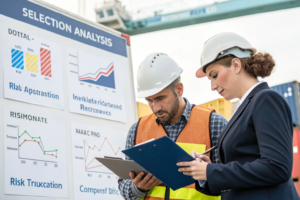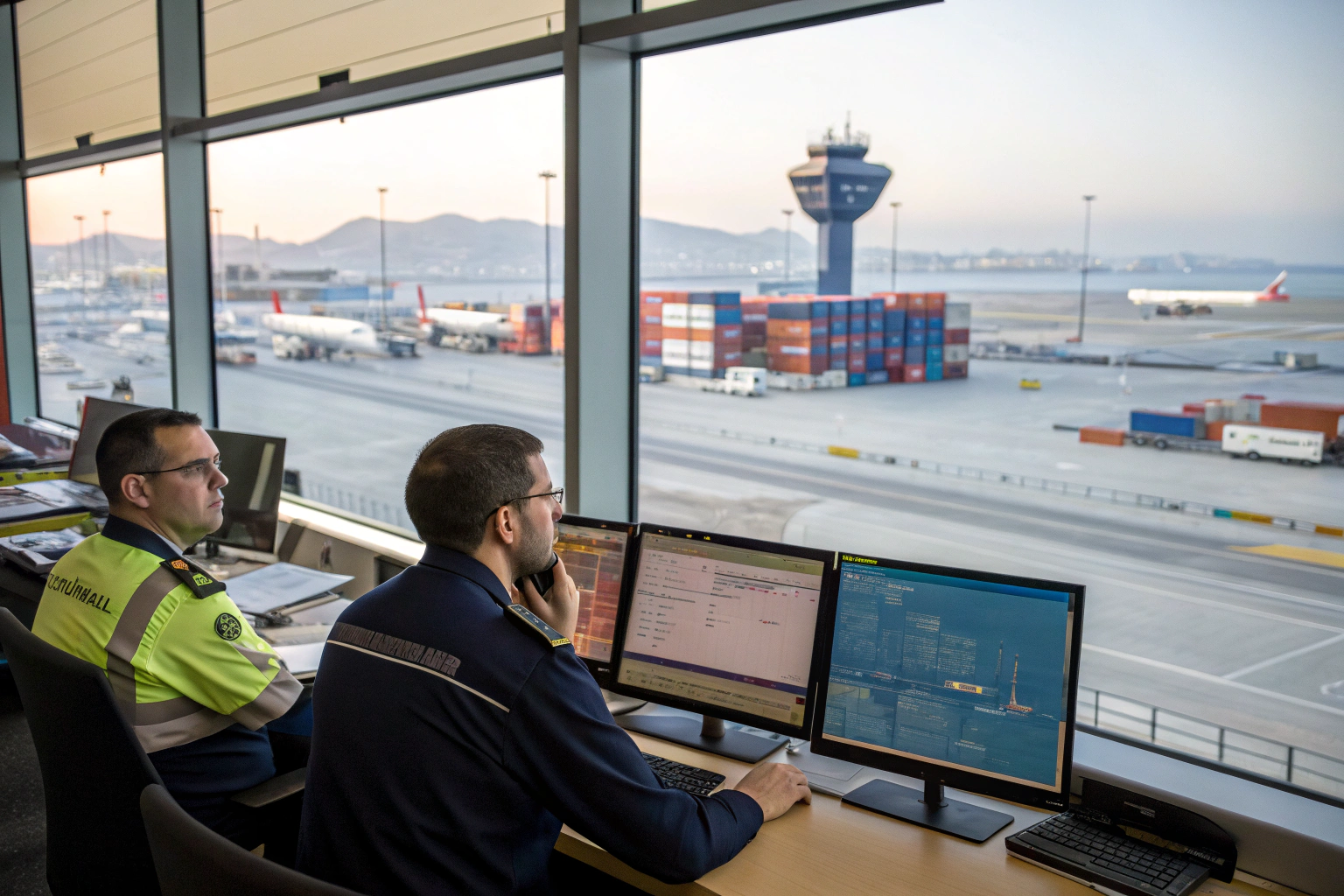
Tariff calculations are one of the most difficult parts of international shipping. Importers often struggle with HS codes, country-specific regulations, and frequently changing trade policies. For business owners like Ron in the U.S., who import clothing and accessories from China, inaccurate tariff calculations can lead to unexpected costs, delays, or even penalties.
The good news is that freight forwarders simplify tariff calculations. With their expertise, technology, and customs relationships, they ensure duties are calculated correctly, reducing both costs and risks.
In this article, I will explain how freight forwarders make tariff calculations easier and why their role is essential for international trade.
Why Are Tariff Calculations Complicated?
Tariff calculations are rarely straightforward.
The complications come from HS code classification, changing duty rates, and special trade agreements.
Why Are HS Codes So Important?
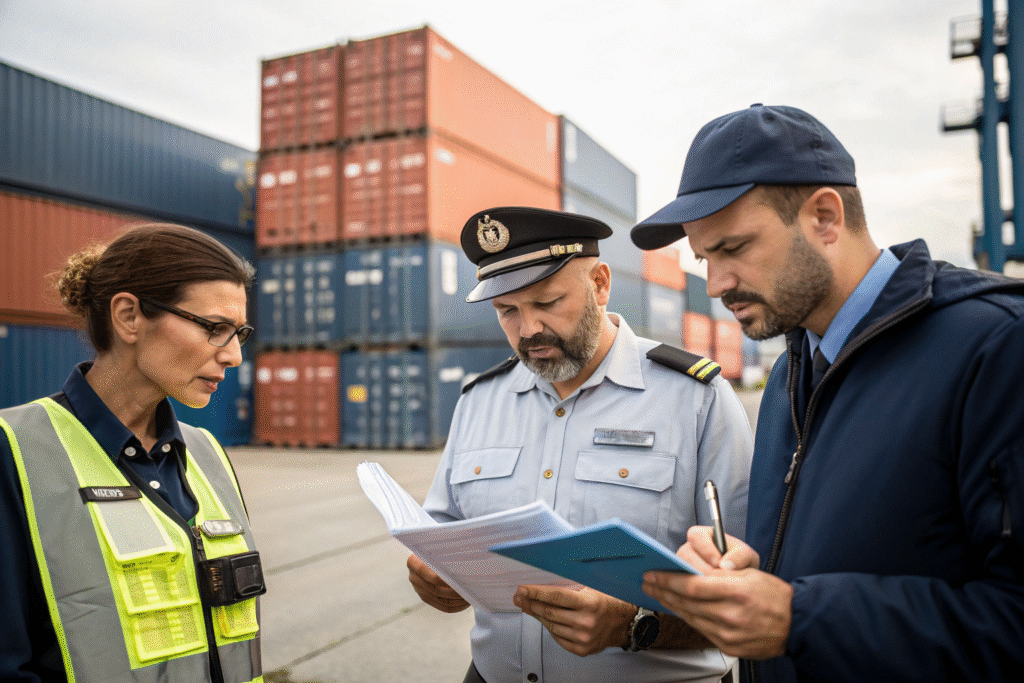
The Harmonized System (HS) is the global standard for classifying goods. Misclassification can lead to higher duties or shipment delays.
Freight forwarders verify HS codes to make sure goods are classified correctly, preventing unnecessary costs.
How Do Changing Policies Affect Tariffs?
Trade rules change frequently due to tariffs, sanctions, or free trade agreements. The U.S. International Trade Commission publishes updates that directly impact import costs.
Forwarders monitor these changes and adjust calculations for clients.
How Do Freight Forwarders Simplify Tariff Calculations?
Freight forwarders simplify tariffs by combining technology, compliance knowledge, and customs coordination.
They provide accurate cost breakdowns, prevent errors, and reduce clearance delays.
How Do Forwarders Provide Accurate Duty Calculations?
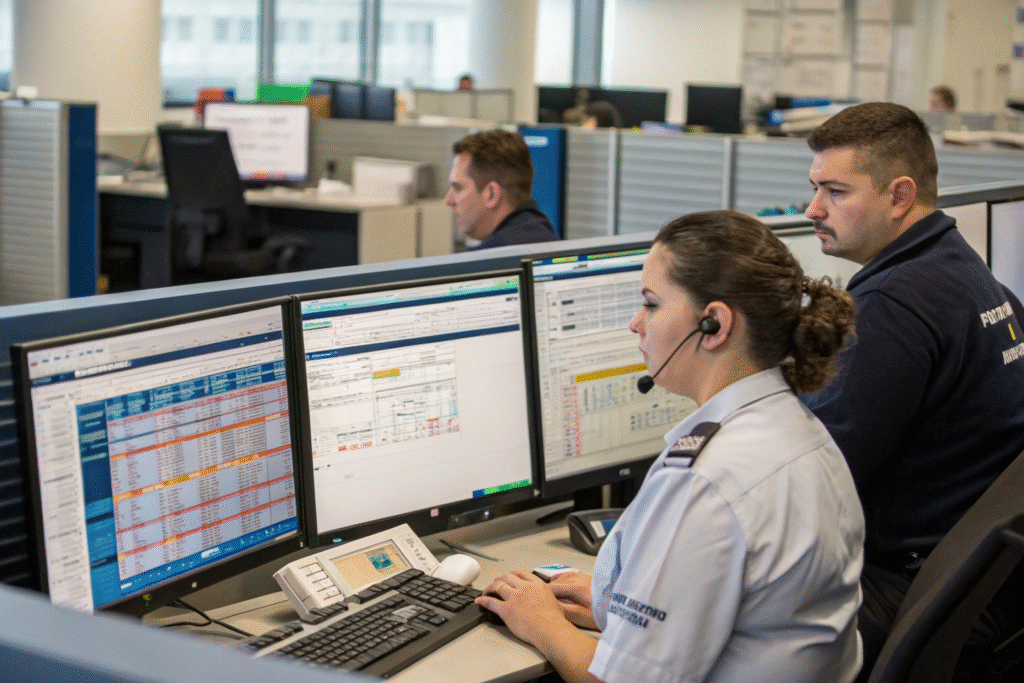
Forwarders use databases like Descartes Customs Info to calculate duties precisely.
This ensures importers like Ron know the exact costs before shipping.
Why Is Compliance Critical?
According to U.S. Customs and Border Protection, incomplete or incorrect tariff filings are one of the top reasons for customs delays.
Forwarders prepare and file all necessary tariff documents accurately, ensuring smooth clearance.
What Strategies Reduce Tariff Costs?
Beyond calculation, forwarders also help businesses minimize tariff costs.
They apply free trade agreements, tariff engineering, and customs consulting.
How Do Free Trade Agreements Lower Duties?
Free Trade Agreements (FTAs) reduce or eliminate tariffs on qualifying goods. The USMCA is one example that benefits North American trade.
Forwarders verify eligibility and prepare certificates of origin to ensure businesses can claim tariff reductions.
Why Is Tariff Engineering a Useful Strategy?
Tariff engineering modifies shipments or packaging to qualify for lower duty rates. The World Trade Organization (WTO) confirms this is a legal and effective cost-saving strategy.
Experienced freight forwarders guide businesses through tariff engineering without violating compliance rules.
Why Are Freight Forwarders Essential for Tariff Management?
Tariff management requires both precision and expertise.
Freight forwarders simplify tariff calculations while protecting businesses from costly errors.
How Do Forwarders Protect Importers from Unexpected Costs?
By providing upfront calculations and monitoring changes, forwarders prevent financial surprises. Reports from Freightos emphasize the role of forwarders in creating cost predictability.
This allows businesses to budget more confidently.
Why Does Experience Provide Stronger Results?
Experienced forwarders understand tariff systems in multiple regions. At GeeseCargo, our years of managing shipments across Asia, Europe, and America give us the expertise to handle complex tariff cases.
That’s why many importers trust us as their reliable freight forwarding partner for tariff management.
Conclusion
Tariff calculations are complex, but with the right partner, they become simple and predictable. Freight forwarders prevent errors, provide accurate duty estimates, and apply strategies to reduce tariff costs.
For importers shipping from China to the U.S., forwarders like GeeseCargo ensure compliance, efficiency, and financial transparency.
Freight forwarders don’t just move goods—they simplify the numbers that drive global trade.