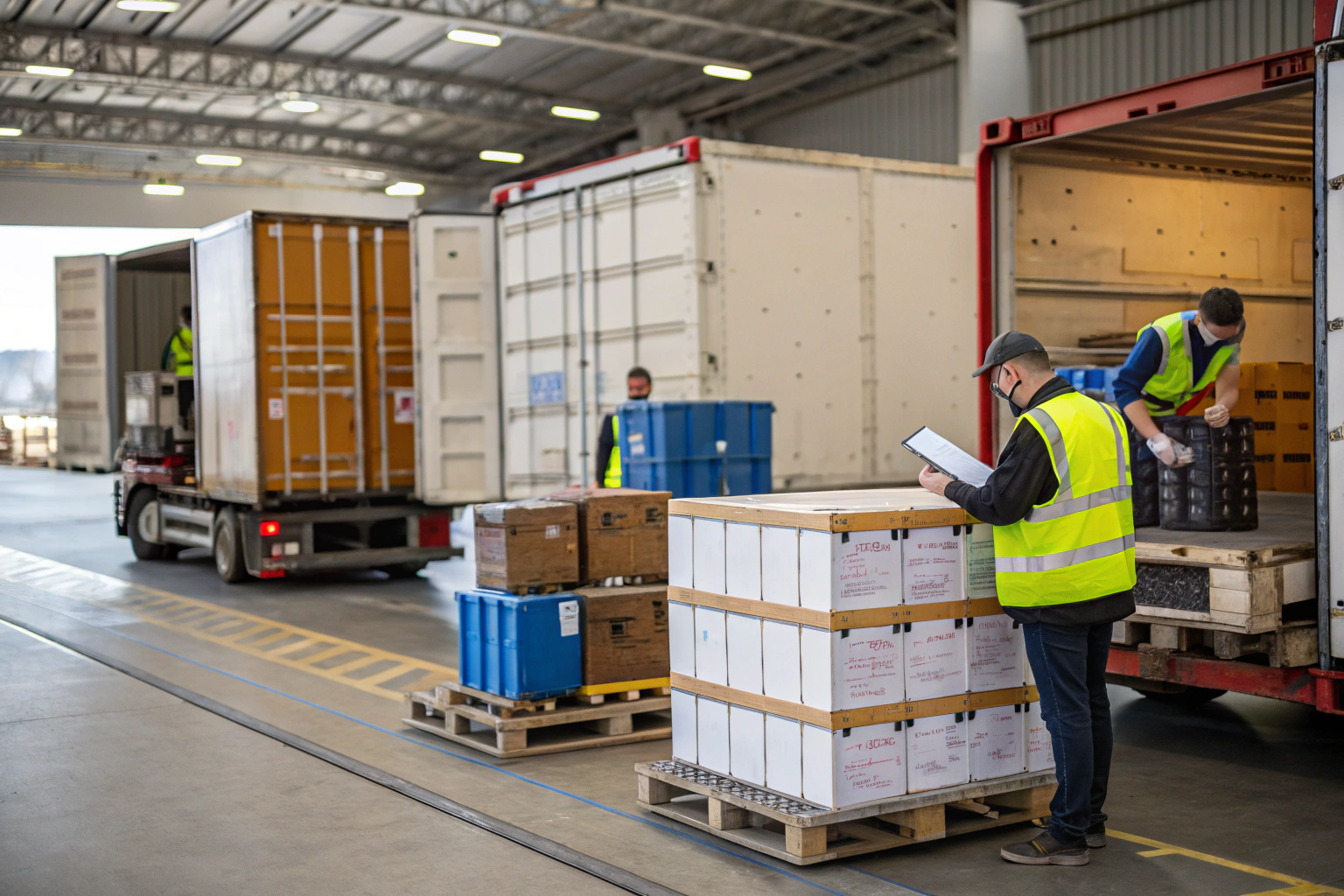
For companies engaged in global trade, international shipping is often far from simple. Fluctuating rates, complex paperwork, and unexpected delays frequently add pressure to daily operations. Many business owners raise the same question: can freight forwarders really make these challenges easier to manage?
The answer is yes. Freight forwarders reduce complexity by handling documentation, selecting optimal transport modes, managing customs clearance, and providing immediate solutions when disruptions occur. With extensive industry knowledge and a strong worldwide network, they convert unpredictable logistics into a process that is more controlled and dependable.
This article discusses how forwarders simplify trade operations, from compliance to tailored planning and contingency support, and explains why they are valuable partners for importers and exporters.
Why Are Freight Challenges So Complicated?
Global logistics involves multiple parties such as suppliers, carriers, customs agencies, and warehouses. Each stakeholder follows its own regulations, documentation, and schedules. For firms lacking expertise, coordinating all of these elements becomes extremely difficult.
The main sources of complexity include strict regulations, volatile pricing, and sudden disruptions at ports or within supply chains. Without professional support, importers often face higher costs and longer delays.
Freight forwarders take over these responsibilities, coordinating each step so that businesses can concentrate on their primary operations.
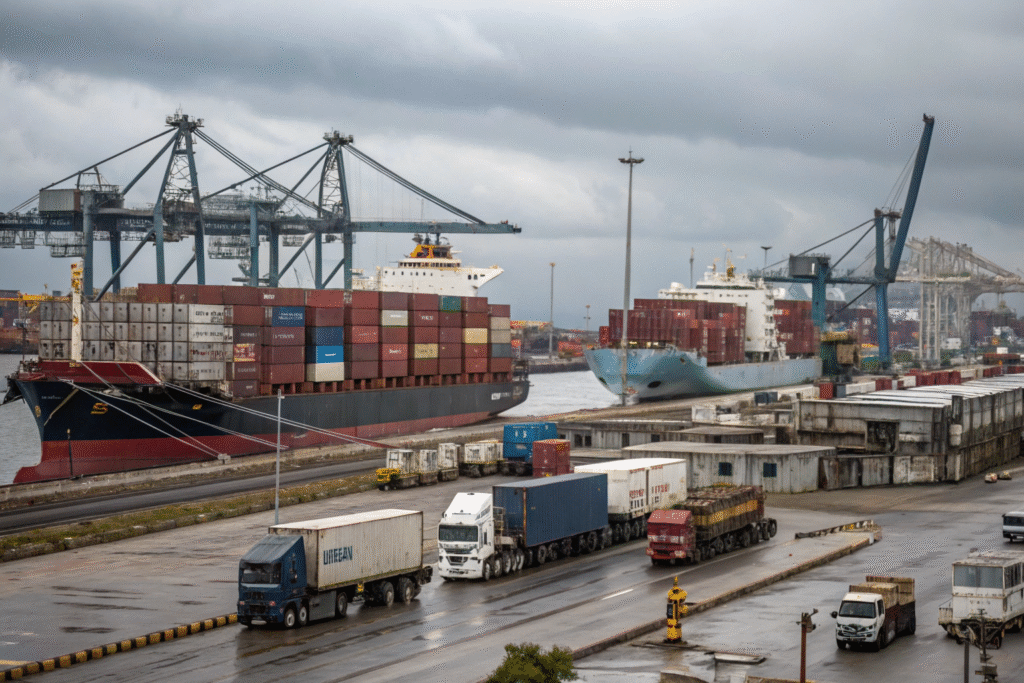
What Makes Freight Documentation Difficult?
International transport requires numerous documents, including bills of lading, packing lists, and certificates of origin. Any error or omission can lead to extended customs delays.
Forwarders cooperate with institutions such as U.S. Customs and Border Protection and European Commission Trade to guarantee accuracy and compliance, reducing risks of fines or penalties.
How Do Changing Freight Rates Add Complexity?
Shipping costs fluctuate regularly due to fuel prices, capacity shortages, and global events. This volatility makes financial planning more difficult for many firms.
Forwarders negotiate with major carriers like Maersk and CMA CGM to obtain stable agreements, helping clients control expenses and avoid unpredictable rate spikes.
How Do Forwarders Solve Customs and Compliance Issues?
Customs clearance is a major bottleneck in cross-border trade. Rules vary across countries, and even minor mistakes may result in penalties or long delays.
Forwarders provide customs brokerage, tariff classification, and compliance consulting, serving as the intermediary between companies and government authorities.
This professional support enables firms to move shipments through borders more smoothly.

How Do Forwarders Manage Tariffs and Duties?
Calculating tariffs is often difficult for importers. Different product categories, free trade agreements, and local policies complicate the process.
Forwarders use references from the World Customs Organization to ensure goods are classified correctly, helping clients avoid unnecessary overpayment.
Why Is Customs Brokerage Valuable?
Customs brokers handle key clearance procedures. They prepare forms, negotiate duty payments, and confirm that cargo complies with all requirements.
Specialized firms like Expeditors and Livingston International have extensive experience in this field, allowing businesses to accelerate border crossings.
How Do Forwarders Manage Disruptions in Supply Chains?
Supply chains are vulnerable to strikes, severe weather, or congestion at major ports. These problems can easily halt shipments if not addressed promptly.
Freight forwarders manage such risks by switching carriers, rerouting shipments, and keeping clients updated in real time. Their global network makes quick responses possible.
This adaptability ensures that goods continue moving even when external challenges arise.
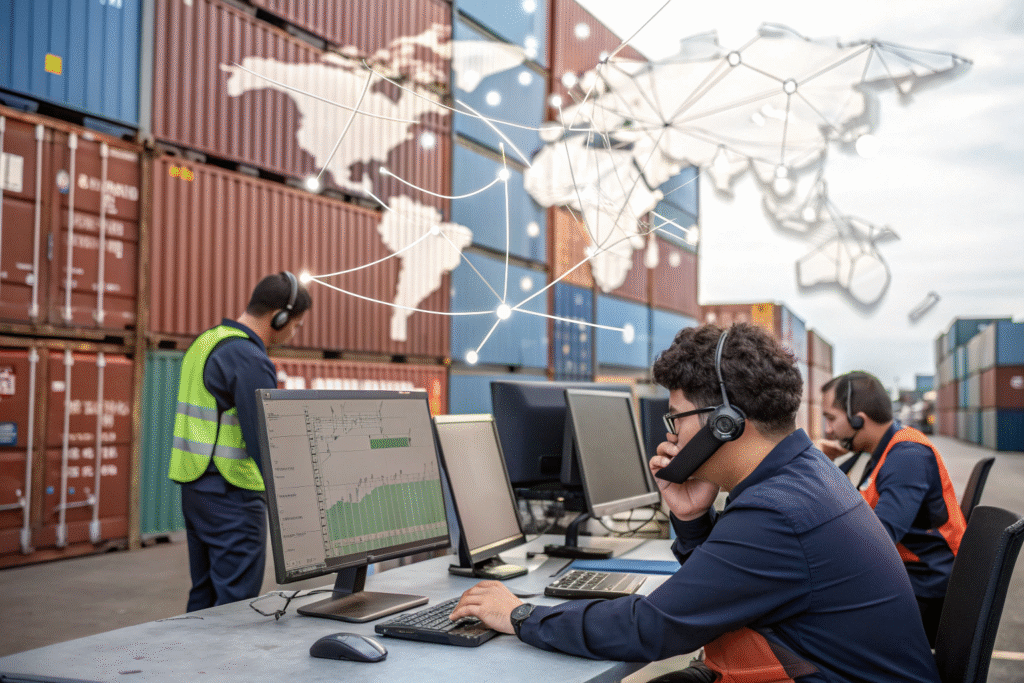
How Do Forwarders Respond to Port Congestion?
When ports are overcrowded, containers can be delayed for days. Forwarders often redirect shipments to alternative ports or arrange inland transport via trucks or rail.
By collaborating with global players like DP World and Hapag-Lloyd, they keep goods in motion during disruptions.
Can Forwarders Prevent Delays From Becoming Critical?
Yes. Forwarders rely on tracking platforms to detect issues early, notify clients, and recommend alternate routes.
Solutions like FourKites provide full visibility of shipments, reducing the risk of unexpected hold-ups.
How Do Forwarders Provide Tailored Freight Solutions?
Every company has unique shipping requirements. A single model rarely suits all cases in international logistics.
Forwarders design customized shipping plans based on cargo type, budget, and delivery timelines, making global trade more reliable.
From garments to heavy machinery, solutions vary according to the industry.
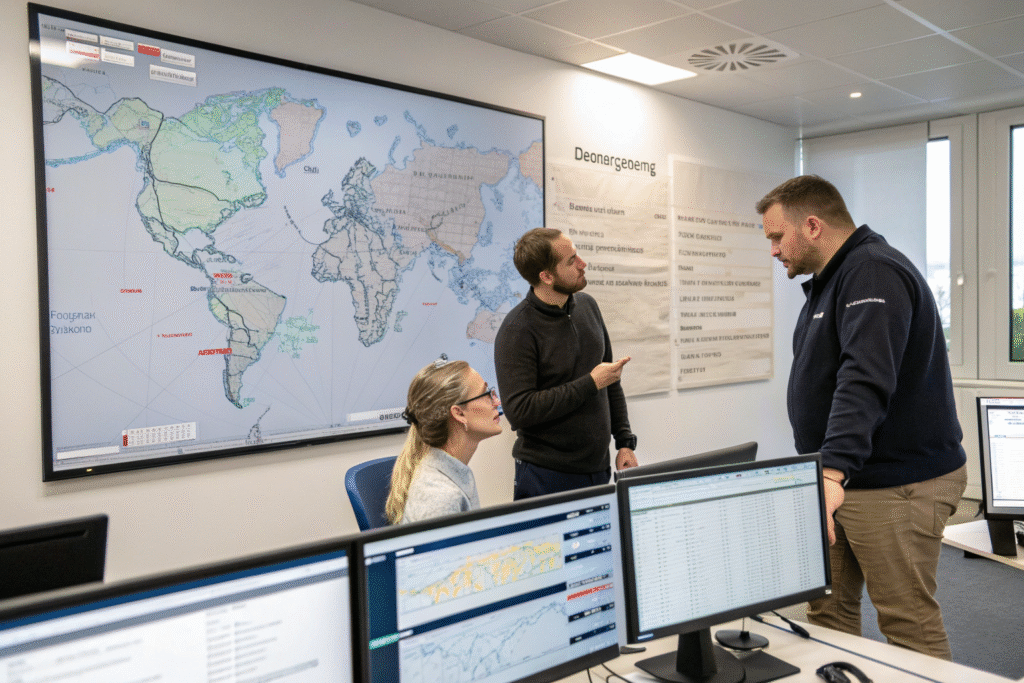
How Do Forwarders Customize for Different Cargo Types?
Fragile cargo may require air transport, while bulk shipments are more suitable for ocean or rail. Forwarders analyze each case and suggest the best option.
Partnerships with DHL and Kuehne+Nagel give forwarders the ability to provide clients with multiple choices.
Why Does Personal Support Matter in Freight Forwarding?
Even with digital technology, personalized consultation remains important. Companies often need direct answers about compliance, pricing, or delivery schedules.
Forwarders provide one-on-one support to help clients avoid costly mistakes, strengthening trust and ensuring long-term cooperation.
Conclusion
Freight forwarders simplify international logistics by managing documents, ensuring compliance, resolving disruptions, and creating tailored shipping strategies. They take on the most challenging parts of transportation, allowing businesses to focus on growth.
Working with an experienced forwarder means fewer delays, more predictable costs, and reduced stress. In today’s complex trade environment, forwarders are essential partners that transform difficulties into manageable processes.