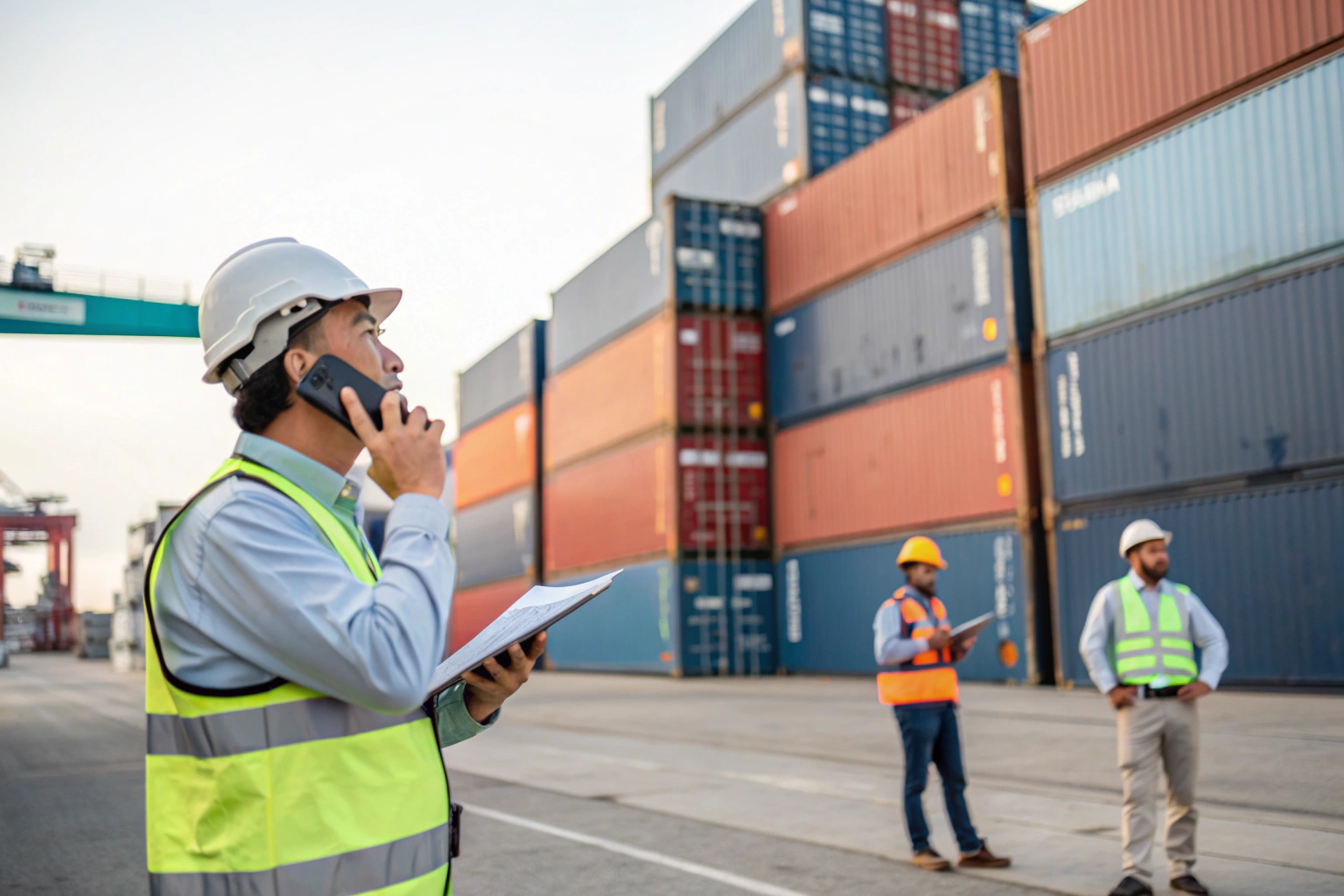
For many enterprises involved in international trade, storage fees at ports often emerge as a hidden yet substantial burden. When containers remain uncollected—whether due to clearance delays, errors in paperwork, or weak coordination—demurrage and detention charges can quickly accumulate. This leads to a practical concern: are freight forwarders able to help companies control and reduce these costs?
The answer is affirmative. Forwarders contribute significantly to lowering port storage charges by streamlining customs procedures, ensuring accurate documentation, liaising with carriers, and organizing prompt cargo pickup. Their expertise allows businesses to avoid unnecessary fees while maintaining efficient logistics operations.
This article explores how forwarders reduce port storage costs, covering their role in preventing clearance delays, arranging timely collection, and negotiating directly with carriers—explaining why they are indispensable in modern trade.
Why Do Port Storage Charges Frequently Occur?
Charges at ports arise when goods remain beyond the complimentary storage period set by carriers. Factors such as prolonged clearance, incomplete or incorrect paperwork, and poor communication among stakeholders are typical triggers.
By managing clearance, validating required forms, and coordinating transport, freight forwarders greatly reduce the likelihood of these expenses.
Firms without professional assistance often face sudden financial losses and disrupted operations.
How Do Delays Increase Charges?
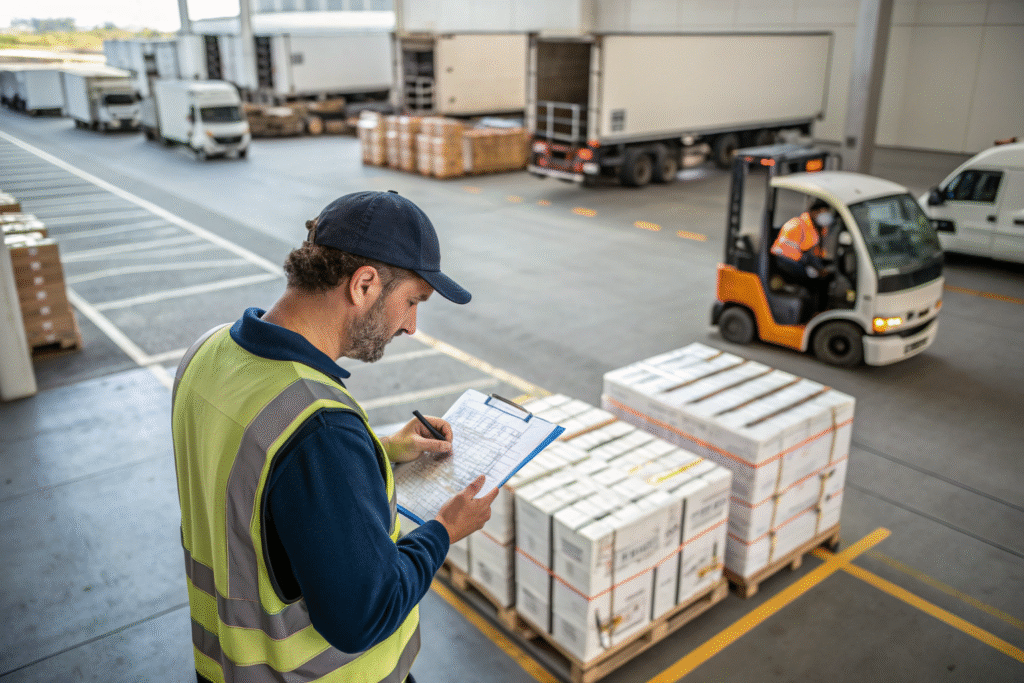
When clearance processes extend longer than expected, containers remain in port facilities and fees accumulate daily. Such costs escalate quickly, particularly if documentation errors or inspection delays occur.
Authorities like U.S. Customs and Border Protection emphasize that precise and timely paperwork is critical to preventing expensive delays at terminals.
Why Is Document Accuracy Critical?
Missing or incorrect documents can stop cargo from being released, forcing companies to pay additional storage charges.
Forwarders ensure documents—such as bills of lading or packing lists—are completed properly and meet requirements set by groups like the World Customs Organization.
How Do Forwarders Accelerate Customs Clearance?
Clearance is among the most common reasons for storage-related costs. Freight forwarders help companies avoid delays by managing this process efficiently.
They collaborate with licensed brokers, classify products correctly, and prepare filings in advance, ensuring goods move swiftly through terminals.
Through this expertise, companies sidestep common mistakes that usually result in longer storage periods.

How Do Brokers Reduce Errors?
Customs brokers represent importers, handling inspections and tariff calculations. Their knowledge ensures that paperwork mistakes do not result in penalties or extended port storage.
Firms such as Expeditors are known for professional brokerage services that minimize clearance times.
Can Early Filings Prevent Delays?
Yes. Many forwarders now submit documentation before cargo arrives, allowing authorities to pre-approve shipments.
Solutions like CargoSmart support digital submissions, enabling faster clearance and fewer storage charges.
How Do Forwarders Arrange Timely Cargo Pickup?
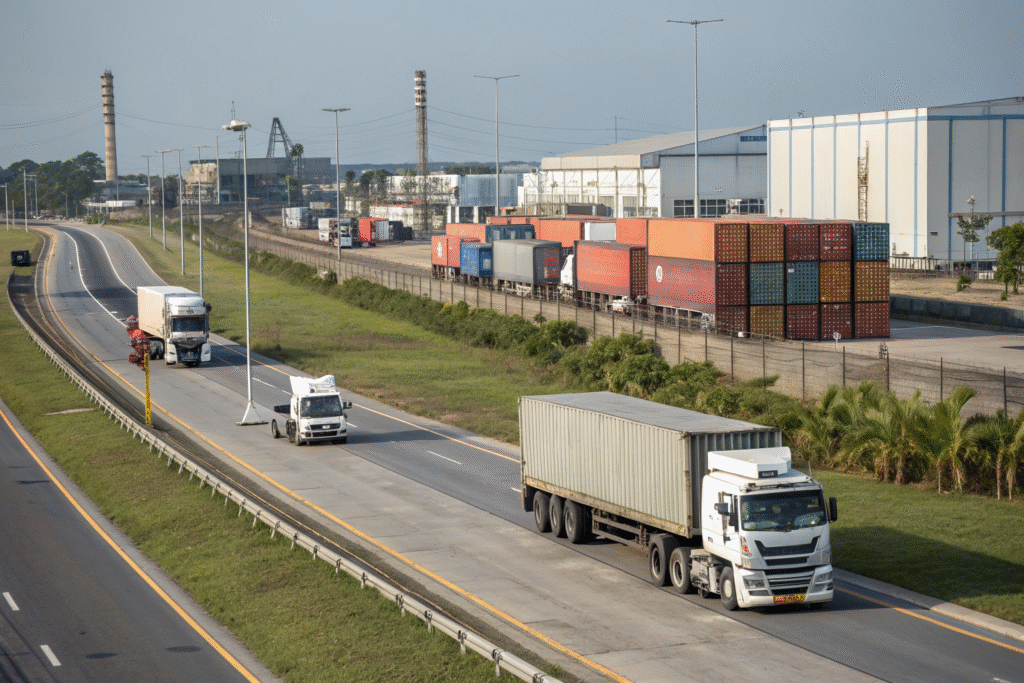
Even after customs approval, charges may still accumulate if containers are not collected quickly. Forwarders ensure inland transport—whether trucks, rail, or warehouses—is ready to receive cargo as soon as it is released.
By securing inland transport in advance, they cut waiting times and reduce the risk of unnecessary port fees.
This proactive approach strengthens supply chain efficiency.
Why Is Transport Planning Vital?
When planning is absent, containers remain at ports while companies scramble for trucks or storage space, which creates extra costs.
Forwarders work with global partners such as Kuehne+Nagel to align inland transport with clearance schedules.
How Do Forwarders Address Seasonal Congestion?
During high-demand seasons, trucking shortages often cause serious delays. Forwarders leverage their networks to secure capacity and prioritize collection.
Platforms like Project44 provide real-time visibility that helps manage congestion effectively.
Can Forwarders Negotiate Reduced Fees With Carriers?
Yes. Experienced forwarders frequently negotiate with shipping lines to lower demurrage and detention rates. Their long-standing partnerships allow them to secure better terms for clients.
Negotiated agreements can extend free storage periods or reduce penalty rates, directly cutting costs for businesses.
These advantages are particularly important for companies that move large volumes regularly.

How Do Industry Relationships Benefit Clients?
Forwarders maintain established relationships with carriers and port operators. These networks provide them with leverage to request more flexible arrangements when delays are unavoidable.
Companies such as Hapag-Lloyd acknowledge that cooperation with forwarders often eases port cost pressures.
Why Do High-Volume Shippers Gain More?
Shippers with frequent cargo movements often benefit most from forwarder negotiations, as carriers are more willing to grant discounts or extended terms to large-scale clients.
Logistics leaders such as DHL use their scale and connections to deliver reduced costs to customers.
Conclusion
Freight forwarders are crucial partners in minimizing port storage charges. They streamline customs procedures, check documentation carefully, plan inland transportation, and negotiate directly with carriers to lower costs.
By working with experienced forwarders, companies avoid unnecessary penalties, enhance operational efficiency, and maintain more reliable supply chains.
In a highly competitive trade environment, employing a capable freight forwarder is not only about moving goods—it is also a strategy to manage costs and protect profitability.