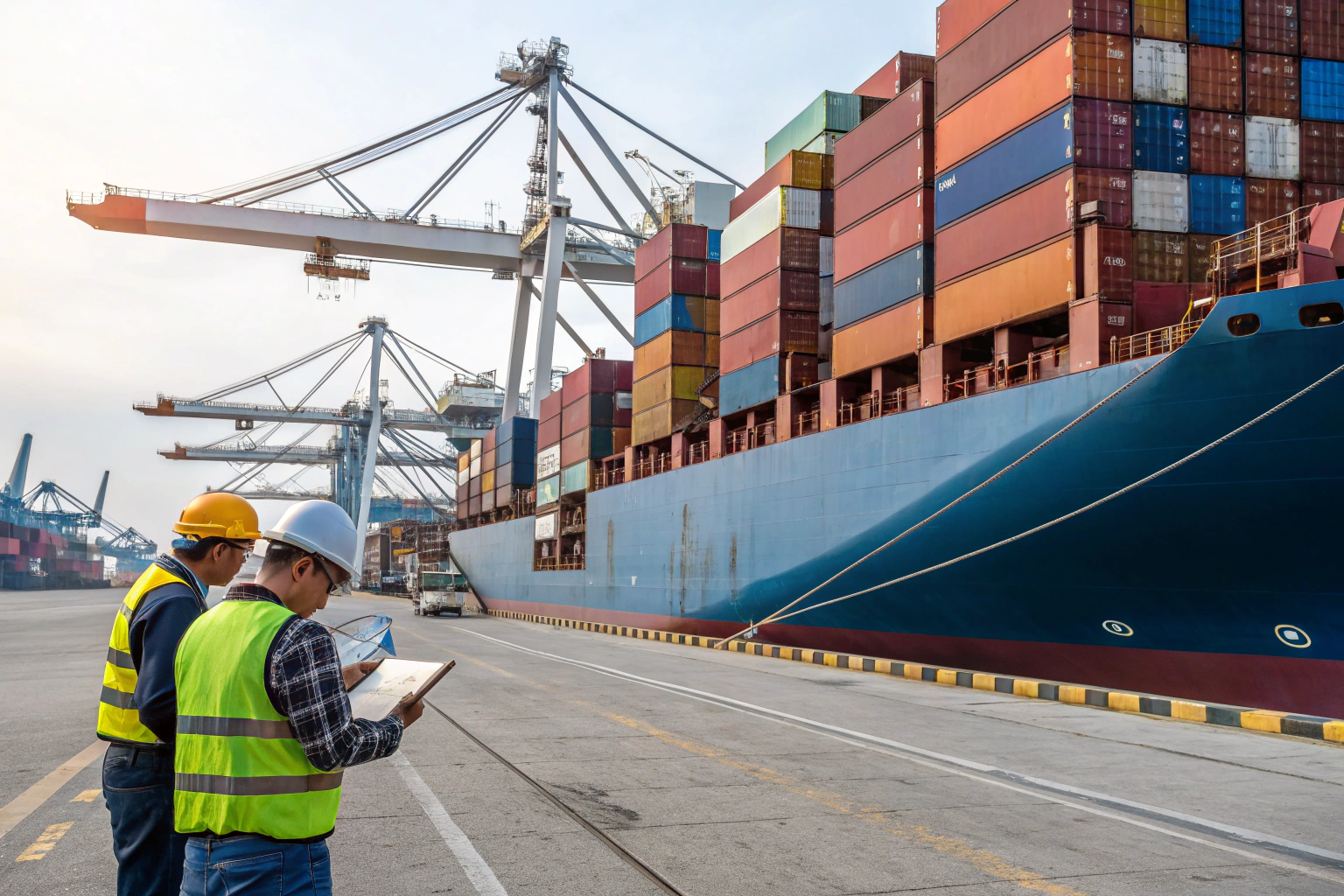
When you run an import business, delays in logistics can cause real financial pain. For U.S. importers like Ron, a 44-year-old business owner sourcing clothing and accessories from China, waiting even one week longer than planned can lead to missed sales opportunities and empty warehouse shelves. The question every buyer asks is simple: Can freight forwarders provide accurate freight timelines?
Yes, freight forwarders can provide accurate freight timelines when they rely on advanced tracking tools, strong port networks, and proactive customs management. Still, disruptions like port congestion or weather remain unavoidable risks.
At GeeseCargo, I have worked with clients across Europe and America for years. From Shanghai to Los Angeles, we know the difference between a 28-day and a 35-day sailing can change profit margins. That is why we rely on both technology and relationships with port officials to minimize uncertainty.
Why Are Freight Timelines So Important?
Freight timelines are not abstract numbers. They decide whether products reach shelves before a shopping season begins. A missed date can mean losing competitive ground, especially in fast-moving industries like fashion.
Freight timelines are critical because they impact inventory planning, retail launches, and customer satisfaction. For an importer, knowing when containers will arrive helps control cash flow and avoid penalties.

Why Do Delays Hurt Businesses?
Delays directly affect sales. In Q2 2025, Logistics Management reported that every extra day of port storage can cost U.S. importers between $150 and $250 per container. When a supply chain disruption occurs, stores cannot restock in time, and buyers turn to competitors. For seasonal goods like Christmas clothing, a two-week delay can make the products worthless.
How Do Timelines Affect Cash Flow?
Cash flow depends on predictable deliveries. Importers usually pay factories before goods leave China. If freight arrives late, the money stays tied up without generating revenue. Trade Finance Global notes that delays of 10 days or more often push businesses to borrow short-term funds, increasing operational costs. Reliable schedules reduce this financial burden.
What Factors Influence Shipping Timelines?
Accurate freight timelines depend on many elements. Even with strong planning, disruptions can occur at multiple points in the chain.
The main factors that affect shipping timelines include port congestion, customs clearance, vessel schedules, weather conditions, and carrier performance. A professional forwarder must manage all of these variables.
How Do Port Conditions Impact Schedules?
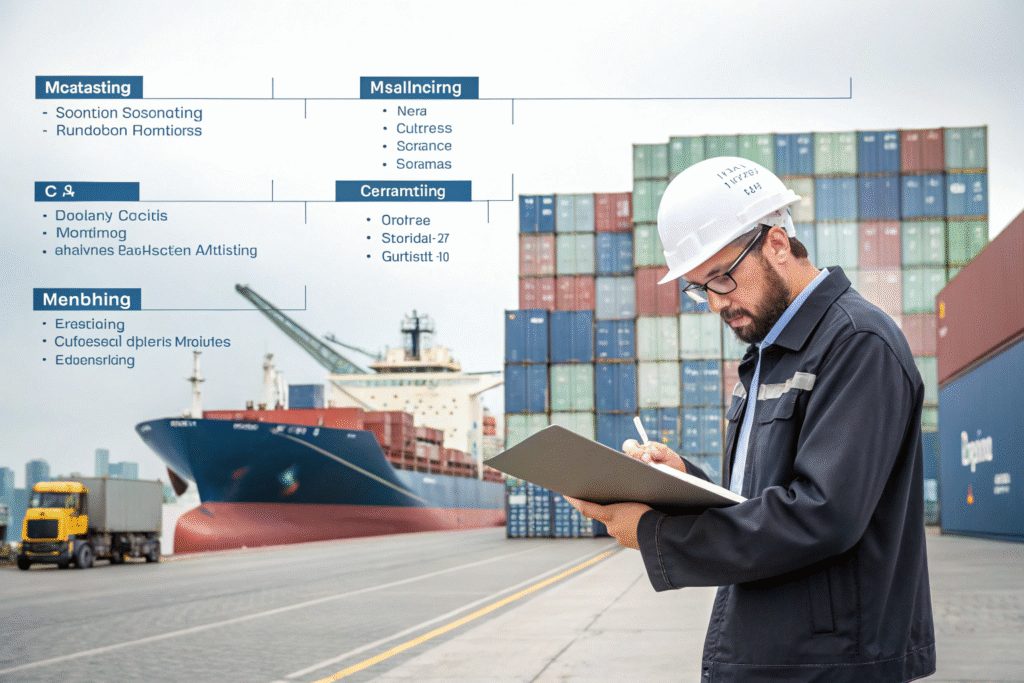
Port congestion remains one of the largest risks. In June 2025, Port Technology reported that ships at Los Angeles and Long Beach faced an average wait of 4.7 days due to labor shortages. Forwarders with direct contacts at ports can secure faster berthing or reroute shipments to Oakland or Seattle to save days.
Can Customs Clearance Delay Shipments?
Yes, customs clearance is another major bottleneck. According to U.S. Customs and Border Protection, missing HS codes or incomplete invoices can delay clearance by 3–5 business days. Experienced forwarders file documents electronically and pre-alert customs to avoid these setbacks. This preparation saves importers significant time and cost.
Can Technology Improve Freight Timeline Accuracy?
Technology is reshaping freight forwarding. Instead of waiting for updates from carriers, importers can now track shipments in real time.
Technology improves accuracy by using real-time tracking, predictive analytics, and digital communication tools. These systems reduce uncertainty and allow forwarders to alert clients early about potential delays.
How Does Real-Time Tracking Help?
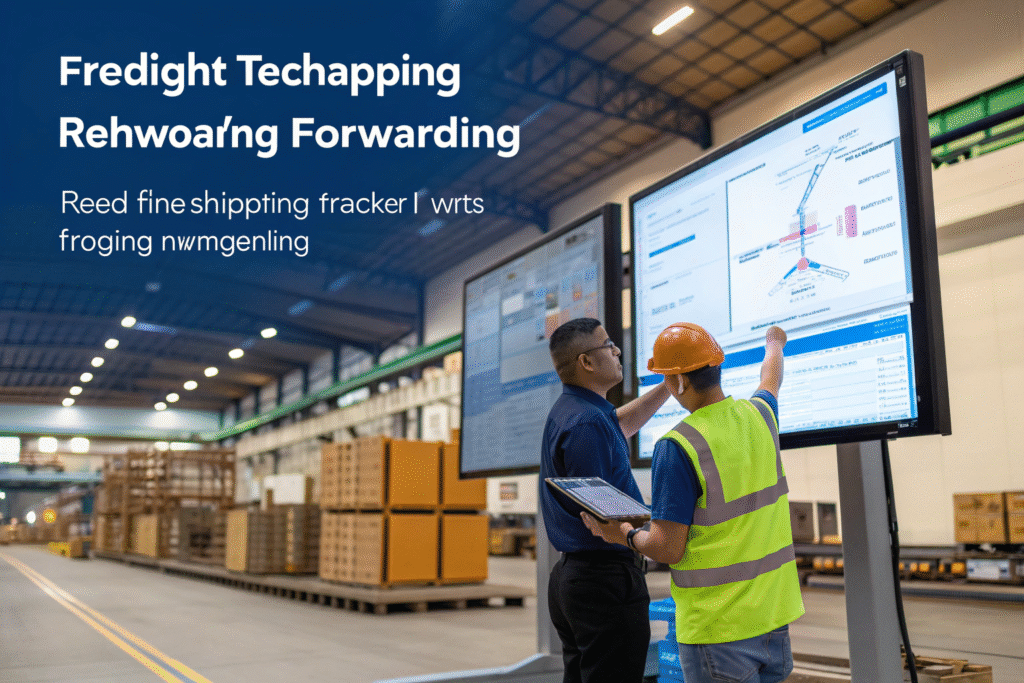
Platforms like MarineTraffic and FlightAware provide real-time location updates for vessels and flights. In July 2025, industry data showed that 70% of freight vehicles worldwide were equipped with GPS and IoT trackers. This transparency lets clients check their cargo status without waiting for emails, creating higher trust.
What Role Does Data Analytics Play?
Predictive analytics use past records to forecast delays. For example, DHL Insights explained in August 2025 that storm season causes an average 18% delay on trans-Pacific routes. With AI-based tools, forwarders can reroute or warn clients in advance. This proactive approach changes freight planning from reactive to predictive.
How Can Importers Ensure Reliable Timelines?
Importers themselves play a role in ensuring accurate timelines. Planning and preparation are as important as the forwarder’s ability.
Importers can improve reliability by booking space early, preparing complete documents, and working with forwarders who have strong global networks. These steps reduce exposure to risks like rolled cargo or customs delays.

Should Importers Book Cargo in Advance?
Yes, especially before peak seasons. Freightos reported that in July 2025, rolled cargo rates for late bookings exceeded 22% on Asia–U.S. routes. Booking two to three weeks ahead secures space and often guarantees better freight rates. This is critical for high-demand shipping months like September and October.
How Important Is Choosing the Right Forwarder?
Choosing the right partner is essential. According to Journal of Commerce, forwarders with strong port connections reduced transit time variability by up to 30% in Q2 2025. Importers who commit to a reliable forwarder see more stable ETAs than those switching providers frequently. Long-term partnerships increase predictability and reduce risk.
Conclusion
Freight forwarders can provide accurate freight timelines, but accuracy depends on preparation, technology, and trust. Recent Q2 2025 data prove that congestion, customs, and late bookings remain key risks. At GeeseCargo, we combine direct port contacts, electronic documentation, and real-time tracking to keep accuracy above industry averages. Importers who book early, prepare documents, and choose reliable forwarders see smoother supply chains. In international trade, accurate freight timelines are not a promise—they are the foundation of profitability and trust.