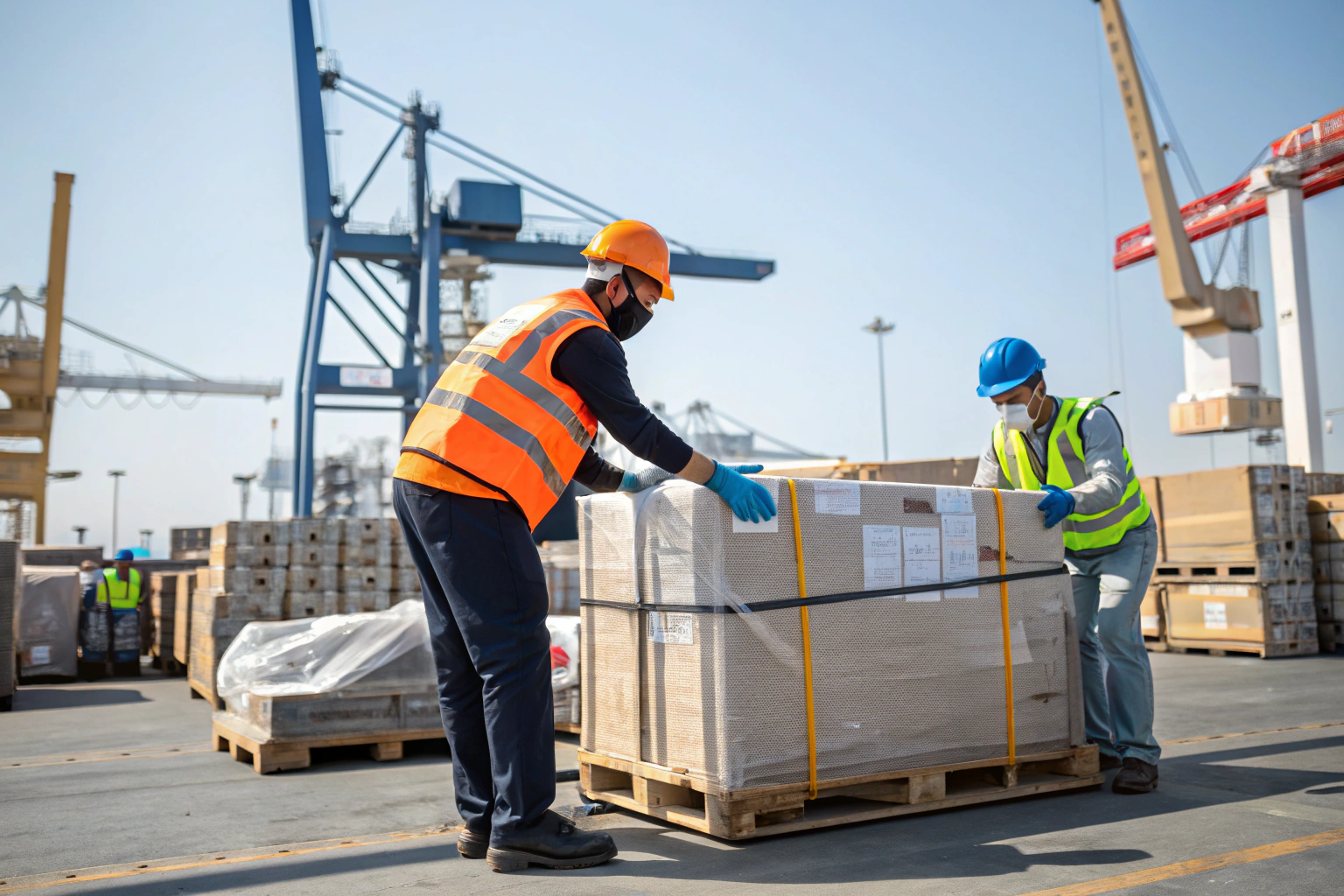
Every importer and exporter worries about one thing: transit damage. When goods travel thousands of miles across oceans, skies, or roads, the risk of damage is always present. Clothing, accessories, and fragile products can lose value instantly if mishandled. As a freight forwarder, I know that preventing transit damage is not just about using strong packaging—it is about smart planning and professional handling.
The truth is, freight forwarders play a key role in reducing the risk of transit damage. From choosing reliable carriers to ensuring proper cargo insurance, we protect goods at every stage of the journey.
If you are like Ron, a business owner importing large shipments from China to the U.S., you need to know how freight forwarders safeguard cargo. Let’s explore the main causes of damage, prevention methods, and why professional forwarding support makes a difference.
What Are the Common Causes of Transit Damage?
Transit damage does not happen by chance. It usually results from poor handling, weak packaging, or environmental conditions. Identifying these causes is the first step in prevention.
The main causes include mishandling during loading and unloading, insufficient packaging, moisture exposure, and long transit times. Without proper control, these risks increase significantly.
Why Does Mishandling Cause Most Cargo Damage?
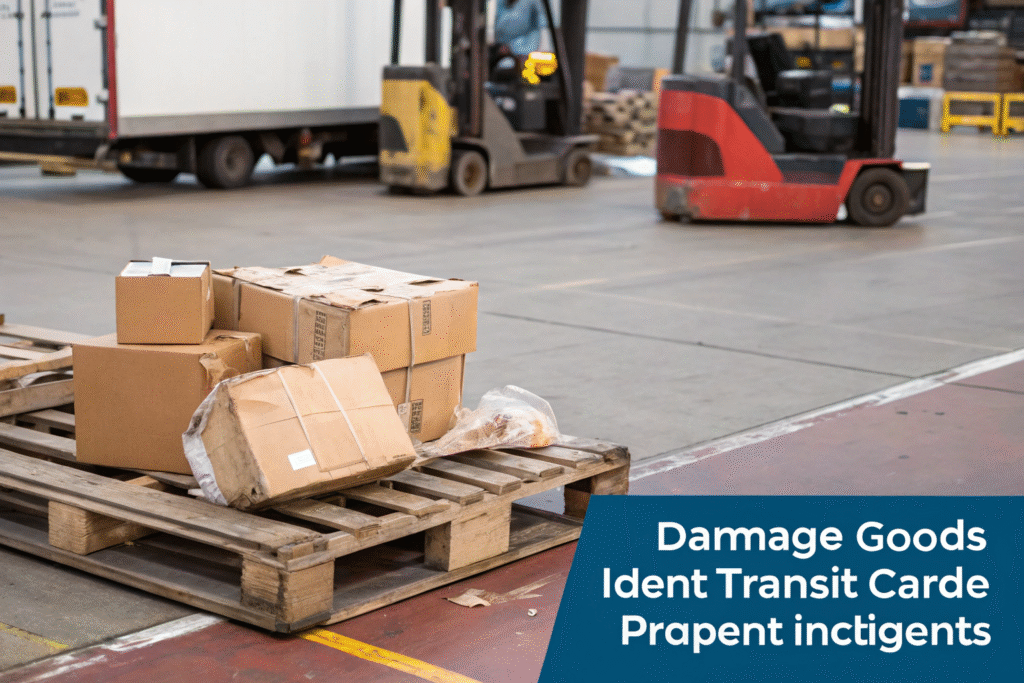
One of the leading causes of transit damage is human error. Improper use of forklifts, rough loading of containers, or stacking goods incorrectly can damage even sturdy products. According to World Shipping Council, mishandling accounts for a large percentage of cargo losses each year.
Freight forwarders minimize this risk by working with trained logistics partners and supervising critical handling points. When we manage shipments, we ensure carriers follow strict loading and unloading protocols.
How Does Packaging Contribute to Cargo Loss?
Weak or improper packaging is another major risk. For example, if garments are packed in cartons without proper waterproof lining, they may arrive damp. Similarly, fragile items need shock-absorbing materials.
International standards such as International Safe Transit Association (ISTA) provide guidelines for protective packaging. Freight forwarders advise shippers on compliance with these standards, reducing the chance of damage during long journeys.
How Do Freight Forwarders Reduce the Risk of Damage?
Freight forwarders use planning, technology, and global experience to protect cargo. We understand that every shipment is different, so our strategies adapt to product type and transit route.
The best practices include secure packaging, route optimization, and cargo monitoring. These steps minimize exposure to risks throughout the supply chain.
How Does Route Optimization Prevent Damage?
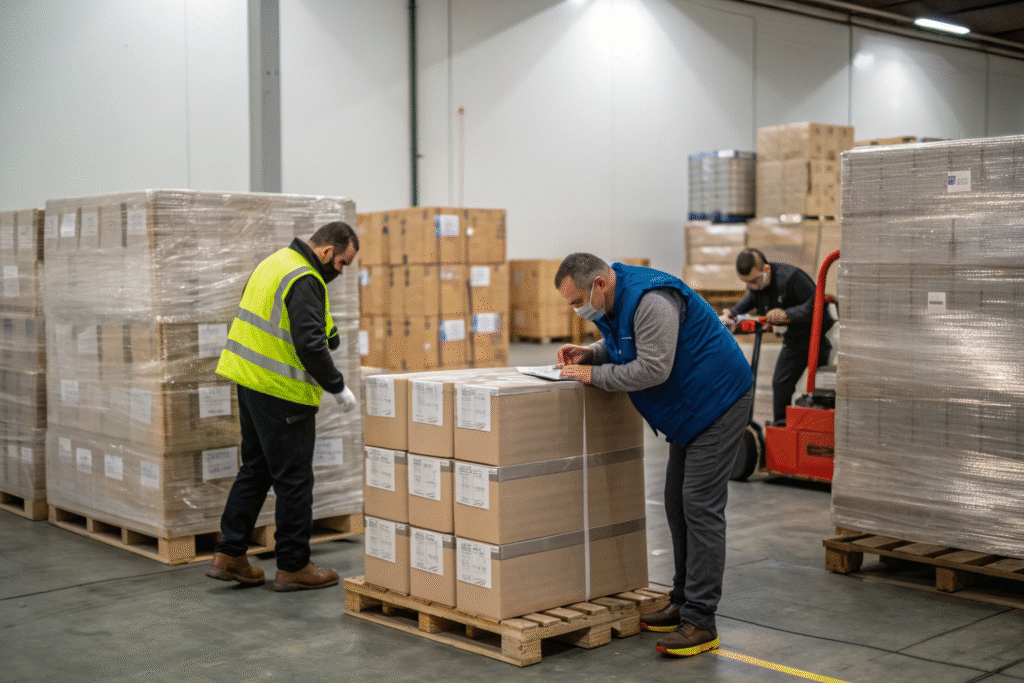
The choice of route impacts the condition of goods. For example, avoiding ports with frequent congestion or rough weather reduces risks. Freight forwarders use data platforms like MarineTraffic to track vessel conditions and plan safer routes.
This proactive planning helps importers like Ron reduce risks during peak seasons when ports are crowded. It ensures goods arrive faster and in better condition.
What Role Does Cargo Monitoring Play?
Real-time monitoring systems now allow forwarders to track cargo conditions such as temperature, humidity, and movement. Tools like Sensitech provide visibility into shipment integrity.
At GeeseCargo, we use monitoring devices for sensitive goods, ensuring our clients know if anything unusual happens during transit. Transparency builds trust and prevents small problems from becoming major losses.
Why Is Cargo Insurance Essential?
Even with preventive measures, accidents can still happen. This is why cargo insurance is critical. It provides financial protection against unexpected damage or loss.
Freight forwarders help clients choose the right insurance policies based on cargo type, value, and destination. This ensures businesses are never left alone to face heavy losses.

How Does Insurance Reduce Financial Risk?
Without insurance, importers bear the full cost of damaged goods. For example, if a container of clothing worth $100,000 is ruined by seawater, the financial impact can cripple a business. Policies from providers such as Allianz Trade cover such risks.
Freight forwarders guide clients through insurance claims, ensuring faster recovery and business continuity.
What Types of Insurance Cover Transit Damage?
There are different levels of coverage, from “Total Loss Only” to “All Risk.” The latter covers a wider range of damage causes, including theft and mishandling. Industry organizations like Institute Cargo Clauses set international standards for insurance policies.
At GeeseCargo, we always recommend comprehensive coverage for high-value goods to provide peace of mind.
Why Work with a Freight Forwarder for Damage Prevention?
Preventing cargo damage is not a one-time task—it is a continuous process that requires experience and attention to detail. Freight forwarders have the tools, training, and industry connections to ensure shipments remain safe.
By combining supervision, technology, and insurance expertise, freight forwarders make shipping more secure and predictable.
How Do Freight Forwarders Add Extra Protection?
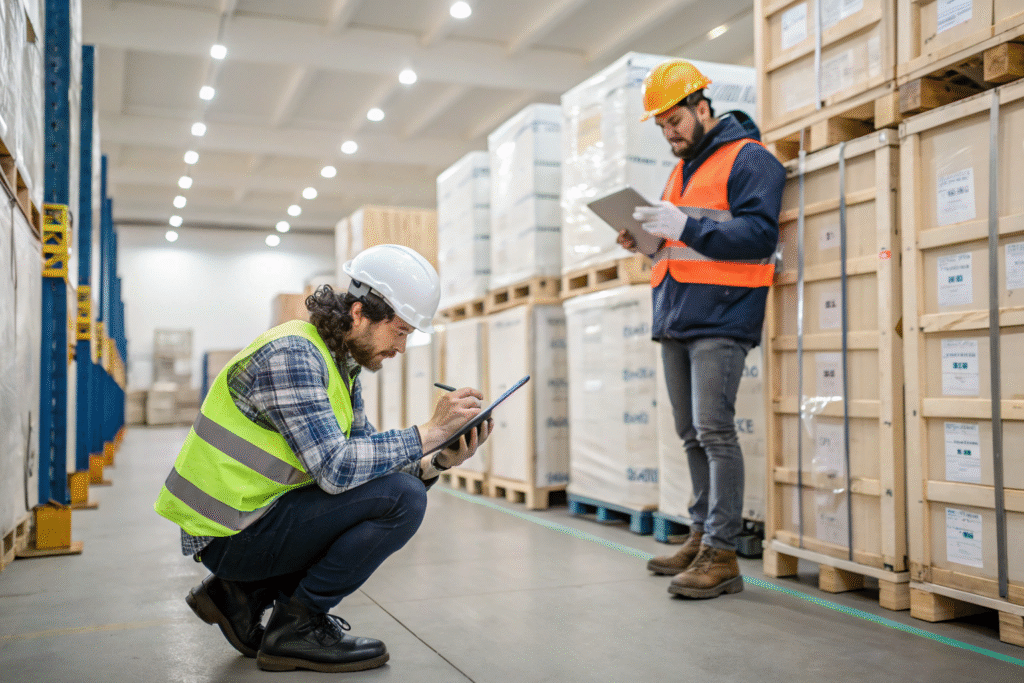
Forwarders act as quality controllers, checking every step of the shipment. From supervising loading to arranging insurance, we add layers of protection that individual importers cannot easily achieve alone.
We also maintain relationships with International Federation of Freight Forwarders Associations (FIATA), giving us global best practices and industry standards to follow.
Why Is Experience the Strongest Guarantee?
A forwarder with years of experience has seen every type of cargo issue. This knowledge allows us to anticipate risks before they occur. At GeeseCargo, our long history in freight forwarding gives clients confidence that their shipments will be handled with care.
This is why many importers trust us as a reliable freight forwarding company for long-term cooperation.
Conclusion
Transit damage is one of the biggest fears in global shipping, but it can be managed effectively. The causes—mishandling, poor packaging, and environmental risks—are predictable, and with the right strategies, they can be minimized.
Freight forwarders play a crucial role in prevention by ensuring secure packaging, planning safe routes, using monitoring technology, and arranging proper insurance. By working with experienced forwarders, businesses like Ron’s not only protect their shipments but also safeguard their reputation and profit margins.
Trusting a freight forwarder is not just about logistics—it is about peace of mind and long-term business success.