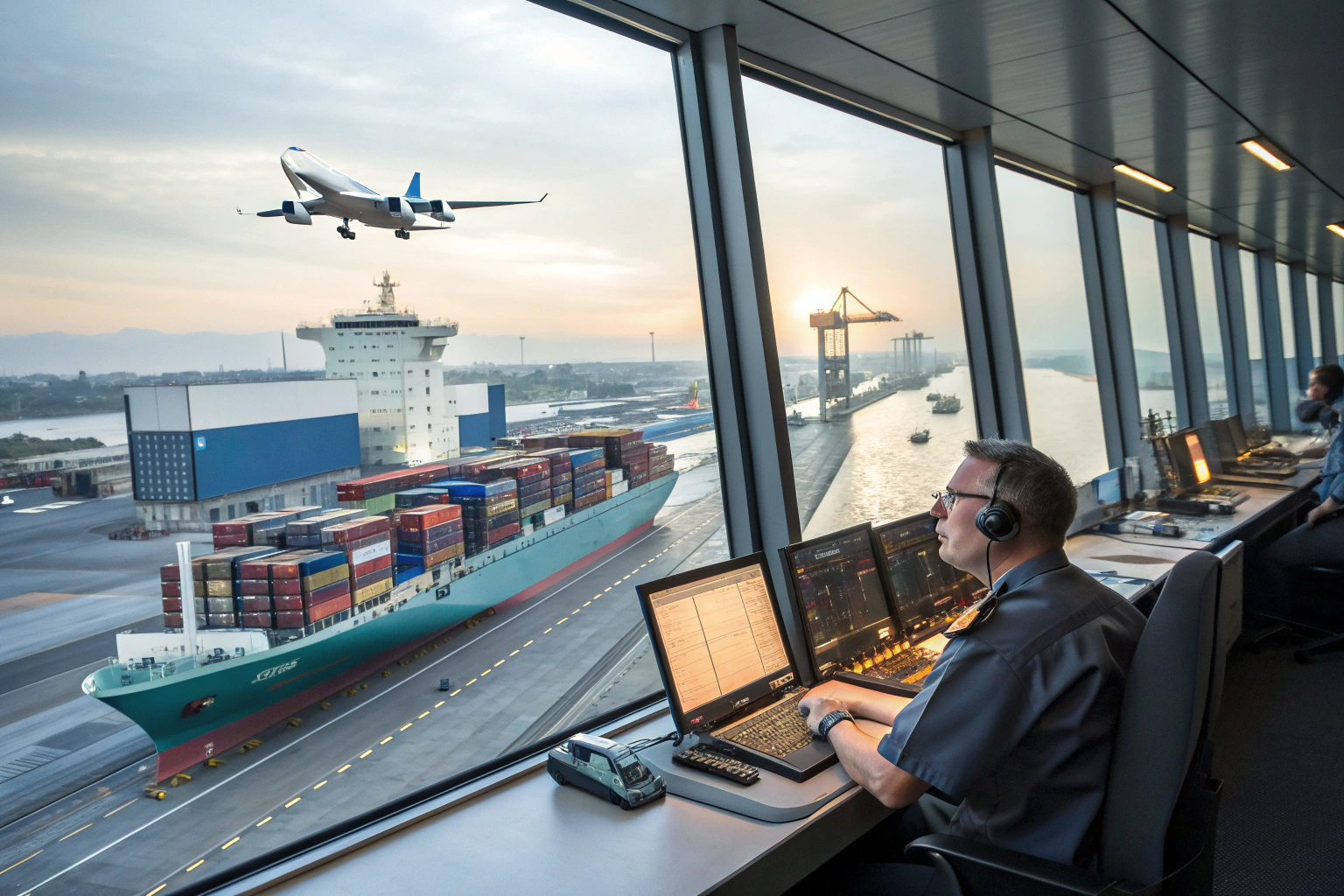
As a business owner regularly shipping large volumes of goods across international borders, I understand the frustrations posed by logistical challenges. High shipping rates, unpredictable delays, and complex customs procedures often contribute to operational stress. Many importers and exporters question whether freight forwarders can genuinely deliver adaptability in such a standardized industry.
Yes, freight forwarders provide flexible logistics solutions by tailoring transport methods, optimizing routes, and dynamically responding to supply chain changes. Leveraging years of industry expertise and established relationships at major ports, we adjust services to meet specific client requirements.
In this article, I will elaborate on how freight forwarders achieve operational flexibility. From multimodal shipping options to streamlined customs clearance, I’ll illustrate why collaboration with a capable forwarder significantly enhances supply chain performance.
What Makes Freight Forwarders Flexible?
Freight forwarders serve not merely as intermediaries, but as strategic partners who design shipping methods suited to the complexities of global trade. Many clients seek to understand how services can be adapted to their unique business contexts.
Flexibility is delivered through diverse transport modes, customized routing, and value-added services. This versatility allows clients to avoid being confined to a single option and instead select solutions aligned with their schedule and financial constraints.
Such adaptability stems from robust global networks, real-time digital tracking, and the capacity to shift between carriers when disruptions arise. By integrating air, ocean, rail, and road transport, forwarders maintain efficient cargo movement.
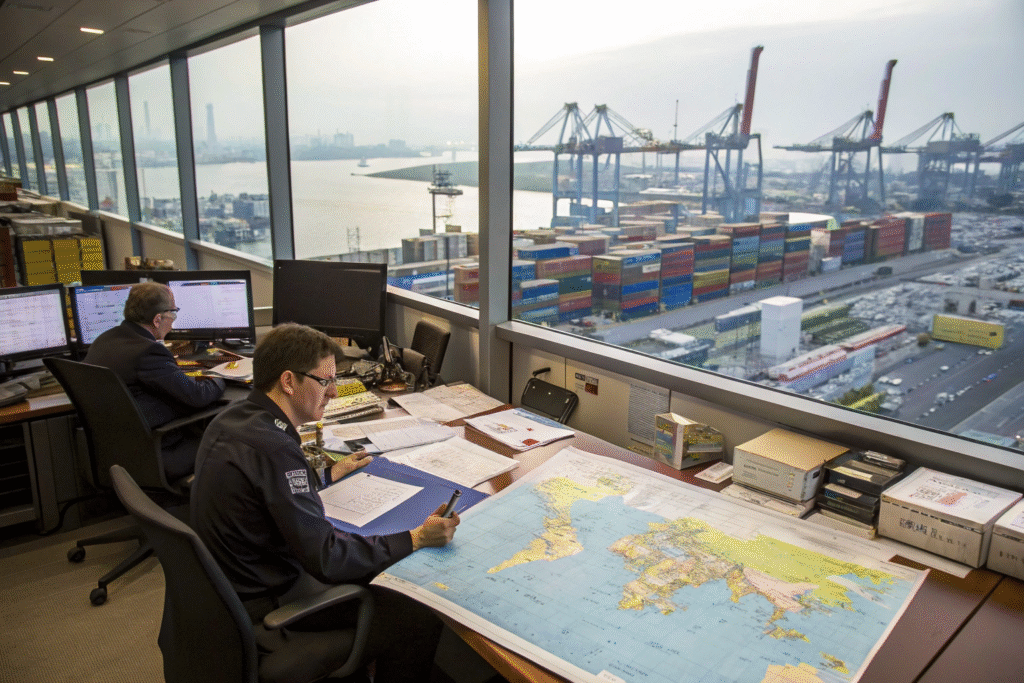
How Do Multimodal Transport Options Enhance Flexibility?
When speed is critical, air freight may be ideal. When cost efficiency takes priority, ocean freight often proves advantageous. By blending modes—such as combining rail transport and trucks—forwarders balance lead time and expense. Multimodal solutions enable goods to traverse regions without reliance on a single method.
For example, if a port in China experiences congestion, cargo can be rerouted via another port and connected to rail networks through trucking. This reduces delays and ensures timely delivery to U.S. hubs. Reliable forwarders work with logistics partners to secure efficient modal transitions.
Can Forwarders Respond to Market Disruptions?
Events like strikes, severe weather, or sudden rate increases often disrupt shipping. Skilled forwarders react quickly by booking capacity on alternate vessels or flights and adjusting routes to bypass congested ports.
With advanced visibility systems, clients track cargo in real time and receive proactive updates. Partnering with providers such as Maersk and UPS ensures businesses have backup routes and stable supply chains.
Why Is Customized Freight Planning Essential?
Every client has distinct shipping needs. While some focus on cost reduction, others demand speed and reliability. Standardized approaches often lead to inefficiencies and higher costs.
Customized freight planning ensures solutions are designed according to cargo type, budget, and destination. This tailored service helps companies mitigate risks and improve supply chain performance.
With deep knowledge of China–U.S. trade routes, we design freight strategies that minimize tariffs, reduce delays, and boost overall efficiency.
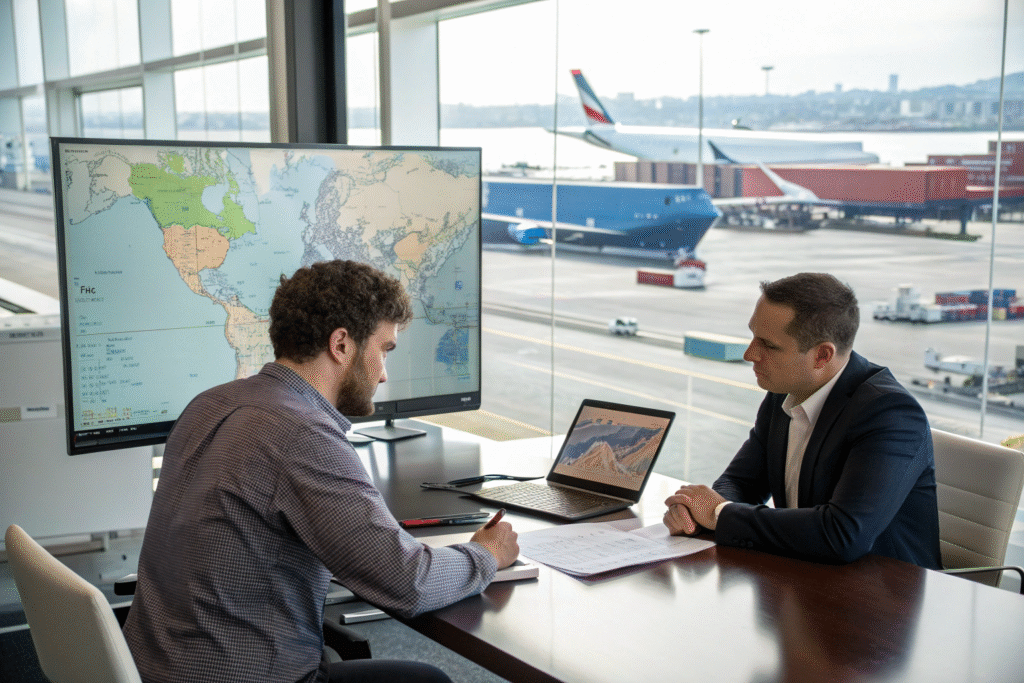
How Do Forwarders Deliver Tailored Shipping Solutions?
Forwarders analyze cargo characteristics, destinations, and budgets before offering strategies. Fragile shipments may go by air, while bulk commodities fit better with sea freight. They also advise on packaging and compliance.
Working with partners like FedEx and Kuehne+Nagel gives clients wider choices. Tailored solutions not only cut costs but also enhance cargo safety in transit.
Do Clients Benefit from Route Optimization?
Yes. Route optimization reduces both time and expense. By assessing sailing schedules, congestion, and customs rules, forwarders choose the most efficient paths.
Digital platforms like Freightos and Flexport allow forwarders to compare multiple carriers at once. These partnerships help clients secure the best routes and pricing.
How Do Customs Solutions Improve Flexibility?
Customs clearance remains one of the most complex stages of international shipping. Errors in documents or compliance issues often cause long delays and added expenses.
Freight forwarders simplify customs with professional clearance services and compliance expertise. They bridge clients and customs authorities, ensuring smooth import and export operations.
With years of experience handling U.S. and European customs, we guide businesses through duties, tariffs, and inspections.
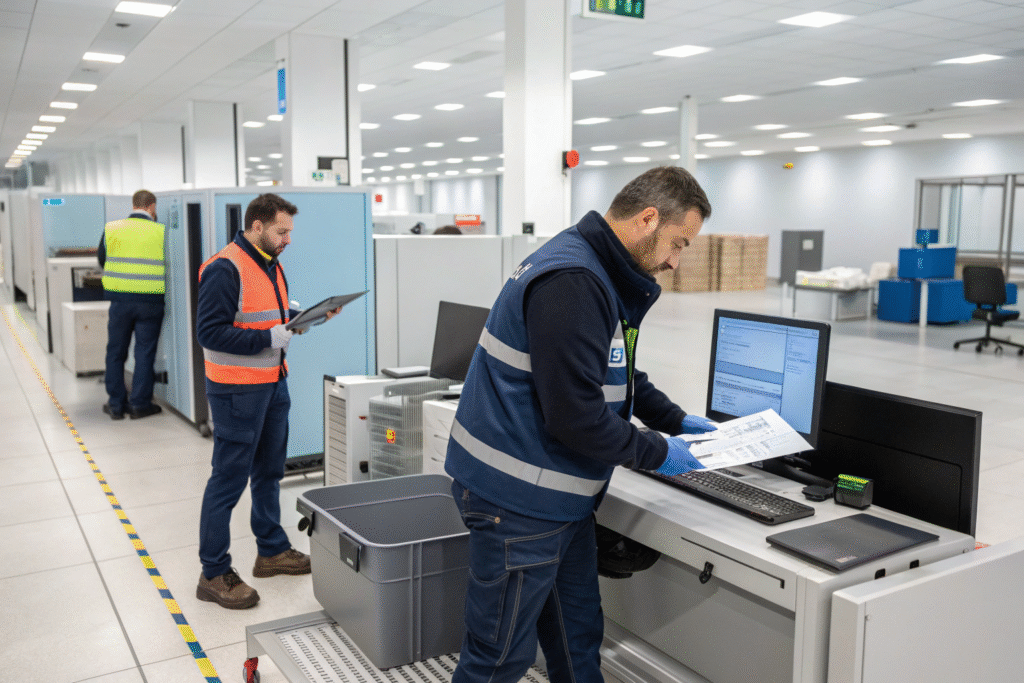
What Role Do Forwarders Play in Customs Clearance?
Forwarders prepare and verify documents such as bills of lading, invoices, and packing lists. They ensure compliance with trade rules and agreements.
By working with U.S. Customs and Border Protection and European Commission Trade, forwarders reduce risks of penalties and help clients meet strict timelines.
How Does Customs Brokerage Accelerate Delivery?
Customs brokerage is an extension of forwarding. Brokers represent clients during customs checks, negotiate duties, and obtain permits for restricted goods.
With reliable brokerage, companies experience fewer port delays. Providers like Expeditors and Livingston International specialize in speeding clearance processes.
Can Technology Enhance Flexible Freight Solutions?
Technology drives modern logistics. Clients now expect real-time visibility and data-driven solutions.
Digital platforms, tracking systems, and automation make shipping faster, safer, and more reliable. This improves customer experience and builds trust.
With advanced technology, businesses remain in control even under shifting global conditions.

How Does Real-Time Tracking Assist Businesses?
Tracking gives clients updates at every shipment stage. This reduces uncertainty and improves planning.
Forwarders use tools like Project44 and FourKites for accurate shipment visibility. This transparency helps businesses minimize risks.
Can AI and Automation Increase Freight Flexibility?
Yes. AI and automation process big data, predict demand, adjust pricing, and reroute shipments quickly.
Companies like Cargomatic and ShipBob already use automation. These tools improve flexibility and consistency in freight services.
Conclusion
Freight forwarders undeniably offer flexible logistics solutions. Through multimodal shipping, customized planning, expert customs services, and advanced technology, they ensure goods cross borders smoothly.
Flexibility in freight forwarding is not only about avoiding delays. It is about giving businesses confidence that shipments will arrive on time, safe, and cost-effective. Choosing the right forwarder is vital for long-term growth in global trade.